The US Congress has rejected most proposed cuts to NASA's budget, restoring it to nearly previous levels, and has also maintained support for the Space Launch System and Artemis missions, though some budget reductions remain. The fate of the Space Shuttle Discovery's relocation to Houston is still uncertain, with discussions ongoing about the logistics and safety of the move.
President Trump has issued an executive order prioritizing the return of Americans to the moon by 2028, with plans for a nuclear lunar outpost by 2030, and NASA, under new leadership, aims to accelerate the timeline, including a crewed lunar mission in 2028 and establishing a lunar base, amidst international competition and commercial sector involvement.
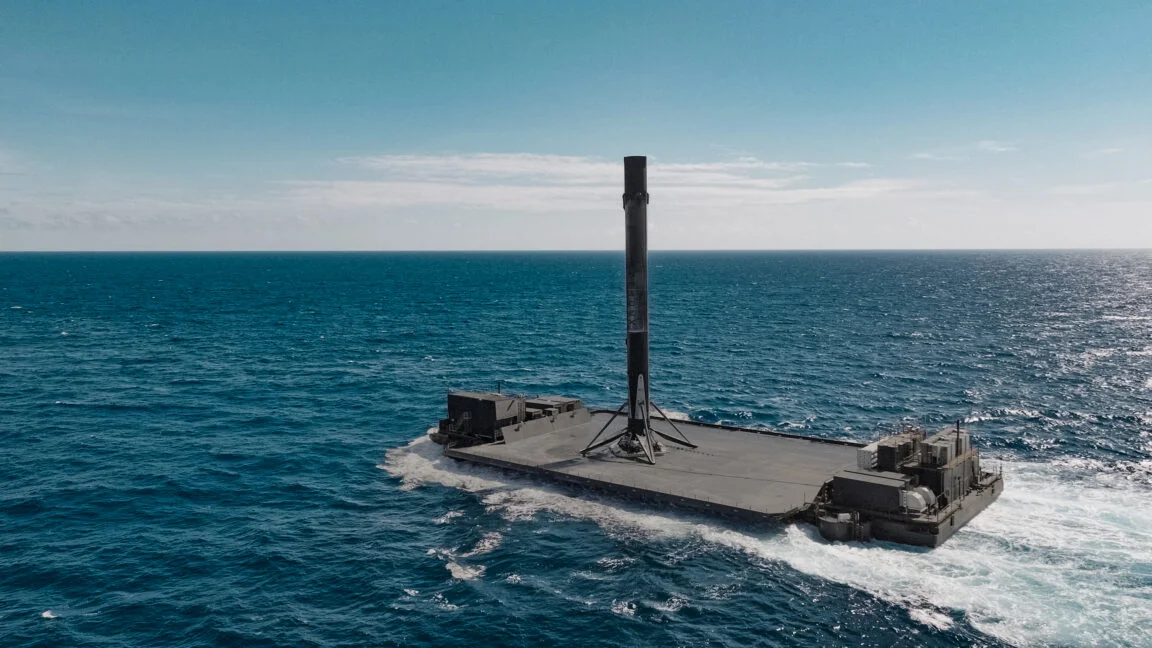
SpaceX has unveiled a simplified lunar lander design to accelerate Artemis missions, focusing on safety and efficiency by reducing complexity, launch requirements, and cargo capacity, aiming to return humans to the Moon sooner.
SpaceX is developing a simplified version of its Starship-based lunar lander in response to NASA's concerns, aiming for a faster lunar return by 2026, amidst competition and delays in the Artemis program, with Blue Origin also proposing alternatives.
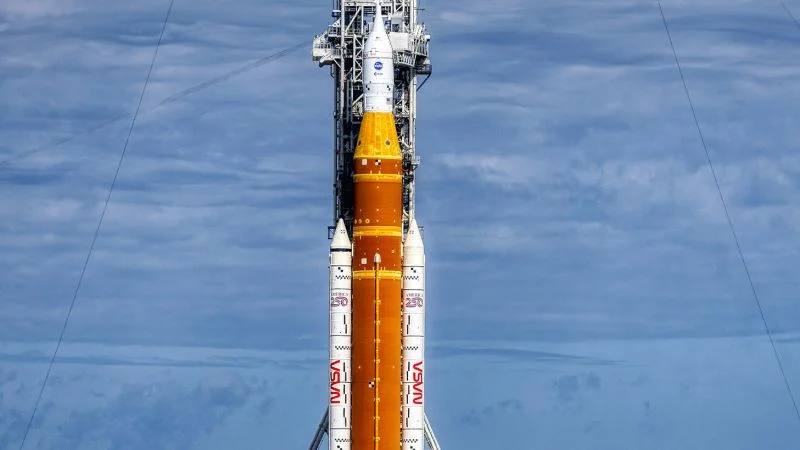
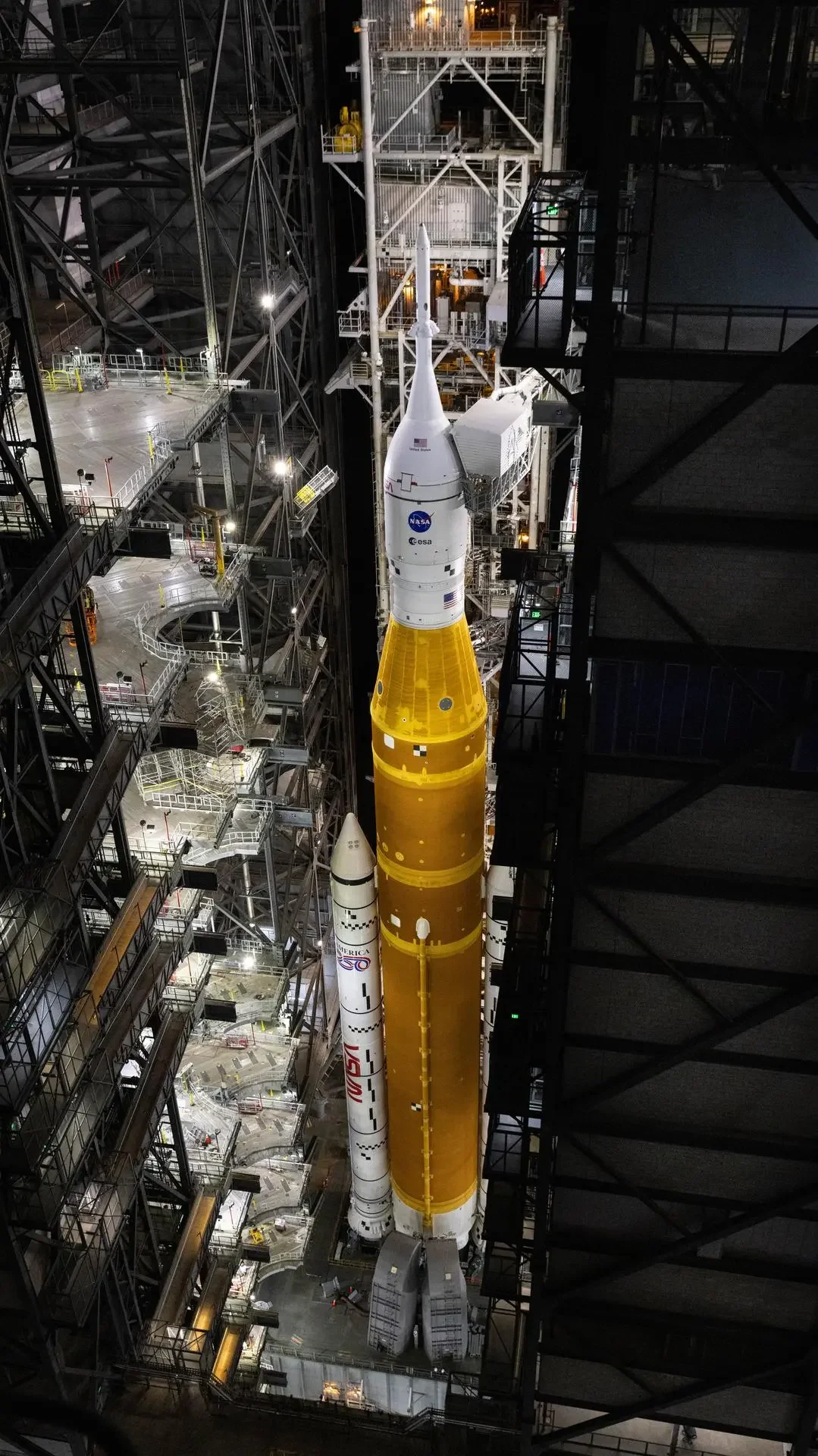
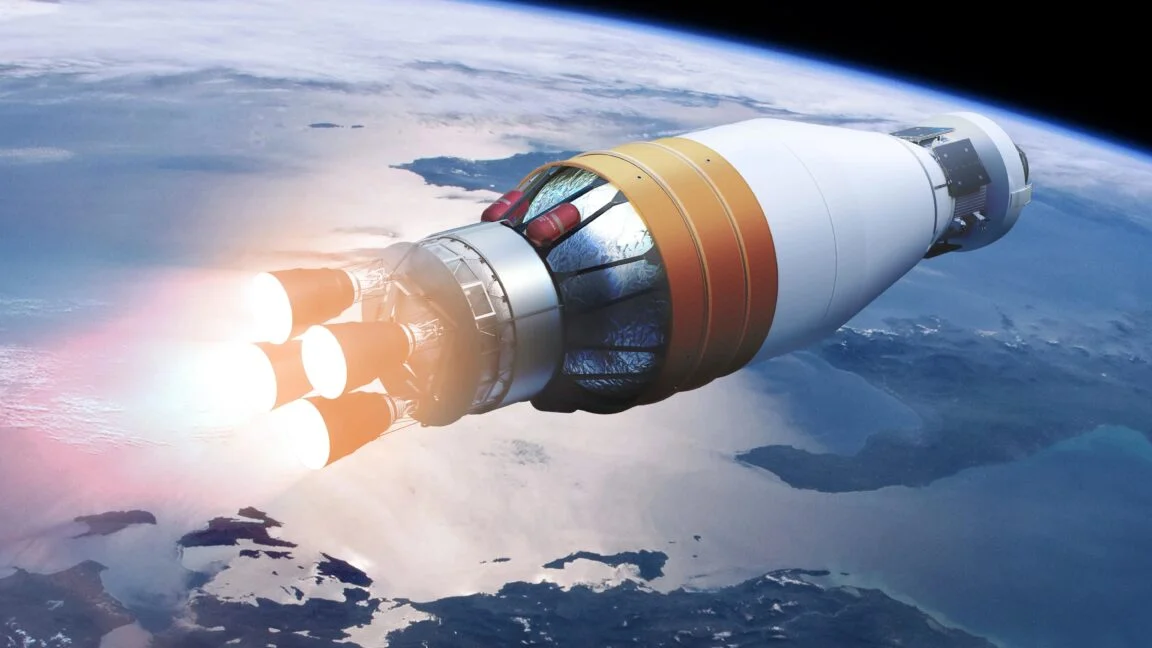
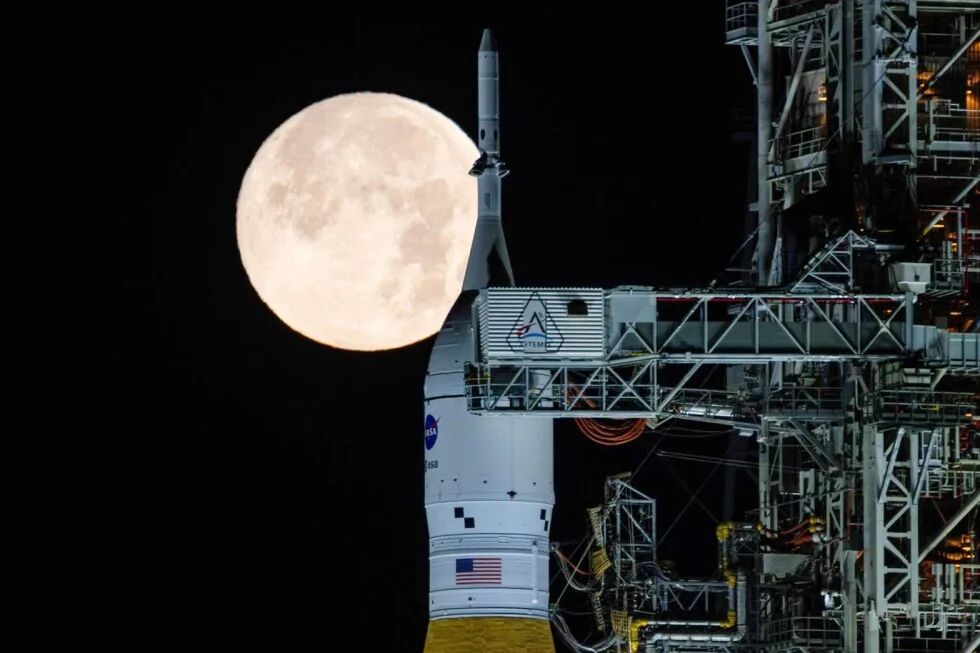
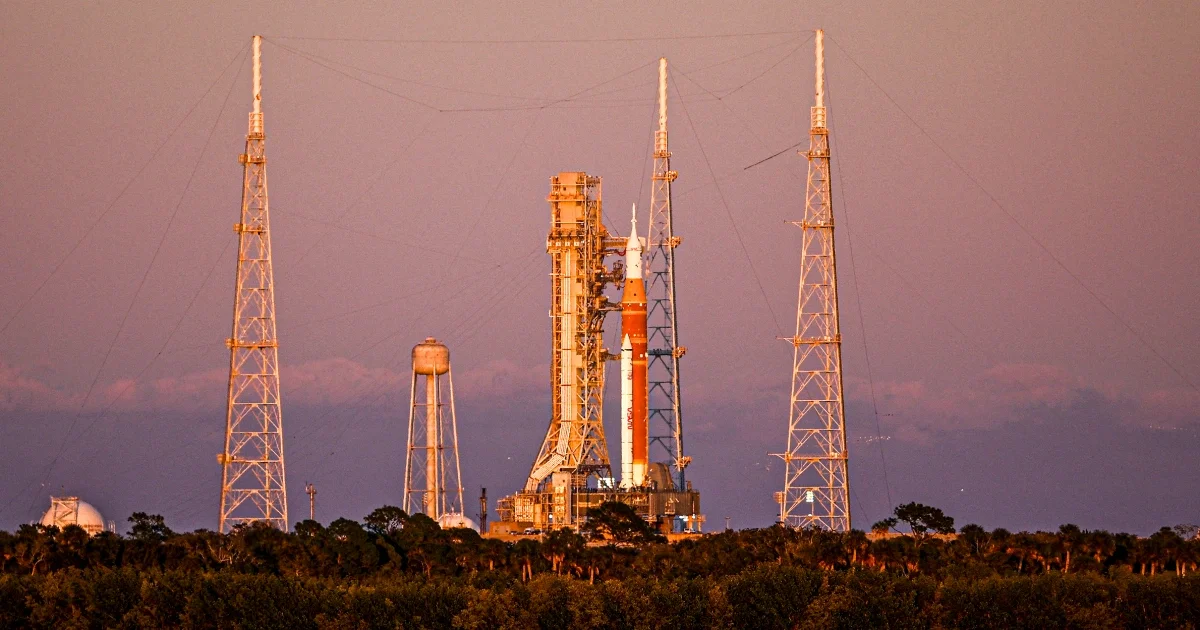
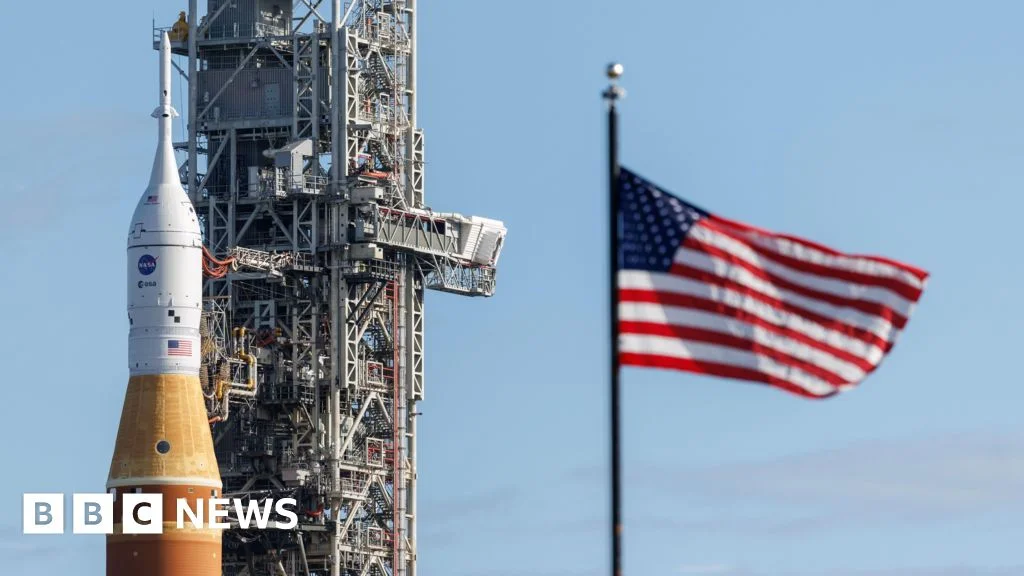
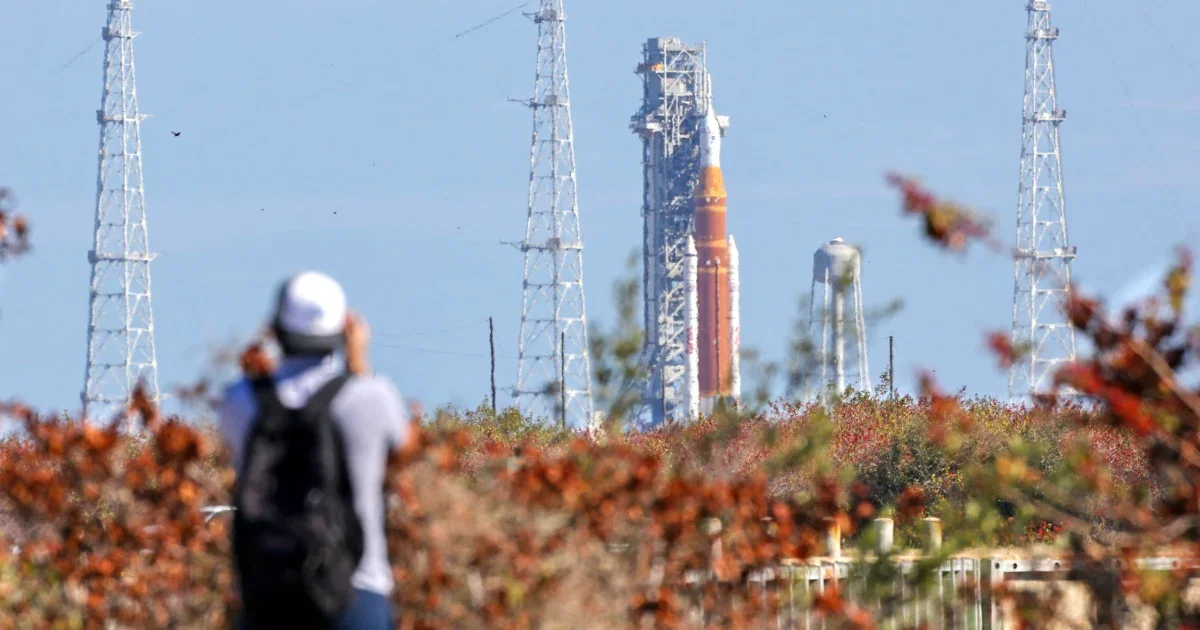
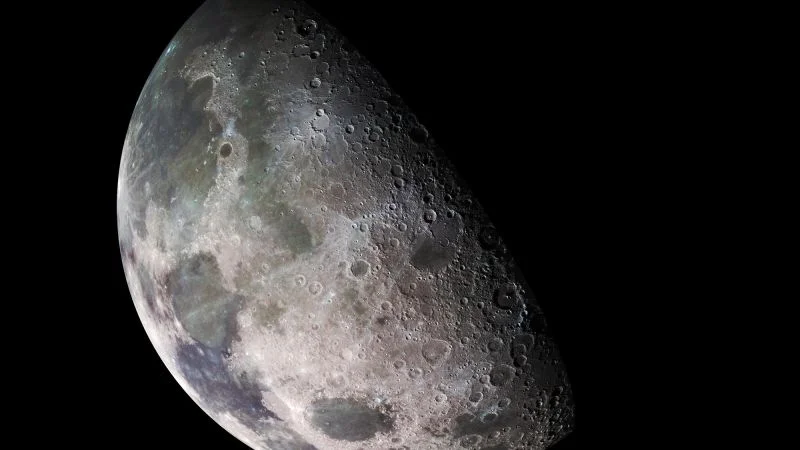
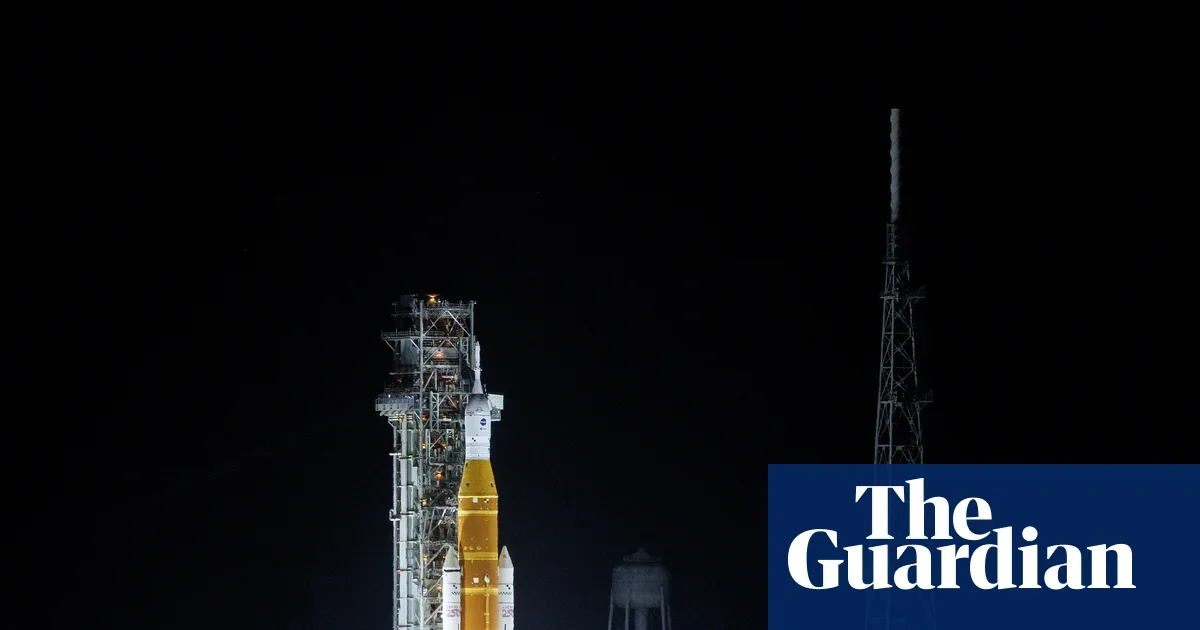
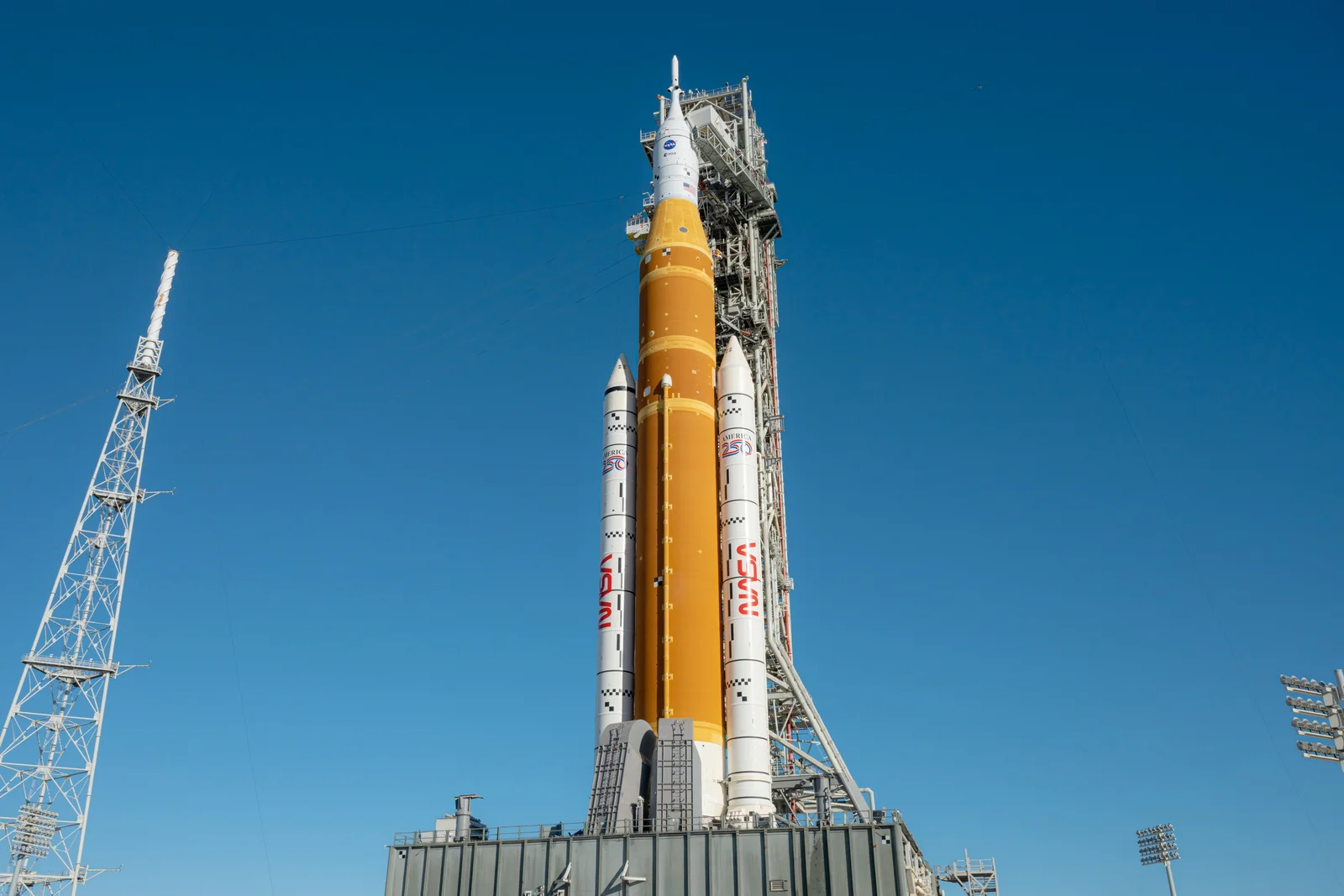
NASA's Artemis program aims to return humans to the moon and establish a sustainable presence, utilizing advanced technology like the Space Launch System and Lunar Gateway, with missions including Artemis 1 and Artemis 2, and a focus on lunar exploration and future Mars preparation.
NASA's Artemis program aims to establish a sustainable human presence on the moon, with plans for longer stays and preparations for Mars exploration, including selecting landing sites, developing infrastructure, and fostering international and commercial partnerships, with Artemis 4 scheduled for no earlier than 2028.
Lunar Outpost is developing a lunar terrain vehicle (LTV) called Eagle, designed for Artemis astronauts to explore the moon's surface, with ongoing testing and collaboration with NASA, including a payload on the upcoming 2026 moon mission, and advancements in autonomous and teleoperated lunar vehicle technology.
NASA has certified a new helicopter-based training course in Colorado's mountains to simulate lunar landing conditions for Artemis astronauts, helping them practice landing in challenging environments similar to the Moon's surface, which is crucial for upcoming Artemis missions to explore the lunar South Pole and prepare for future Mars exploration.
NASA's acting administrator Sean Duffy publicly emphasized the agency's commitment to beating China to the moon, countering criticism and previous statements suggesting China might land astronauts on the moon first. Duffy and associate administrator Amit Kshatriya vowed to accelerate Artemis missions and reduce costs, despite budget constraints and testing setbacks, aiming to ensure NASA's leadership in lunar exploration.
NASA has appointed Amit Kshatriya, former leader of the Moon to Mars Program Office, as its new associate administrator to emphasize exploration efforts, amidst ongoing leadership vacancies and international competition in lunar exploration.
Three former NASA officials warn that the Artemis program is behind schedule and at risk of losing US leadership in space to China, urging immediate independent review and transparency to ensure the US can achieve its lunar and space exploration goals.
Shares of Puma soared after reports that Artemis, controlled by the Pinault family, is considering selling its 29% stake in the company, prompting investor interest amid Artemis's broader portfolio concerns.
China is making significant progress in lunar exploration and aims to land astronauts on the Moon before 2030, potentially beating NASA's delayed Artemis program, which faces leadership issues, technical setbacks, and funding uncertainties, while SpaceX's Starship struggles with reliability.
NASA and the U.S. Army National Guard are collaborating to develop a lunar lander simulation training course using military helicopters in Colorado, preparing astronauts for the challenging terrain and conditions of the Moon's South Pole for upcoming Artemis missions, with the final course expected in August 2025.
Washington-made rocket engines are crucial for NASA's Artemis missions, which aim to return humans to the moon for the first time since 1972, with upcoming missions including orbiting and landing on the lunar surface.