Tag

Space Situational Awareness

All articles tagged with #space situational awareness

space-technology1 year ago

"Turion Space Nearing Launch of First Satellite's Initial SSA Service"

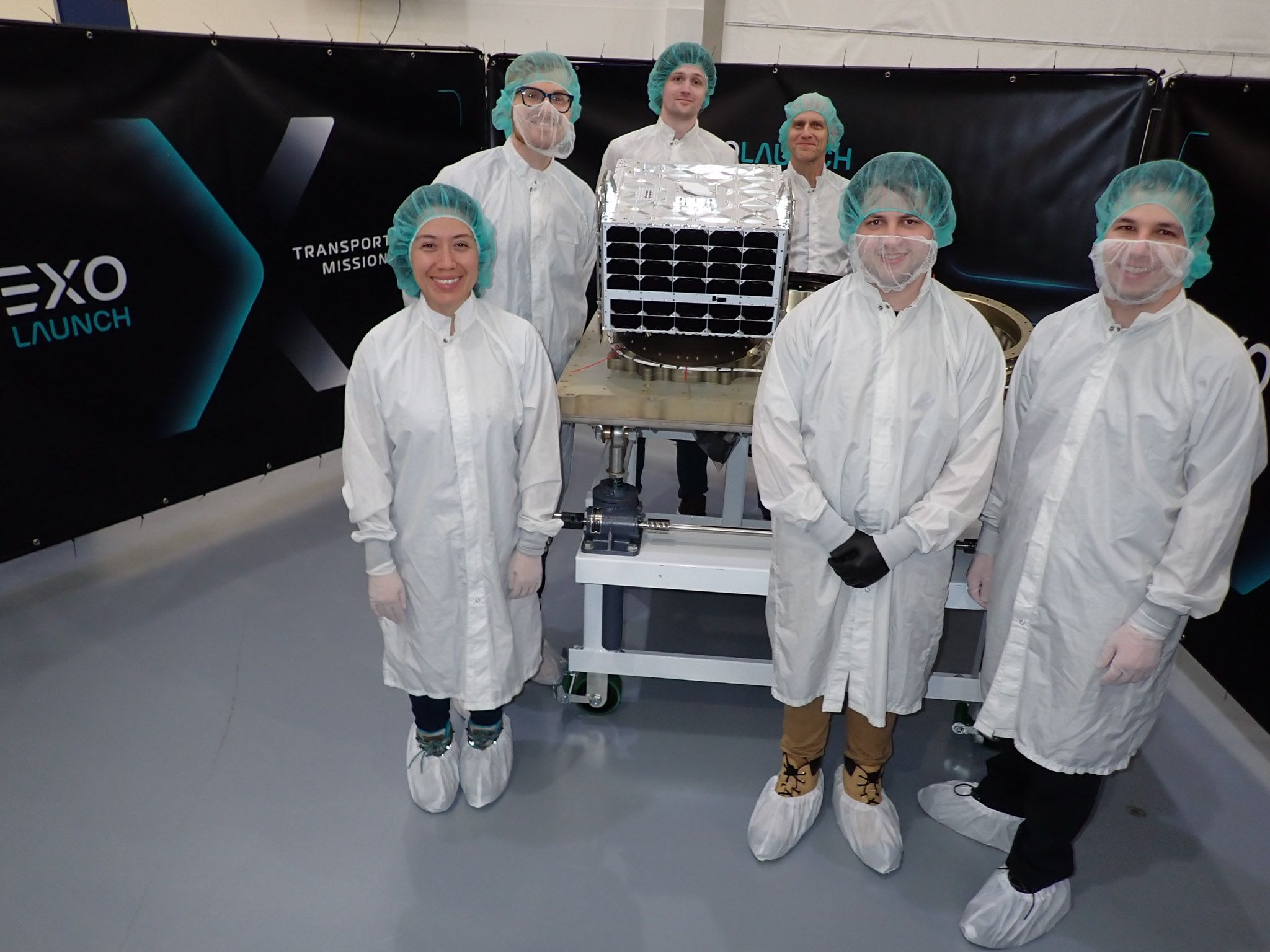
Turion Space's debut satellite, Droid.001, is set to begin imaging objects in space by May after a year of commissioning in low Earth orbit. The California-based startup aims to provide space situational awareness (SSA) services and plans to sell imagery to the U.S. Department of Defense and satellite operators. The company also intends to launch an "enhanced mobility vehicle" in 2026 for debris removal and has received contracts from NASA, Space Force, and the Air Force. Turion is preparing to launch another demo spacecraft, Droid.002, with higher resolution imaging capabilities, and aims to produce 10 spacecraft by 2026 for sale to other operators.

space-technology1 year ago

"Rocket Lab Advances Rocket Reusability with Successful Electron Recovery Missions"

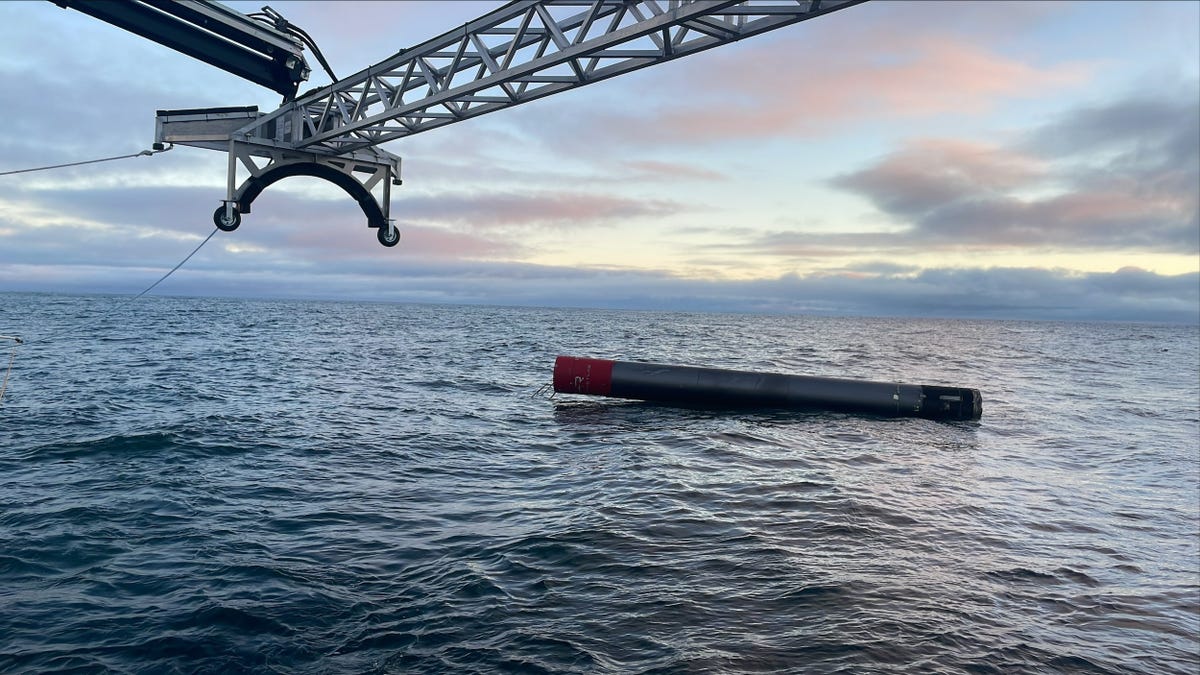
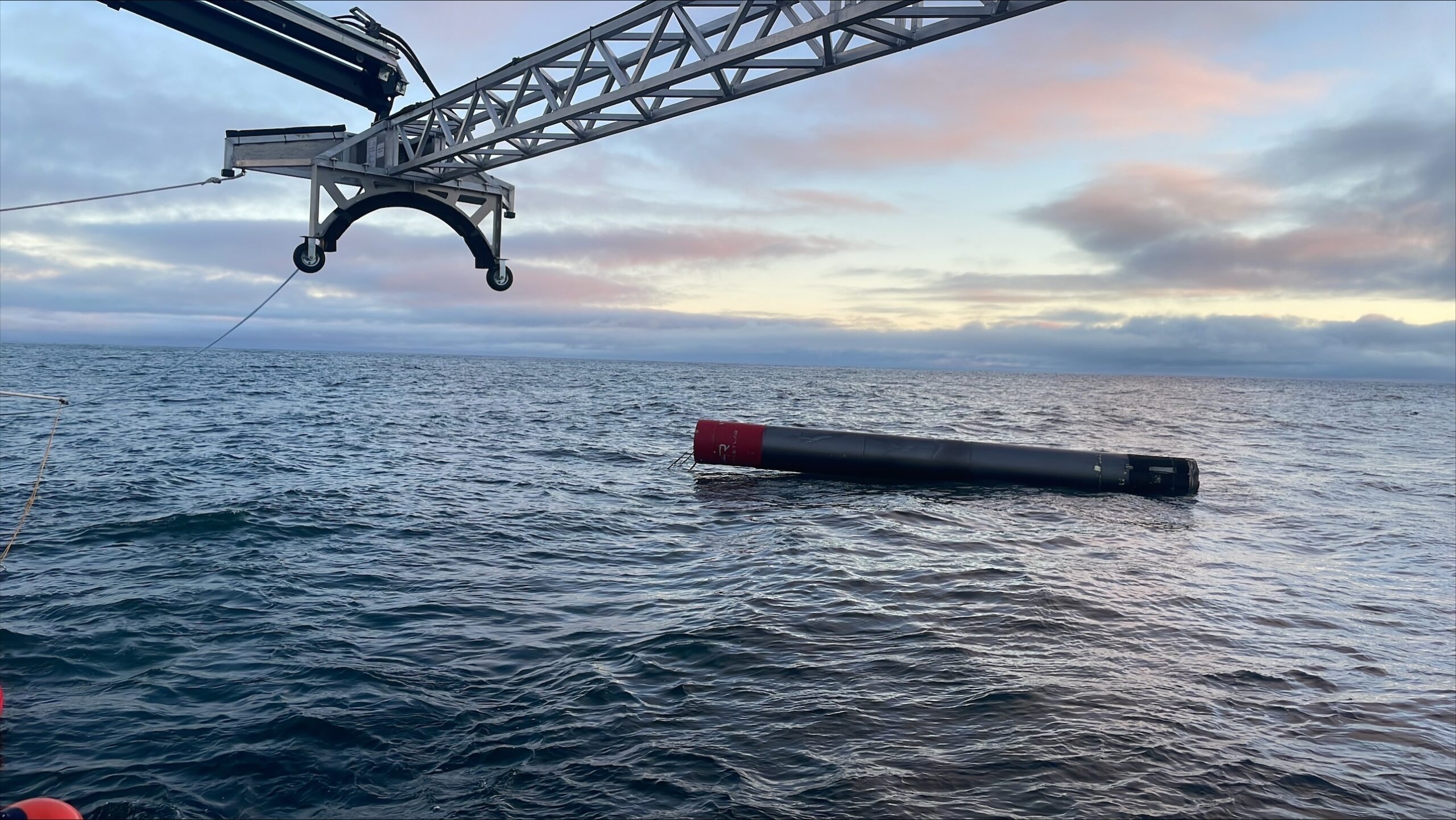
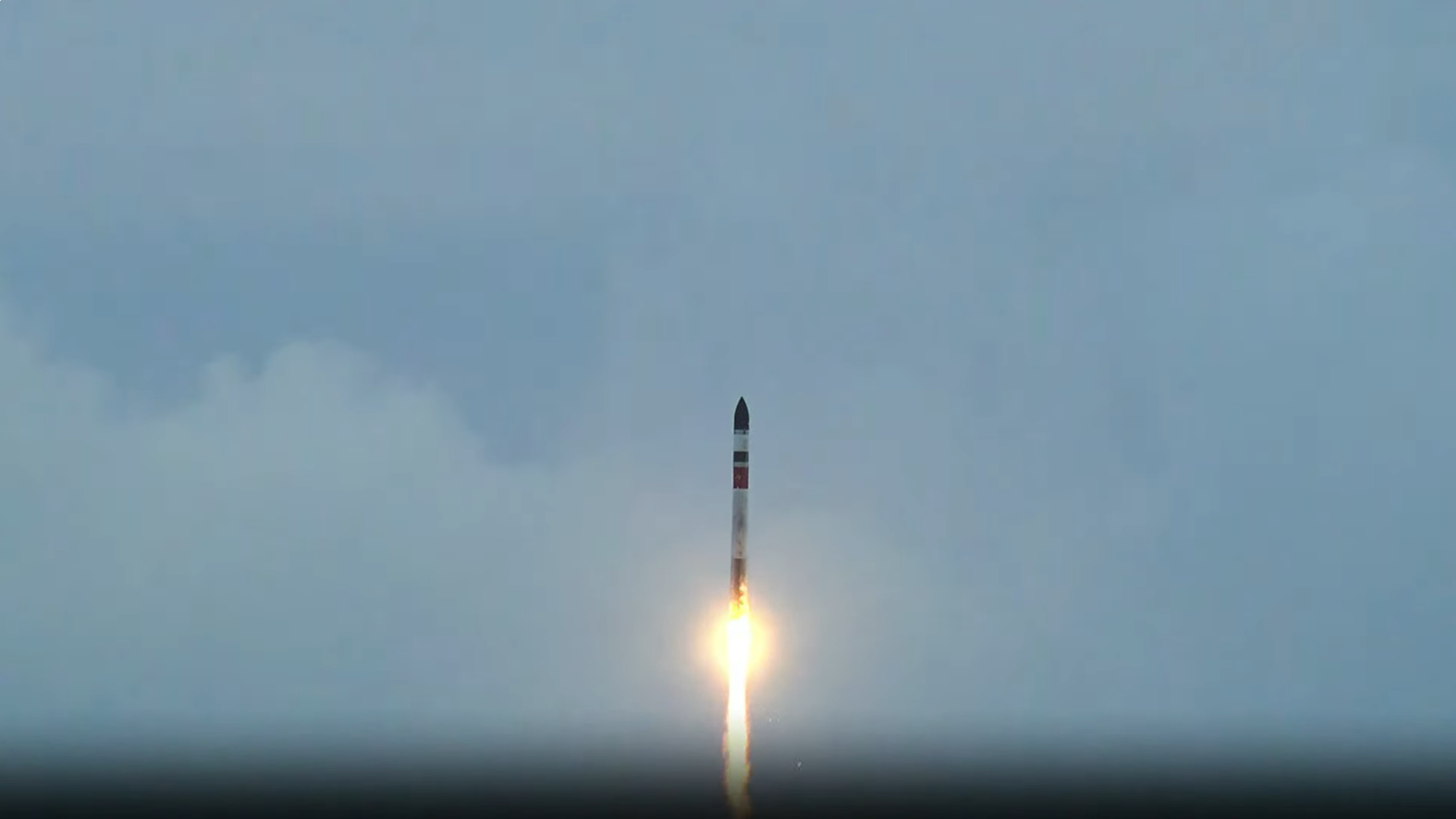
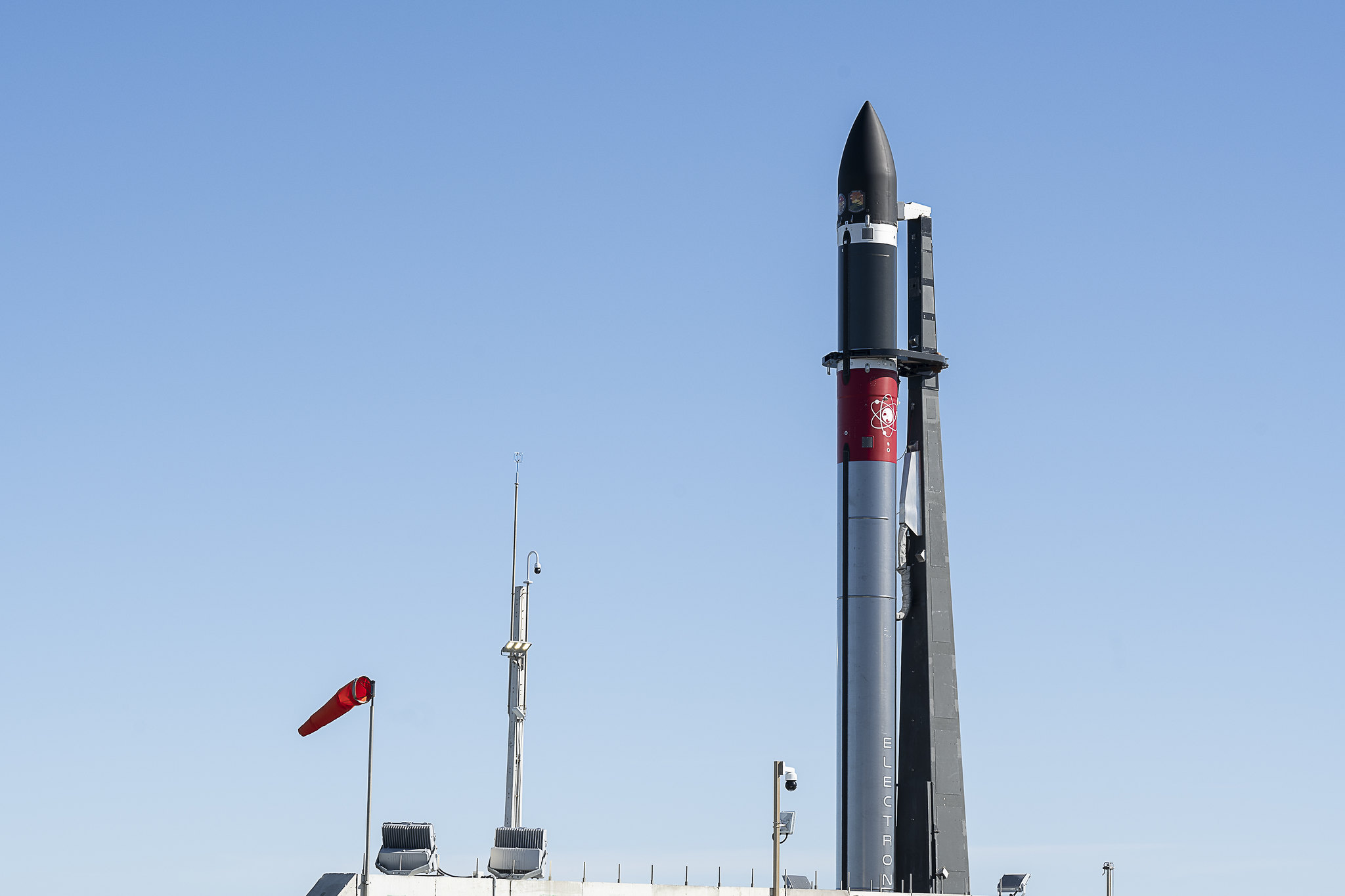
Rocket Lab successfully launched and recovered its Electron rocket, deploying four Space Situational Awareness satellites for NorthStar. The rocket's first stage was recovered from the Pacific Ocean for reusability testing, marking a step towards competing with SpaceX. Rocket Lab had previously attempted mid-air recovery with a helicopter but has now shifted focus to reusing boosters despite ocean submersion. With plans for a busy year ahead, the company aims to continue its success in small launch vehicle missions.

space-technology1 year ago

"Rocket Lab's Successful 2024 Recovery Mission and Financial Results"

Rocket Lab successfully launched its first recovery Electron mission of 2024 from New Zealand, deploying four Space Situational Awareness (SSA) satellites for Spire Global and NorthStar Earth & Space. The first stage booster was recovered from the Pacific Ocean, marking Rocket Lab's ambition for reusing the booster entirely. NorthStar's "NorthStar-1" mission is the first batch of a planned 24-satellite constellation, aiming to enable continuous monitoring of satellites and nearby objects for early detection and warning of safety- and security-related phenomena.

space-technology1 year ago

Rocket Lab Successfully Recovers Boosters and Launches NorthStar Satellites

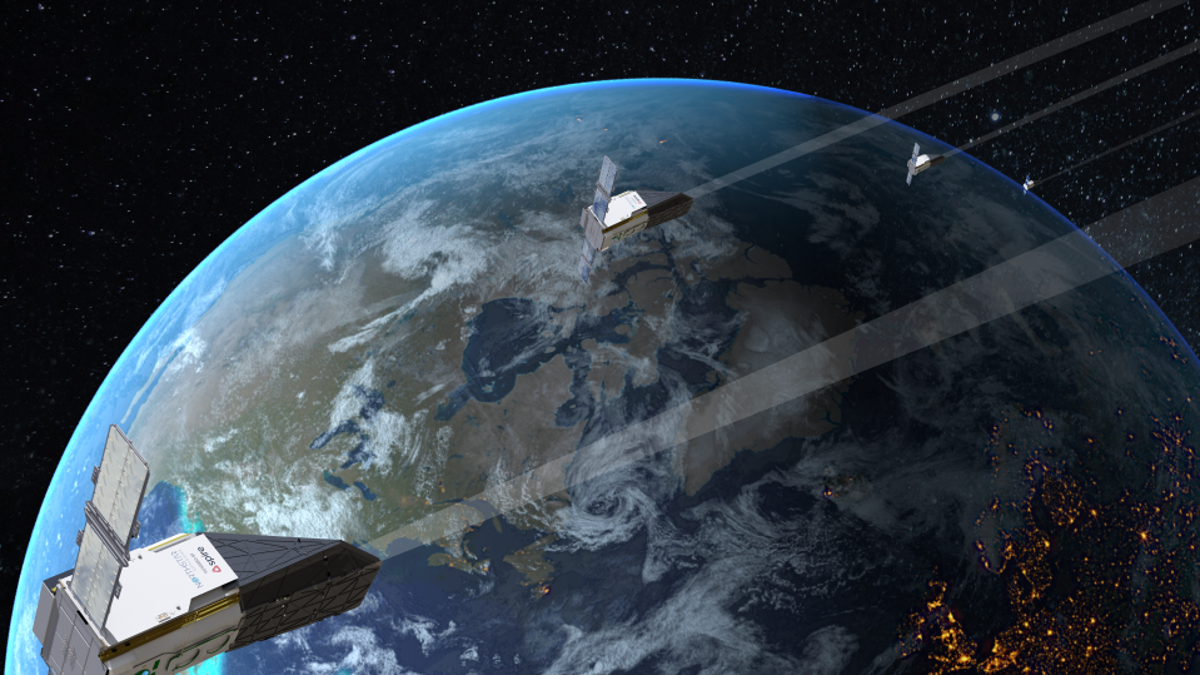
Rocket Lab successfully launched the first four satellites for NorthStar Earth and Space, equipped with sensors to track objects in low Earth orbit, as part of its efforts to recover and eventually reuse Electron boosters. The satellites are the first in an initial constellation of 12 spacecraft, with the next eight to be launched on future Electron missions by 2026. Rocket Lab also tested its ability to recover Electron boosters, with plans to eventually reuse them, marking the company's first launch of the year and the start of its busiest year ever.

space-technology1 year ago

"Rocket Lab's Successful 2024 Satellite Mission and Booster Recovery"

Rocket Lab's Electron launch vehicle successfully deployed four Space Situational Awareness (SSA) satellites into low-Earth orbit, marking the first booster recovery since August 2023. The mission, named "Four of a Kind," delivered four LEMUR cubesats for Spire Global Inc., aiming to provide space-based weather monitoring and tracking for maritime and aviation activity. NorthStar Earth and Space plans to build a constellation of LEMUR spacecraft for monitoring near-Earth objects and space-based activity. Rocket Lab's 2024 started with the successful launch and recovery of the Electron's first stage, as it works towards its goal of first-stage reuse.

space-technology2 years ago

"Satellite Traffic Management: A Growing Constellation"

Canadian startup NorthStar is set to launch the first commercial constellation of Space Situational Awareness (SSA) satellites, designed to monitor and track objects in Earth's orbit to prevent collisions between spacecraft. Equipped with advanced optical devices and star trackers, the satellites will provide continuous monitoring of space objects in low Earth orbit, medium Earth orbit, and geostationary orbit. The company aims to launch 12 satellites by 2026, with plans for a total of 24, to enhance coverage and provide early detection and warnings of space-related dangers. The need for a comprehensive and transparent civilian-led space traffic monitoring system is increasingly crucial as the space industry continues to grow.

space2 years ago

The Dangers of Evasive Maneuvers and Satellite Collision Risks

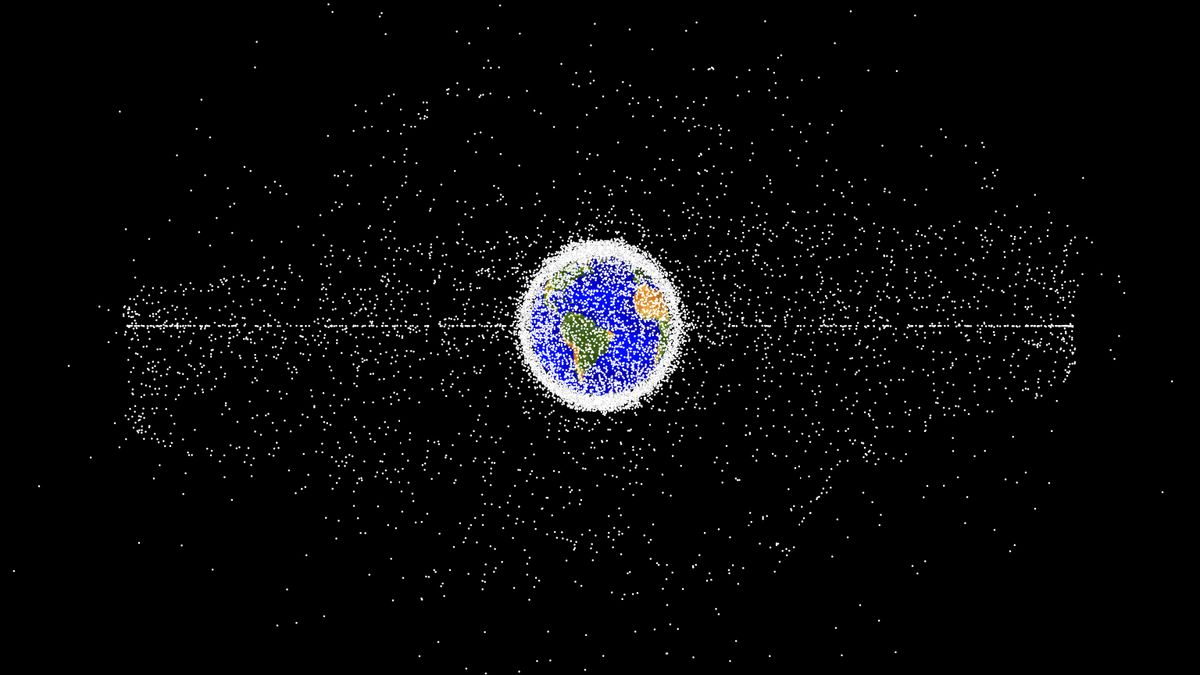
Researchers have found that attempting to avoid satellite collisions in orbit actually increases the risk of future collisions due to the limitations of current space traffic management methods. After each avoidance maneuver, operators and space traffic observers have only a rough idea of the satellite's actual location, leading to inaccurate collision predictions for several days. With the increasing number of satellites in space, such uncertainties pose a significant concern. For example, SpaceX's Starlink internet megaconstellation had to perform 25,000 collision avoidance maneuvers in a six-month period, and this number is expected to double as the constellation grows. Inaccurate data after each maneuver could lead to devastating crashes, as demonstrated by the 2009 collision between the U.S. satellite Iridium 33 and Russia's Kosmos-2251. To address this issue, commercial companies are developing platforms that incorporate data about maneuvers to improve accuracy and timeliness of collision predictions.

science-and-astronomy2 years ago

Tackling Space Debris: The Urgent Need for Lunar Cleanup

A proposed mission concept called ROARS aims to address the growing problem of space debris by deploying a network of eight satellites equipped with complex science instruments to gather data on space weather and Earth's upper atmosphere. By understanding the forces exerted on satellites and the impact of solar activity, scientists hope to improve space situational awareness and predict and prevent collisions. The mission, funded by the European Space Agency, comes as the number of tracked space debris continues to rise, posing a threat to satellites and future space missions.

technology2 years ago

Revolutionizing Space Junk Monitoring with Orbiting Debris Trackers

Belgian company Arcsec has developed a new device that can detect smaller pieces of space debris, as small as 1 inch, which are currently invisible to existing space junk monitoring systems. These innovative space debris trackers utilize star trackers, optical sensors used by satellites to maintain their orientation in space. By characterizing the paths of debris fragments, these trackers will greatly enhance our understanding of the amount and location of space junk in Earth's orbit. Arcsec's sensors will be able to detect space junk as small as 1.2 inches and can be remotely added to existing star trackers already in orbit. The data from this orbiting debris-tracking network will be available as a paid service to providers of space situational awareness information.

space-technology2 years ago

Vyoma's Debris-Monitoring Constellation Secures Pilot Satellites

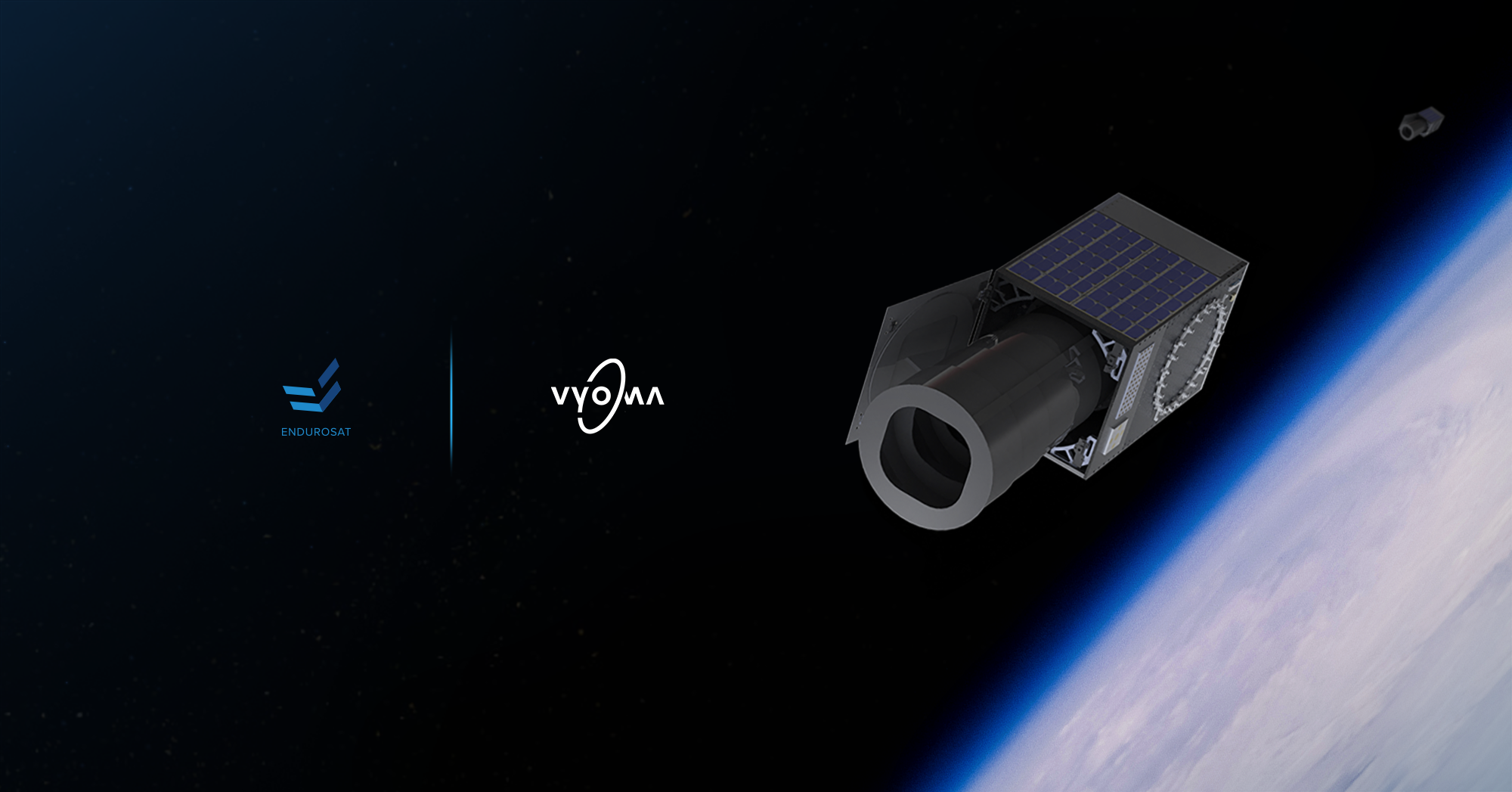
German startup Vyoma has ordered two pilot satellites from Bulgarian cubesat specialist EnduroSat for its proposed space debris-monitoring constellation. The satellites, based on a microsatellite platform, will be launched to low Earth orbit (LEO) by the end of 2024. Vyoma aims to track and catalog LEO objects larger than 10 centimeters, supplementing existing space situational awareness (SSA) data. The company plans to eventually track objects as small as one centimeter using satellites that can operate in a semi-autonomous surveillance mode. Vyoma intends to deploy a constellation of 12 satellites by 2026. The venture has raised over €10 million ($11 million) for its plans, with French aerospace giant Safran joining as an investor.

space2 years ago

NorthStar partners with Rocket Lab for satellite launch mission.

NorthStar Earth and Space has signed a multi-launch deal with Rocket Lab to deploy its space situational awareness (SSA) satellites after Virgin Orbit's bankruptcy. Rocket Lab will launch the first four satellites this fall on an Electron rocket, with another two missions of four satellites that could start launching as early as next year. NorthStar's SSA system is designed to track objects as small as five centimeters in LEO and 40 centimeters in geostationary orbit. The agreement with Spire includes options for up to 30 satellites, which would enable the SSA platform to track these objects more frequently.