Tag

Space Traffic Management

All articles tagged with #space traffic management

science-and-technology10 days ago

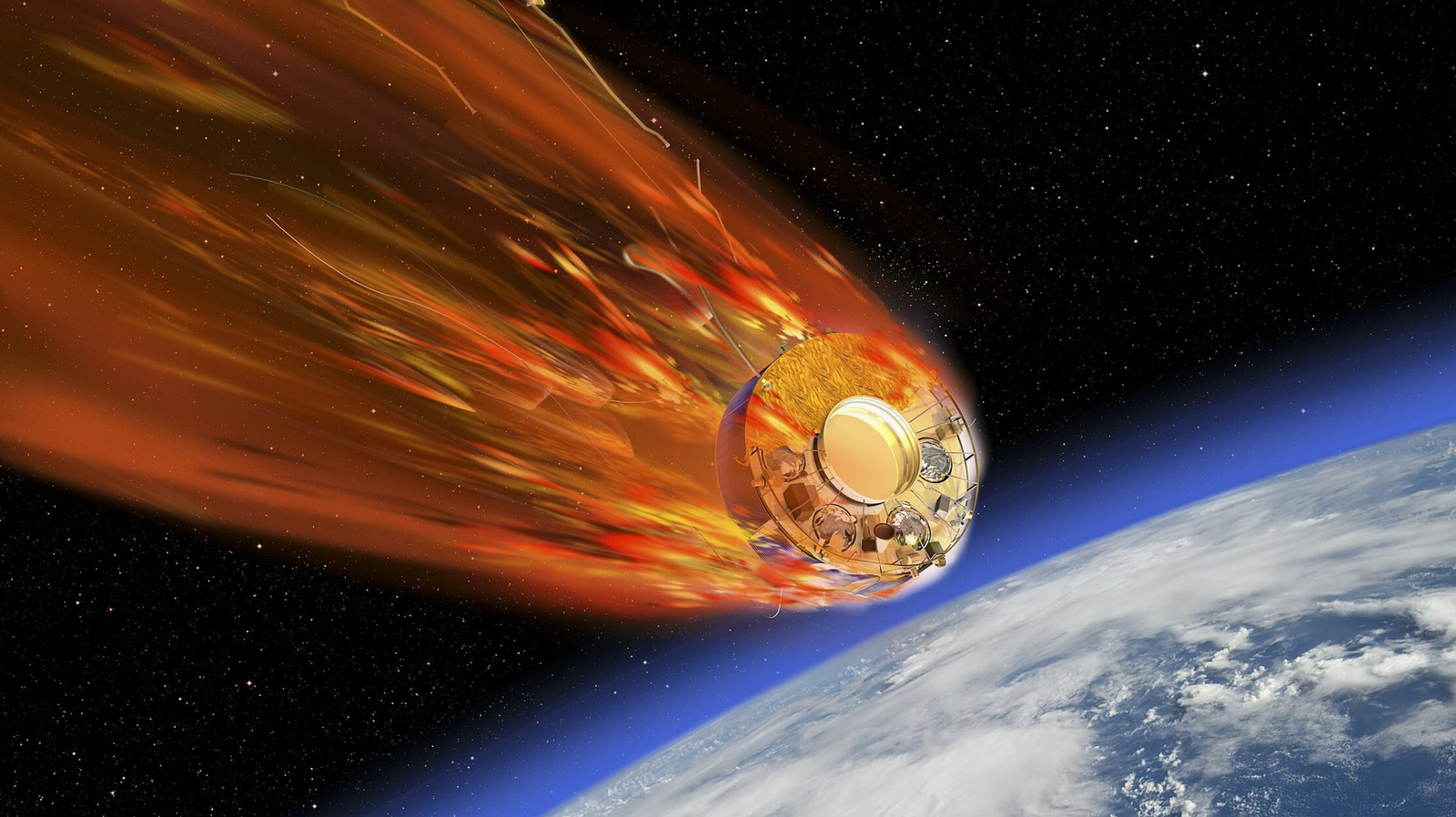
Rising Space Debris Threats and China's Spaceflight Advances

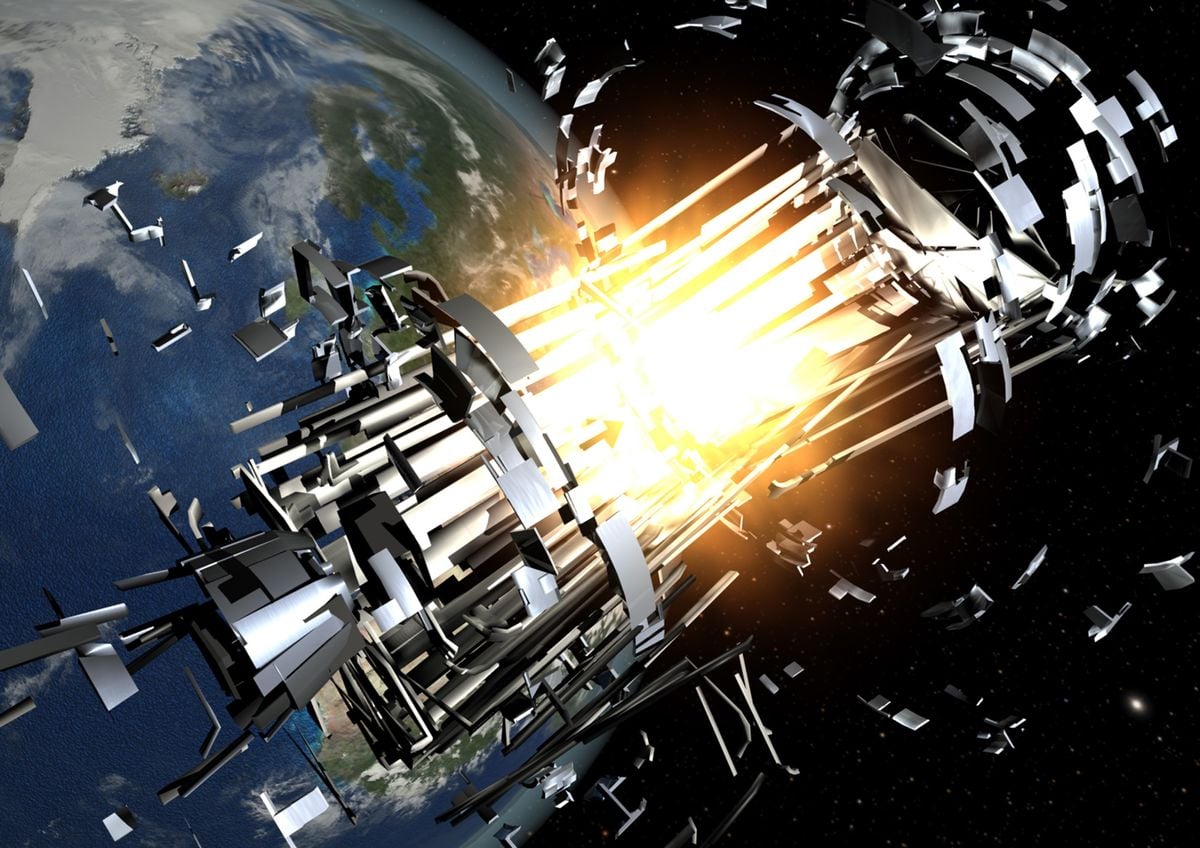
The article discusses the increasing risk of space debris hitting airplanes, highlighting the challenges in predicting re-entry of space junk, recent incidents like China's Long March 5B re-entry, and efforts to improve safety through better prediction models, international coordination, and standards, while reassuring that the probability of a collision remains very low.

science3 months ago

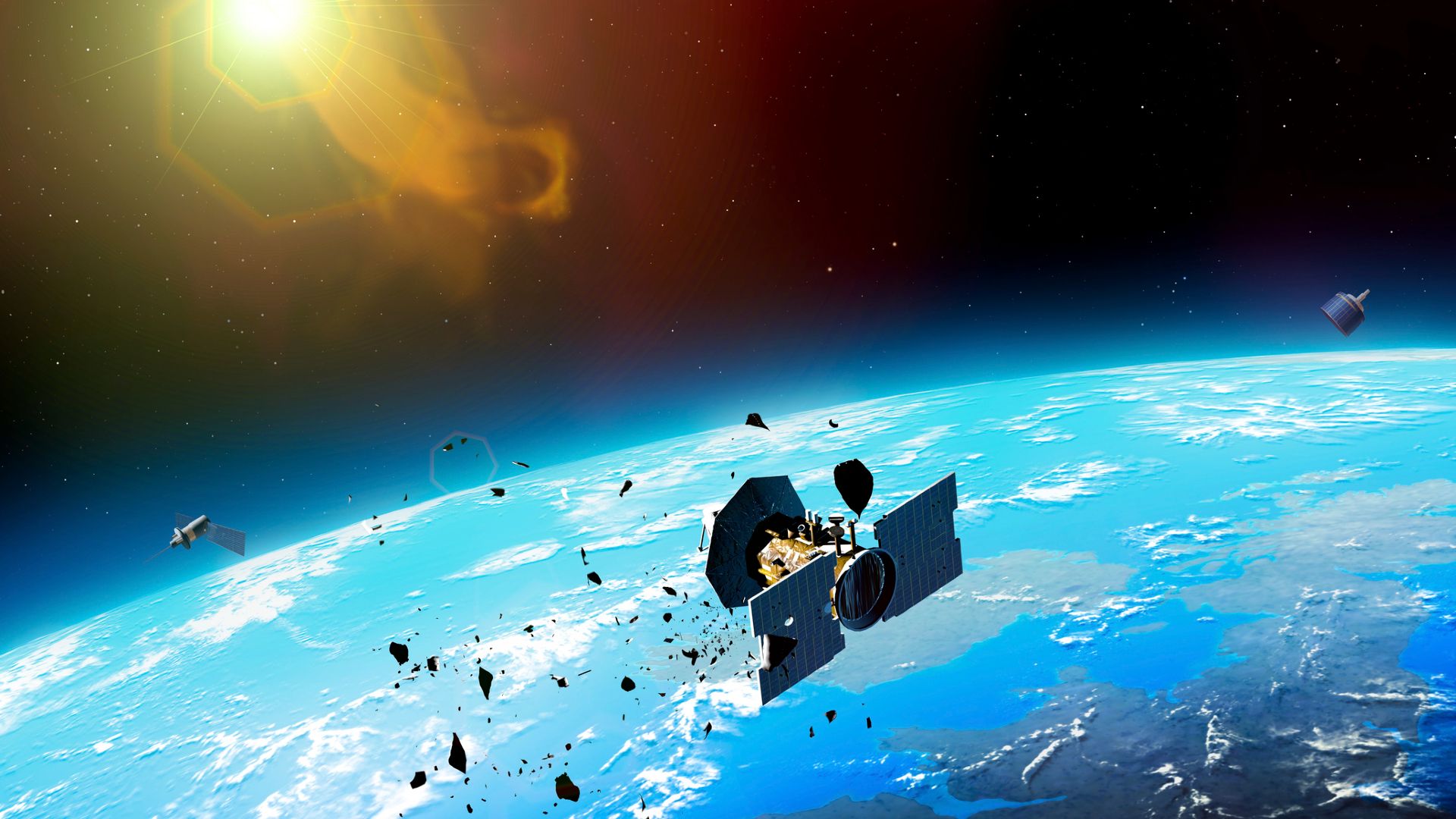
Rising Spacecraft Crashes Spark Urgent Concerns

The article discusses the increasing frequency of space debris re-entering Earth's atmosphere, the lack of effective international regulation and coordination for space traffic, and the growing risks posed by congested orbits, especially with the rise of commercial satellite constellations like SpaceX's Starlink, highlighting the urgent need for updated treaties and management frameworks.

space-technology1 year ago

"Neuraspace Launches Free Space Traffic Management Service"

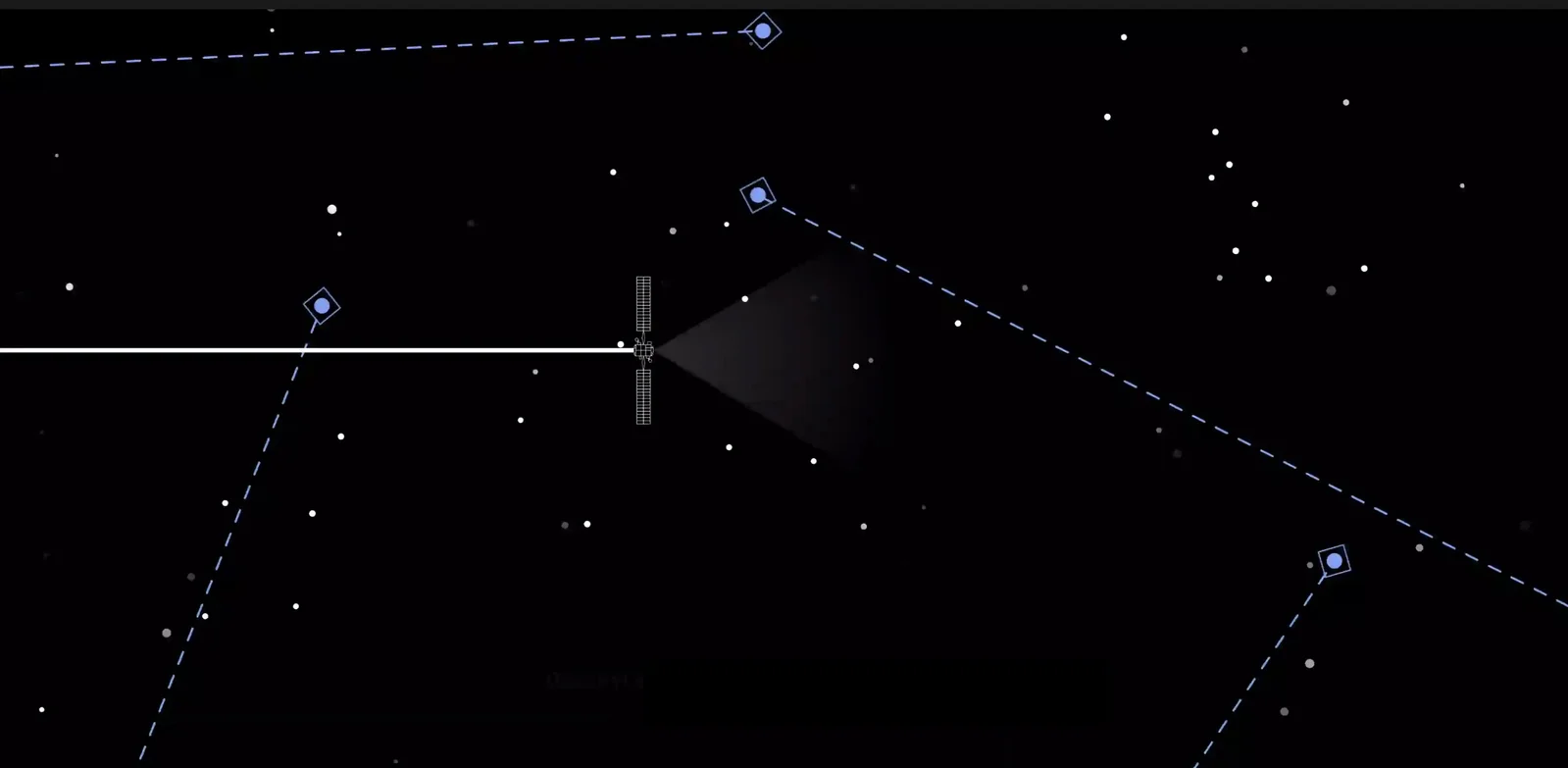
Portuguese startup Neuraspace has launched a free version of its space traffic management platform, providing real-time satellite position data and conjunction alerts to operators in an effort to promote collaboration and transparency in crowded orbits. The platform, called SYNC, offers a chat room for operators to discuss collision risk and is already being used by operators responsible for over 250 satellites. Neuraspace also offers a premium version with collision avoidance maneuver suggestions and more powerful analysis tools, aiming to streamline workflows and minimize disruption risks for operators while seeking customers in satellite manufacturing and insurance markets.

space2 years ago

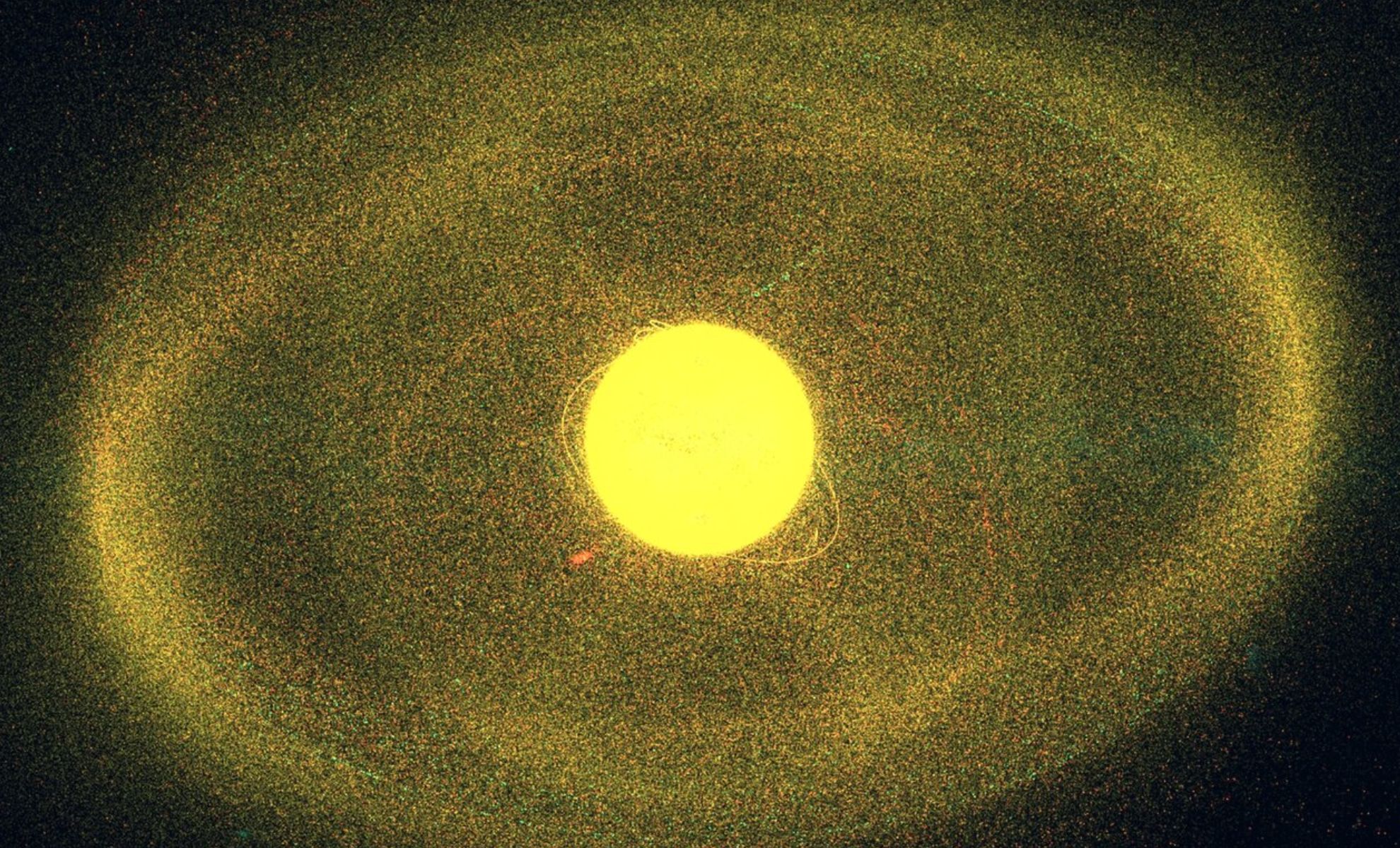
The Dangers of Evasive Maneuvers and Satellite Collision Risks

Researchers have found that attempting to avoid satellite collisions in orbit actually increases the risk of future collisions due to the limitations of current space traffic management methods. After each avoidance maneuver, operators and space traffic observers have only a rough idea of the satellite's actual location, leading to inaccurate collision predictions for several days. With the increasing number of satellites in space, such uncertainties pose a significant concern. For example, SpaceX's Starlink internet megaconstellation had to perform 25,000 collision avoidance maneuvers in a six-month period, and this number is expected to double as the constellation grows. Inaccurate data after each maneuver could lead to devastating crashes, as demonstrated by the 2009 collision between the U.S. satellite Iridium 33 and Russia's Kosmos-2251. To address this issue, commercial companies are developing platforms that incorporate data about maneuvers to improve accuracy and timeliness of collision predictions.