Japanese company ispace's second lunar lander, Resilience, crashed due to a hardware problem with its laser rangefinder, which failed to provide timely altitude data during descent, leading to a high-velocity impact near the planned landing site. The company plans to improve sensor testing and consider alternative technologies for future missions scheduled for 2027.
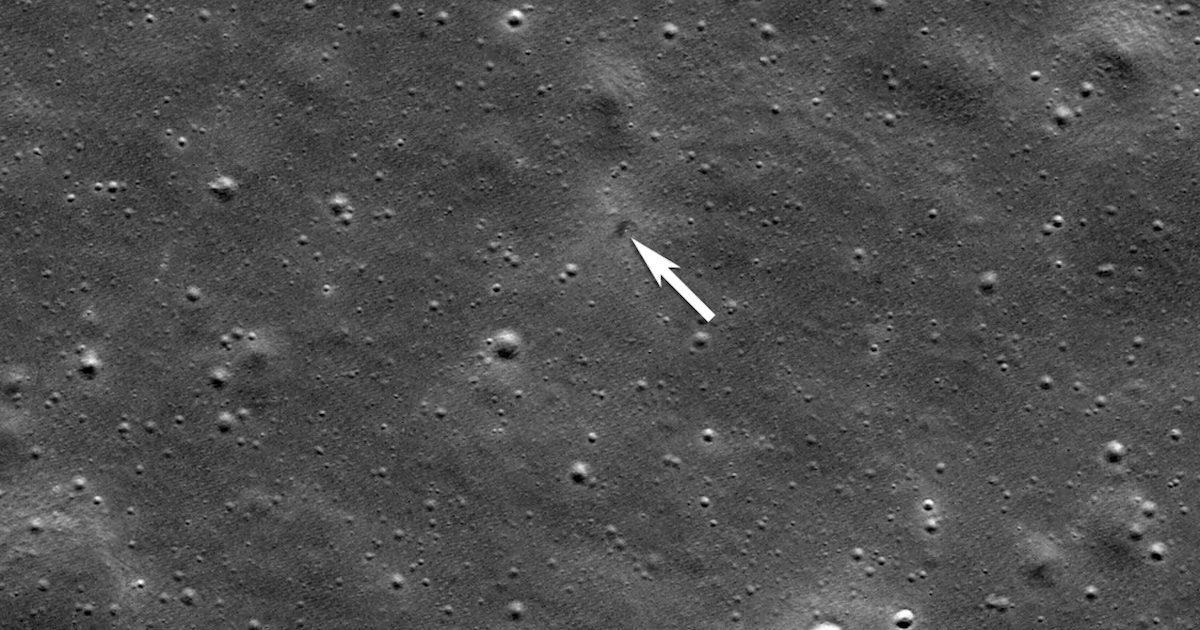
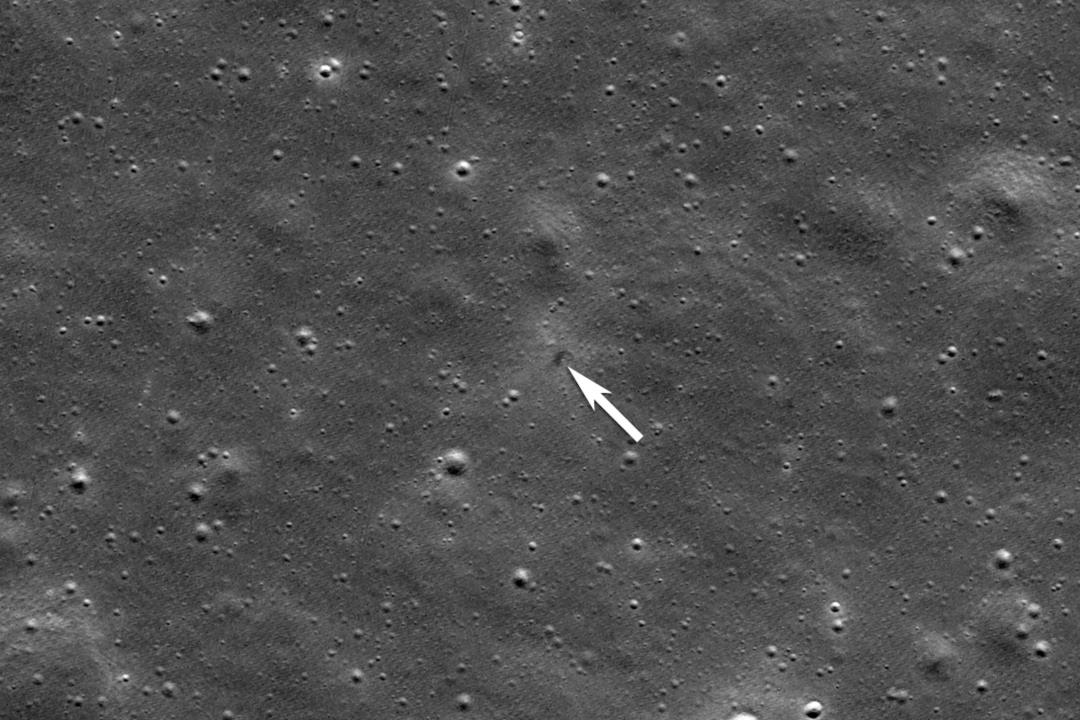
NASA's Lunar Reconnaissance Orbiter captured images of the crash site of Japan's ispace Resilience lunar lander in Mare Frigoris, showing a dark mark and halo caused by lunar dust, after its failed descent earlier this month. ispace plans to investigate the failure and continues to pursue future lunar missions.
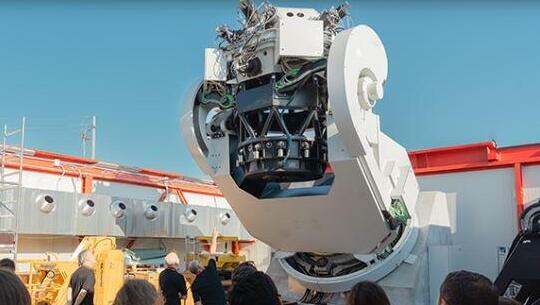
iSpace's lunar lander failed to communicate after a landing attempt on the Moon, marking its second failure, but the company plans future missions. Meanwhile, ESA's FLYEYE telescope has begun operations to detect potentially hazardous asteroids, and new research suggests the Milky Way and Andromeda galaxies might not collide as previously thought, due to gravitational influences and uncertainties in their trajectories.
NASA's Lunar Reconnaissance Orbiter captured images of the crash site of a Japanese company's lunar lander, Resilience, which collided with the Moon in Mare Frigoris, marking its second failure in two years. The company plans to hold a news conference to discuss the mission failure.
The article discusses the recent failure of ispace-Japan's Resilience lunar lander, emphasizing the importance of transparency, learning from setbacks, and industry collaboration to advance the lunar economy and future space missions. Despite the unsuccessful landing, ispace commits to openness, technical improvements, and fostering a community effort to achieve reliable lunar exploration.
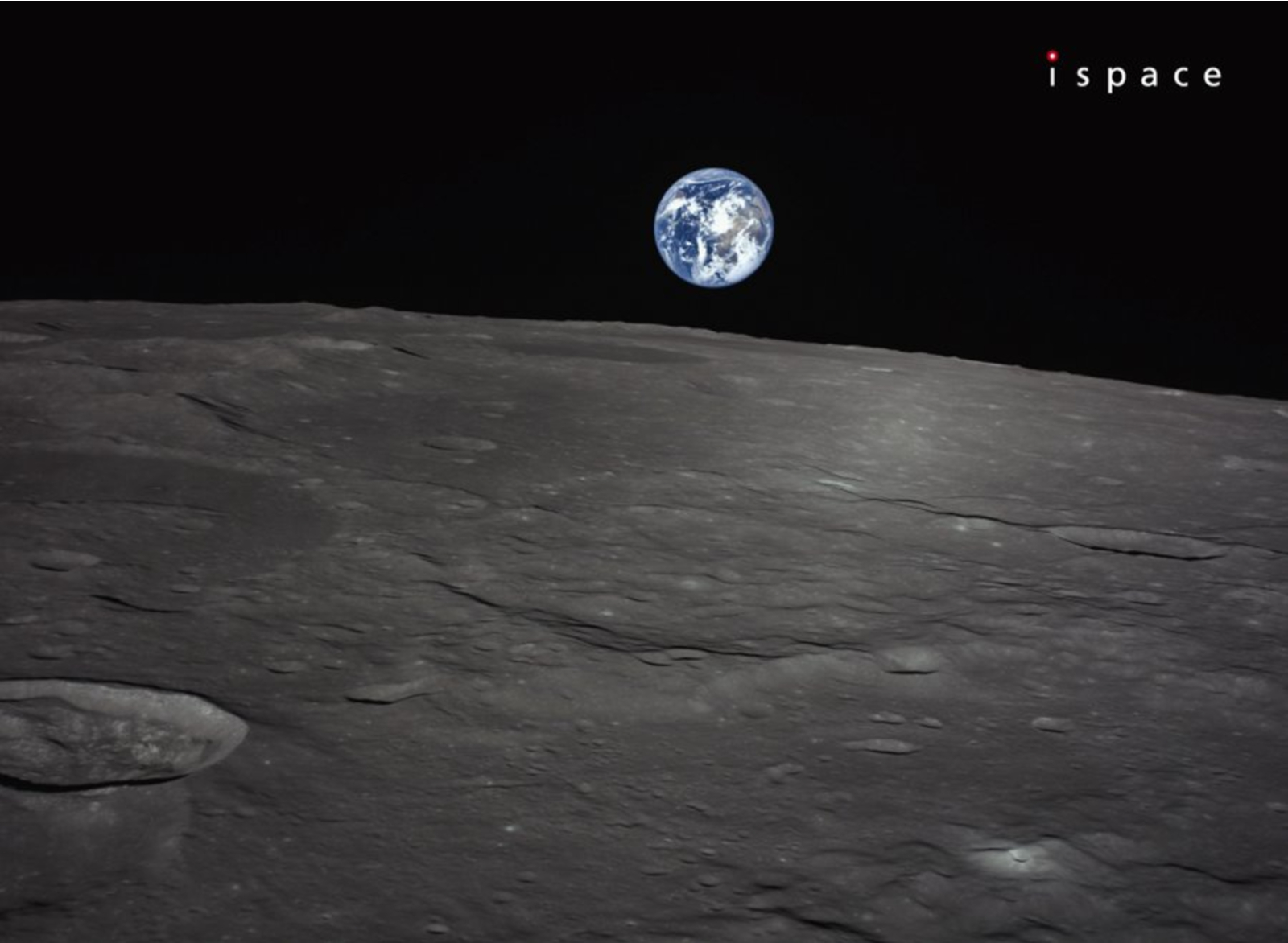
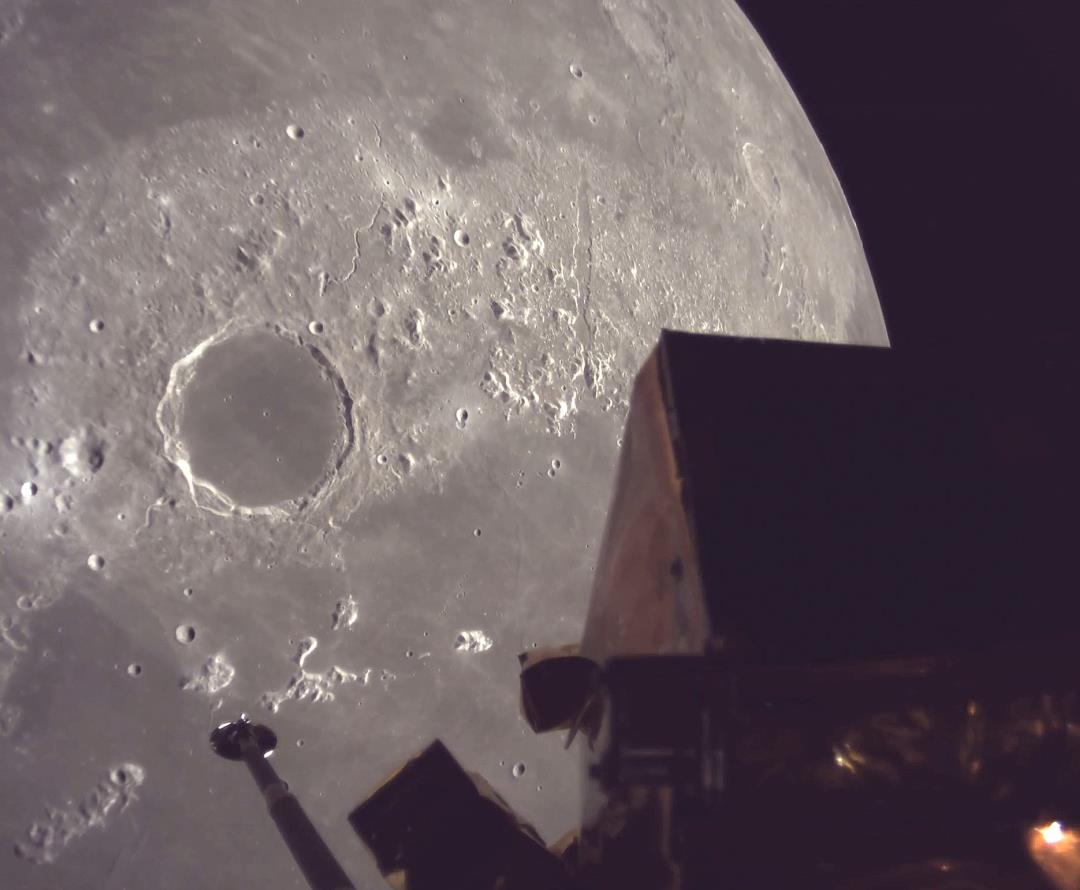
The Japanese company ispace's lunar lander Resilience, part of the Hakuto-R Mission 2, captured a stunning view of Earth from lunar orbit before likely crashing on the moon during its scheduled landing, marking a setback in private lunar exploration efforts.
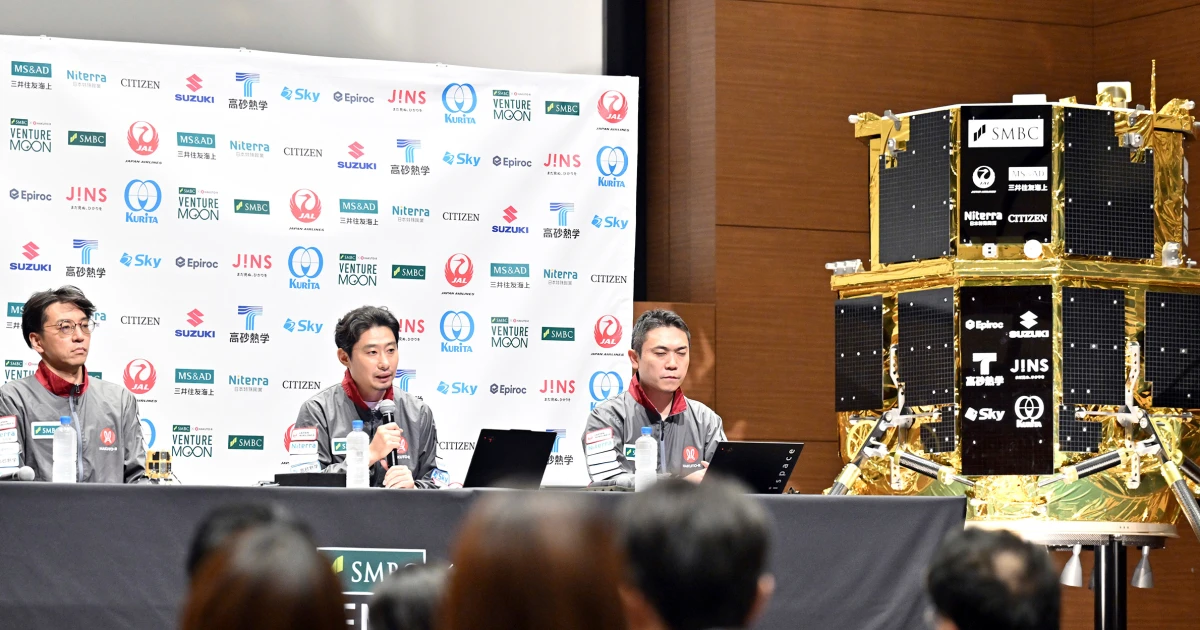
A private Japanese company, ispace, experienced its second consecutive failure in attempting a lunar landing with the Resilience lander, which crashed on the Moon due to a malfunction in its laser distance measurement device, ending its mission prematurely. Despite the setbacks, ispace plans to launch more missions in 2027 with an upgraded lander.
A Japanese private lunar lander from ispace crashed during its attempt to land on the moon, marking the second failed mission for the company, which aims to advance commercial lunar exploration despite setbacks.
A Japanese private lunar lander from ispace crashed during its attempted touchdown on the moon, marking the second failed mission for the company. Despite technical issues with altitude measurement and a faster-than-expected descent, ispace plans to continue its lunar exploration efforts, aiming for future missions including a larger lander in 2027.
Japanese company ispace's second lunar lander, Resilience, likely crashed during its moon touchdown attempt, marking another setback in Japan's commercial lunar efforts, though the company remains committed to future missions and the U.S.-led Artemis program.
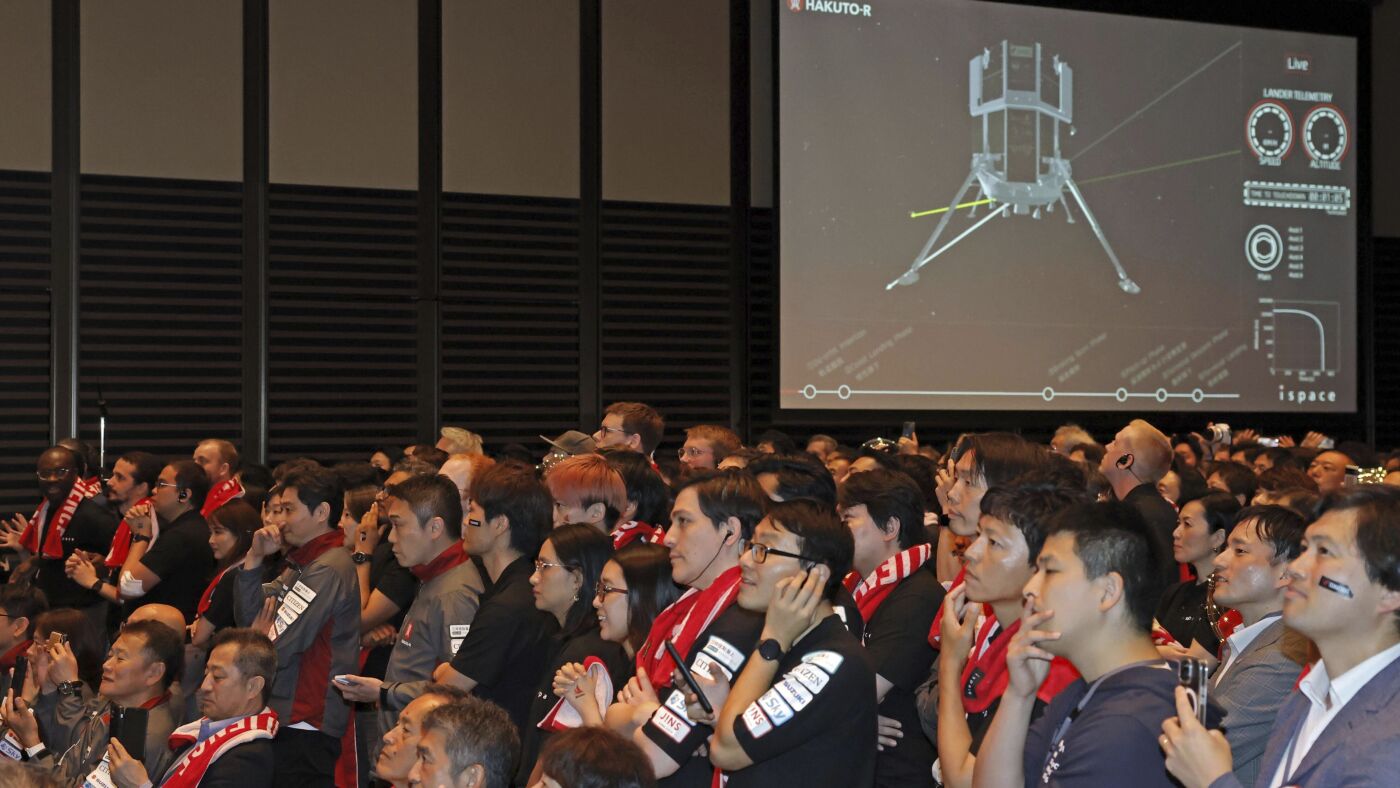
A Japanese company's attempt to land its lunar spacecraft, Resilience, on the moon likely ended in failure after losing communication, marking a setback in its efforts to establish a commercial presence on the moon and support future human exploration.
The Japanese private lunar lander Resilience, developed by Ispace, attempted a moon landing but lost contact with mission control, raising concerns about its success. This mission is part of a broader international effort to explore the moon, with Resilience carrying scientific payloads and art pieces, and aiming to demonstrate private sector capabilities in lunar exploration.
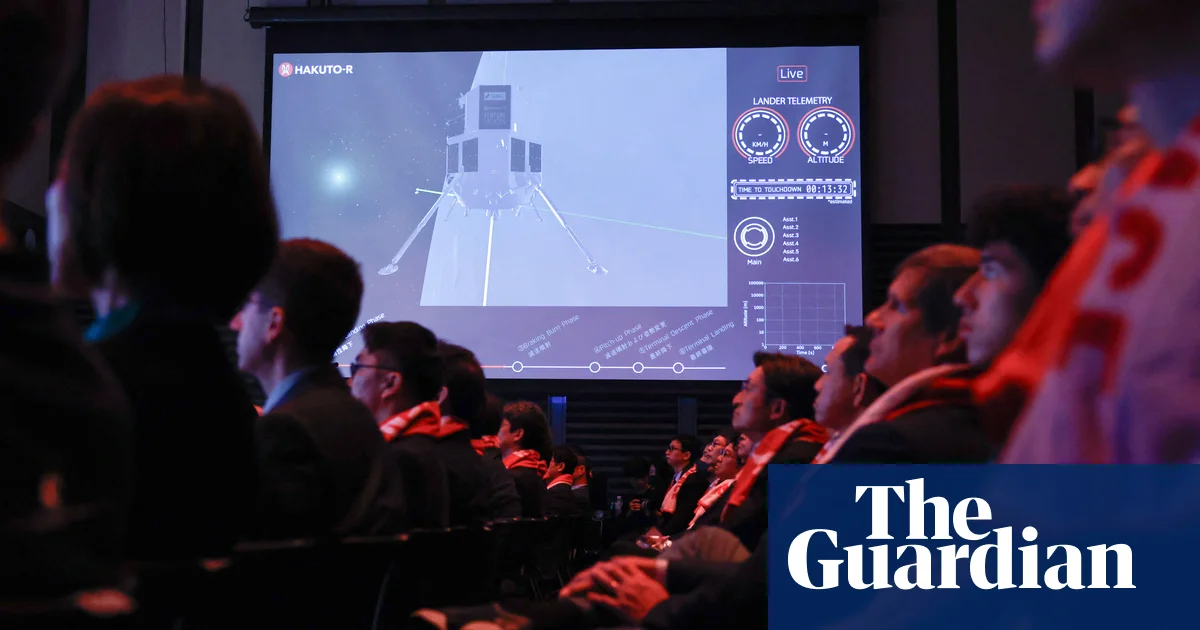
Japanese startup ispace is attempting its second historic Moon landing with its Resilience lander, aiming for a successful touchdown on the lunar surface, with live updates available on the progress.
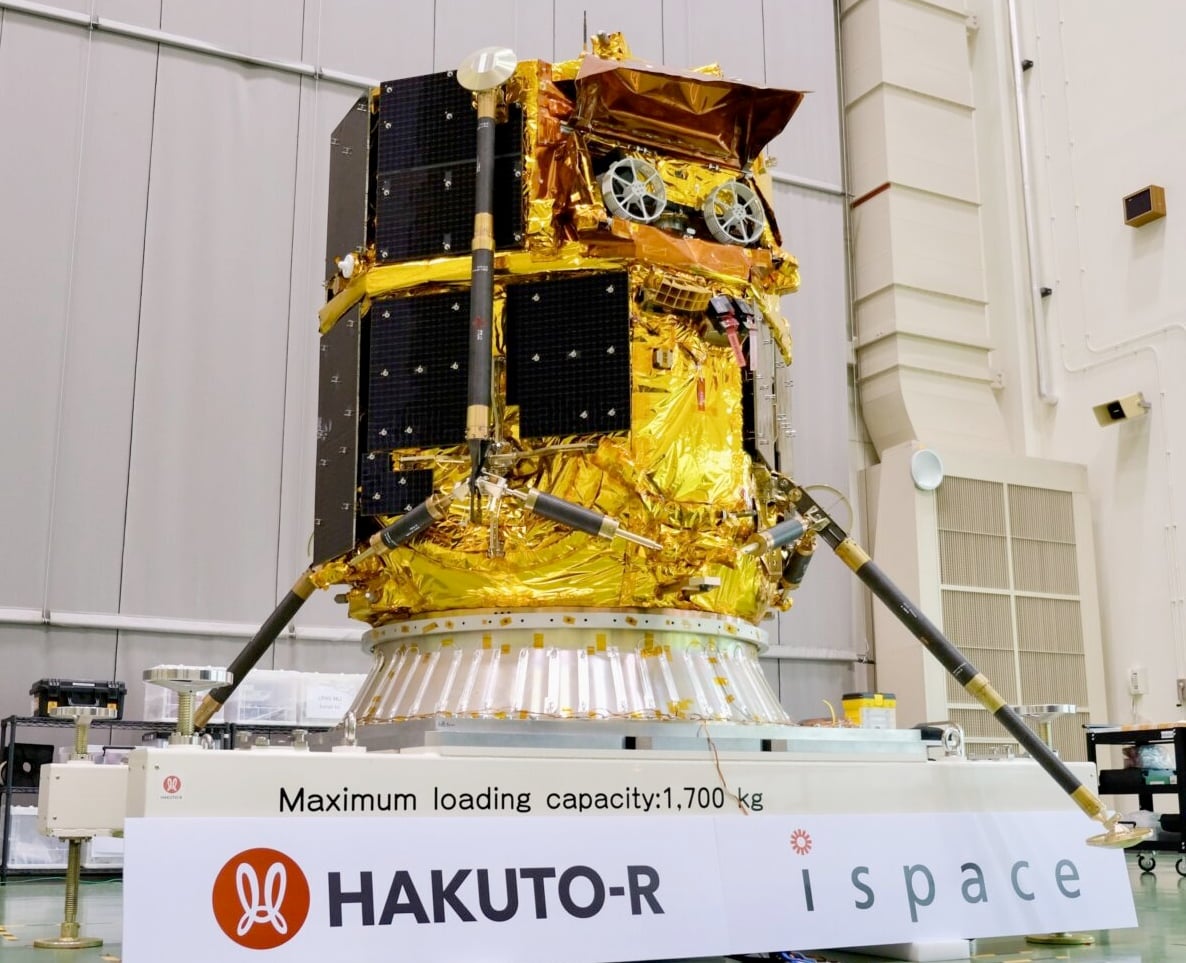
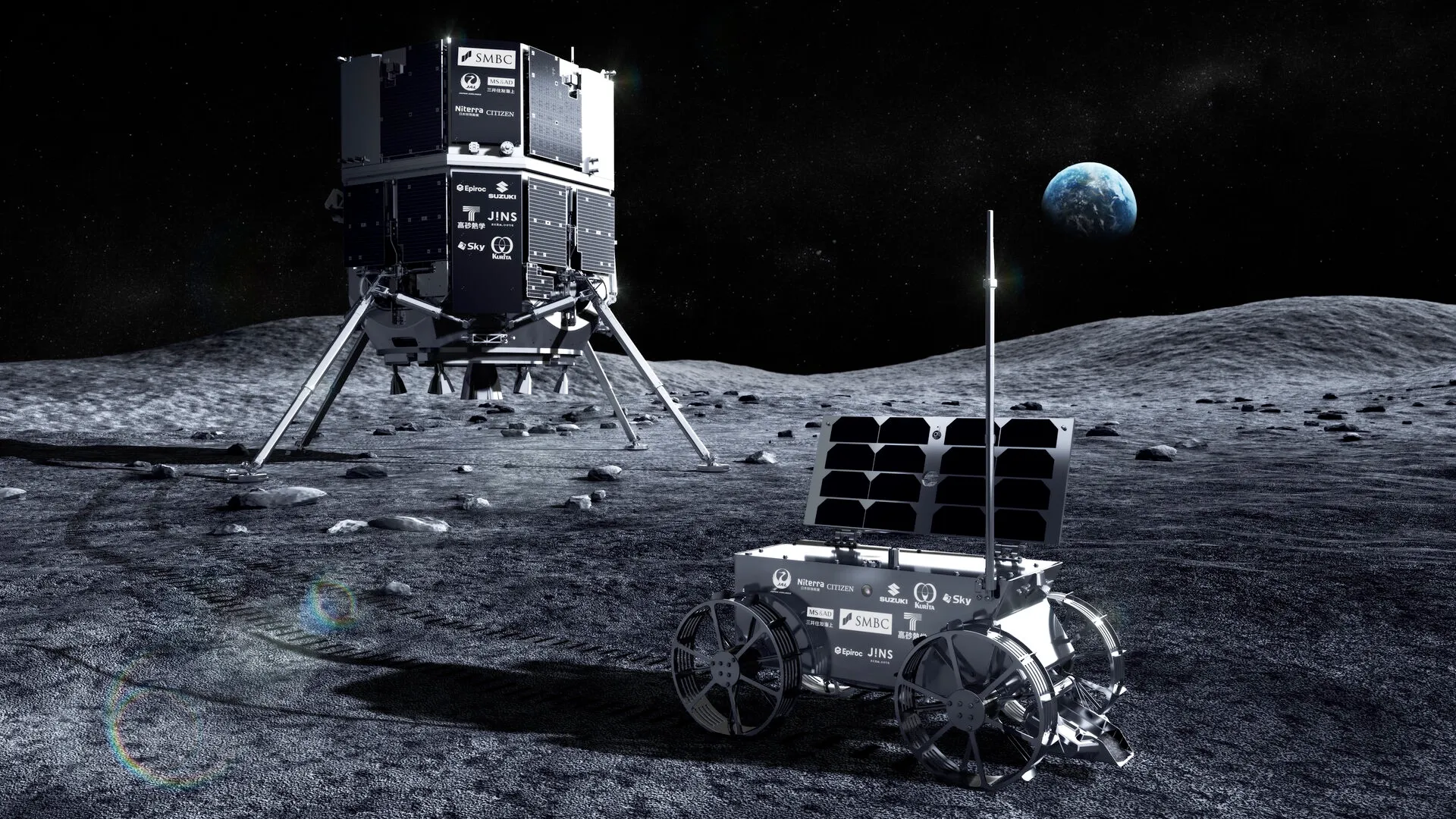
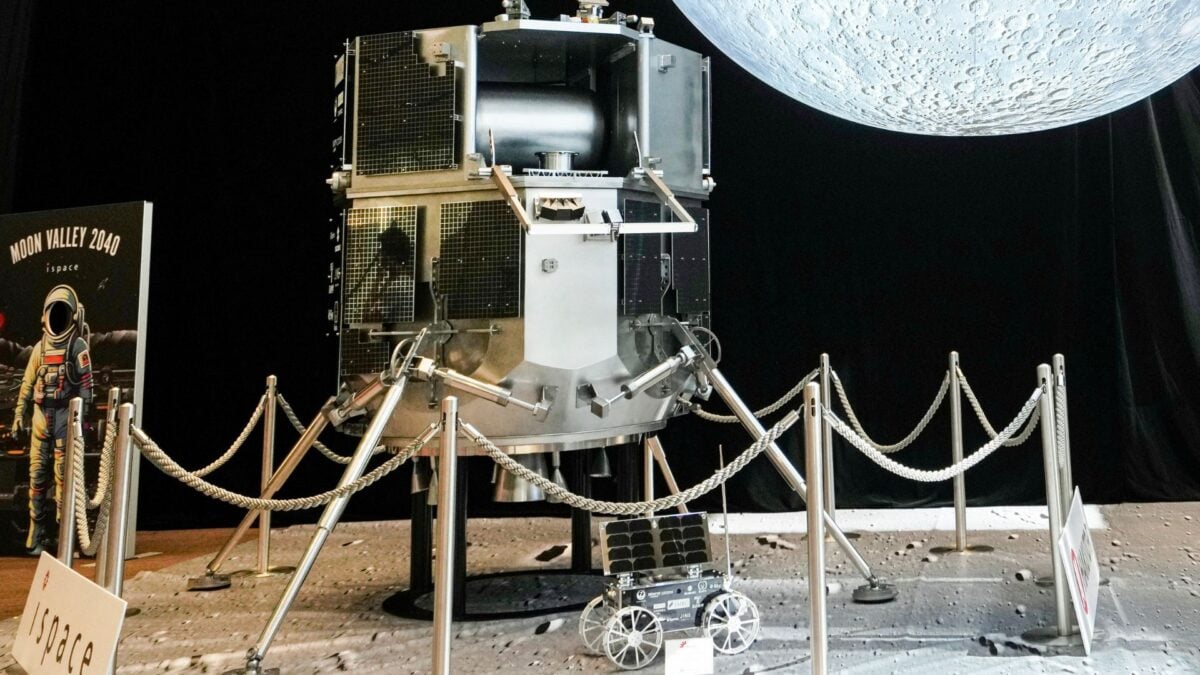
A Japanese private company, ispace, is attempting a lunar landing in the north of the moon with its lander Resilience and a mini-rover named Tenacious, marking a significant step in the growing trend of commercial lunar exploration.
iSpace of Japan is attempting to successfully land its second lunar spacecraft, Resilience, after its first mission crashed in 2023. Resilience, which entered lunar orbit last month, is now on its way to the moon's surface, marking a significant step in private lunar exploration.