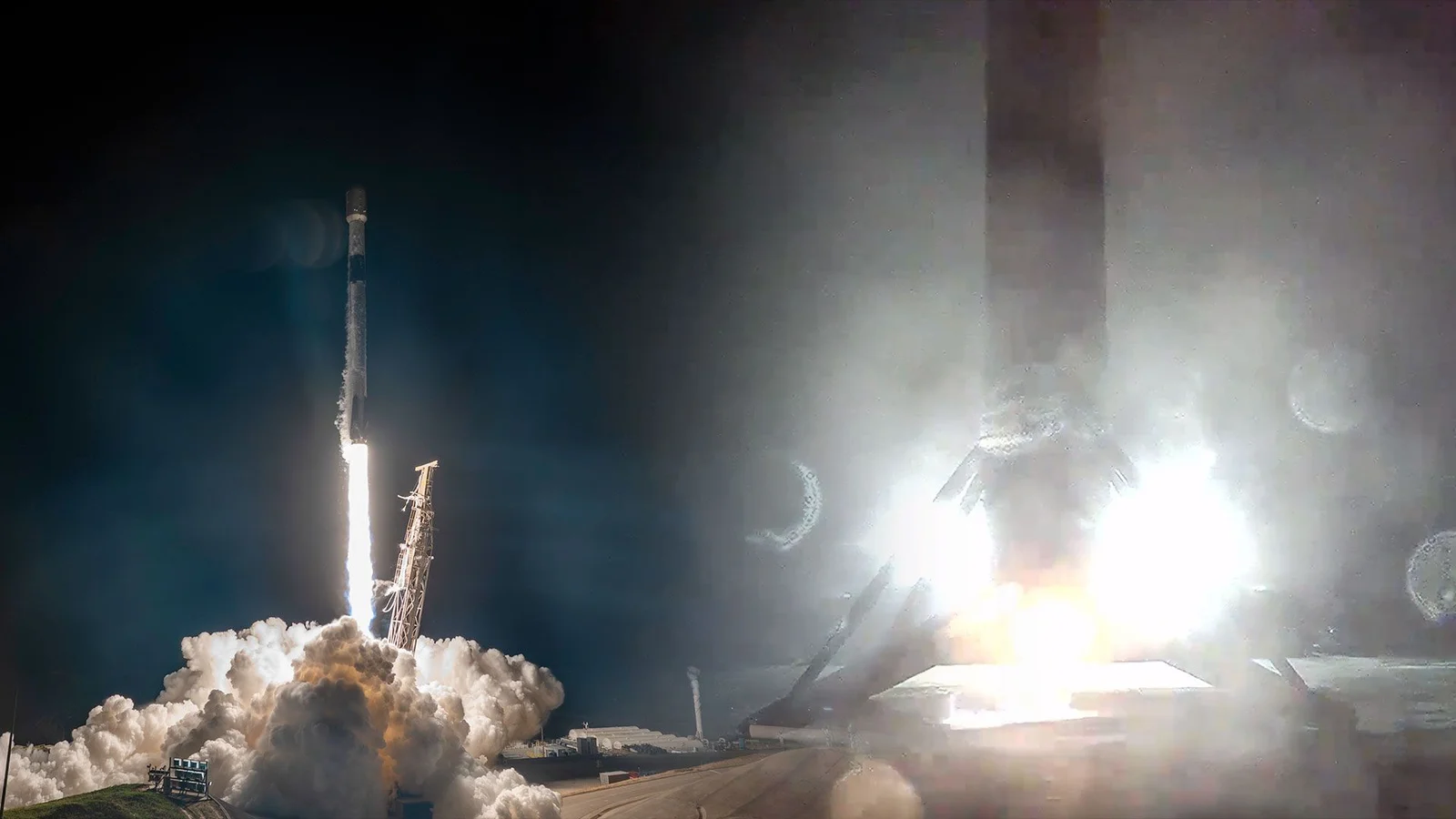
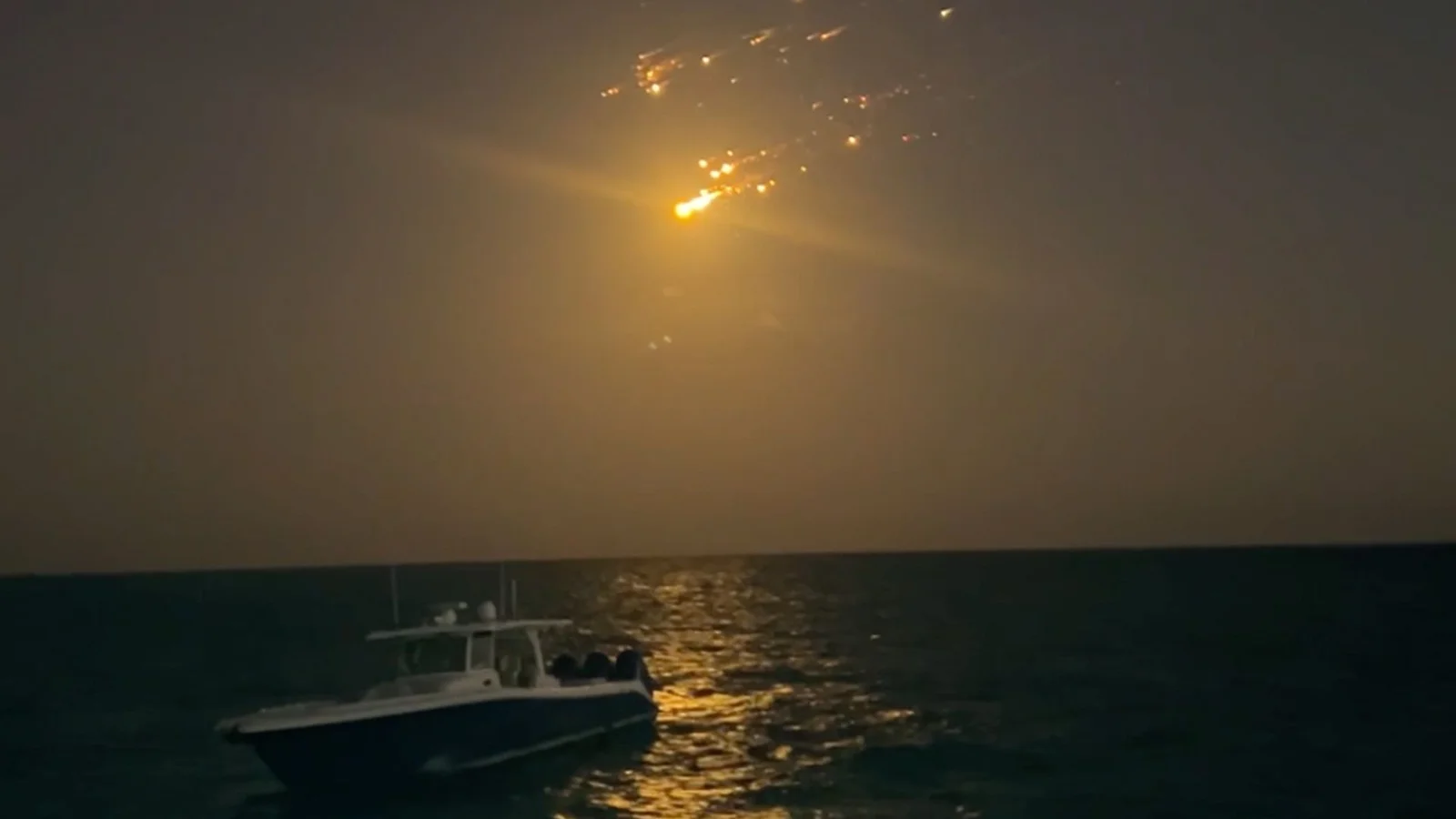
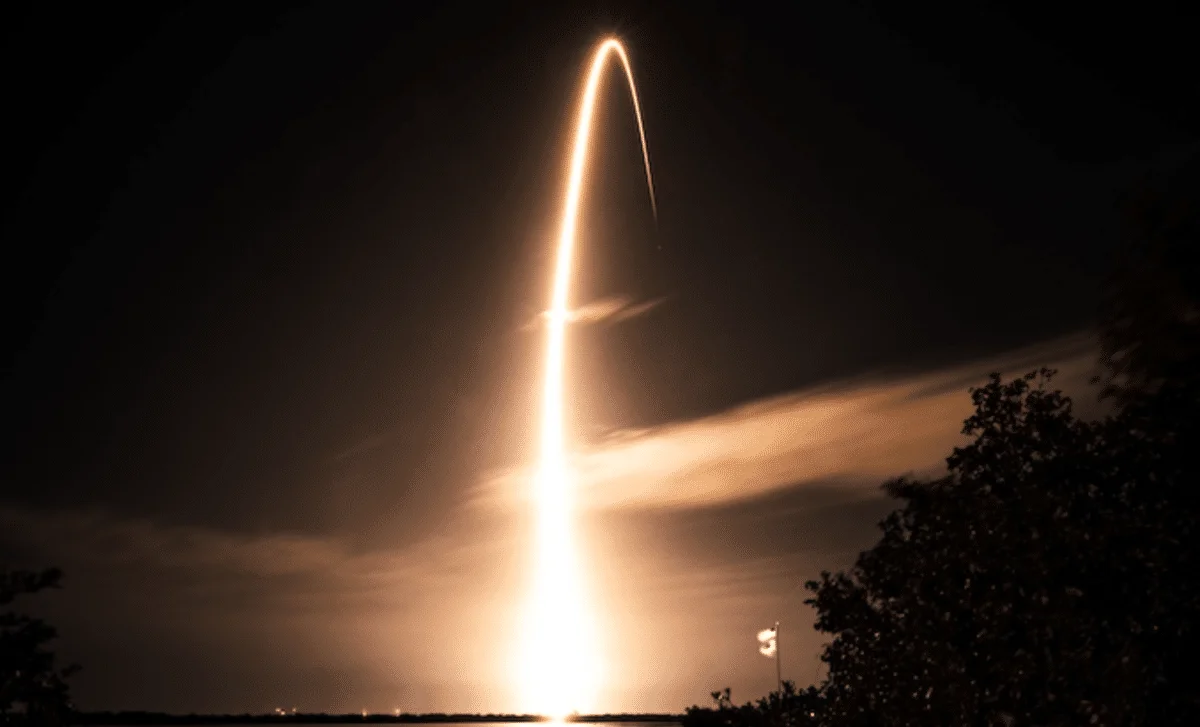
SpaceX launched a twilight Falcon 9 from Cape Canaveral, deploying 29 Starlink satellites (Starlink 6-110) into low Earth orbit; the first stage then landed on the drone ship Just Read the Instructions.
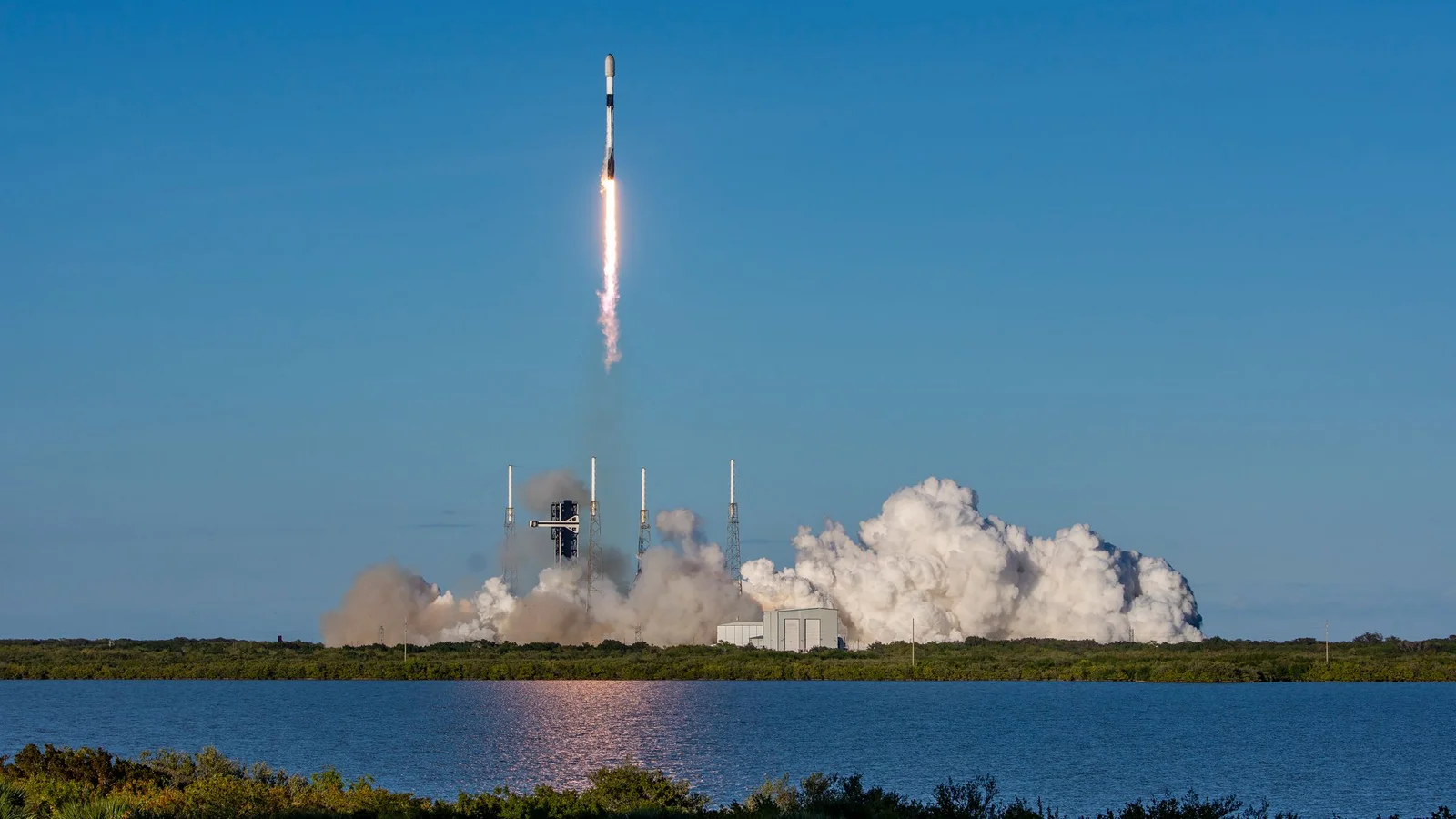
SpaceX launched two Falcon 9 missions to deploy Starlink satellites on Saturday, Feb. 21, 2026. The second booster, B1067, marked a record 33rd flight, delivering 28 satellites and returning to Earth after landing on a droneship in the Atlantic, while the first-stage booster B1063 from the California launch completed its 31st flight and landed on a Pacific droneship. Together the two launches placed a combined 53 Starlink satellites into orbit, marking SpaceX's 21st and 22nd Falcon 9 launches of the year.
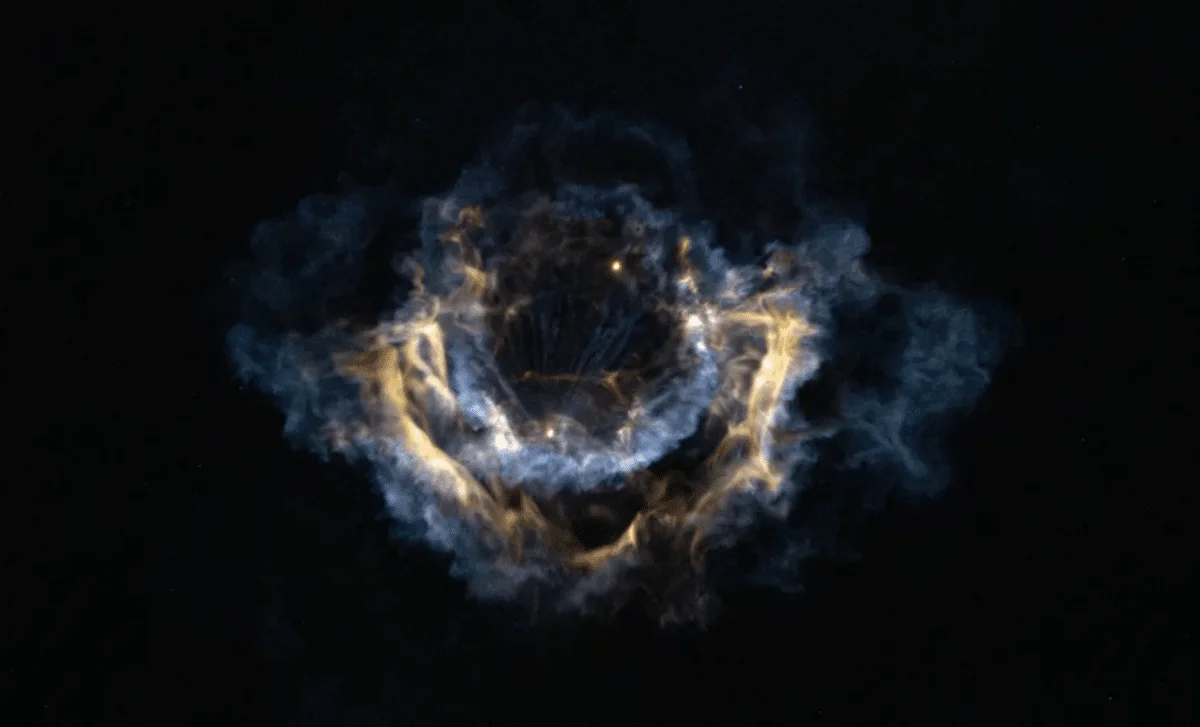
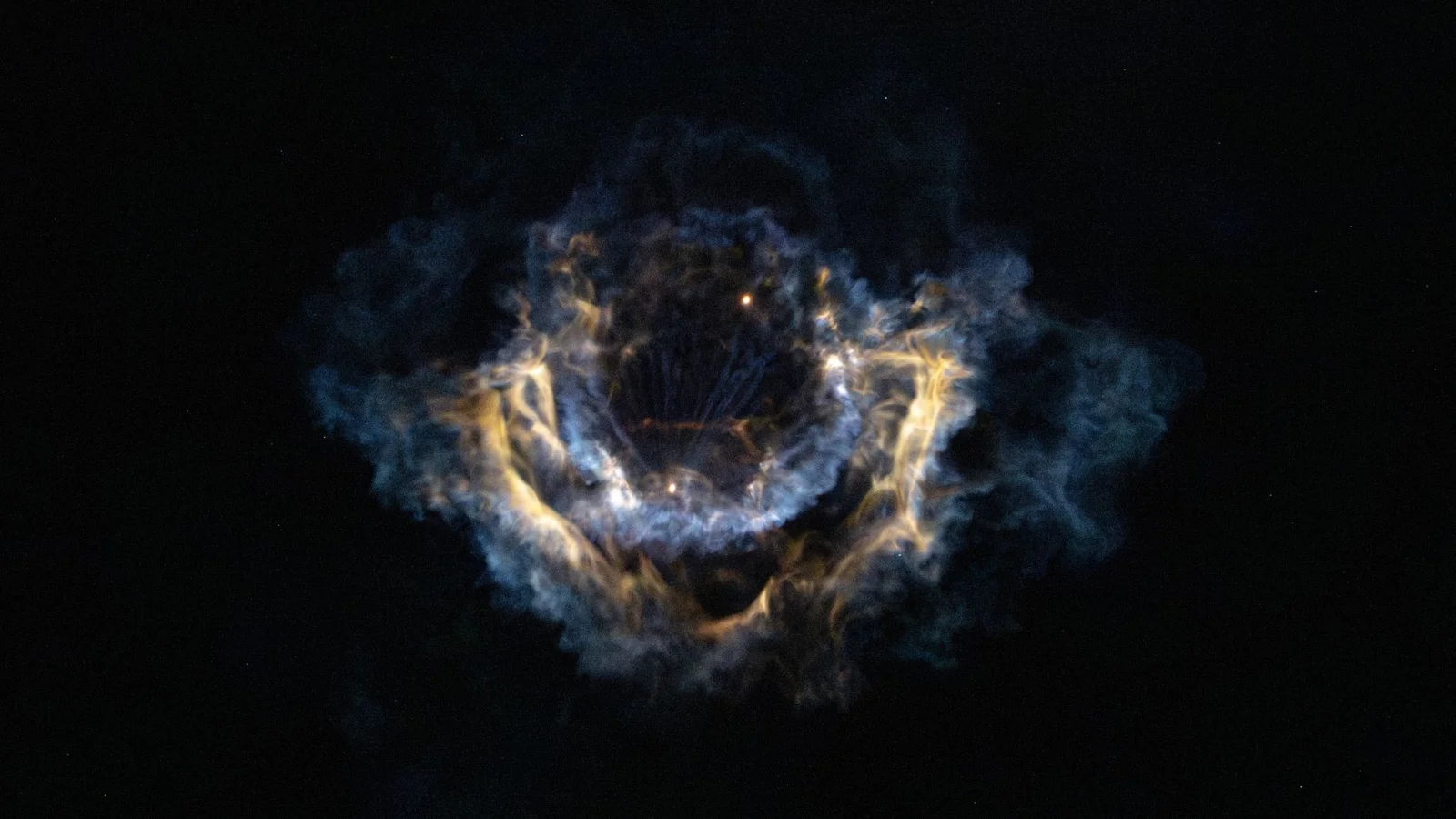
A dramatic, nebula-like plume from SpaceX's Falcon 9 during the Crew-12 launch from Cape Canaveral captures the science of rocket exhaust, while the mission's four astronauts dock with the ISS as part of NASA–SpaceX collaboration; the piece also notes the rocket's reusability and the environmental considerations of launches.
SpaceX is set to launch a Falcon 9 from Cape Canaveral with 29 Starlink satellites in a 5 p.m. ET window. If all goes to plan, the first stage will touch down on the drone ship Just Read the Instructions in Exuma Sound—the company’s second Bahamian landing—about eight minutes after liftoff, while the 29 Starlink satellites will deploy roughly 64 minutes after liftoff. The Bahamas has cleared SpaceX to resume landing rockets in Exuma Sound following last year’s debris rain.
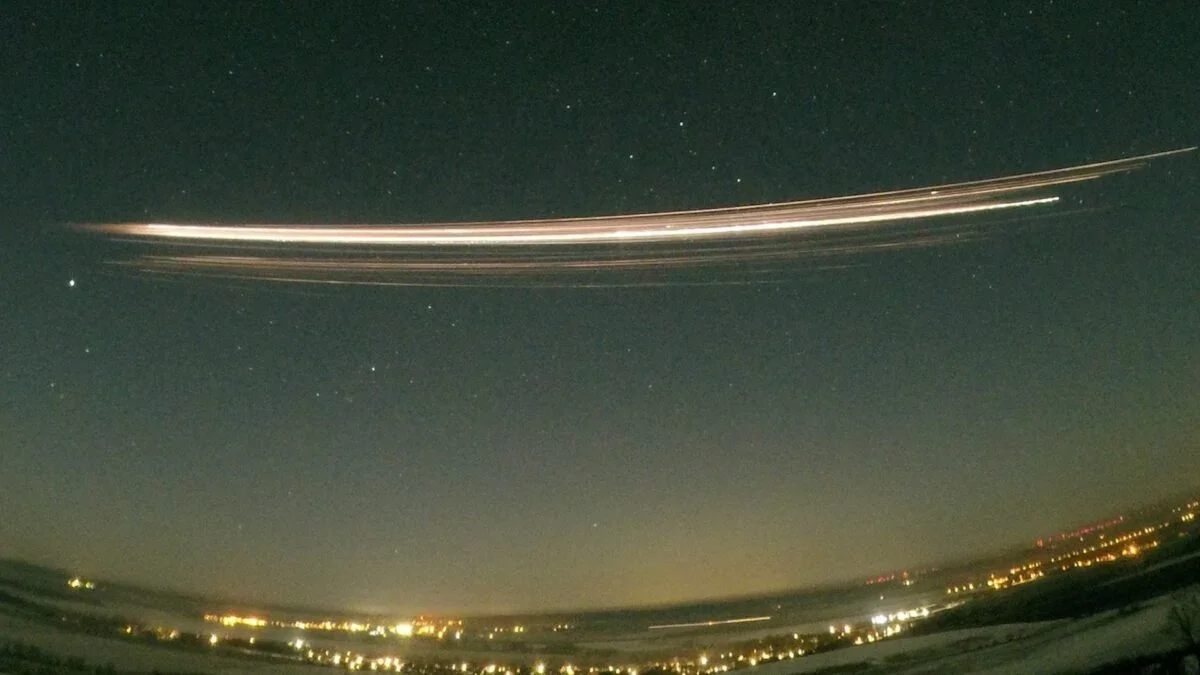
Researchers using lidar near Saxony, Germany, detected a lithium plume 58–60 miles up about 20 hours after an uncontrolled Falcon 9 reentry, with lithium concentrations roughly tenfold above background; the study, published in Nature, notes that metals from spacecraft (lithium and other alloys) may alter upper-atmosphere chemistry, but the environmental impact remains uncertain and warrants further research.
The Bahamas’ Civil Aviation Authority approved SpaceX to restart Falcon 9 first‑stage landings in Bahamian waters after regulatory and environmental reviews concluded following last year’s debris incident from a Starship test flight. Regulators said all required reviews were completed, clearing SpaceX to resume Bahamian drone‑ship landings from Florida launches, with the first Bahamian landing having occurred on Feb. 18, 2025, and SpaceX planning to return to Exuma Sound landings soon to support new orbital trajectories.
Space.com’s Space Photo of the Day captures a nebula-like jellyfish plume from SpaceX’s Falcon 9 during NASA’s Crew-12 launch to the International Space Station. Photographed from Cape Canaveral by John Kraus, the nine Merlin engines’ exhaust forms intricate, flower-like patterns as the rocket ascends. Crew-12 launched on Feb. 13, 2026, and docked with the ISS on Feb. 14 for an eight‑month stay.
SpaceX launched the Starlink 6-103 mission from Cape Canaveral before dawn on President’s Day, deploying 29 Starlink satellites into low Earth orbit with a Falcon 9 booster that landed on a droneship; weather concerns were monitored but did not prevent liftoff. It marks SpaceX’s 14th Starlink launch this year, expanding the constellation to about 9,600 satellites, and logging the 142nd drone-ship landing and the 572nd booster landing to date.
SpaceX successfully launched the Starlink 6-103 mission from Cape Canaveral, adding 29 satellites to the Starlink constellation now exceeding 9,600 satellites, despite forecasts of poor weather; the Falcon 9 booster B1090 completed its 10th flight and landed on the droneship, highlighting SpaceX’s reusability and its goal of delivering global broadband.
SpaceX launched a Falcon 9 from Vandenberg Space Force Base on Valentine’s Day, deploying 24 Starlink satellites into low-Earth orbit. The first stage is expected to land on the drone ship 'Of Course I Still Love You,' and residents in parts of California could hear sonic booms as SpaceX runs multiple launches from Vandenberg this month.
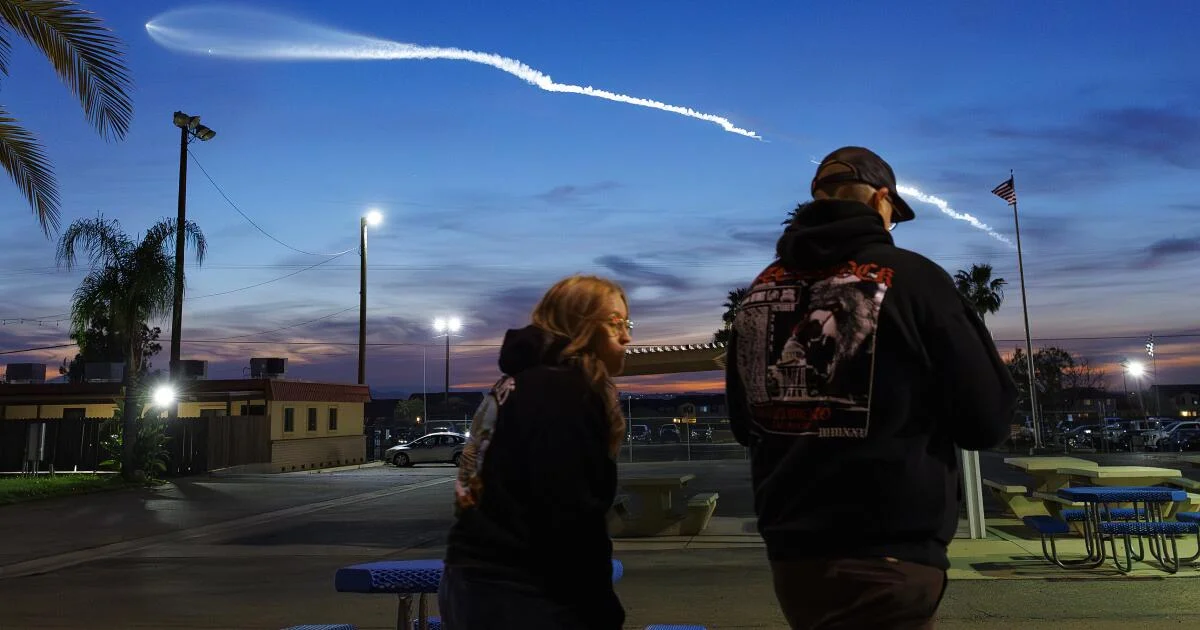
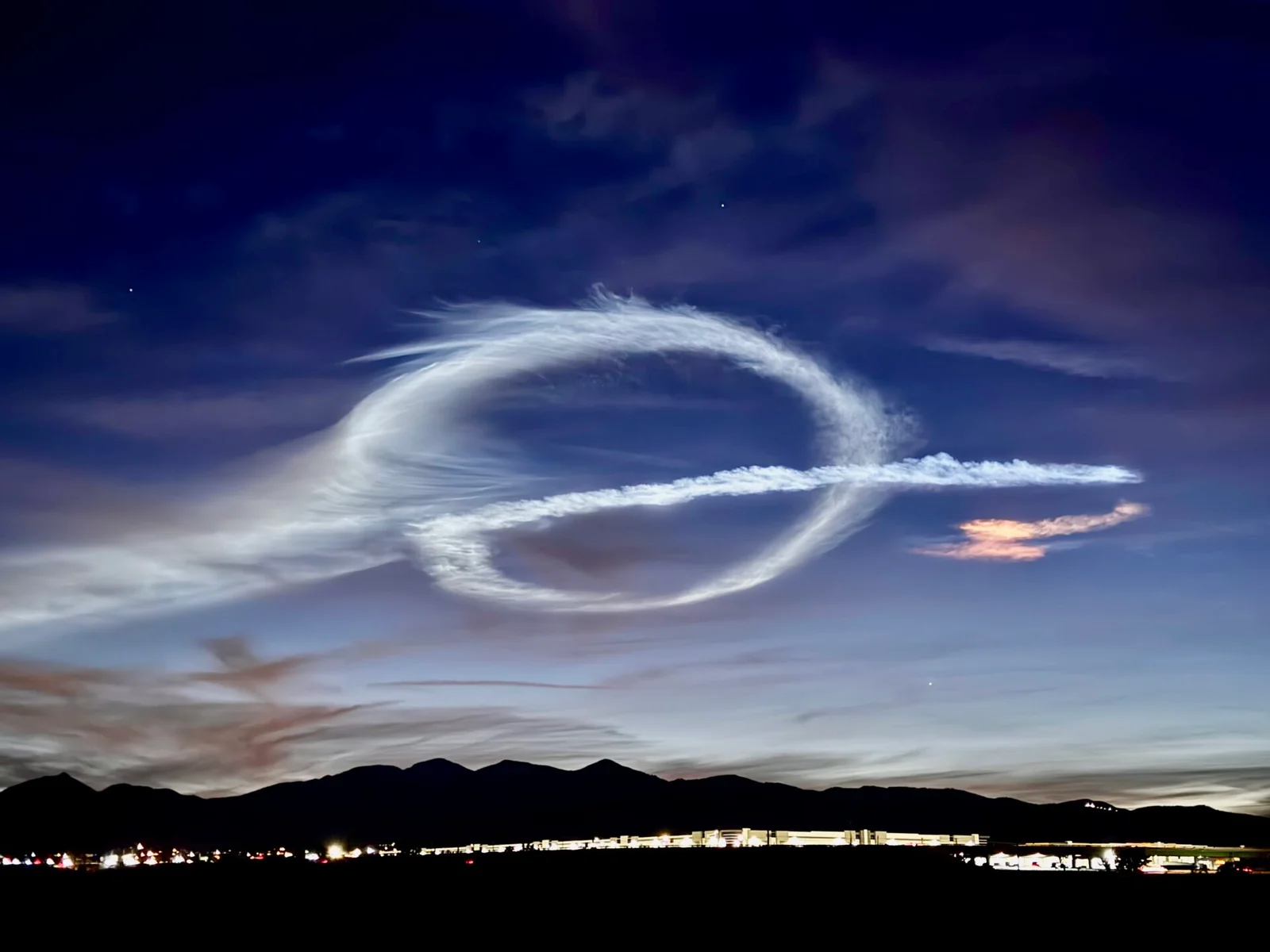
SpaceX launched a Falcon 9 rocket from Vandenberg Space Force Base carrying Starlink satellites, producing a glowing spiral plume that illuminated the Victor Valley and much of Southern California as exhaust froze at high altitude and reflected sunset light, a phenomenon often nicknamed a space jellyfish.
SpaceX marks a milestone by launching its 600th Falcon 9 rocket from Vandenberg, delivering 24 Starlink V2 Mini satellites on the Starlink 17-13 mission, with booster B1081 on its 22nd flight and a planned drone-ship landing, while the Crew Dragon Freedom arrived at the ISS earlier in the day.
Weather along the ascent corridor has postponed NASA and SpaceX’s Crew-12 launch to the ISS, with liftoff now targeted for no earlier than Feb. 12 at 5:38 a.m. EST and backups through Feb. 17 as weather models are reevaluated; a recent Falcon 9 static-fire revealed a minor valve issue that was replaced, and a dry dress rehearsal went smoothly. If Crew-12 launches on Feb. 12, ULA’s Vulcan window would be stood down. If needed, additional launch options exist through Feb. 13–17, with docking around Feb. 14 and potential longer transit times considered in scheduling.
SpaceX resumed Falcon 9 flights with a 25-satellite Starlink launch from Vandenberg Space Force Base in California, with Booster 1088 completing its 13th flight and landing on the drone ship, and the upper stage performing nominally after an earlier anomaly. FAA clearance had allowed the return to flight, and the Starlink constellation now numbers over 9,600 satellites.
SpaceX fired the Falcon 9's nine Merlin 1D engines for about 10 seconds in a static-fire test at Cape Canaveral's SLC-40 as NASA's Jessica Meir and Jack Hathaway, ESA's Sophie Adenot, and Roscosmos' Andrey Fedyaev prepare for the Crew-12 mission to the ISS aboard Crew Dragon Freedom, with launch-day rehearsals and a booster landing planned at Landing Zone 40 (booster tail number 1101).