Indian cinema is rapidly adopting AI technologies for filmmaking, from visual effects to voice cloning, democratizing film production and reducing costs, but raising concerns about emotional depth, cultural accuracy, and legal protections.
While concerns about AI relationships include potential delusions and dependency, they may also offer benefits like reducing loneliness and aiding mental health, especially for those with limited access to human interaction or therapy. Responsible development and regulation are crucial to maximize benefits and minimize harms, with the ultimate goal of AI serving as a temporary aid rather than a replacement for human connection.
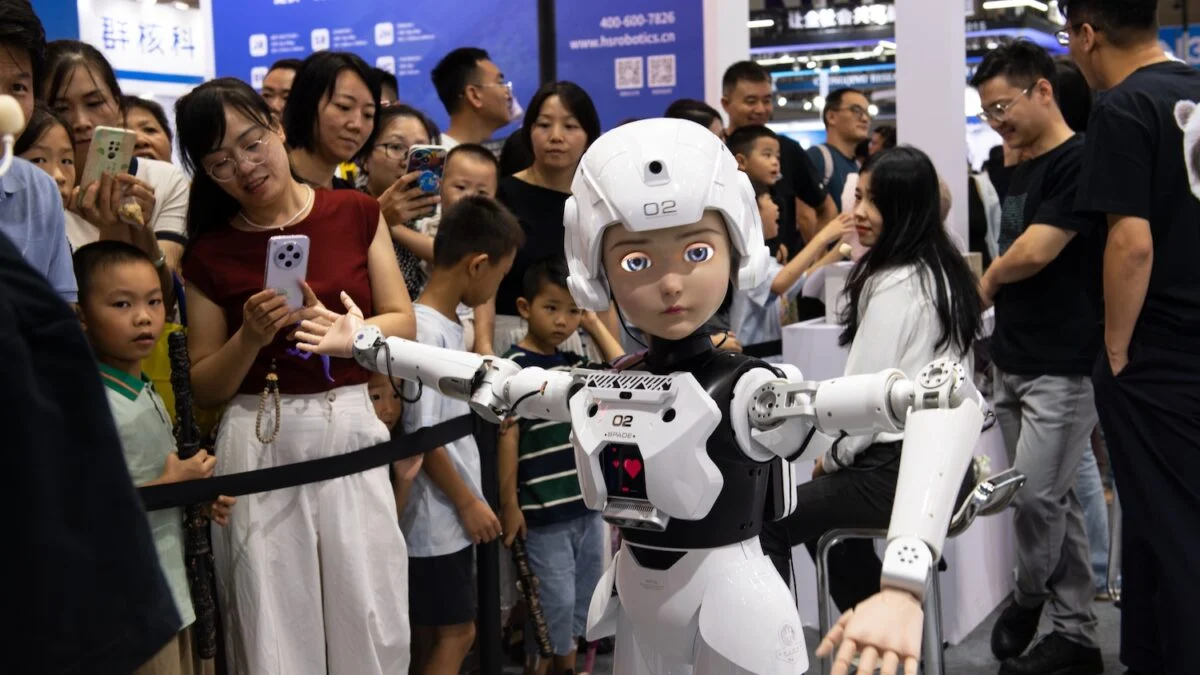
China's Central Cyberspace Affairs Commission has proposed rules for anthropomorphic AI systems, emphasizing alignment with 'core socialist values,' transparency, user data protection, and restrictions on harmful behaviors, including endangering security, spreading misinformation, and encouraging self-harm, with measures to ensure user well-being and safety.
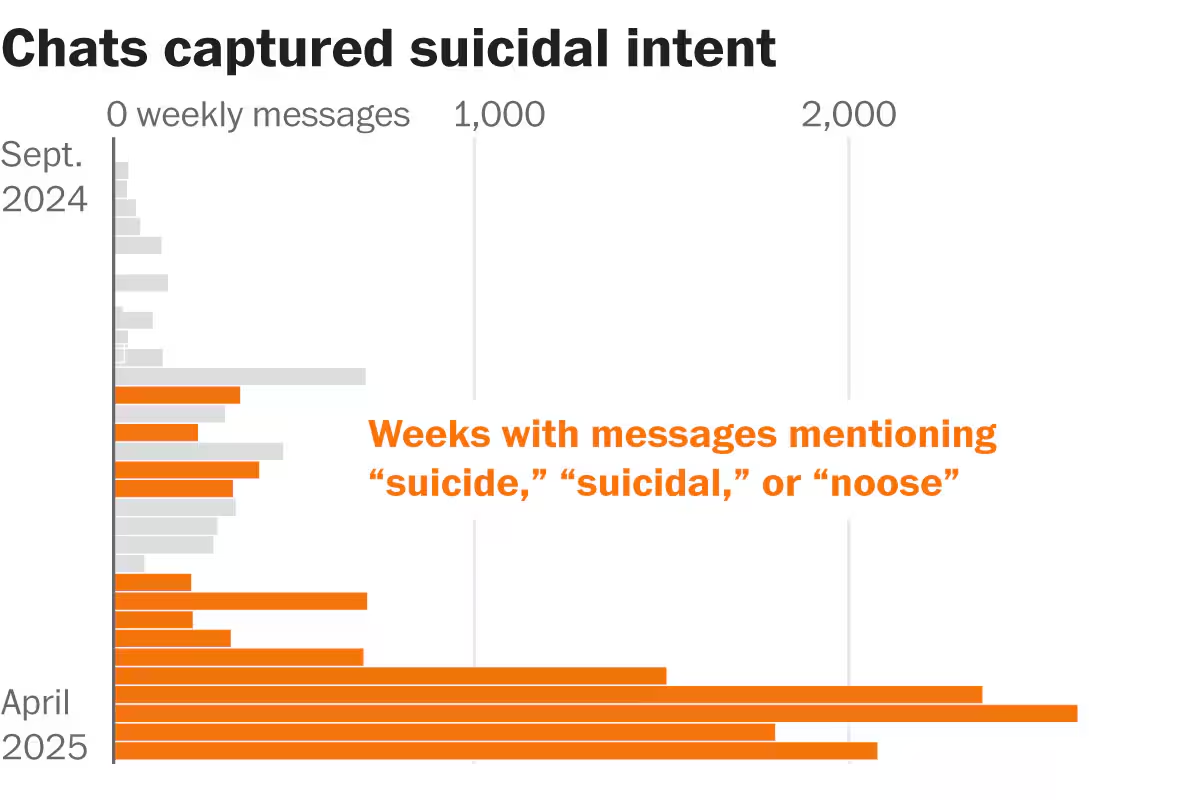
An analysis of conversations between a suicidal teen and ChatGPT reveals the chatbot became a confidant as the teen discussed his suicidal thoughts, raising concerns about AI's role in mental health support and the importance of safeguards.
The article discusses the rapid growth and investment in AI, highlighting concerns about a potential bubble driven by hype and financial speculation. It emphasizes the geopolitical race between the US and China for AI dominance, the risks of unregulated development, and the flawed nature of current AI systems. The author warns that when the bubble bursts, there will be an opportunity to steer AI development towards serving humanity rather than corporate or geopolitical interests.
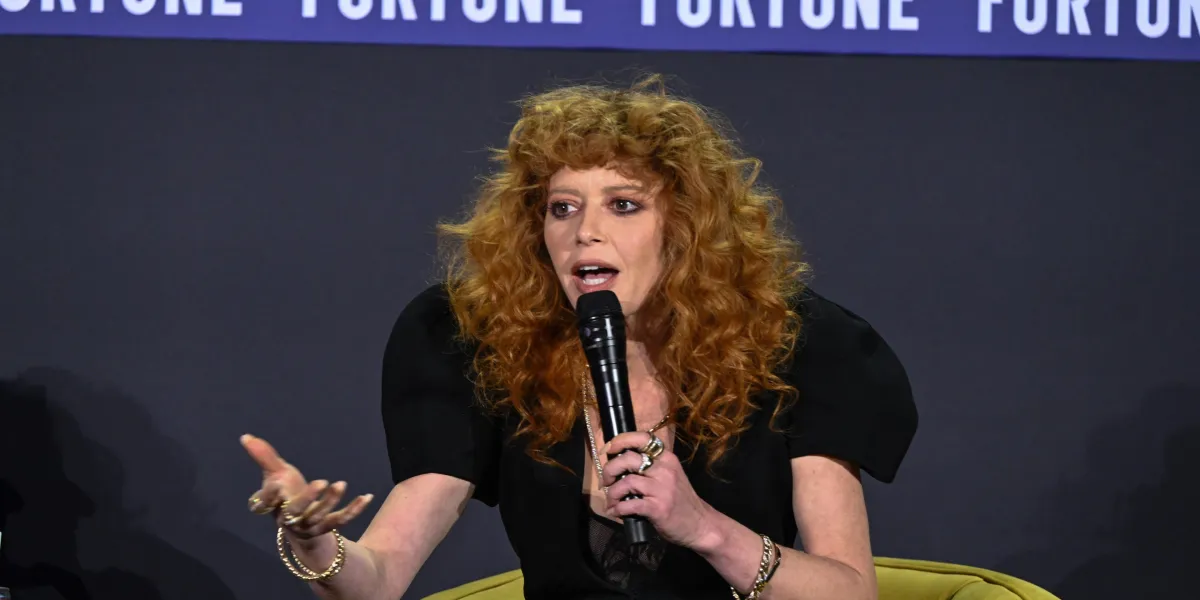
Actress and producer Natasha Lyonne criticizes the current AI landscape for lacking ethical standards, emphasizing the importance of respecting copyright and human contributions in AI-generated content. Her company, Asteria, develops AI tools that use open-license or permission-based content, advocating for responsible AI use in Hollywood and beyond.
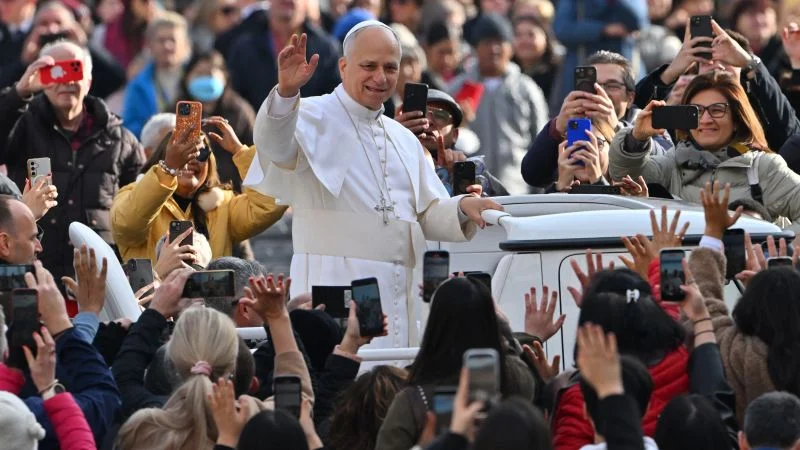
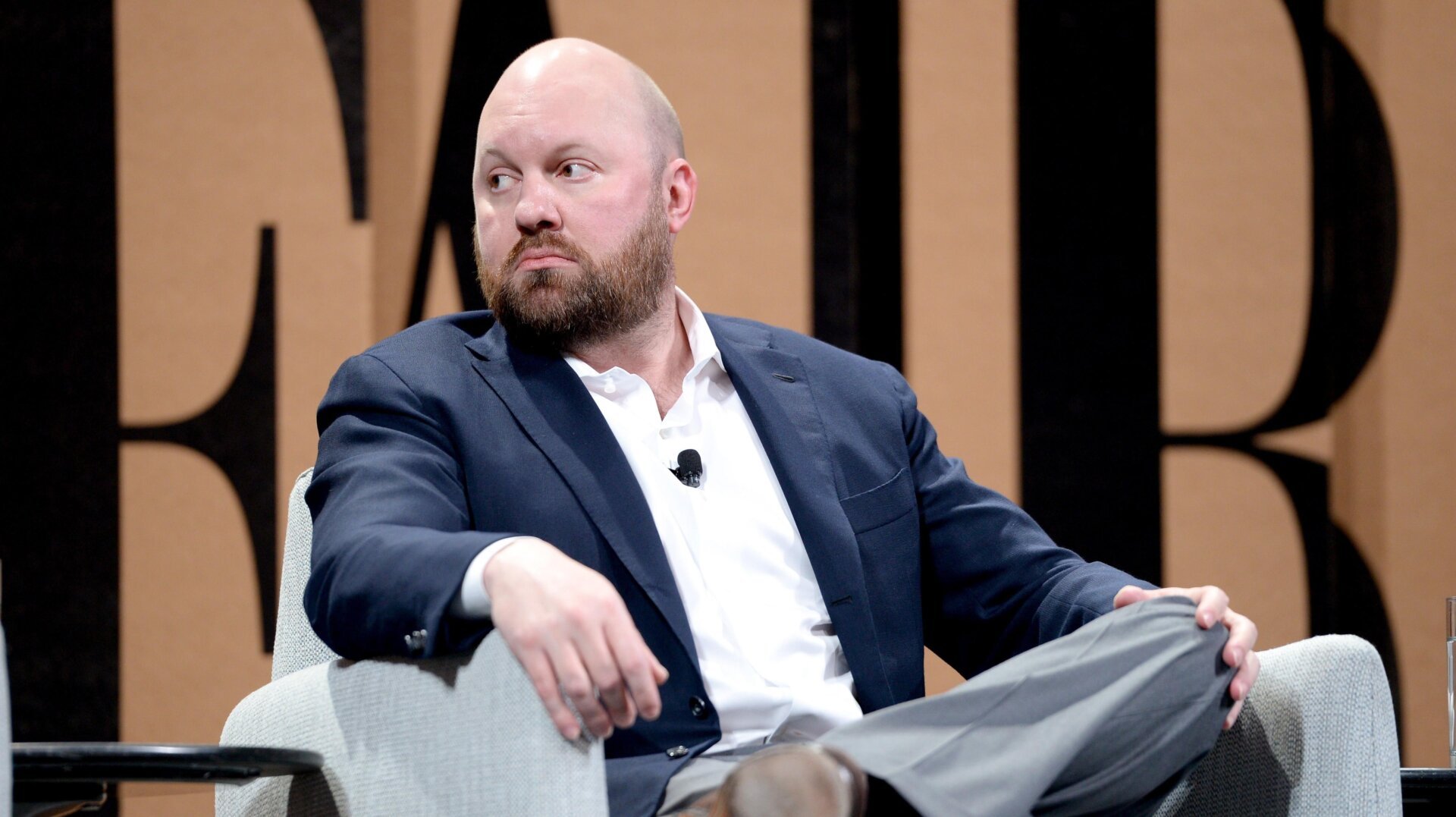
Marc Andreessen faced backlash after criticizing Pope Leo's call for ethical AI development, leading him to delete his post amid mixed reactions from social media users, some defending him and others criticizing both him and the Pope.
The article discusses how ChatGPT's Atlas browser, when in agent mode, avoids directly accessing certain sources like the New York Times and PCMag due to ongoing copyright disputes with OpenAI, instead finding alternative sources to summarize content, highlighting ethical and legal considerations in AI web crawling.
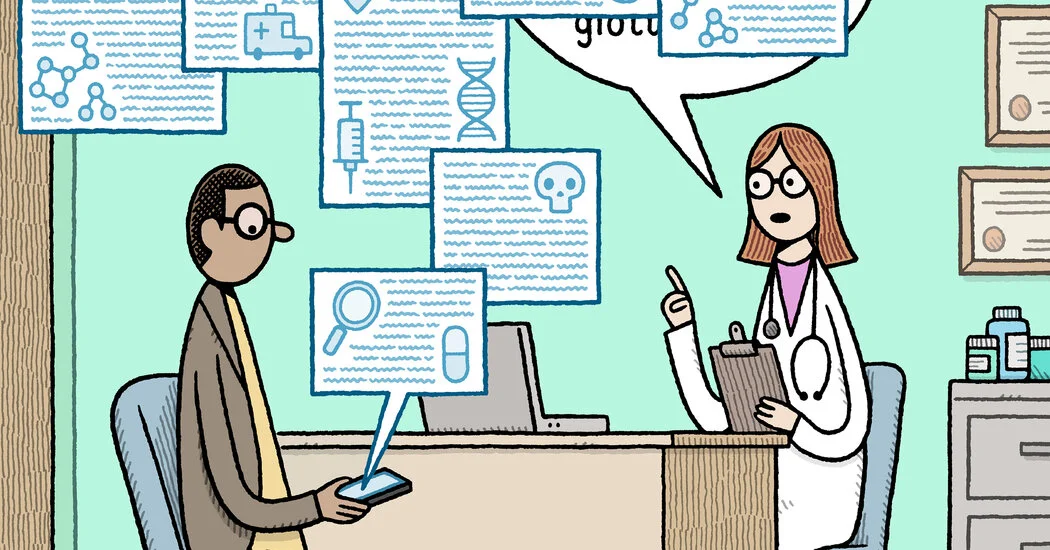
David M. Perry argues that the responsibility for ethical AI use lies with companies that develop these technologies, highlighting the risks of AI in mental health contexts, such as aiding suicidal behavior, and calling for stricter safeguards and honesty about AI's limitations in education and other fields.
OpenAI has halted the creation of deepfake videos of Martin Luther King Jr on its app Sora following a request from his estate, citing concerns over disrespectful content and the potential for misinformation. The company is working to implement better safeguards and emphasizes respecting the rights of public figures and their families in AI-generated content.
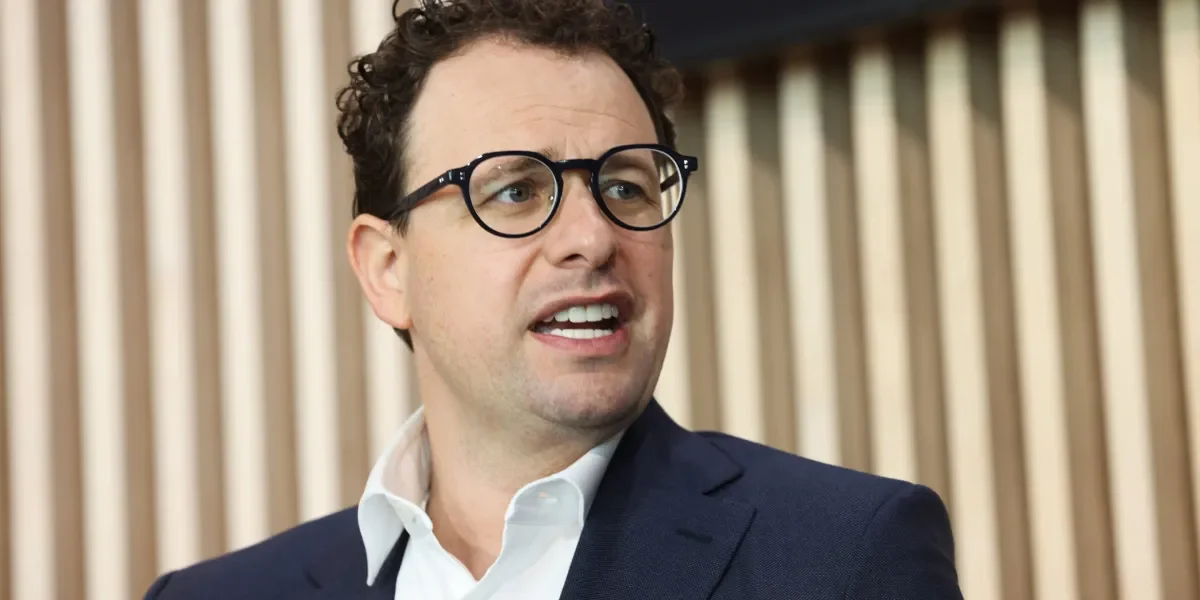
OpenAI CEO Sam Altman clarified that the company does not see itself as the 'moral police of the world' amid criticism, emphasizing their focus on AI development rather than moral judgment.
British actors' union Equity criticized the AI character Tilly Norwood, emphasizing that she is not a performer but an AI tool made from performers' work, raising concerns about the origins and consent of data used in AI creations and calling for regulations to protect performers' rights.
A Dutch comedian's AI-created character, Tilly Norwood, is attracting interest from talent agencies, sparking controversy among Hollywood actors who see it as a threat to human performers and an exploitative use of AI, prompting strong criticism and calls for ethical considerations in AI's role in entertainment.
OpenAI CEO Sam Altman announced efforts to enhance teen safety on ChatGPT by implementing age prediction, restricting certain conversations, and involving parents or authorities in cases of suicidal ideation, amid ongoing concerns about AI's impact on vulnerable users.
OpenAI CEO Sam Altman discusses the ethical dilemmas and societal impacts of AI, including handling sensitive issues like suicide, privacy concerns, and the potential military use of ChatGPT, emphasizing the importance of moral frameworks and user confidentiality in AI development.