Tag

Space Time

All articles tagged with #space time

Scientists Detect Potential Wormhole Signal Suggesting Parallel Universe

Originally Published 3 months ago — by Rude Baguette

Featured image for Scientists Detect Potential Wormhole Signal Suggesting Parallel Universe
Source: Rude Baguette

Scientists detected a brief gravitational wave signal, GW190521, which may have originated from a collapsing wormhole, challenging current understanding of space-time and potentially confirming the existence of wormholes, with profound implications for cosmology and physics.

Black Hole Mergers Confirm Einstein and Hawking's Theories

Originally Published 3 months ago — by NASA Science (.gov)

Featured image for Black Hole Mergers Confirm Einstein and Hawking's Theories
Source: NASA Science (.gov)

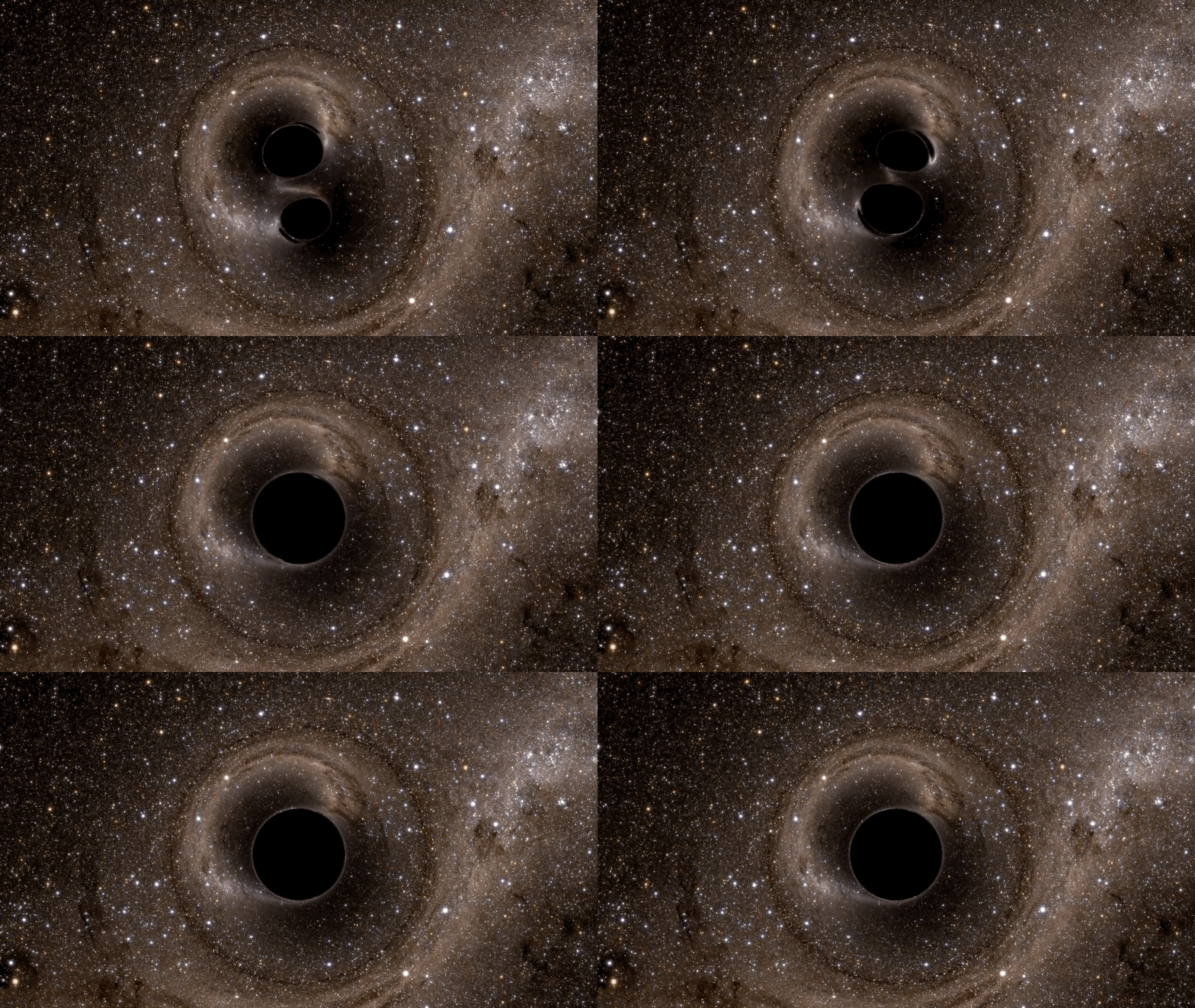
October 2025 marks ten years since the first direct detection of gravitational waves by LIGO, confirming Einstein's predictions. These waves are ripples in space caused by massive objects like black holes and neutron stars, detected through laser interferometry in observatories in the US and abroad. The article highlights the science behind detection, recent discoveries, and ways the public can participate in gravitational wave research.

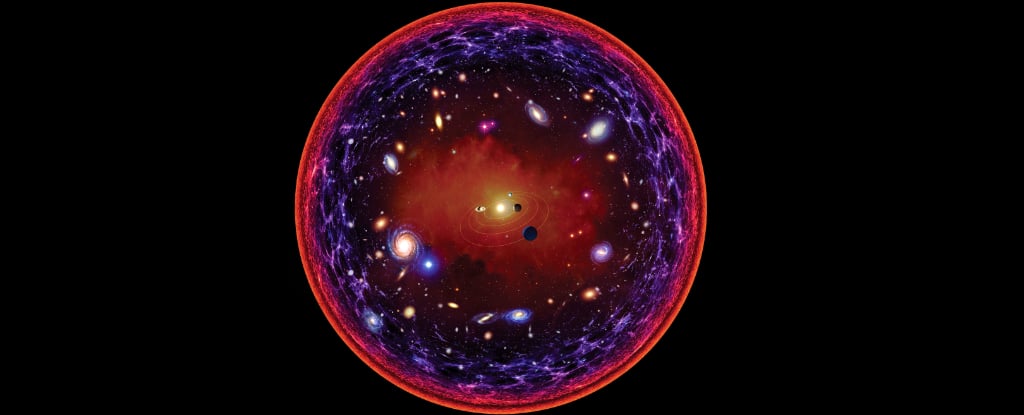
New Theory Proposes Universe Has Memory, Challenging Cosmology

Originally Published 6 months ago — by Rude Baguette

Featured image for New Theory Proposes Universe Has Memory, Challenging Cosmology
Source: Rude Baguette

A revolutionary theory proposes that space-time functions as a memory system storing information from all interactions, potentially bridging general relativity and quantum mechanics, explaining dark matter, and resolving black hole information paradoxes, with experimental support from quantum computers.

Primordial Black Holes: Hidden Threats Inside Planets and Earth

Originally Published 1 year ago — by Livescience.com

Featured image for Primordial Black Holes: Hidden Threats Inside Planets and Earth
Source: Livescience.com

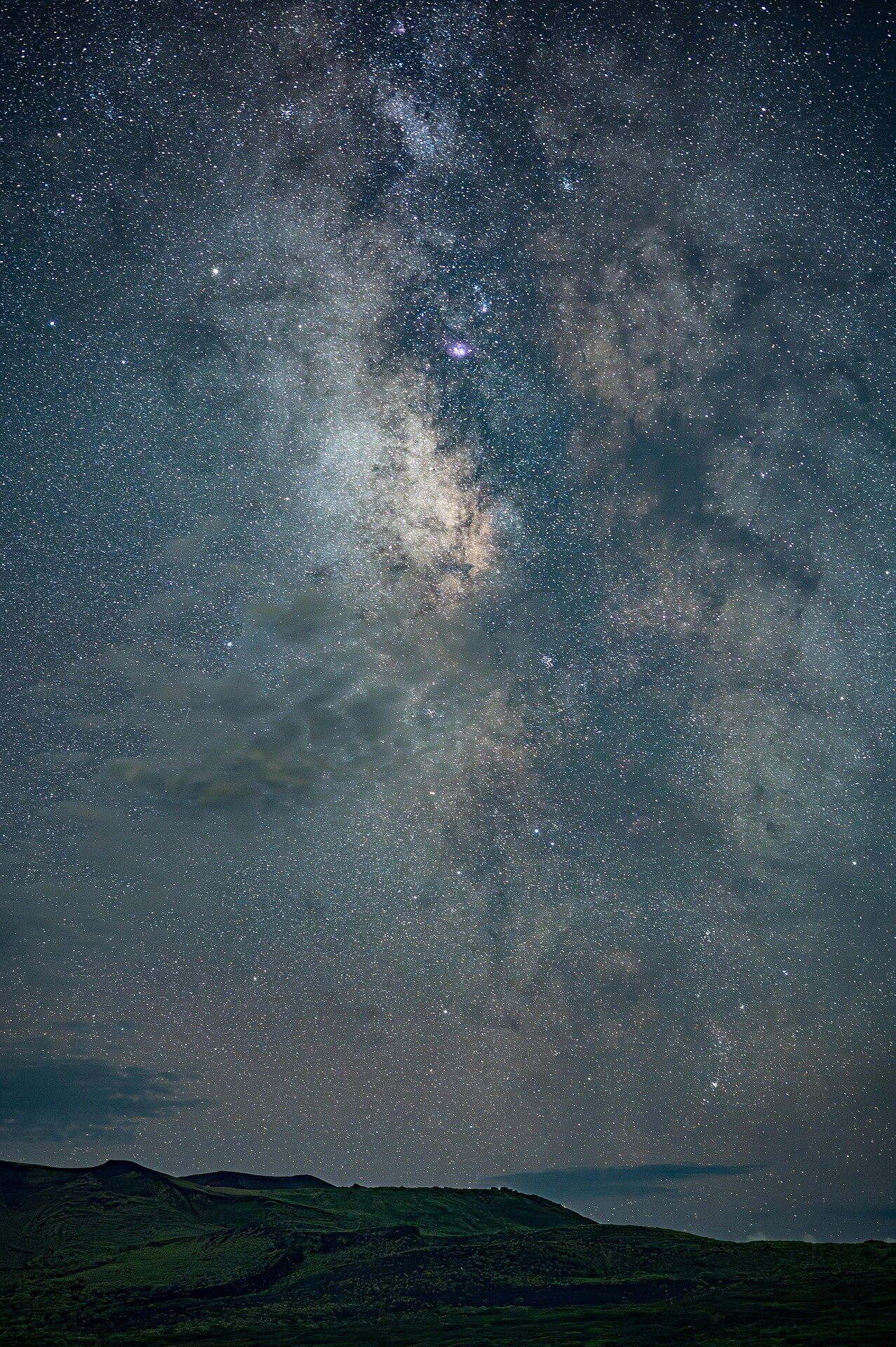
A new theoretical study suggests that primordial black holes (PBHs), tiny remnants from the Big Bang, could be tunneling through planets and even our bodies, potentially leaving microscopic traces. These PBHs are considered candidates for dark matter, but their minuscule size makes them hard to detect. Researchers propose looking for hollowed-out planets or ancient materials on Earth for evidence. Despite the low probability of PBHs interacting with matter, unconventional approaches may be key to solving longstanding physics mysteries like the nature of dark matter.

Quantum Models Illuminate Black Hole Mysteries and Cosmic Censorship

Originally Published 1 year ago — by The Conversation Indonesia

Featured image for Quantum Models Illuminate Black Hole Mysteries and Cosmic Censorship
Source: The Conversation Indonesia

The article explores the concept of naked singularities and how quantum black holes might provide insights into why we don't observe the end of space and time. It delves into the intersection of quantum physics and cosmology, discussing the implications of these phenomena on our understanding of the universe.

Einstein's Theories Reinforced by Latest Space-Time and Dark Energy Discoveries

Originally Published 1 year ago — by ScienceAlert

Featured image for Einstein's Theories Reinforced by Latest Space-Time and Dark Energy Discoveries
Source: ScienceAlert

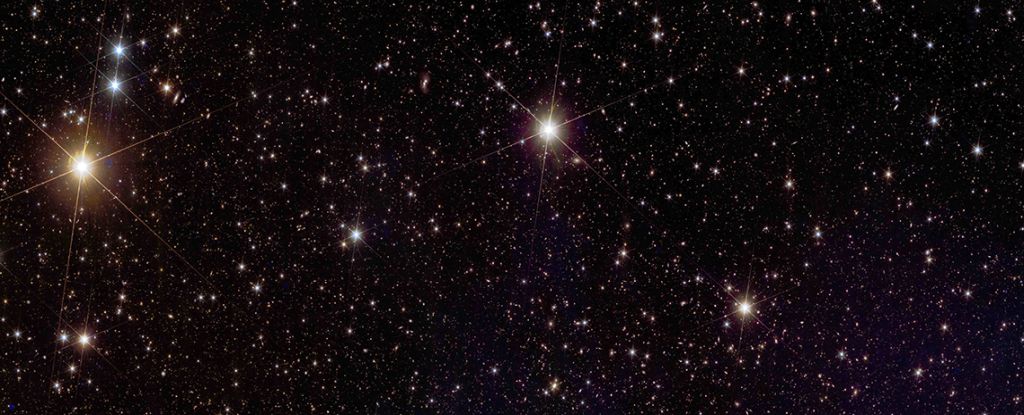
Researchers using data from the Dark Energy Survey have found slight discrepancies between the predicted and observed curvature of space-time, as described by Einstein's general relativity. While measurements from 6 and 7 billion years ago align with predictions, those from 3.5 and 5 billion years ago show shallower gravity wells than expected. This could suggest a link between the Universe's accelerating expansion due to dark energy and the slower growth of gravity wells. Further observations are needed to confirm these findings, which currently show a 3 sigma incompatibility with Einstein's predictions.

"Exploring Primordial Ripples in Space-Time"

Originally Published 1 year ago — by The New York Times

Featured image for "Exploring Primordial Ripples in Space-Time"
Source: The New York Times

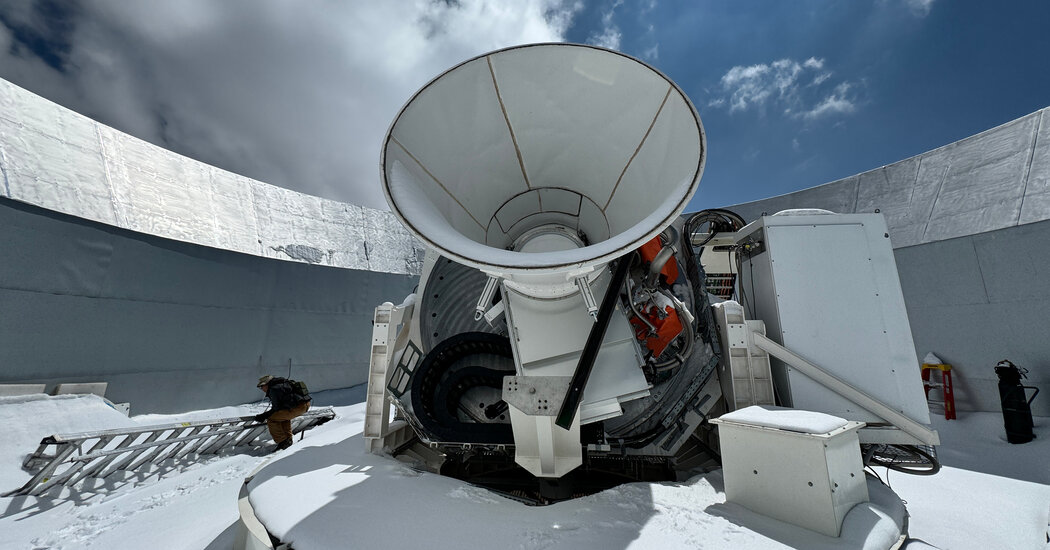
The Simons Observatory in Chile, funded largely by the Simons Foundation, is using advanced telescopes to study cosmic microwaves and investigate the theory of cosmic inflation, which posits rapid expansion of the universe immediately after the Big Bang. The data collected could either support or challenge this key cosmological hypothesis.

Astronomers Measure Spin Speed of Supermassive Black Hole

Originally Published 1 year ago — by Livescience.com

Featured image for Astronomers Measure Spin Speed of Supermassive Black Hole
Source: Livescience.com

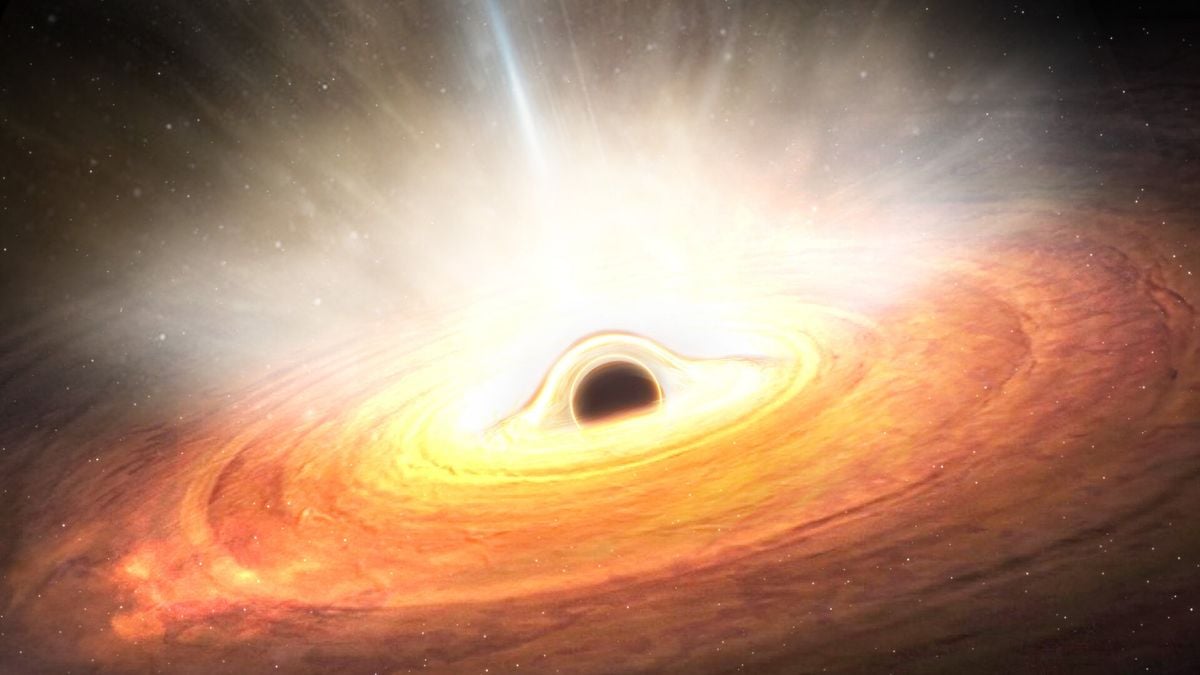
Researchers have discovered that the "wobble" of an accretion disk formed from a star ripped apart by a supermassive black hole can reveal the black hole's spin speed. This wobble, caused by the Lense-Thirring effect, was observed using NASA's NICER X-ray telescope. The findings suggest that the black hole involved in the event was spinning at less than 25% the speed of light, providing new insights into the history and evolution of supermassive black holes.

"Physicists Launch Groundbreaking Experiment to Map Space-Time 5 Years After First Black Hole Image"

Originally Published 1 year ago — by Inverse

Featured image for "Physicists Launch Groundbreaking Experiment to Map Space-Time 5 Years After First Black Hole Image"
Source: Inverse

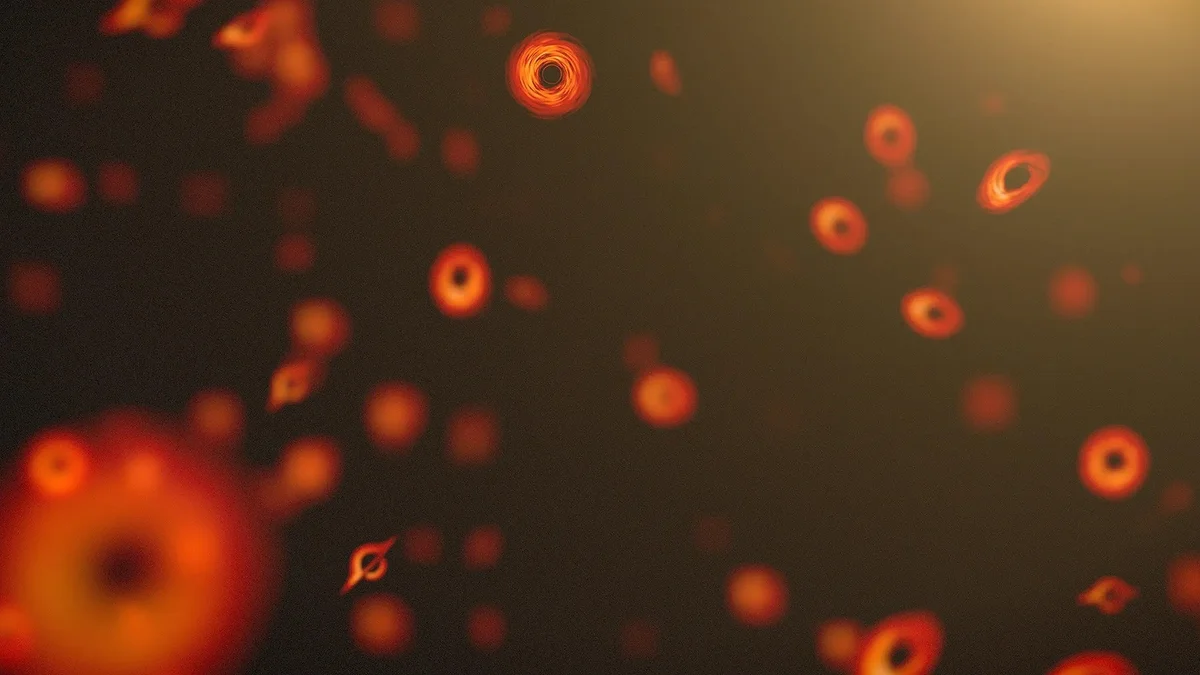
The Event Horizon Telescope (EHT) is working on creating the first-ever movie of a black hole, specifically the supermassive black hole at the center of galaxy Messier 87 (M87). This revolutionary experiment aims to capture changes in the black hole over a 60-day period, providing insights into its dynamics, time dilation, and impact on surrounding galaxies. The project involves over 400 scientists and requires significant technological upgrades to the EHT's array of telescopes. If successful, the video could revolutionize our understanding of black holes and space-time.

"Milky Way's Black Hole Warps Spacetime into Football Shape"

Originally Published 1 year ago — by BGR

Featured image for "Milky Way's Black Hole Warps Spacetime into Football Shape"
Source: BGR

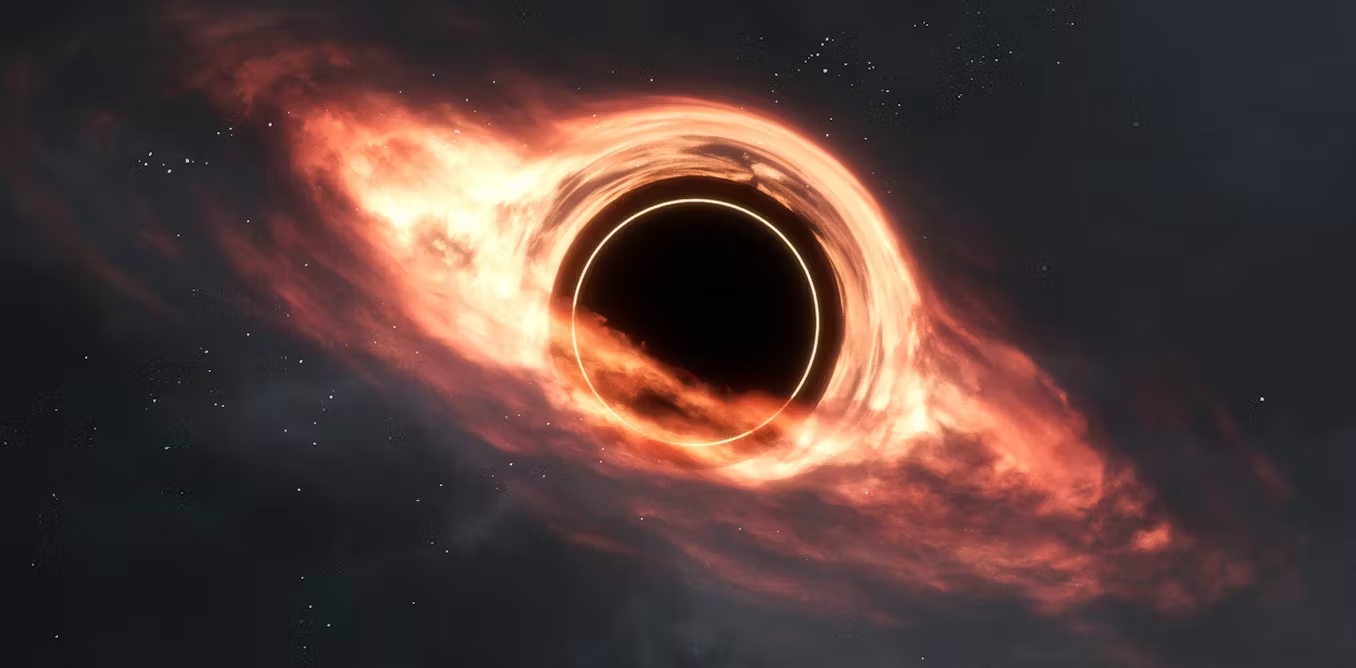
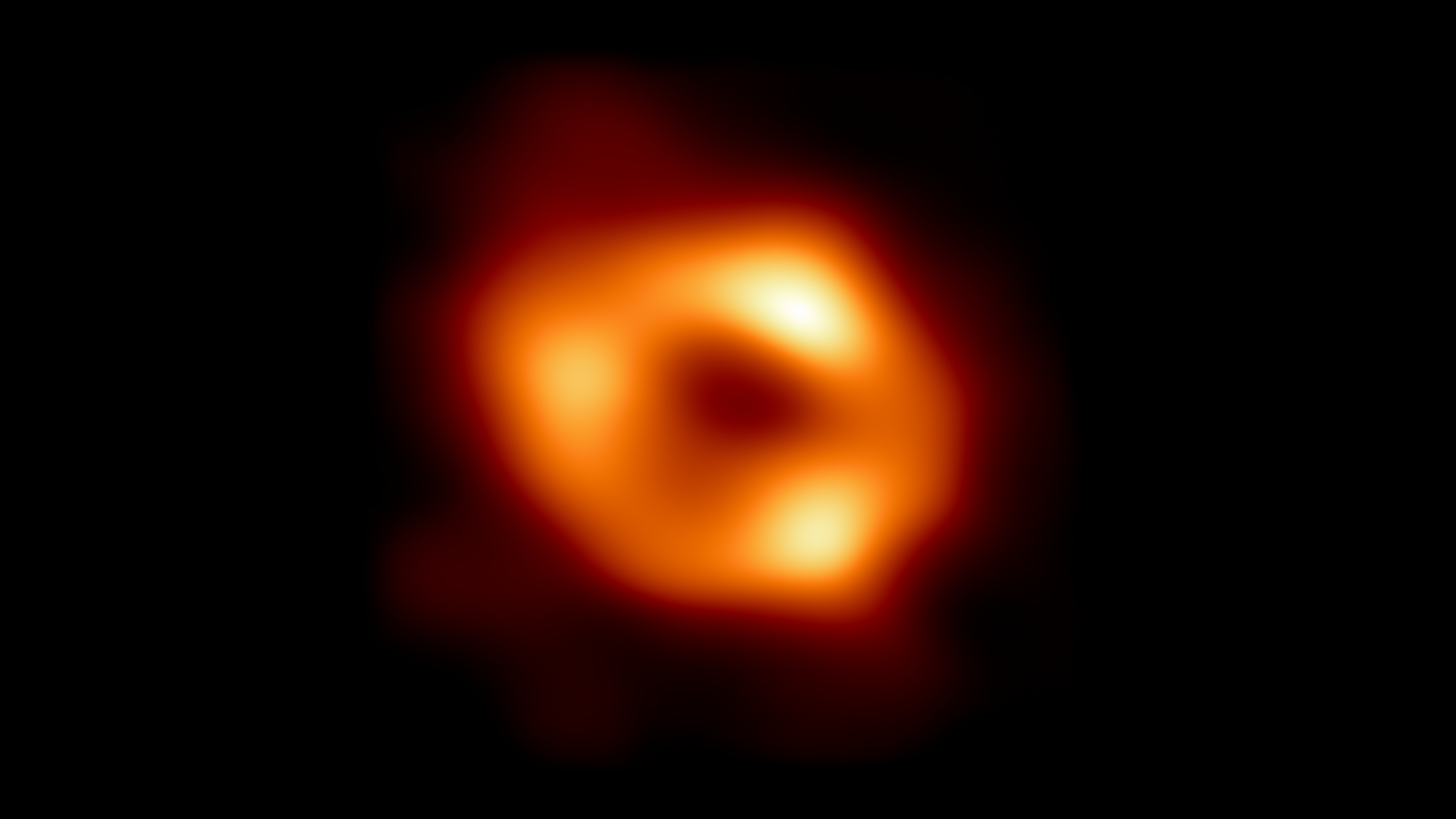
New research suggests that the supermassive black hole at the center of the Milky Way is spinning so fast that it's warping space-time, causing it to take on the shape of a football. Data from NASA's Chandra X-ray Observatory indicates that the black hole, known as Sgr A*, is spinning at 60 percent of its maximum possible speed, leading to far-reaching implications for our understanding of these massive cosmic objects and their impact on the universe.

"Detecting the Gentle Wobble of Dark Matter in Space-Time"

Originally Published 1 year ago — by Yahoo! Voices

Featured image for "Detecting the Gentle Wobble of Dark Matter in Space-Time"
Source: Yahoo! Voices

A new theoretical study suggests that dark matter, the mysterious substance that dominates the universe, may be detectable using gravitational wave detectors. The study proposes that ultralight dark matter particles could behave like waves, causing random fluctuations in space-time that could be detected by future space-borne gravitational wave detectors such as LISA. While current detectors may not have the sensitivity to detect these fluctuations, future projects could potentially test the hypothesis of ultralight dark matter and shed light on the elusive entity's properties.