Tag

Ligo

All articles tagged with #ligo

Crystal-Clear Gravitational Wave Confirms Einstein’s General Relativity
science12 days ago

Crystal-Clear Gravitational Wave Confirms Einstein’s General Relativity

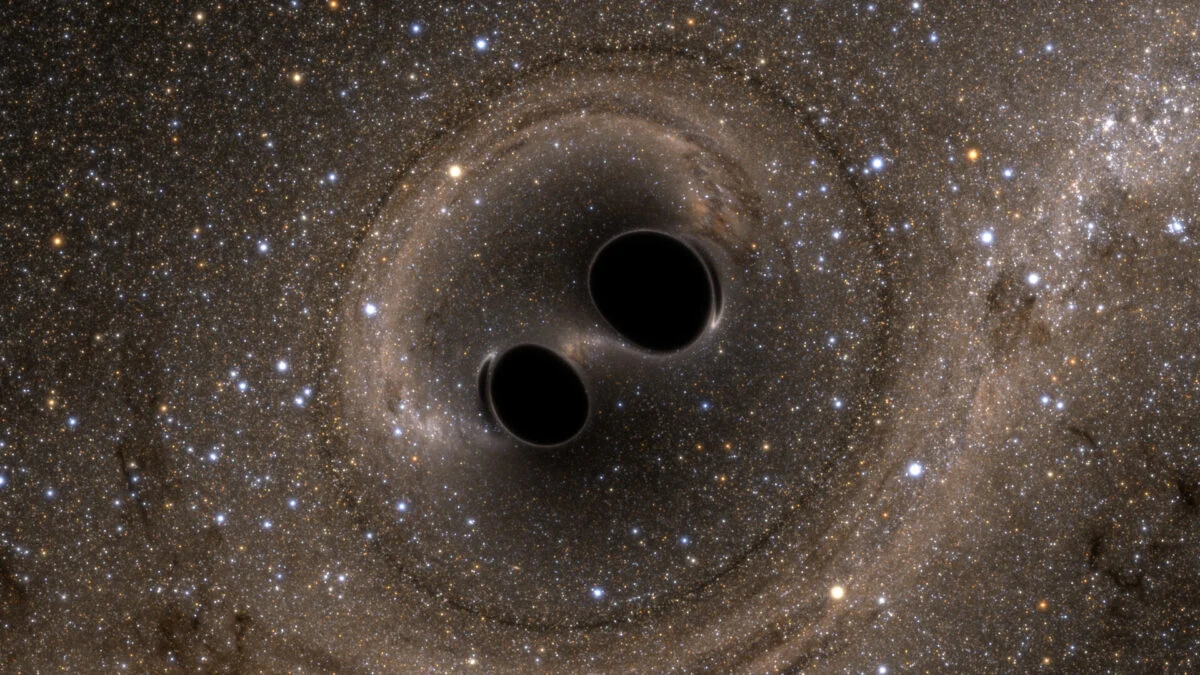
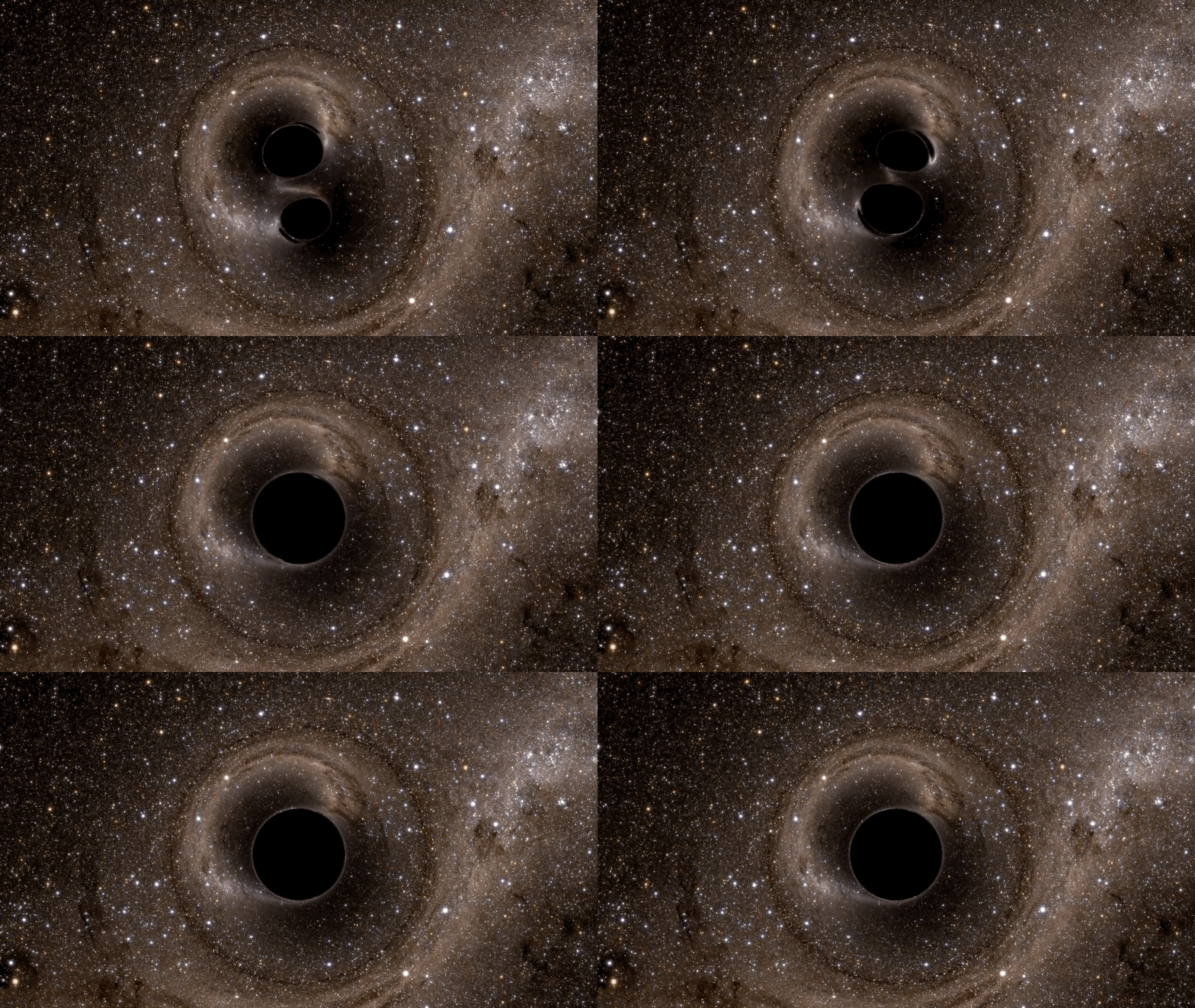
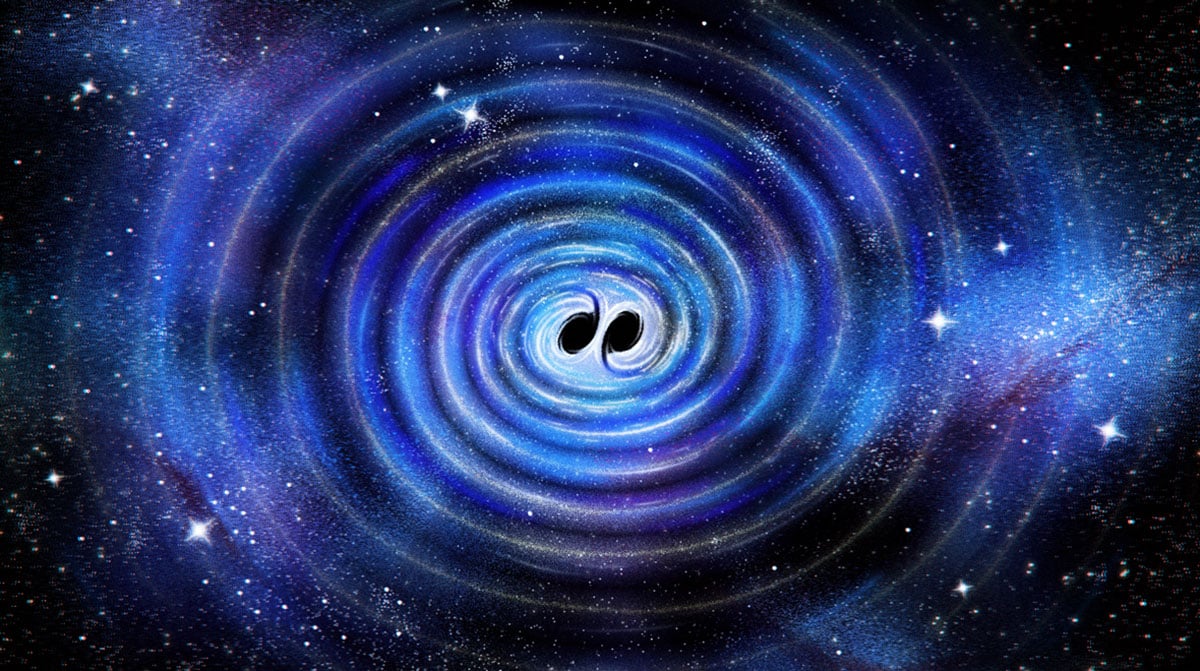
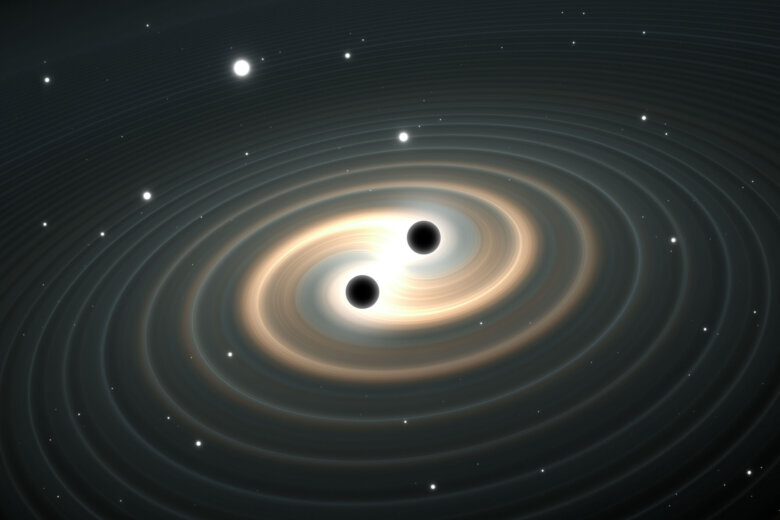
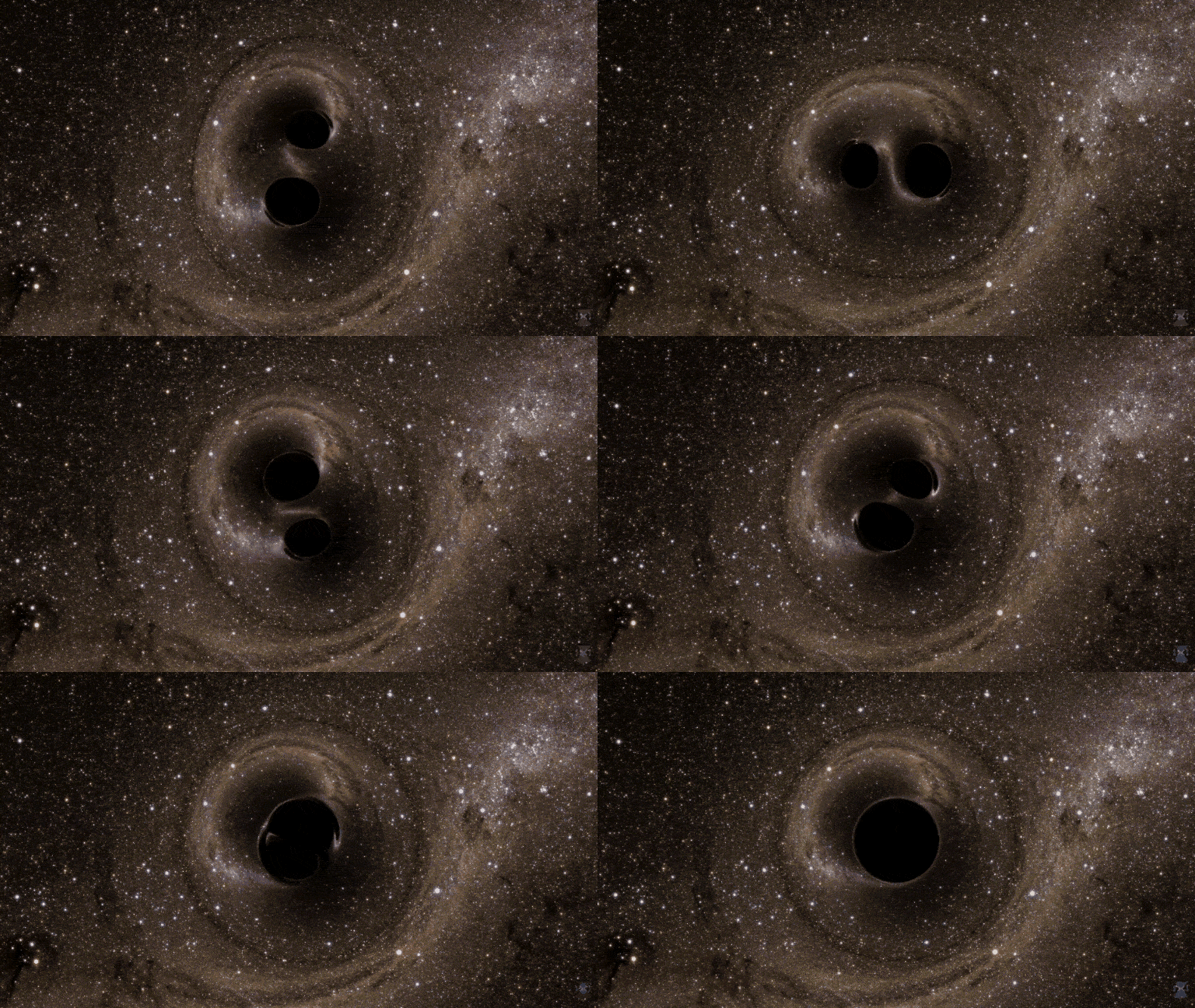
A record-high-quality gravitational wave signal from a binary black hole merger (GW250114) produced multiple ringdown tones that independently yield the same black-hole mass and spin, providing a precise test of general relativity that passes, while underscoring the ongoing pursuit of quantum gravity and related gaps in our understanding.
Record-Breaking Gravitational Wave Reaffirms Einstein’s Relativity
science13 days ago

Record-Breaking Gravitational Wave Reaffirms Einstein’s Relativity

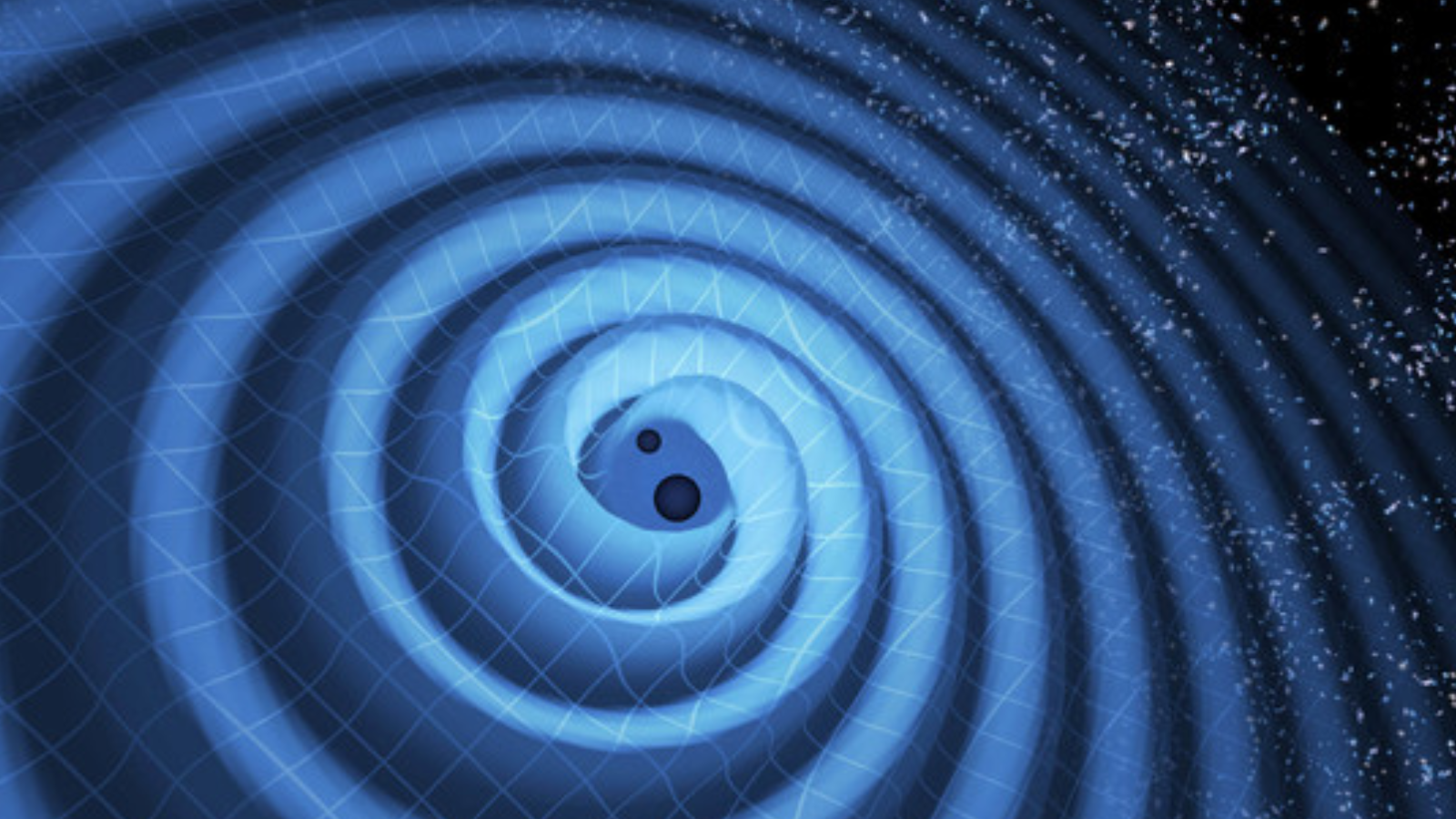
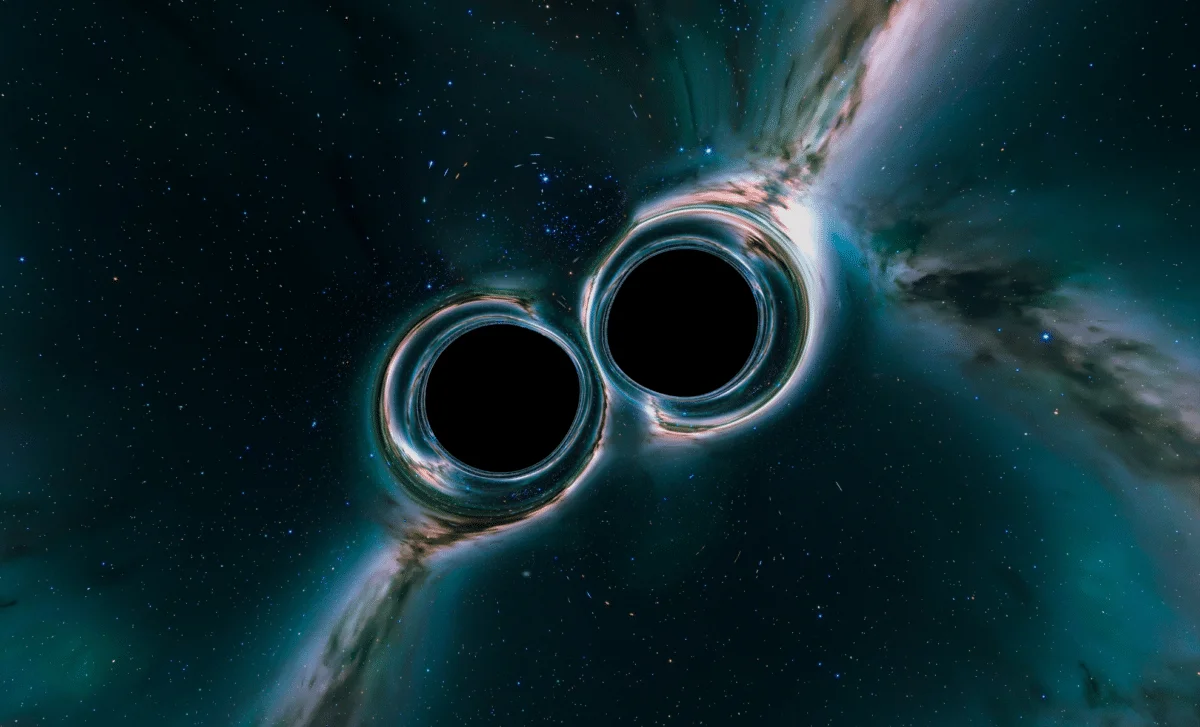
Scientists detected the loudest gravitational wave signal to date, GW250114, from a black-hole merger roughly 1.3 billion light-years away. The exceptionally clear signal lets researchers test Einstein’s general relativity with unprecedented precision, including the ringdown phase and multiple vibration tones, reinforcing GR and propelling future gravitational-wave astronomy with next‑generation detectors like LISA.

Record-Breaking Gravitational Wave Tests Gravity — and Finds Einstein Right Again
science13 days ago

Record-Breaking Gravitational Wave Tests Gravity — and Finds Einstein Right Again

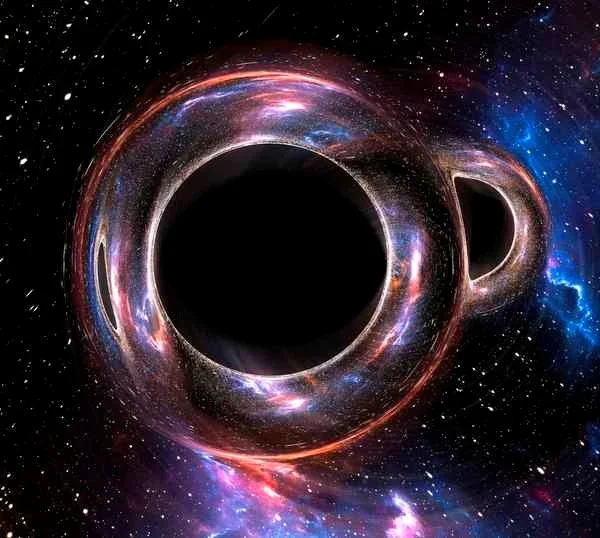
Scientists detected GW250114, the loudest gravitational-wave event yet, from a pair of about 30-solar-mass black holes merging around 1.3 billion light-years away, recorded by LIGO with unprecedented clarity thanks to detector upgrades. The signal allowed detailed tests of general relativity, including two primary ringdown tones and a newly identified overtone, all matching GR predictions and Hawking’s area theorem. This strengthens GR’s validity at extreme gravity and points to future tests with next‑generation detectors (Einstein Telescope, Cosmic Explorer) and space-based LISA.

Can Weber Bars Detect Gravitational Waves?
science3 months ago

Can Weber Bars Detect Gravitational Waves?

The article explains that Weber bars, early devices designed to detect gravitational waves, are not practical for modern detection due to their small size and sensitivity limitations. Current detectors like LIGO use laser interferometry to successfully observe these waves, which originate from massive cosmic events. While Weber's approach was pioneering, advancements have made it obsolete for detecting the faint, high-frequency gravitational waves produced by most astrophysical sources today.

Black Hole Mergers Confirm Einstein and Hawking's Theories
science5 months ago

Black Hole Mergers Confirm Einstein and Hawking's Theories

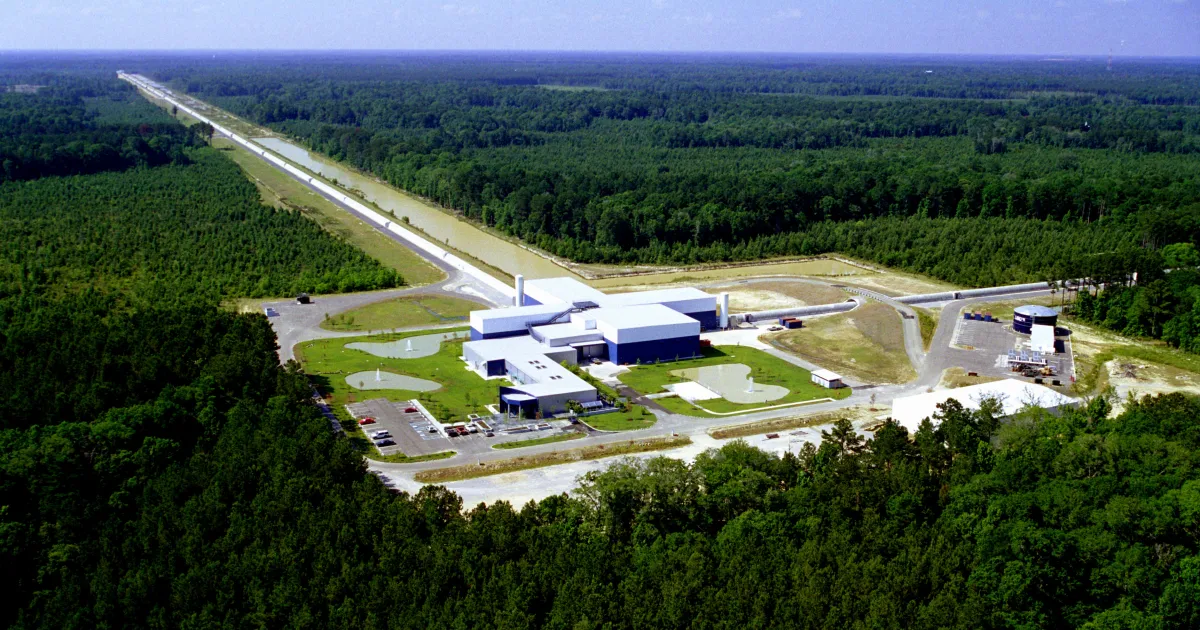
October 2025 marks ten years since the first direct detection of gravitational waves by LIGO, confirming Einstein's predictions. These waves are ripples in space caused by massive objects like black holes and neutron stars, detected through laser interferometry in observatories in the US and abroad. The article highlights the science behind detection, recent discoveries, and ways the public can participate in gravitational wave research.

Nobel Laureate Physicist Rainer Weiss Passes Away
science5 months ago

Nobel Laureate Physicist Rainer Weiss Passes Away

Rainer Weiss, a Nobel laureate physicist, played a pivotal role in the detection of gravitational waves through the LIGO observatory, confirming Einstein's century-old prediction and advancing our understanding of the universe. His work involved designing highly sensitive laser interferometers to measure minuscule ripples in space-time caused by cosmic events, marking a major milestone in astrophysics.

Celebrating a Decade of Gravitational Wave Discoveries and Black Hole Insights
science5 months ago

Celebrating a Decade of Gravitational Wave Discoveries and Black Hole Insights

Since its landmark 2015 detection of gravitational waves confirming Einstein's general relativity, LIGO and its collaborators have made over 300 groundbreaking discoveries, including the heaviest black hole mergers, neutron star collisions, multimessenger astronomy, and the loudest gravitational wave signals, opening new windows into the universe's most extreme events.