China has developed a new hypergravity centrifuge, CHIEF 1900, capable of generating accelerations of 1,900 g·tonne, to study materials and fundamental physics under extreme conditions, with applications in civil engineering and scientific research, though such forces are lethal to humans.
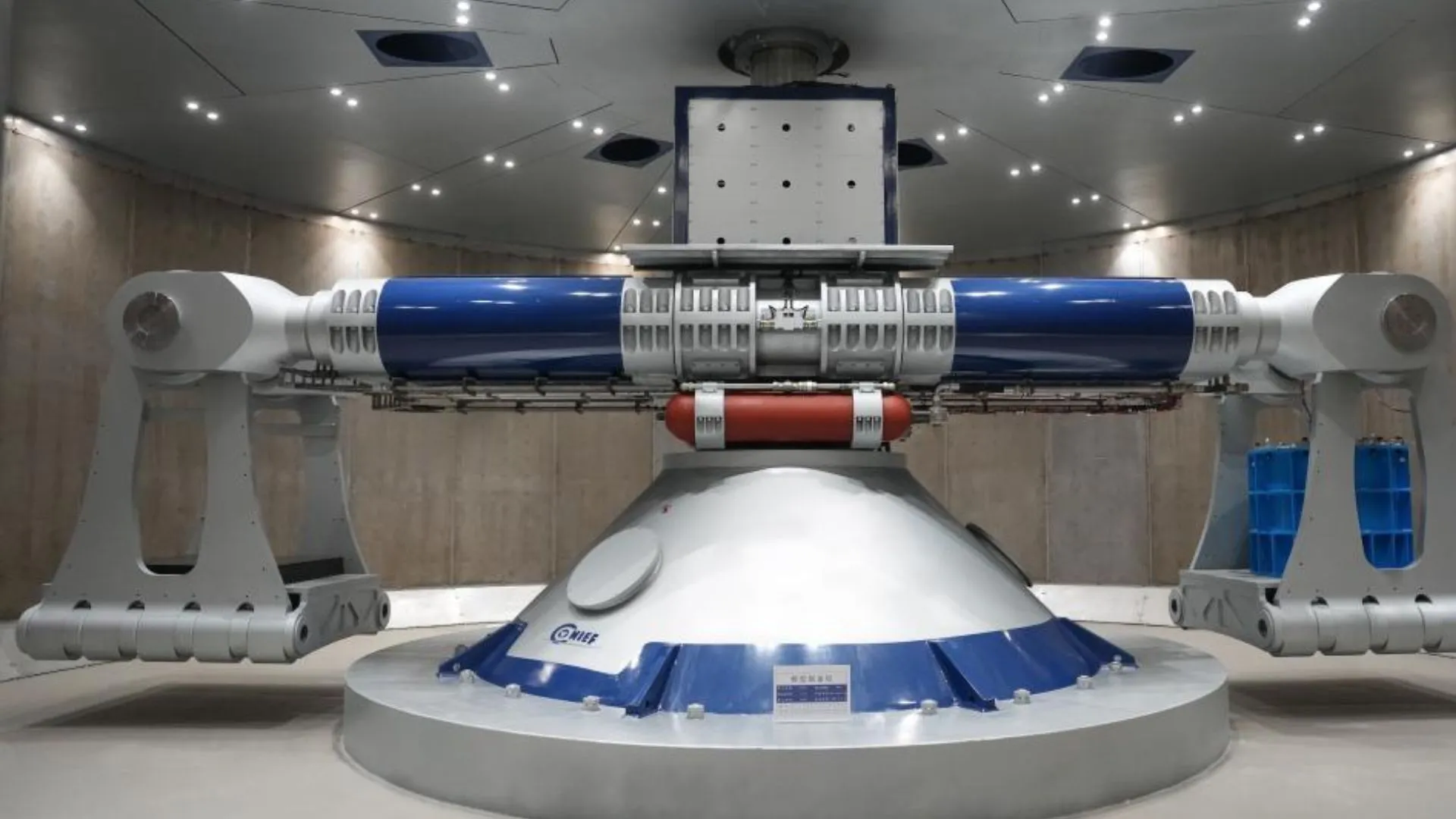
China has developed a record-breaking hypergravity machine capable of compressing space and time from a century into days, representing a significant advancement in scientific technology.
China has launched the Centrifugal Hypergravity and Interdisciplinary Experiment Facility (CHIEF) in Hangzhou, featuring the world's most advanced hypergravity machine. This facility, capable of generating forces thousands of times greater than Earth's gravity, aims to enhance understanding of geological and engineering processes. The CHIEF centrifuge surpasses the US Army Corps of Engineers' previous record-holder, marking a significant advancement in hypergravity research. The project, part of China's 13th Five-Year Plan, cost approximately $276.5 million and is expected to support major engineering and scientific research.
China has launched the world's most advanced hypergravity machine, the Centrifugal Hypergravity and Interdisciplinary Experiment Facility (CHIEF), in Hangzhou. Capable of producing forces up to 1,900 times Earth's gravity, CHIEF will revolutionize research in extreme conditions, aiding studies in engineering, geology, and material sciences. It holds promise for deep-sea exploration and energy extraction, particularly in simulating conditions for natural gas hydrates, potentially offering a cleaner energy alternative. The facility will also contribute to advancements in slope stability and earthquake-resistant structures.
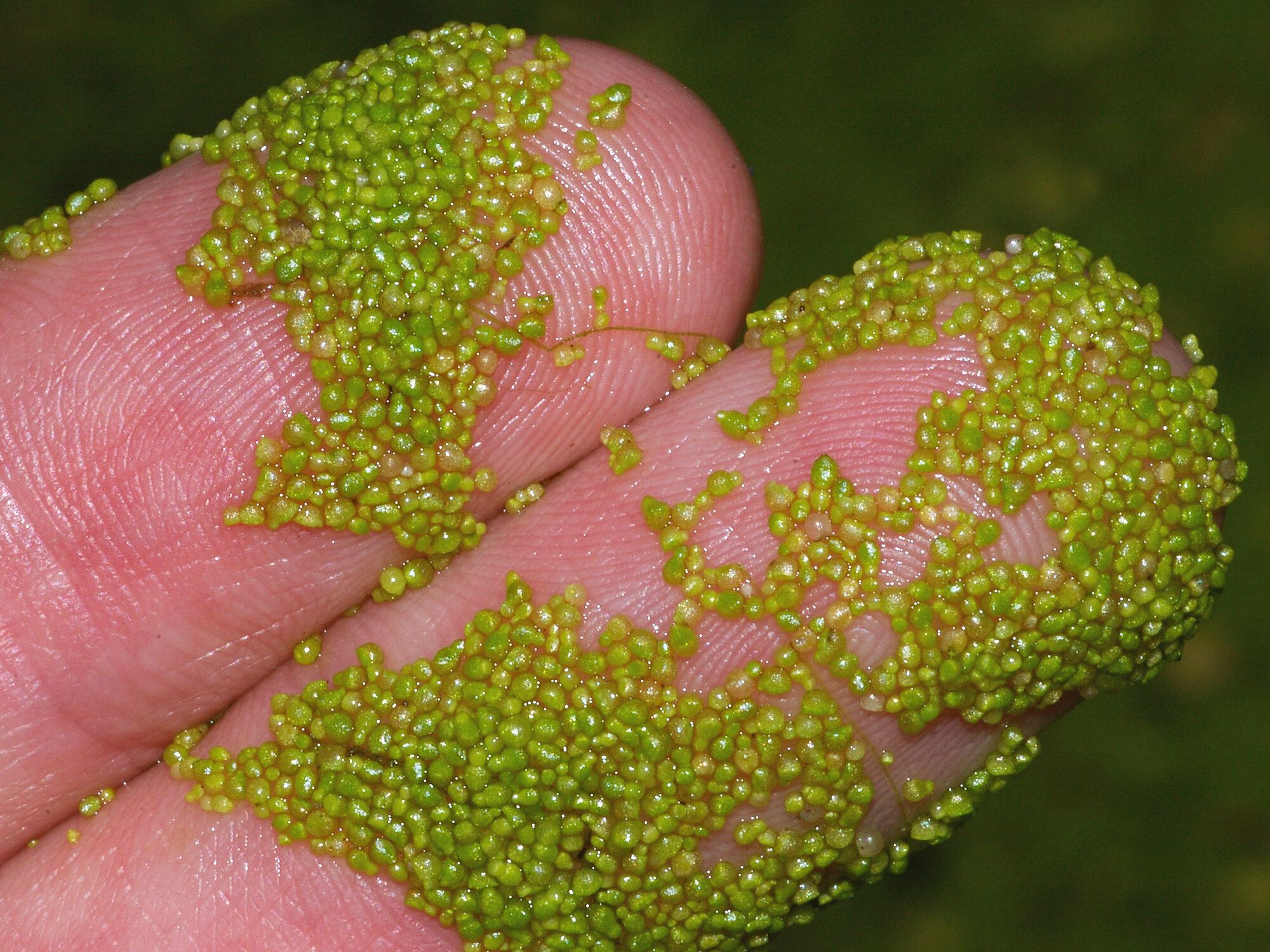
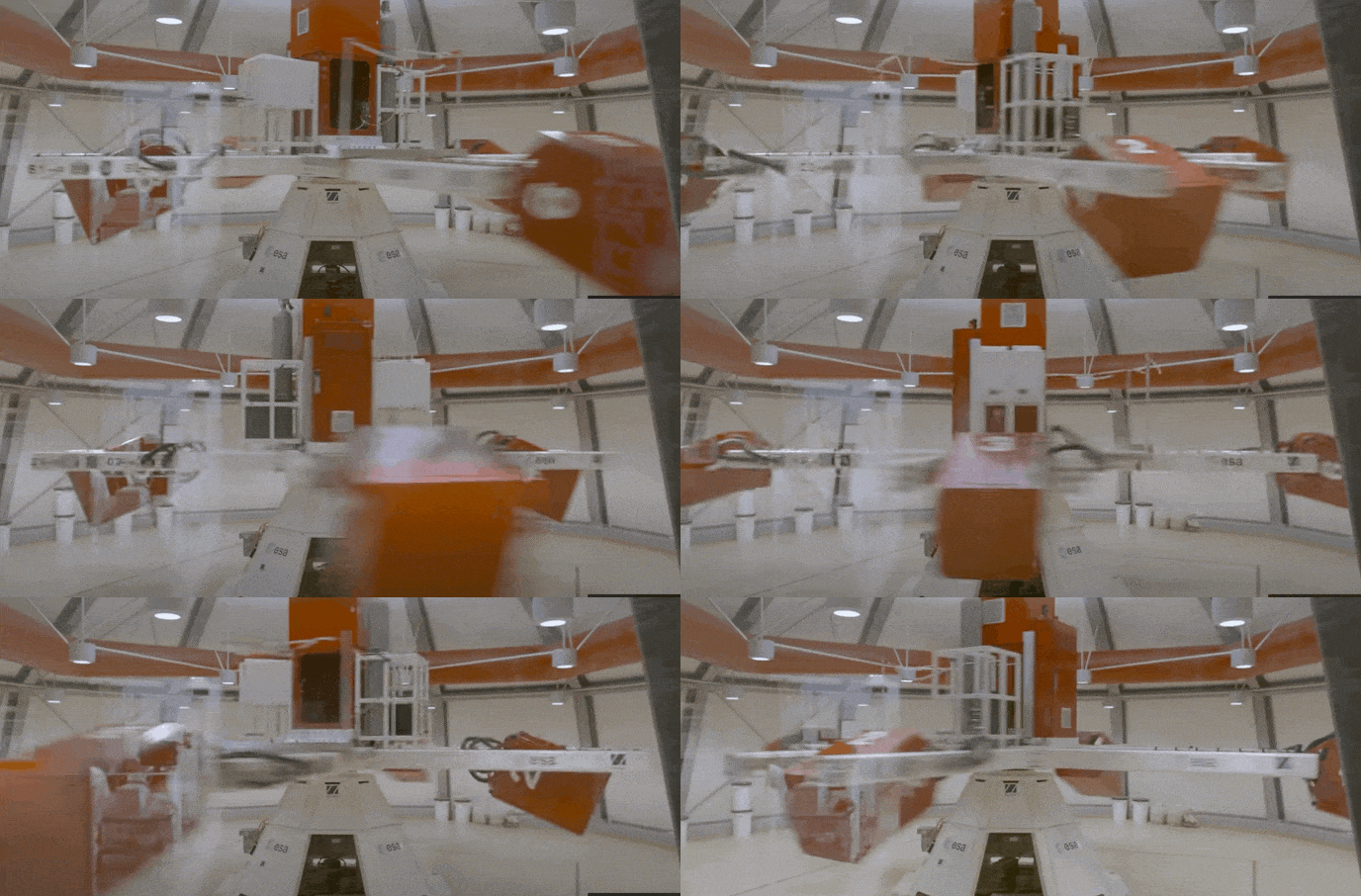
Researchers from Mahidol University in Thailand conducted experiments on watermeal, the smallest flowering plant on Earth, to study its growth and development under hypergravity conditions. Watermeal, which is smaller than duckweed, was subjected to 20 times normal Earth gravity using ESA's Large Diameter Centrifuge. The plant's ability to produce oxygen through photosynthesis and its potential as a nutritious food source for astronauts make it a promising candidate for space-based agriculture. The team aims to understand how watermeal adapts to different gravity environments and plans to conduct detailed chemical analysis on the plant's hypergravity response.
Fungi have been found infiltrating space stations, causing damage to equipment and posing health risks to astronauts. However, scientists are now studying these fungi to understand their adaptability to the harsh space environment. By studying their growth and behavior in microgravity, researchers hope to use fungi to build off-world settlements and develop off-world medications. Fungi have already been sent to the International Space Station to study their ability to produce certain molecules not found on Earth, with potential applications in osteoporosis drugs. Additionally, scientists are exploring the use of fungi to grow lightweight structures for future space missions.
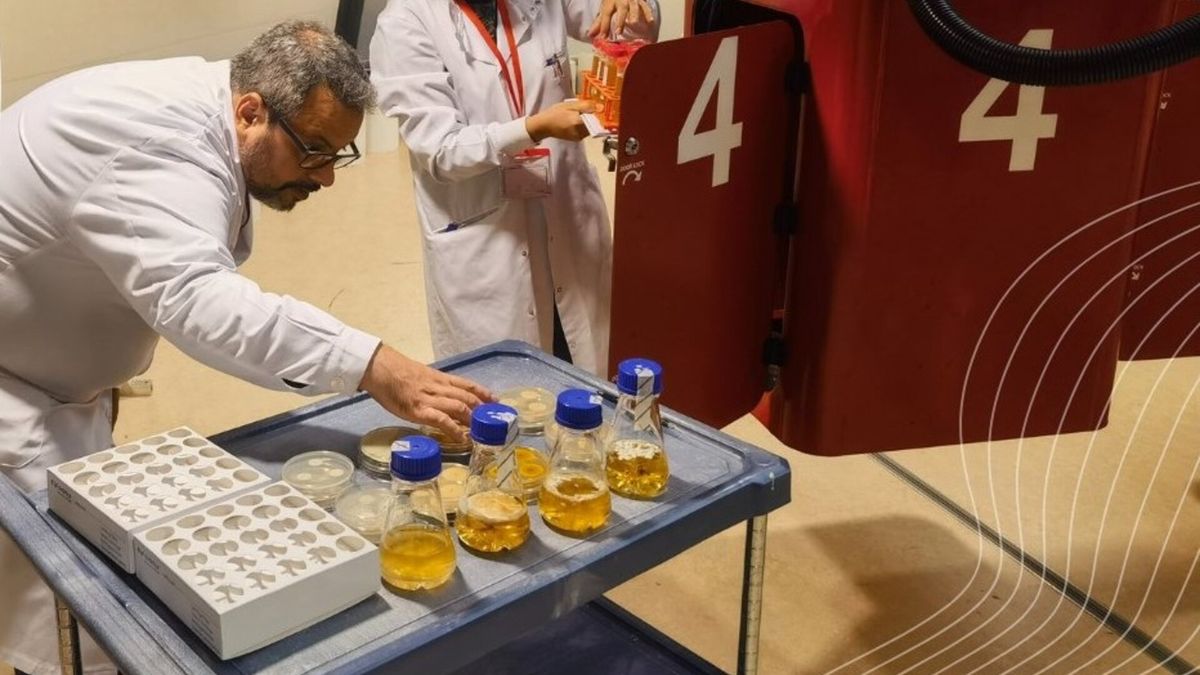
A team from Macau University of Science and Technology conducted a study on fungi in space using ESA's Large Diameter Centrifuge. The researchers subjected fungal colonies to hypergravity conditions and examined their growth and stress reactions. Fungi in space can have serious impacts on space stations, causing contamination and structural issues. Understanding fungi is crucial for space settlement and could lead to positive applications such as recycling and mining essential minerals.