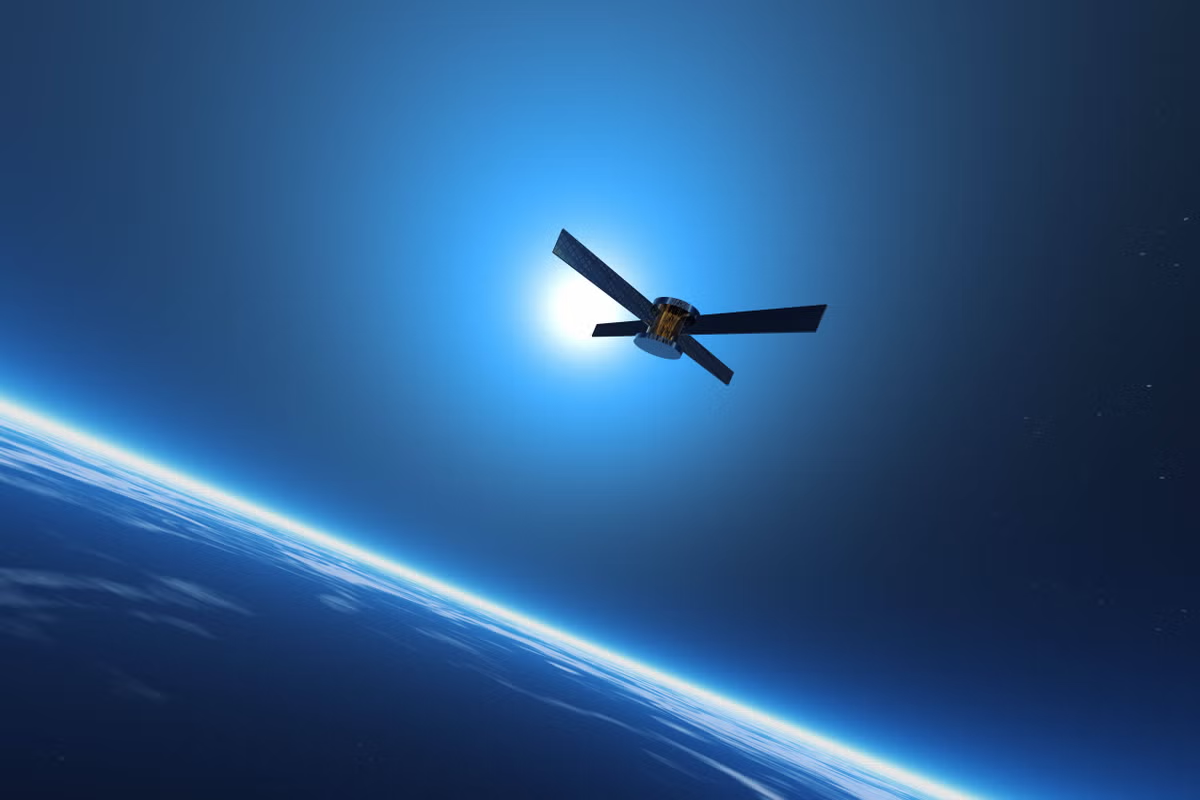
A JetBlue flight's sudden altitude drop was caused by cosmic ray-induced bit flips in its computer systems, leading Airbus to recall over 6,000 aircraft for software and hardware updates to prevent similar incidents caused by space radiation affecting microchips in fly-by-wire systems.
A growing weak spot in Earth's magnetic field called the South Atlantic Anomaly could cause satellite malfunctions, blackouts, and increased radiation exposure for spacecraft and astronauts, with the anomaly expanding significantly since 2014 due to changes at the Earth's core boundary.
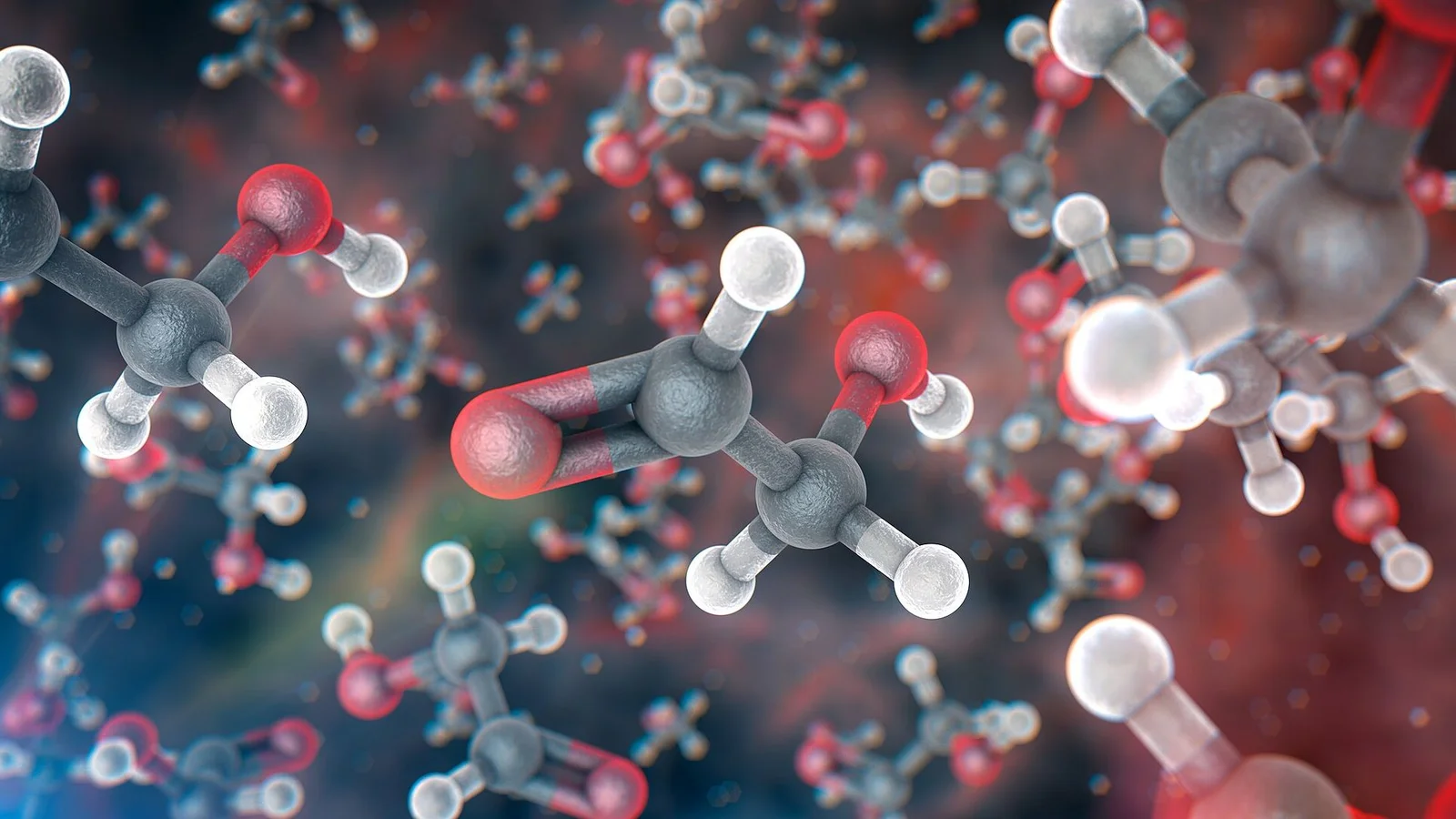
Recent research suggests that some organic molecules detected in plumes from Saturn's moon Enceladus may be produced by natural space radiation rather than originating from the moon's subsurface ocean, complicating the assessment of its habitability.
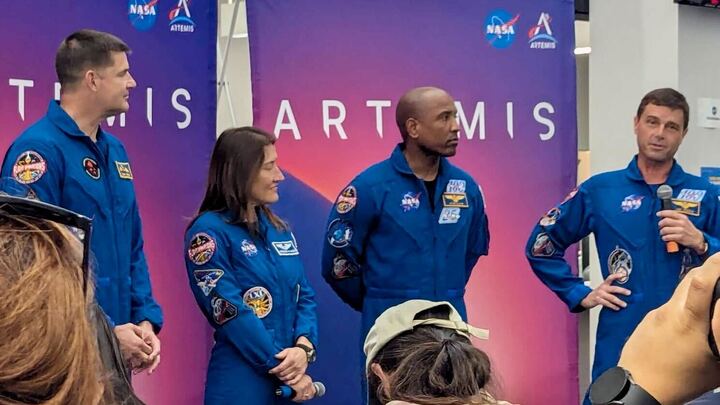
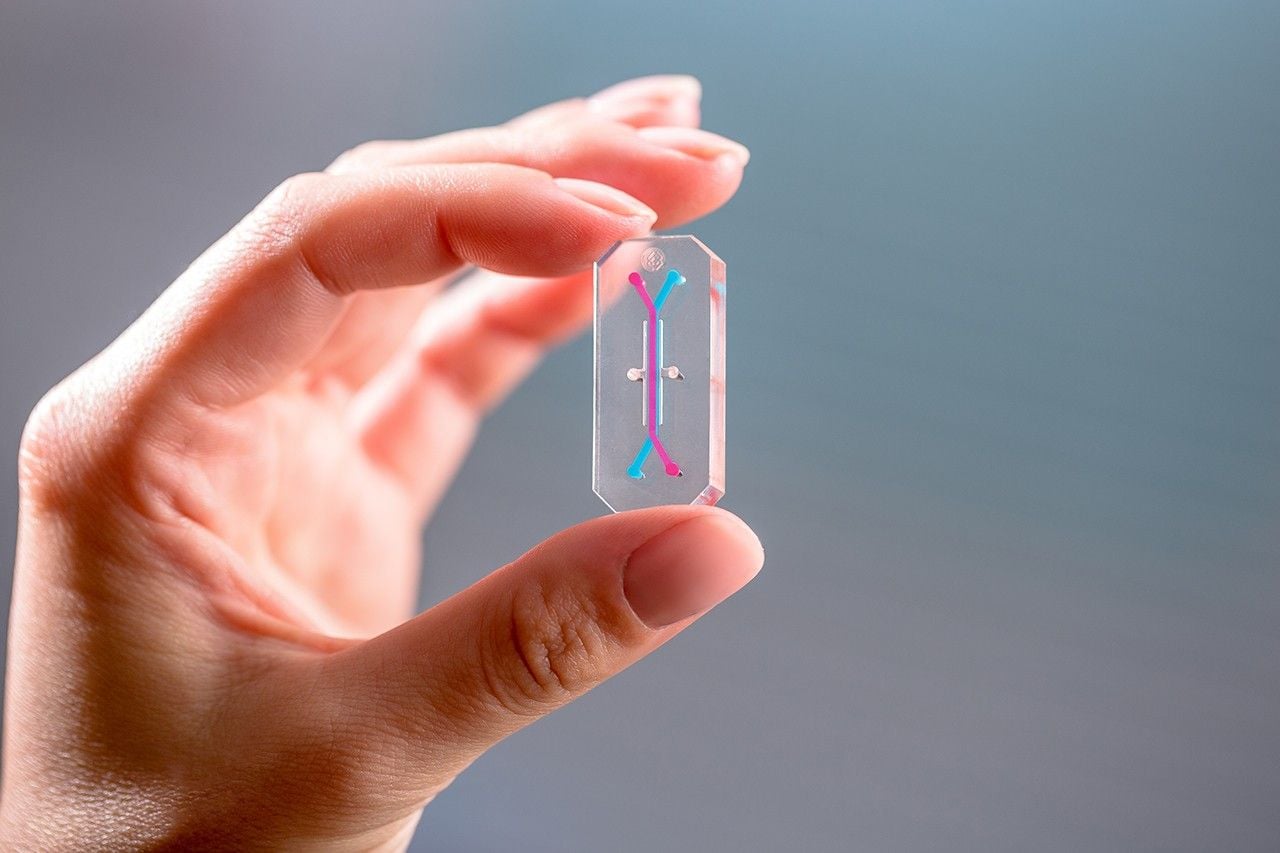
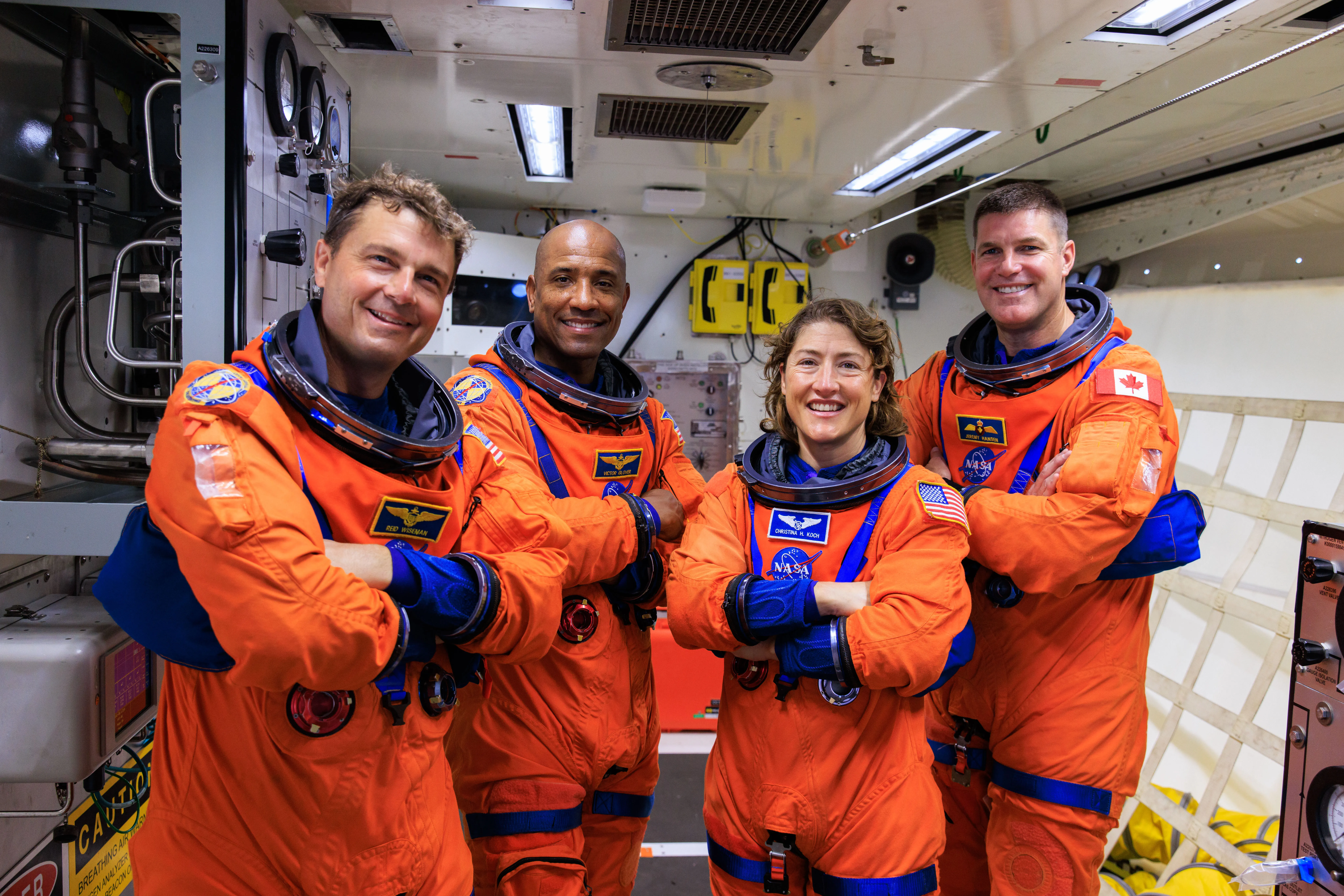
NASA's Artemis 2 mission will serve as a platform for studying the effects of deep space on human health, with astronauts acting as subjects for experiments on sleep, stress, immune response, and radiation, while also testing innovative biomedical technologies like organ-on-a-chip devices, to better understand and prepare for long-duration space travel beyond low Earth orbit.
NASA's Artemis II mission will carry the AVATAR experiment, using organ-on-a-chip devices containing astronaut cells to study the effects of deep space radiation and microgravity on human health, aiming to improve astronaut protection and advance personalized medicine.
NASA's Artemis II mission will serve as both a test flight and a scientific research platform, with astronauts acting as subjects to study the effects of deep space on human health, immune response, and performance, while also exploring the Moon and testing new technologies like organ-on-a-chip and radiation sensors to inform future lunar and Mars missions.
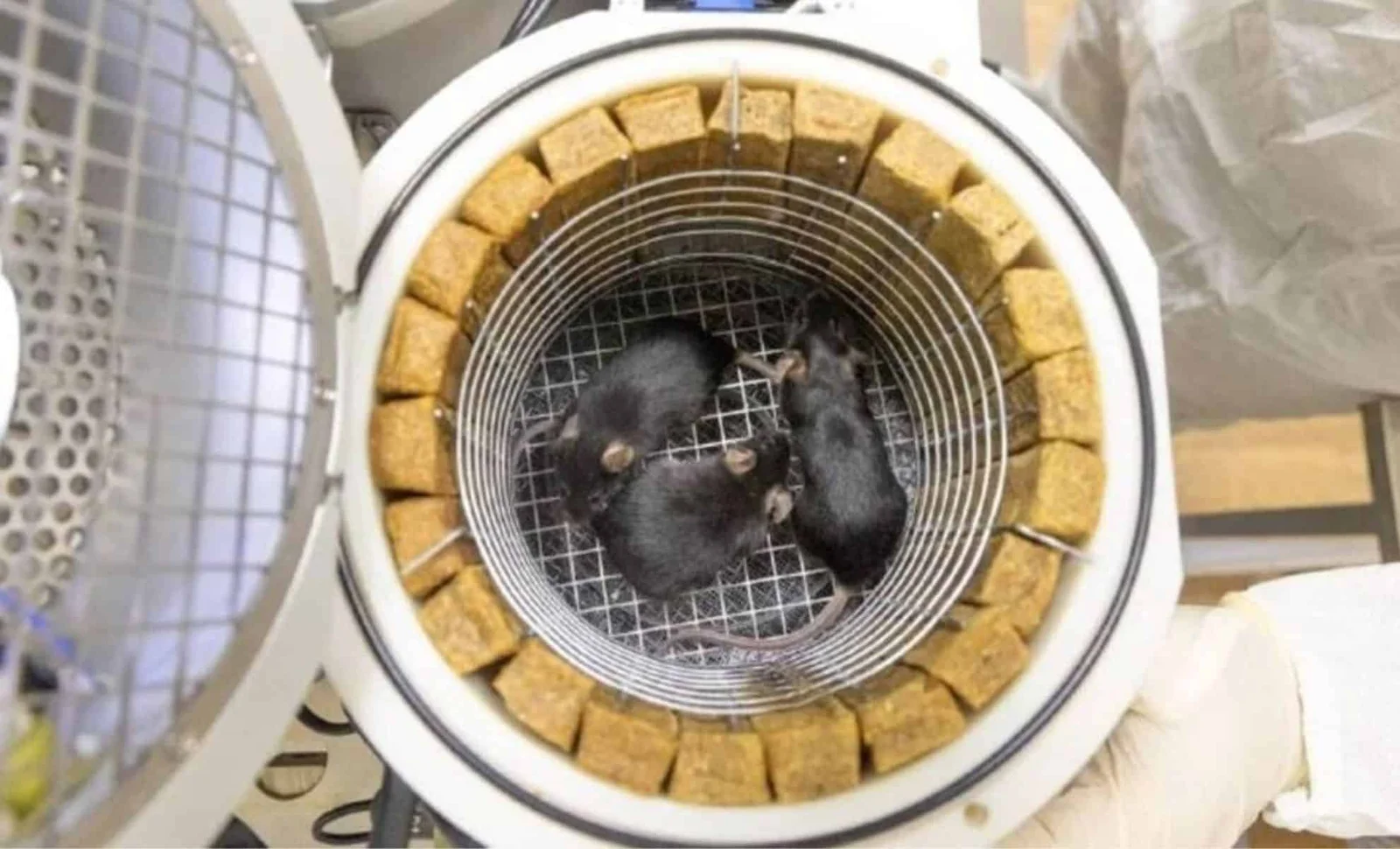
Russia's Bion-M No. 2 mission, launching in August 2025, will study the effects of space radiation and microgravity on mice, fruit flies, and lunar simulants to advance understanding of space biology and future lunar construction, with a focus on long-term space travel health risks.
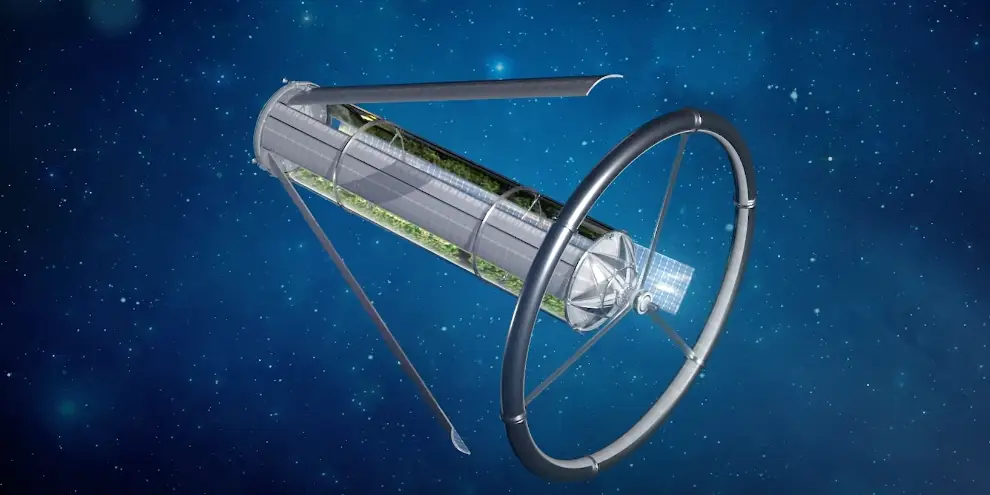
Living beyond Earth is currently deemed impossible due to significant challenges such as human health risks from microgravity and radiation, lack of breathable atmosphere on other celestial bodies, and the immense technical and financial hurdles of building sustainable habitats in space or on planets like Mars and the Moon. While concepts like space habitats and in-situ resource utilization are being explored, the human body's adaptation and protection from space hazards remain major obstacles.
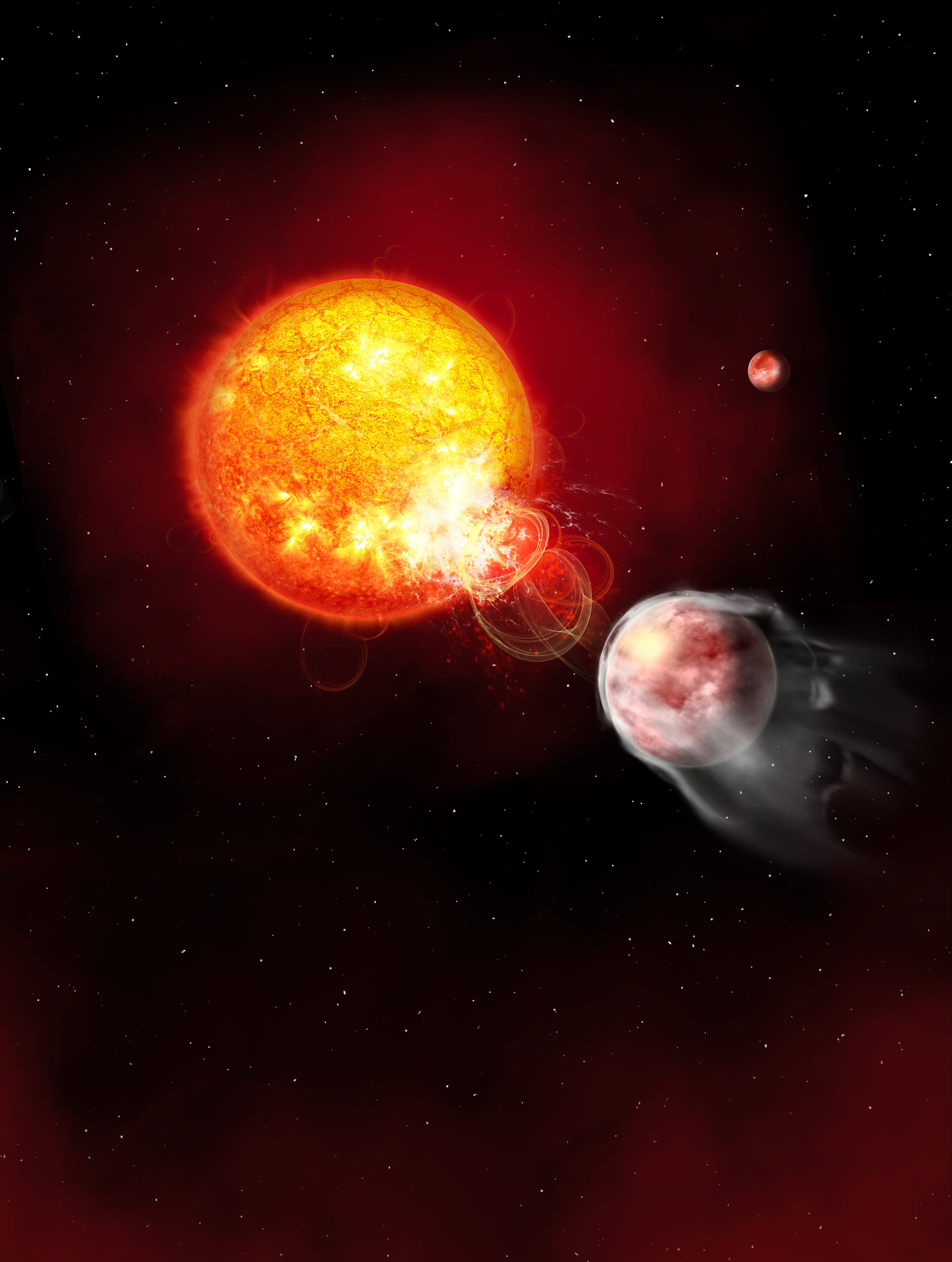
Astronomers using Cheops and TESS have discovered that the exoplanet HIP 67522 b, which orbits a young, active star, appears to trigger intense stellar flares that erode its wispy atmosphere, potentially leading to its transformation from a Jupiter-sized to a Neptune-sized planet within 100 million years, marking the first evidence of a planet influencing its host star's magnetic activity.
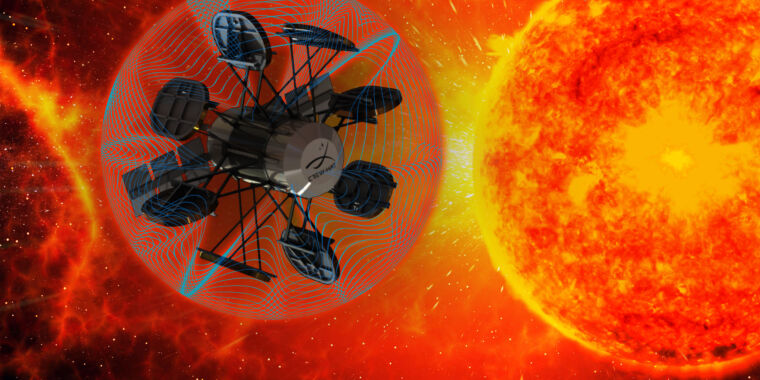
Space radiation poses a significant challenge for long-duration space missions, with solar events and galactic cosmic rays presenting different threats. While passive shielding is effective against solar events, it is inadequate for protecting against high-energy cosmic rays. Active shielding, which deflects charged particles like Earth's magnetic field, is a promising solution but has been difficult to implement. Earth's natural shielding system, consisting of its magnetic field, atmosphere, and planetary mass, provides significant protection, but replicating this in space is challenging. Developing miniaturized, portable active shielding technology may be the key to protecting astronauts on future deep space missions.
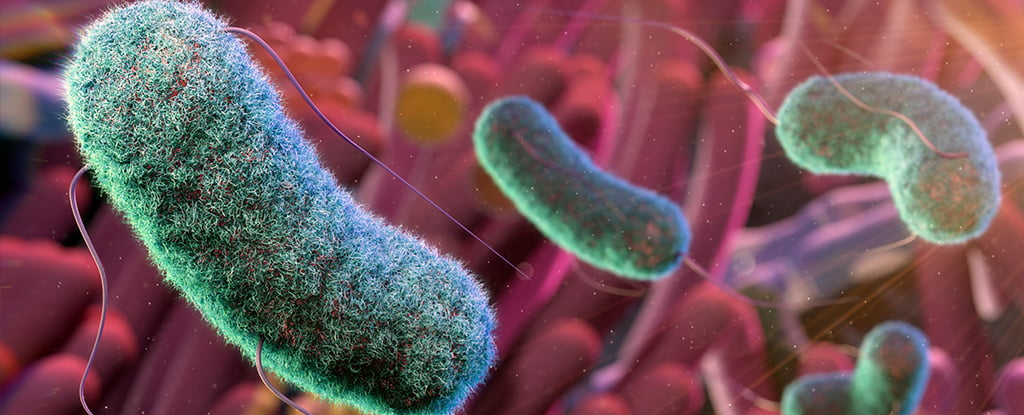
A recent study by an international team of scientists has highlighted the potential impact of prolonged space travel on the human gut microbiome, emphasizing the increased stress from microgravity and space radiation, including Galactic Cosmic Rays (GCR). The researchers recommend further research to understand the risks associated with the space environment and suggest using the International Space Station (ISS) as an ideal environment for testing the human microbiome response to space radiation and microgravity. They stress the need for additional research to estimate the magnitude of adaptation in microorganisms before crewed deep-space exploration can be realized, as it has the potential to identify potential pathogens and develop strategies to prevent their spread during missions.
A recent study has highlighted the risks of space radiation to lunar and Martian exploration, focusing on a Solar Energetic Particle (SEP) event detected on the surfaces of Earth, the Moon, and Mars. The research emphasizes the varying levels of natural protection against radiation on these celestial bodies and underscores the need for effective shielding to ensure astronaut safety in future space missions. Earth's magnetic field and atmosphere provide some protection, but the Moon and Mars lack similar shielding. Without adequate shielding, future lunar missions could face radiation risks during approximately one out of every five SEP events, while extreme SEP events during the journey to Mars or in Martian orbit pose a significant radiation risk for deep space missions.
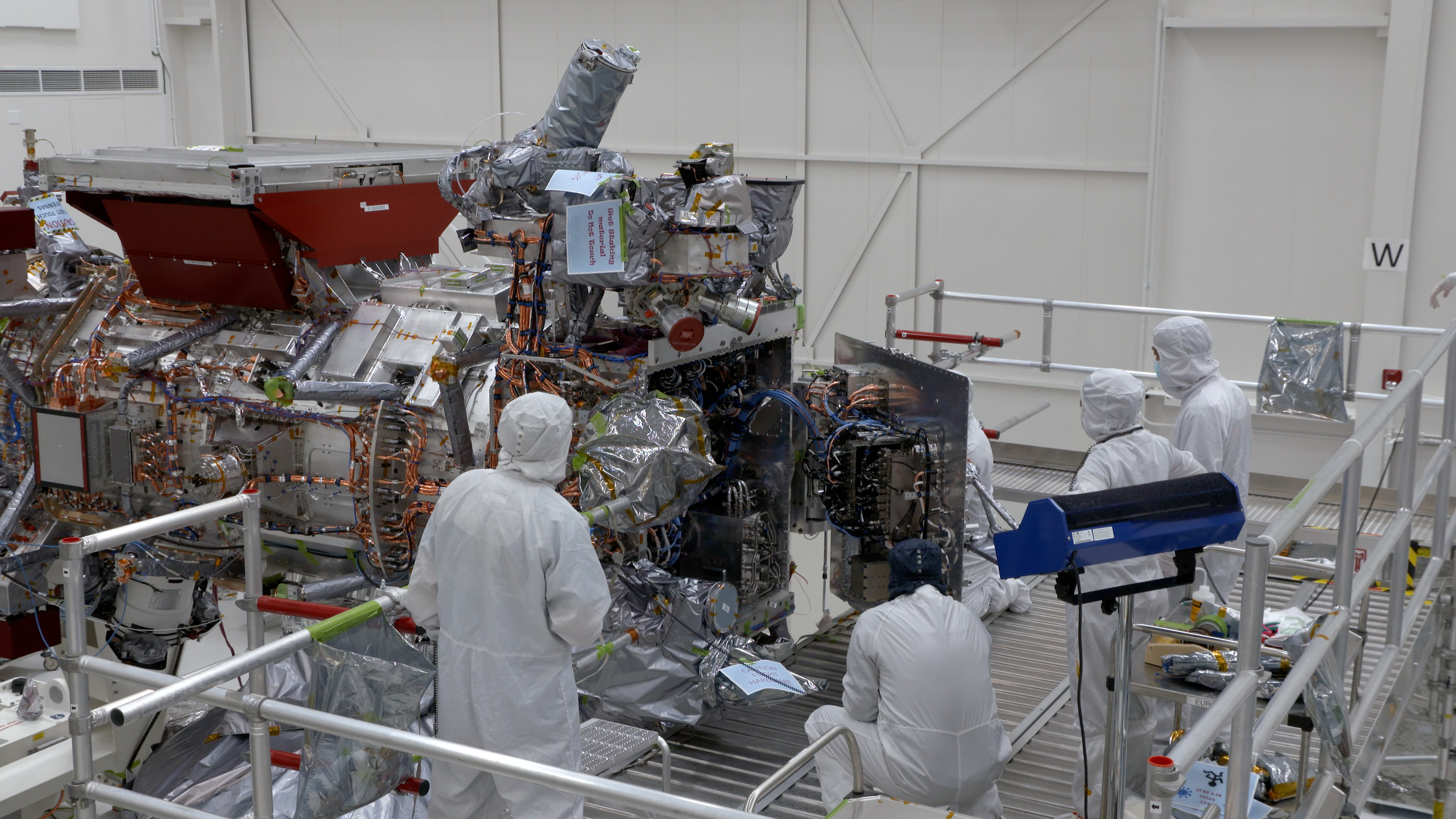
NASA's Europa Clipper mission, set to launch in October 2024, will face intense radiation and high-energy particles surrounding Jupiter as it investigates the ice-encrusted moon Europa. To protect the spacecraft's electronics, a specially designed aluminum vault has been sealed, reducing the radiation environment to acceptable levels. The mission will orbit Jupiter itself to minimize exposure to the harsh radiation and will fly past Europa nearly 50 times to gather scientific data. Scientists believe that radiation modifies Europa's surface and hope to study its effects. Understanding the radiation environment and its impact on Europa's geology and potential for habitability could unlock more secrets of the Jupiter system.
A NASA scientist, Dr. Michelle Thaller, has warned that Elon Musk's plans to establish a human colony on Mars could be a suicide mission due to the risks of space radiation. Dr. Thaller explained that the current technology is insufficient to protect humans on the journey to Mars, and they could be killed by radiation before reaching the planet. She cited the example of solar flares or ejections of material from the Sun as potential threats. Despite the concerns, Dr. Thaller expressed her desire to see humans on Mars in the future.
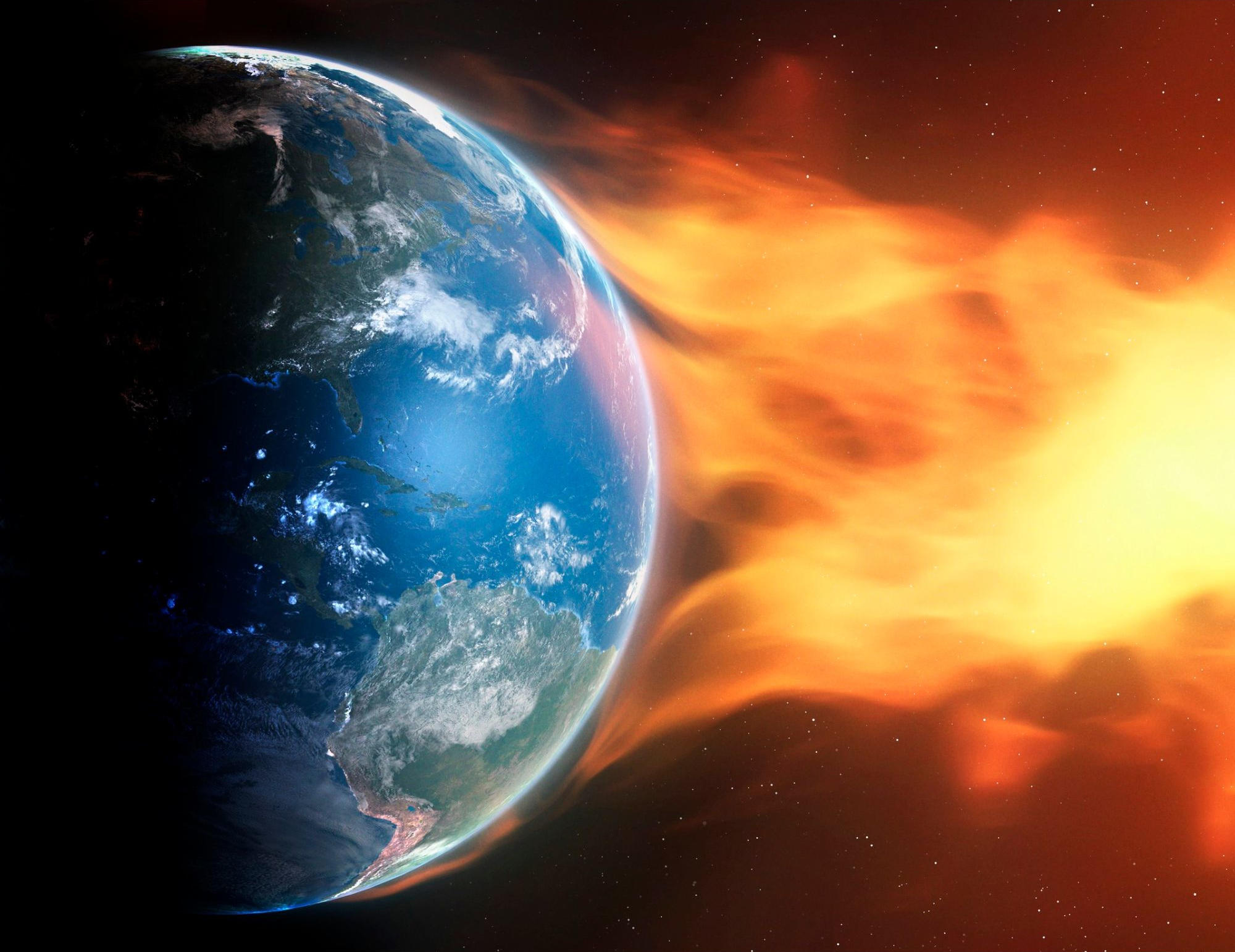
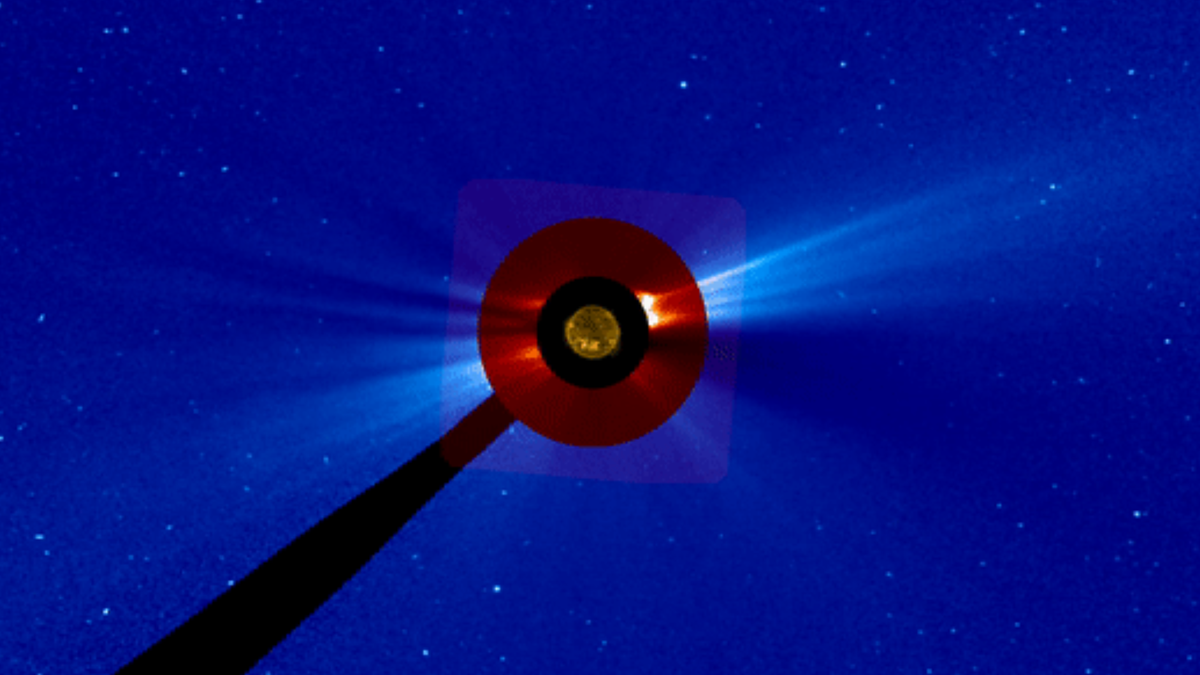
A solar eruption in October 2021 was detected on Earth, the moon, and Mars simultaneously, providing valuable insights into how a planet's magnetic field and atmosphere protect against space radiation. The eruption, known as a coronal mass ejection (CME), demonstrated the need to protect human space exploration missions from the dangers of space radiation. While Earth's magnetic field shields life from solar radiation, Mars and the moon lack a magnetic field, making them more susceptible to charged particles. Understanding the impact of solar radiation on these celestial bodies is crucial for future crewed missions. Measurements taken during the eruption showed that the moon received a radiation dose below the lethal level, while Mars' thin atmosphere reduced potential radiation absorption significantly.