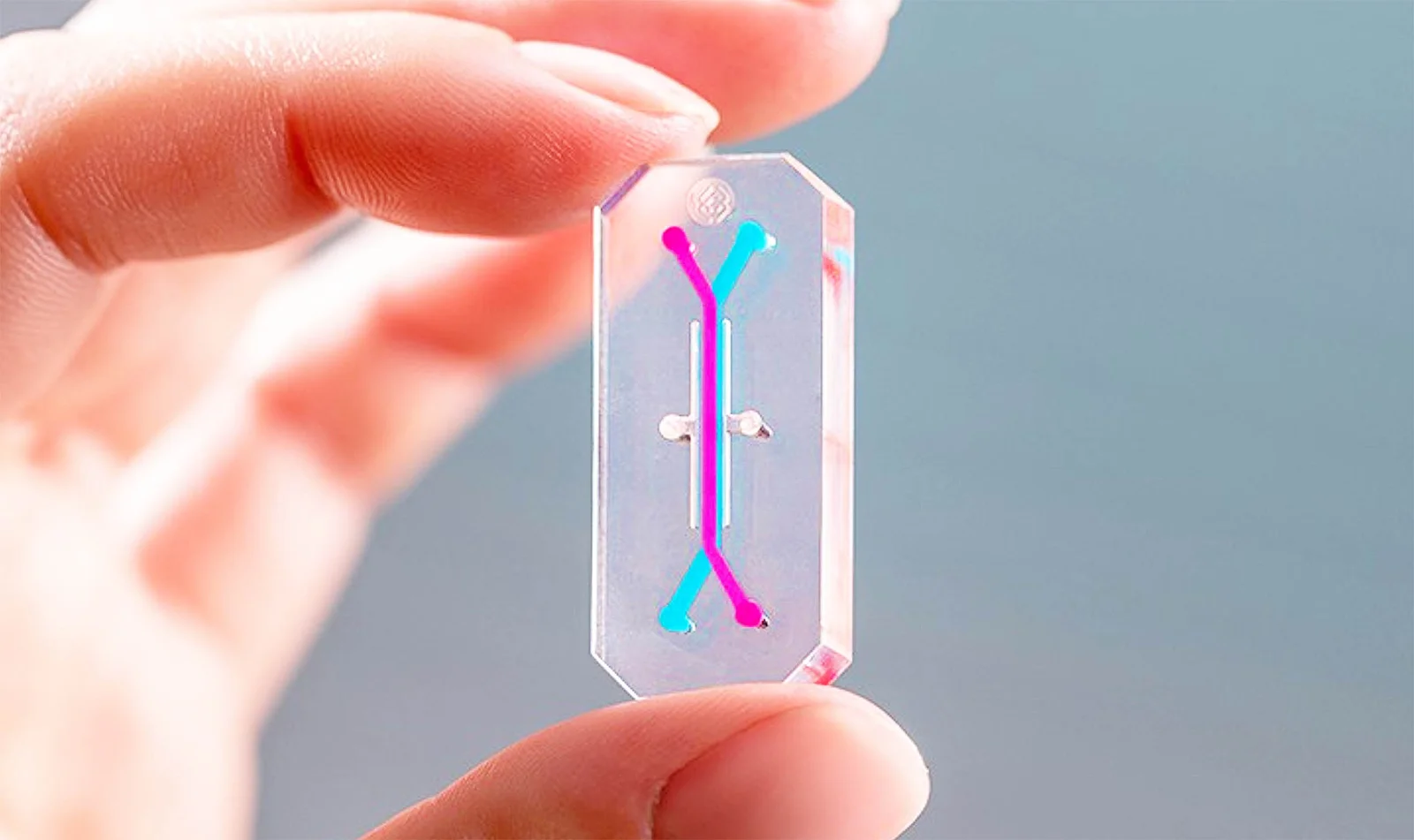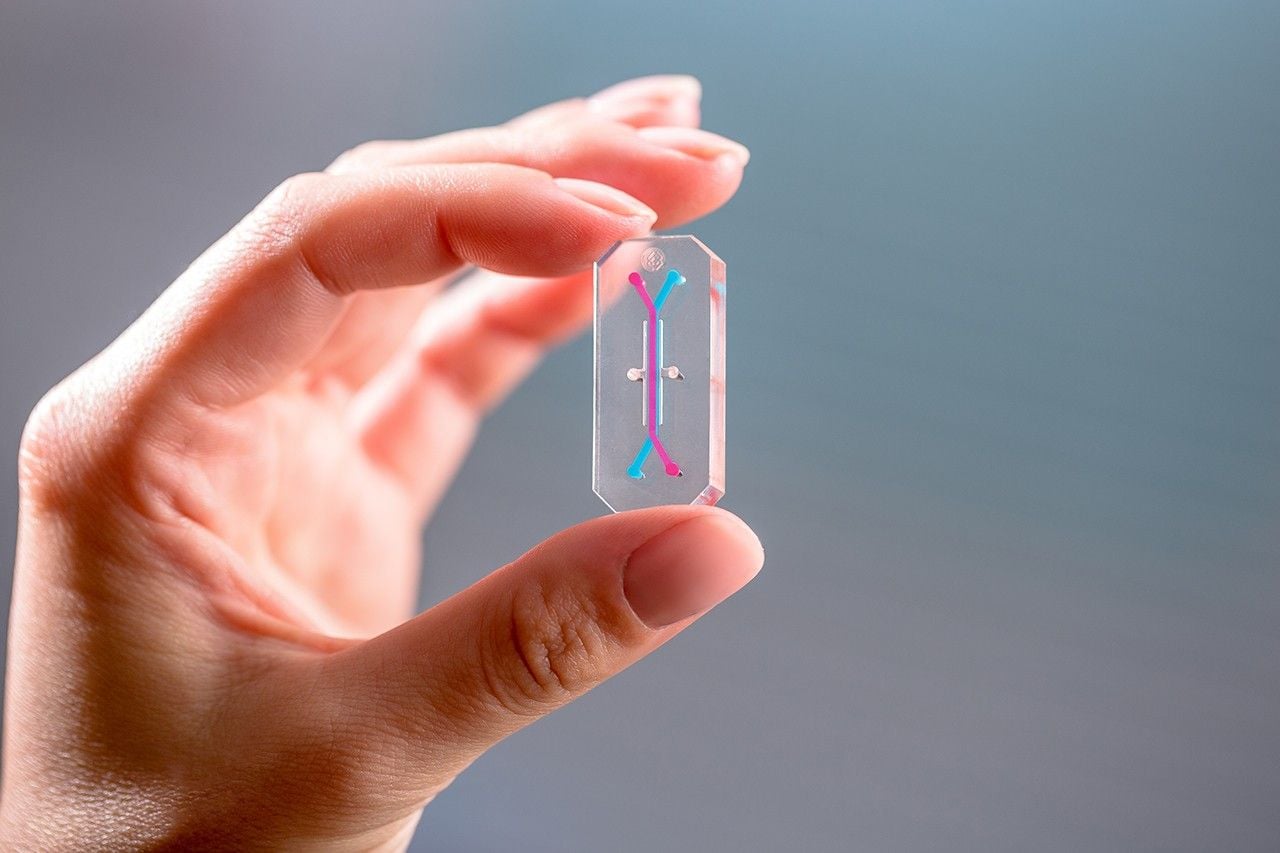
The UK government has announced plans to phase out animal testing for safety assessments by the end of 2025, replacing many tests with human cell-based and computer simulation methods, aiming to significantly reduce animal use in scientific research by 2030, while acknowledging the challenges and limitations of non-animal models.
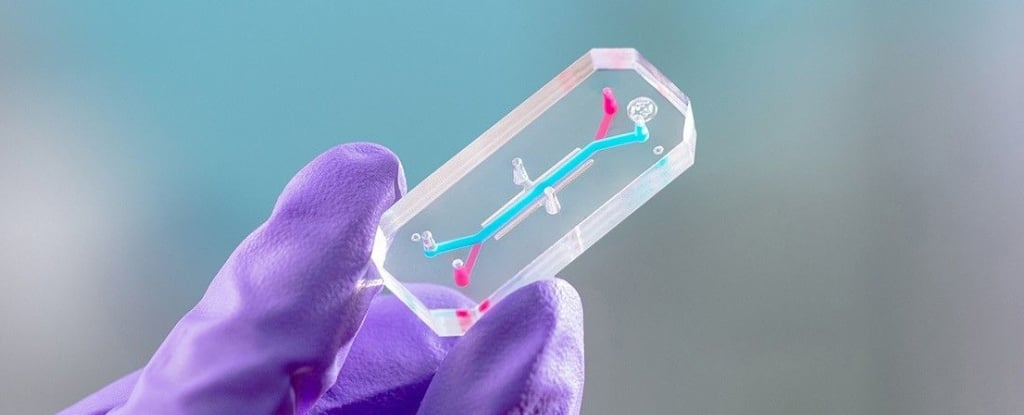
NASA's AVATAR project involves creating miniature tissue chips from astronauts' cells to study space hazards and develop personalized countermeasures, potentially revolutionizing space travel and medicine on Earth.
NASA is deploying tiny lab devices called organ chips with human cells aboard Artemis II to study how space affects human biology, focusing initially on bone marrow, to improve health protections for astronauts on lunar and Mars missions. These chips will help personalize medical care, predict responses to space radiation, and enhance safety during long-duration space travel.
NASA's Artemis II mission will carry the AVATAR experiment, using organ-on-a-chip devices containing astronaut cells to study the effects of deep space radiation and microgravity on human health, aiming to improve astronaut protection and advance personalized medicine.
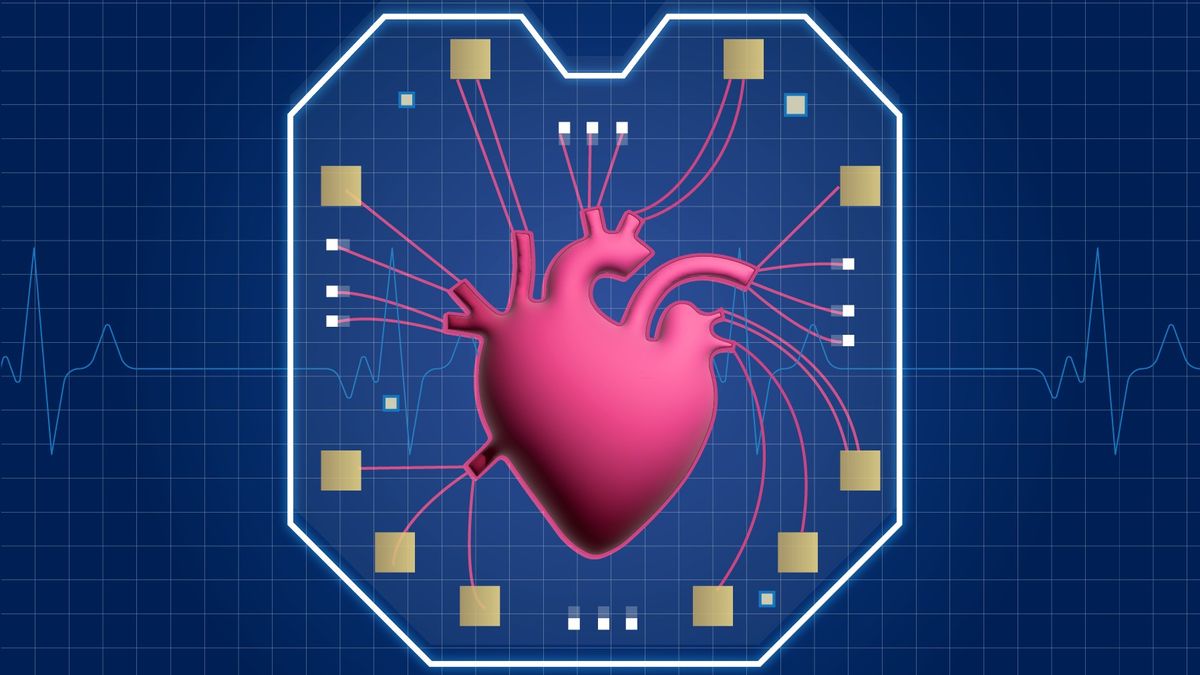
Scientists have developed a new "heart-on-a-chip" device the size of a credit card, mimicking human heart biology to study heart disease and aid drug discovery. This technology, part of the organ-on-a-chip systems, aims to revolutionize drug development by providing more accurate ways to mimic human organs in the lab, potentially reducing or replacing animal testing. While further refinement is needed, these models have the potential to shift the way new drugs are developed and tested, as recognized by the FDA.