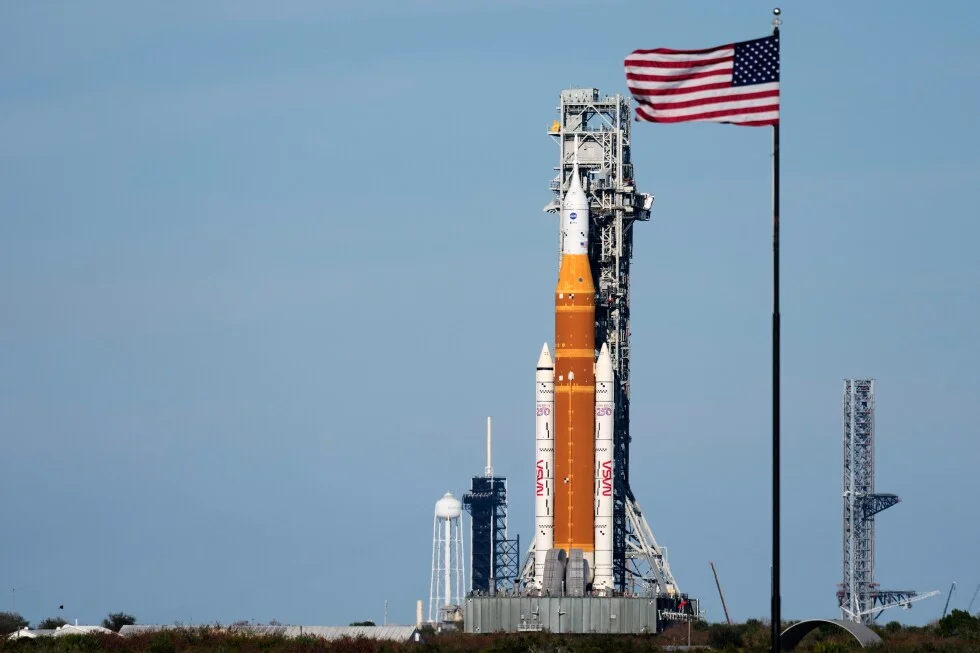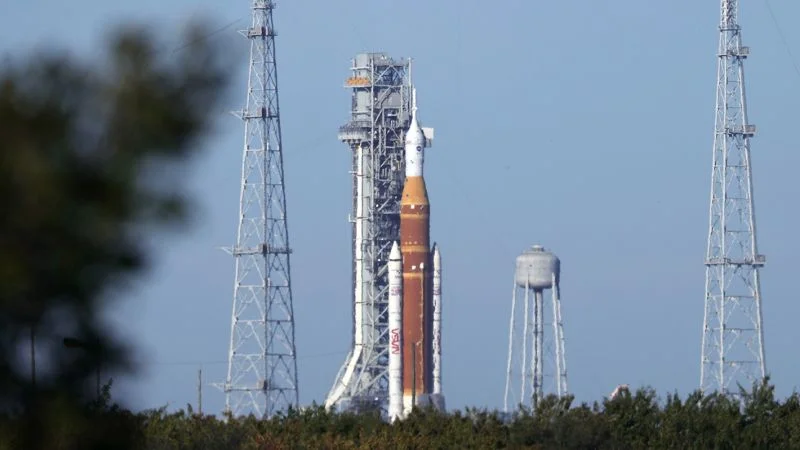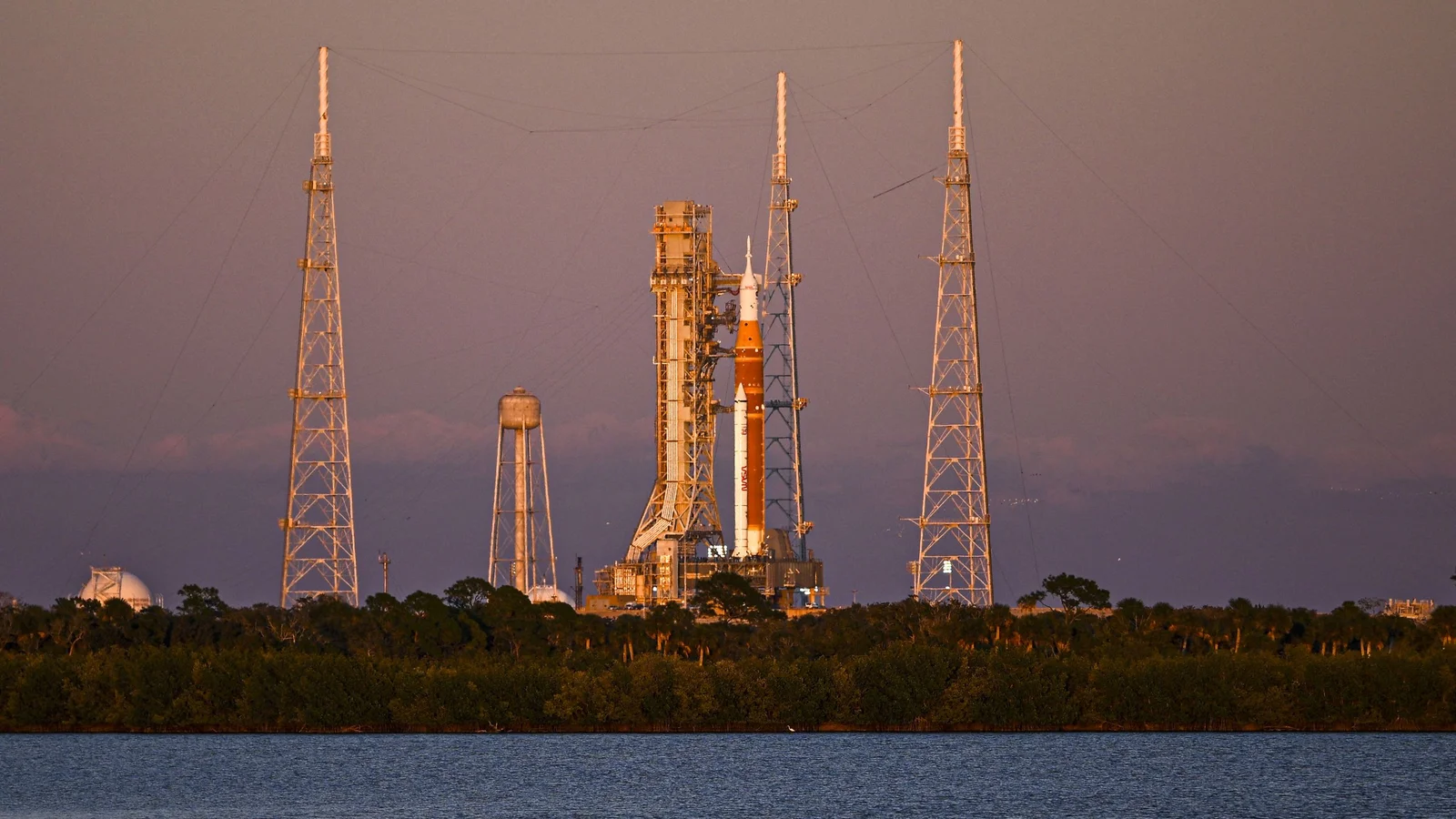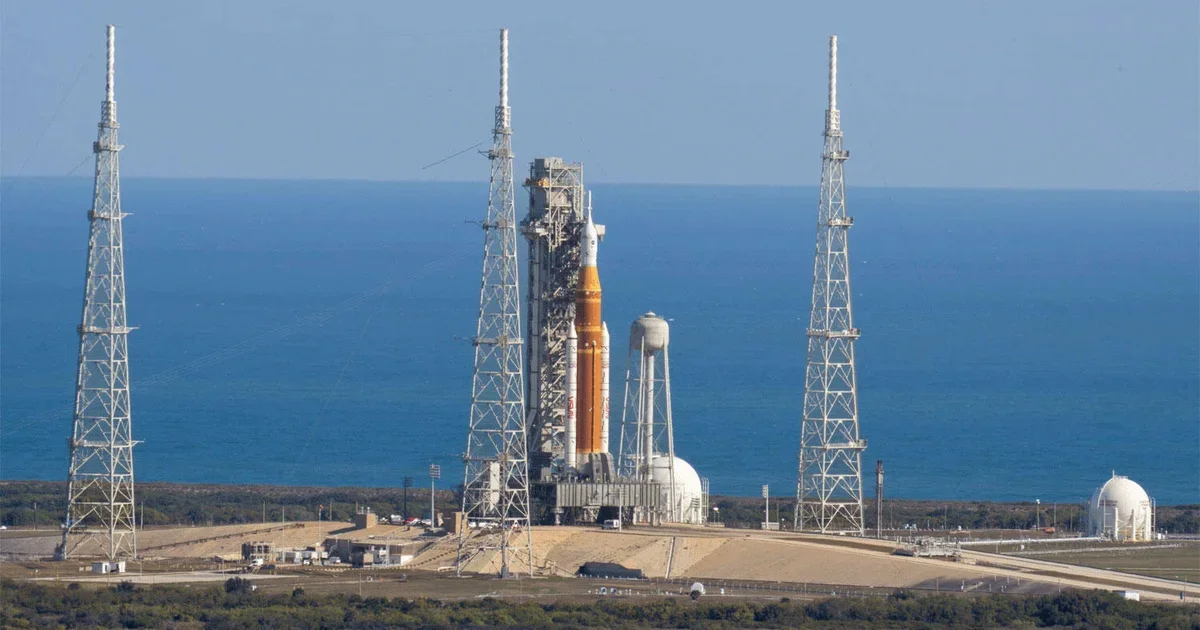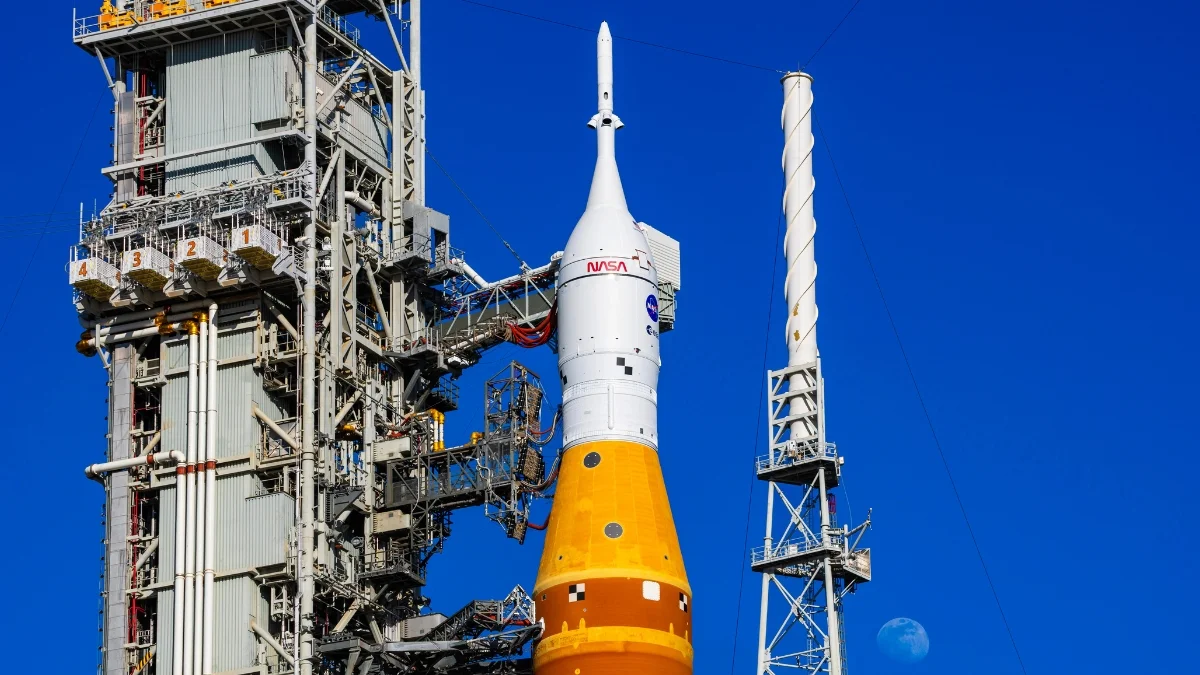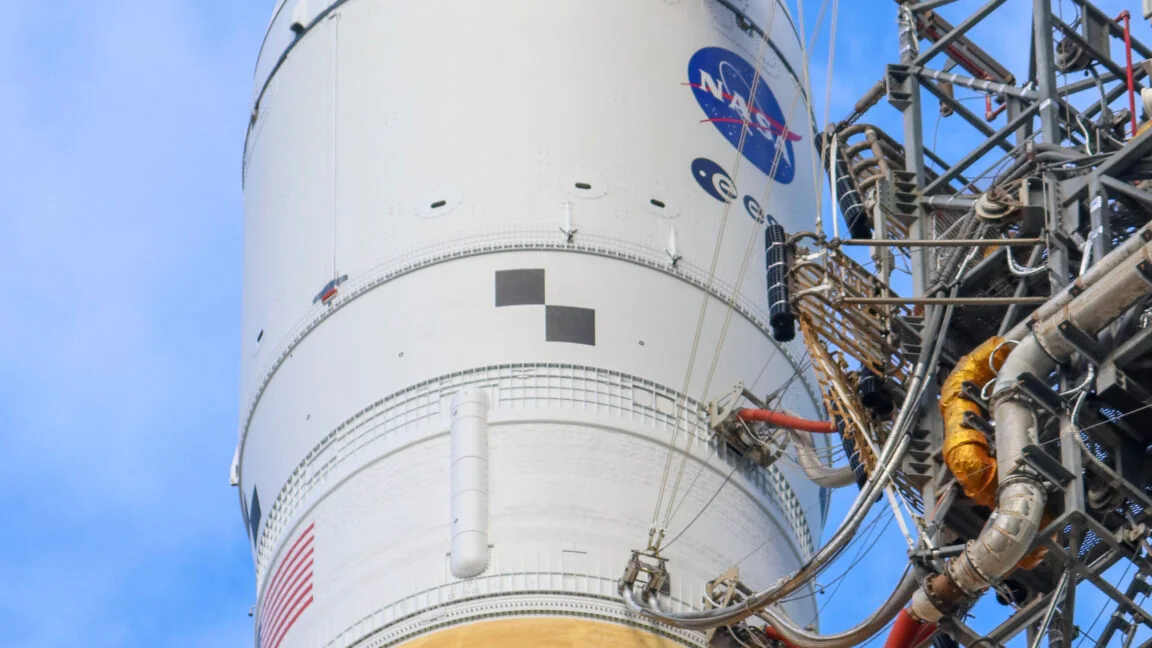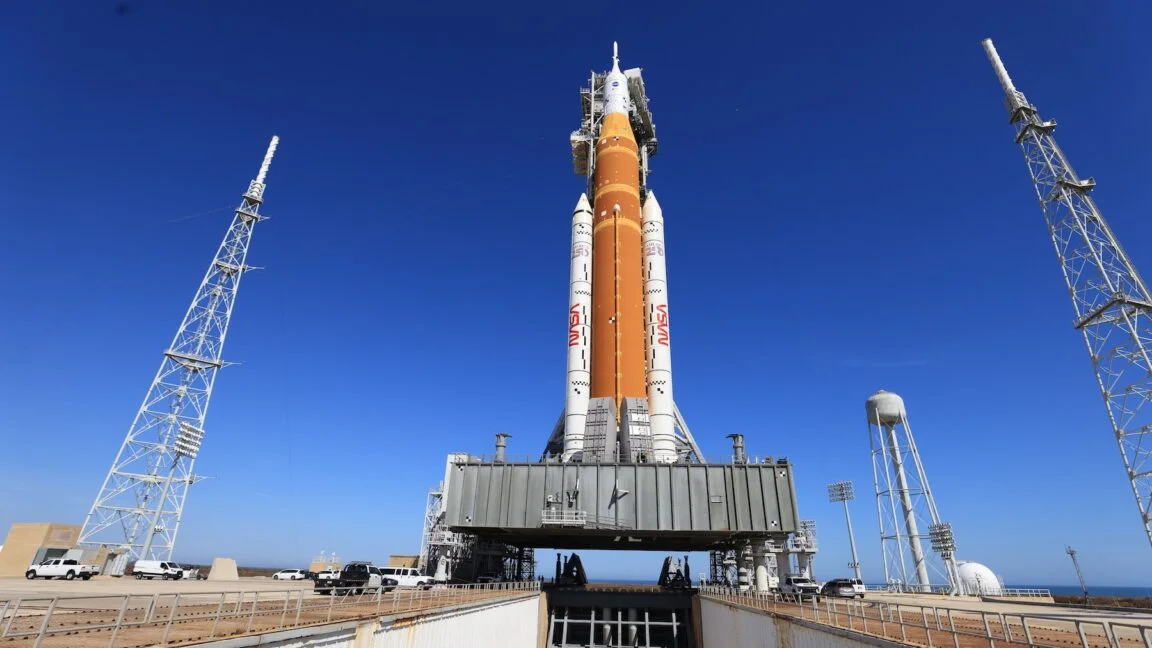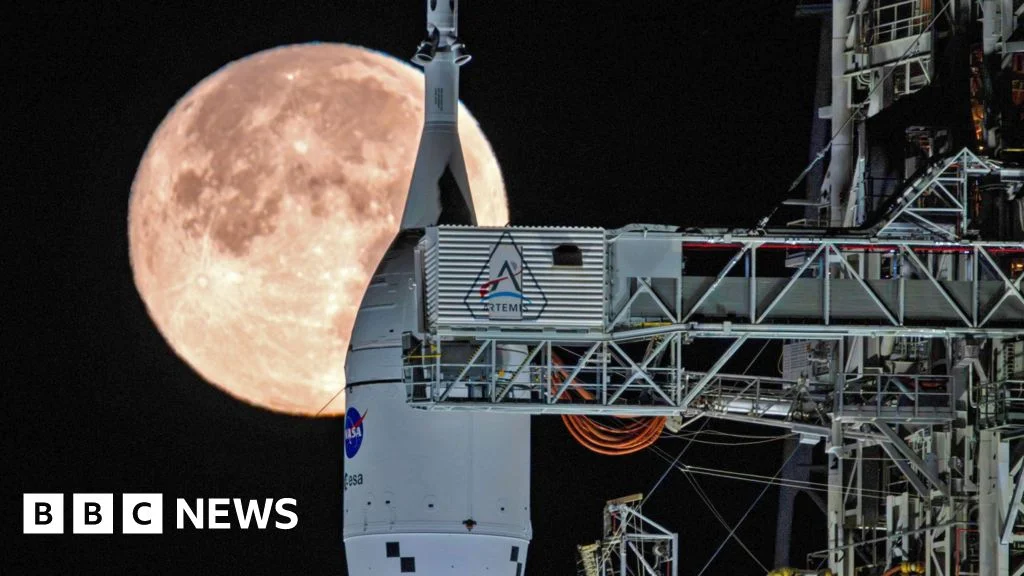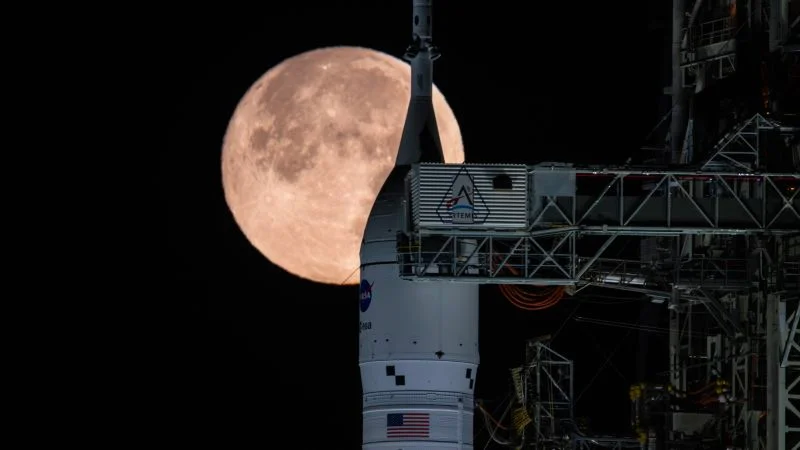
NASA's Artemis II mission, the first crewed Moon mission in over 50 years, is scheduled to launch between February 6 and April 2023 from Kennedy Space Center, with a crew of four astronauts testing spacecraft systems and preparing for future lunar landings, but it will not land on the Moon itself.
The article highlights six major space events in 2026, including NASA's Artemis II moon mission, India's Gaganyaan-1 crew capsule, the Pandora exoplanet hunter, the Haven-1 space station, the Boeing Starliner return to flight, and lunar rover missions, marking significant advancements in human space exploration and scientific discovery.
NASA's Artemis II mission, set to launch as early as February 2023, will send four astronauts on a lunar flyby to test spacecraft systems and gather scientific data, marking a significant step toward returning humans to the moon and establishing a lunar base, amid technological challenges and geopolitical interest.
NASA plans to launch Artemis II in 2026, a crewed mission around the moon to test new spacecraft and systems, marking a significant step in returning humans to the lunar surface and advancing space exploration goals.
NASA's Artemis II closeout crew, acting as a 'pit crew,' prepares astronauts for launch by assisting with suit-up, securing inside the Orion spacecraft, and closing hatches, ensuring everything is ready for the lunar mission, which is a key step toward future Moon and Mars exploration.
NASA's Artemis II crew and teams conducted a comprehensive countdown demonstration test at Kennedy Space Center, practicing launch procedures and emergency protocols ahead of their upcoming Moon mission, marking a significant step in NASA's Artemis program for future lunar and Mars exploration.
NASA Kennedy Space Center in 2025 prepared for the Artemis II Moon mission, launched multiple lunar landers and spacecraft, conducted astronaut missions to the International Space Station, and advanced Mars exploration plans, including testing the Orion spacecraft and stacking it with the SLS rocket for upcoming lunar missions.
In 2025, NASA made significant strides in space exploration, including preparing for the Artemis II crewed Moon mission, advancing Mars exploration efforts, launching scientific missions, and strengthening international partnerships, all while engaging the public through digital media and educational activities.
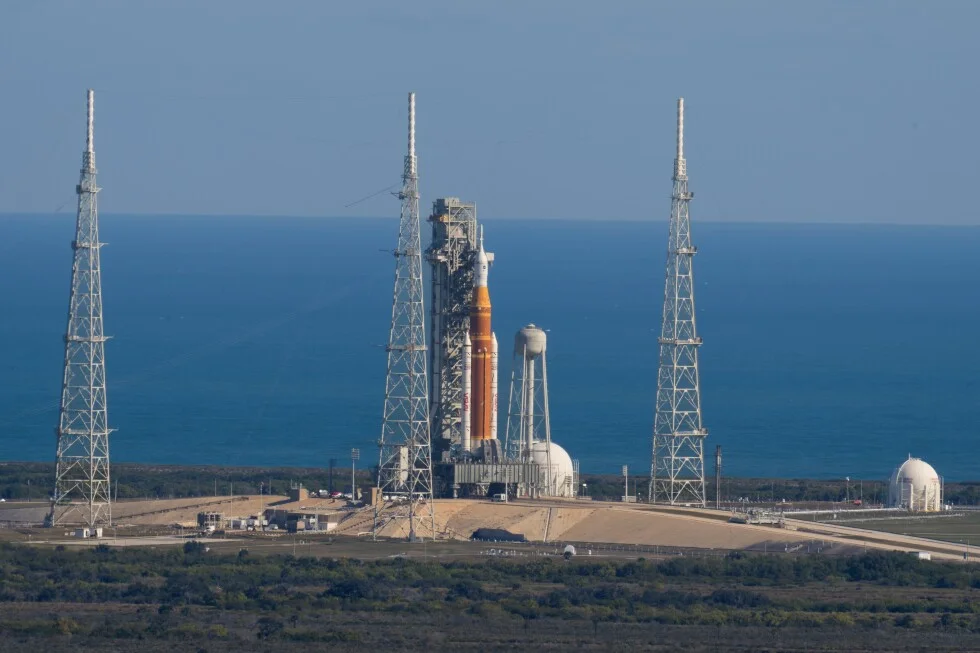
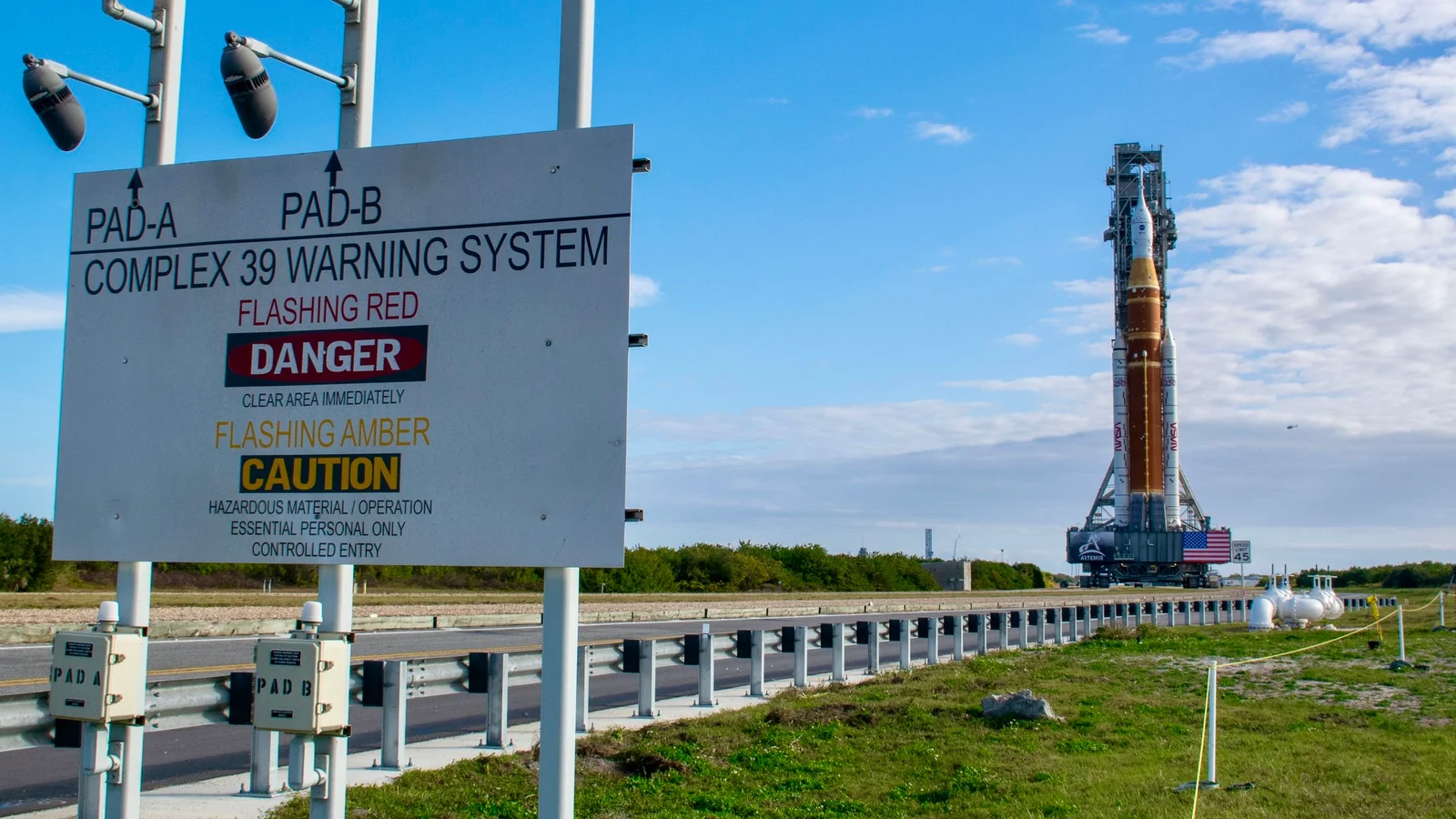
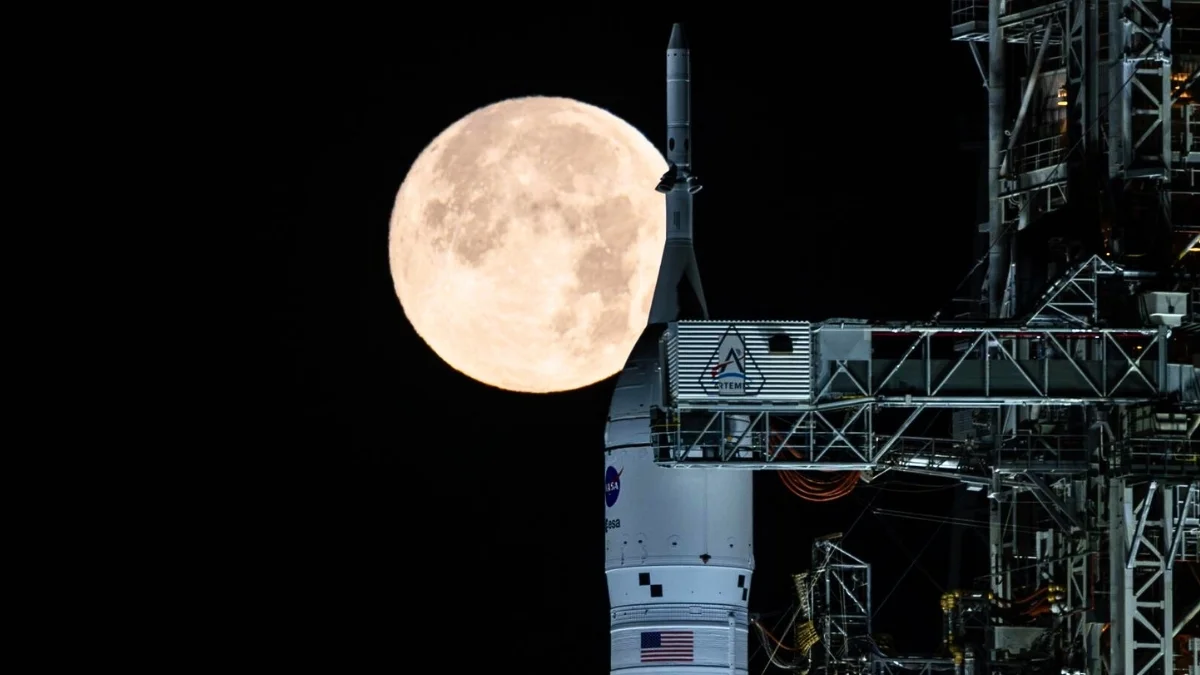
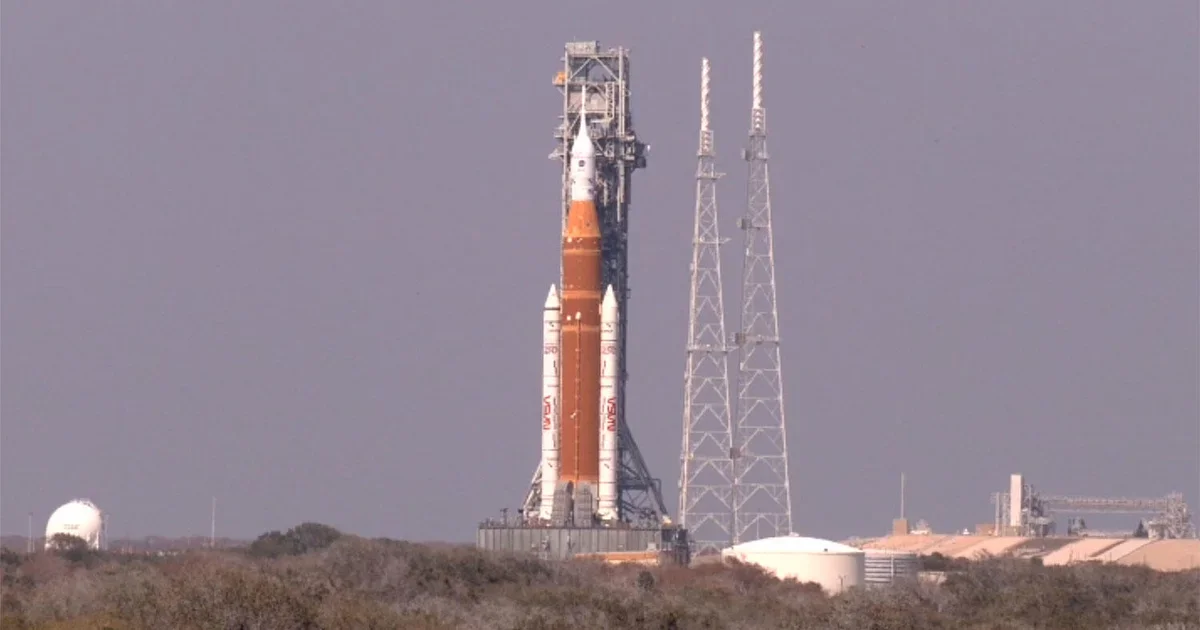
NASA has completed stacking its SLS rocket and Orion spacecraft at Kennedy Space Center for the Artemis II mission, which aims to send four astronauts around the moon as early as February, marking a significant step toward returning humans to the lunar surface and paving the way for future Artemis missions.
NASA's Artemis II mission aims to orbit the moon with a crewed spacecraft in 2026, marking the first human lunar orbit since 1972, as a crucial step towards returning humans to the lunar surface by 2027. The mission involves extensive testing and training to ensure safety and success, with astronauts practicing spacecraft operations and recovery procedures.
NASA's Orion spacecraft, named Integrity, was successfully connected to the SLS rocket at Kennedy Space Center, marking a major milestone for the Artemis II mission, which aims to send four astronauts around the Moon early next year, with a planned launch window from February to April 2026.
NASA's Orion spacecraft has arrived at the Vehicle Assembly Building at Kennedy Space Center, Florida, where it will be stacked on its rocket for the Artemis II Moon mission, potentially launching as early as February 2024 with astronauts Reid Wiseman, Victor Glover, Christina Koch, and Jeremy Hansen onboard, marking the first crewed lunar trip since 1972.
The Artemis II crew, consisting of three Americans and one Canadian, emphasized international collaboration and inspiring global unity during their upcoming moon mission, set to launch as soon as next February, aiming to make space exploration inclusive and inspiring for all.
NASA's Artemis II mission, aiming to return humans to the Moon for the first time since 1972, is delayed to April 2026 and has experienced a $6 billion increase in costs due to technical and developmental challenges with the Space Launch System, but it marks a significant step toward future lunar and deep space exploration.