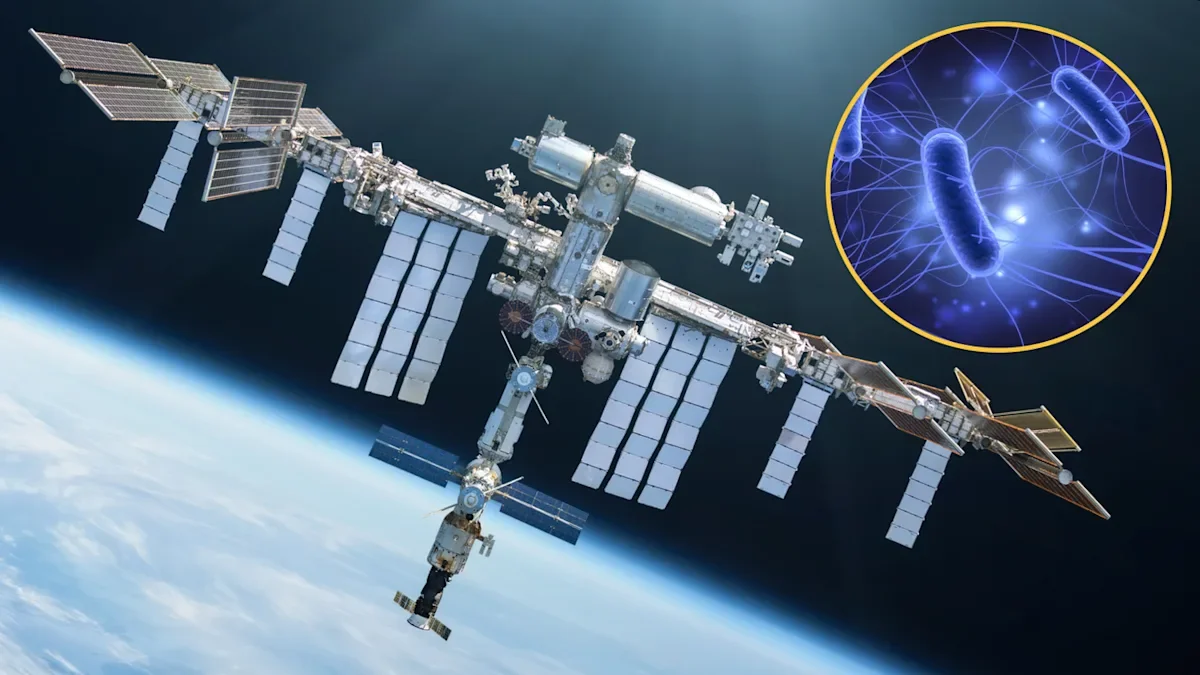
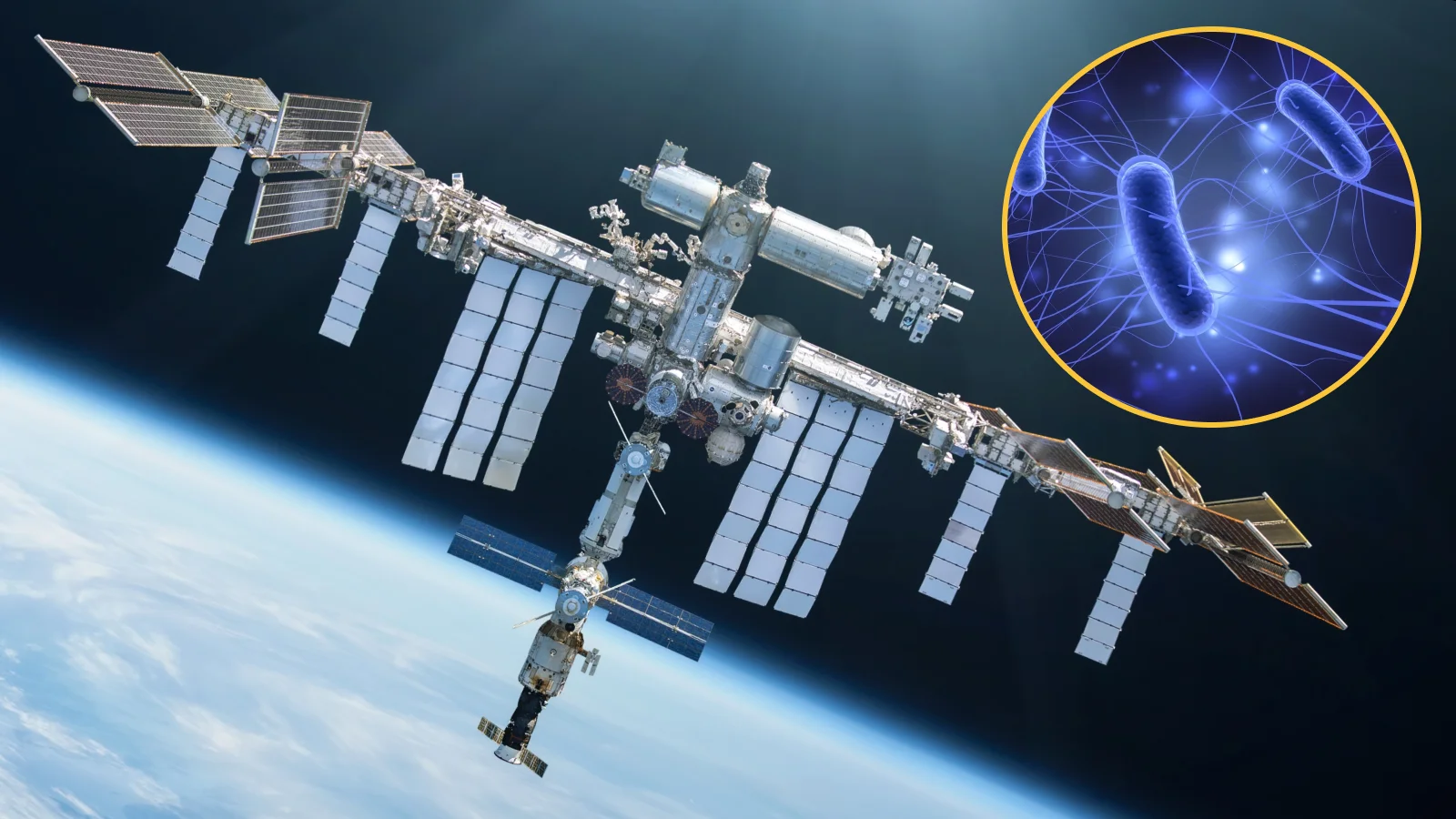
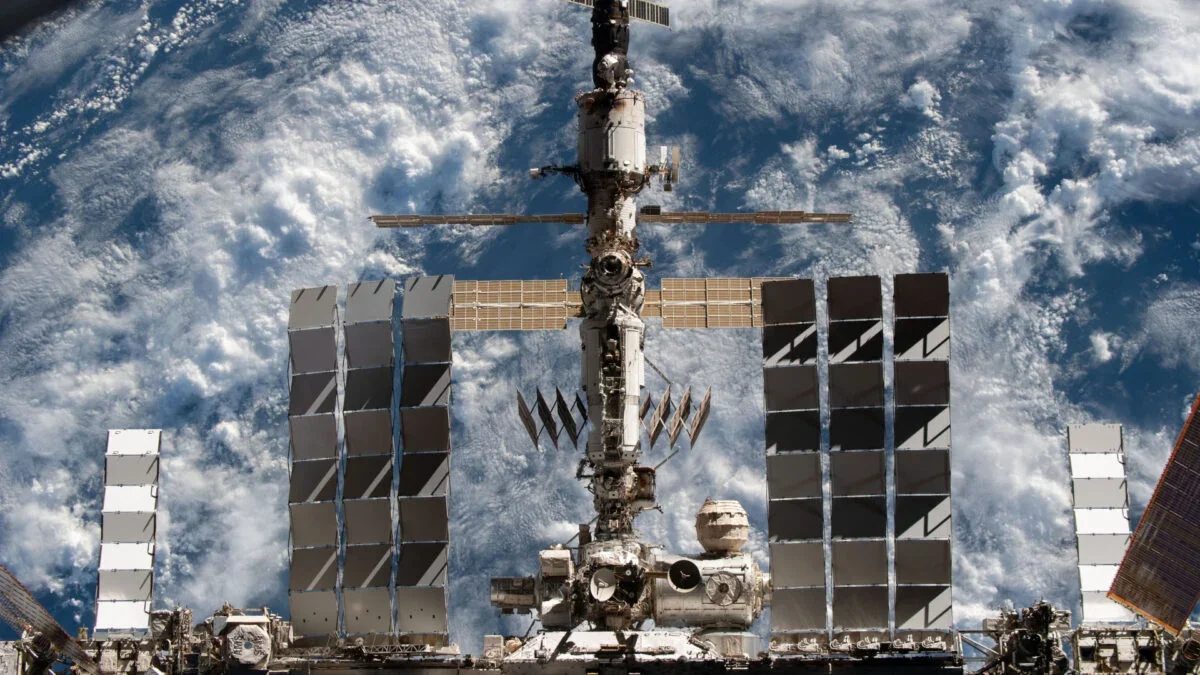
An ISS BioAsteroid experiment tested bacteria and a fungus on asteroid material under microgravity and Earth gravity. Microbes extracted several metals, including palladium and platinum, sometimes outperforming non-biological leaching, though results varied by metal and organism. Overall, 44 elements were extracted, 18 biologically, suggesting microbes could enable more sustainable space mining, but much optimization remains.
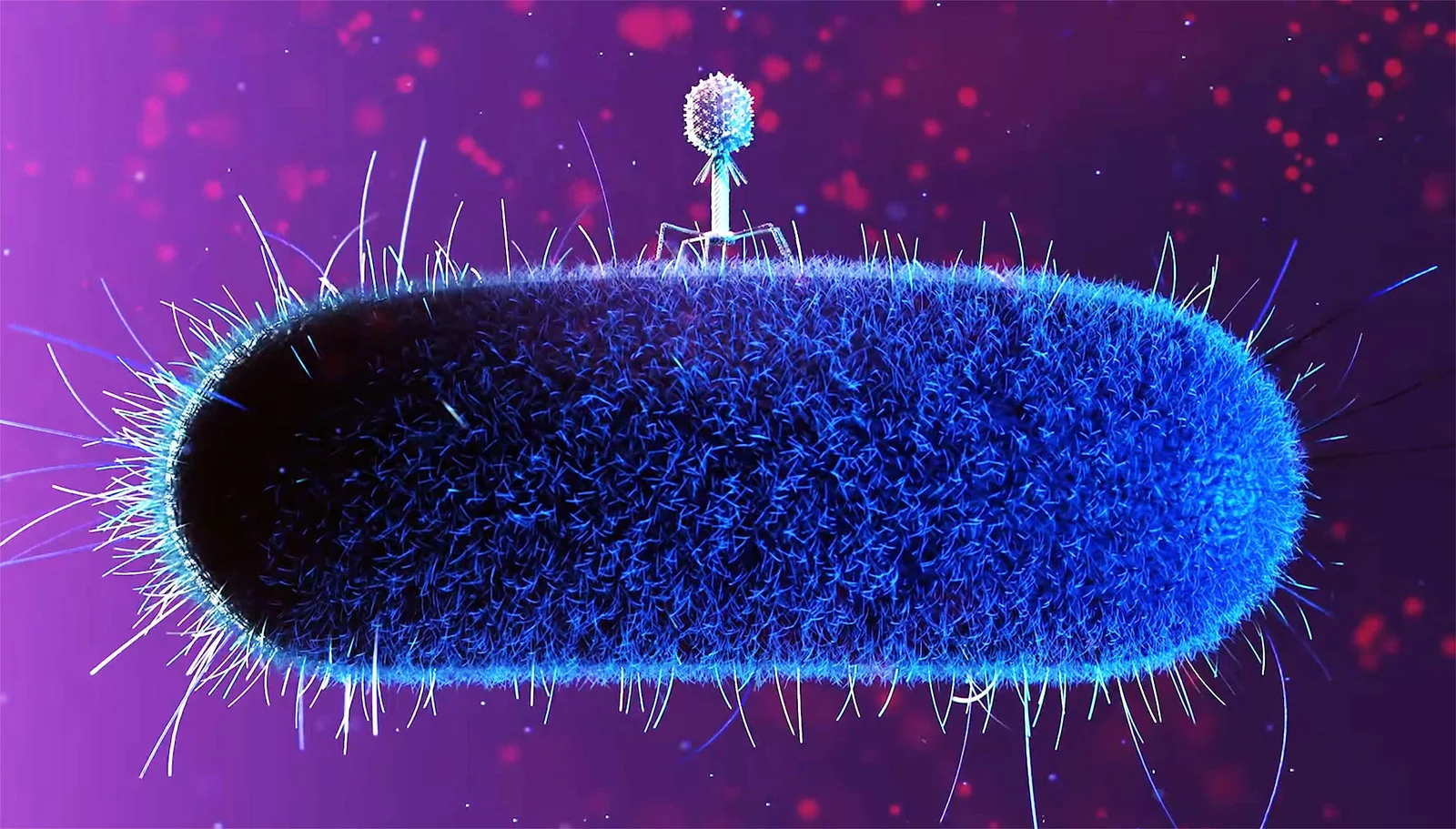
A study comparing phage-bacteria dynamics on the ISS and on Earth shows that the T7 phage infecting E. coli slows in microgravity but can still replicate after a long interval. Space conditions drive distinct mutation patterns in both phage and host, and researchers used microgravity-informed mutations to engineer phage variants that outperform Earth-informed ones against drug-resistant uropathogenic E. coli. The findings suggest extreme environments can reveal new design principles for phage therapy to combat antibiotic resistance and are reported in PLOS Biology.
A new paper argues that long-duration spaceflight could impair fertility, gamete quality, and embryonic development due to space radiation and microgravity, with potential epigenetic and heritable risks for offspring; experts call for a formal reproductive health framework and ethical guidelines for space research, even though reproduction in space is not currently advocated.
A new report in Reproductive BioMedicine Online warns that reproducing in space is far from safe due to radiation, microgravity, and lunar dust, which may affect fertility, pregnancy, and offspring. It calls for a global ethical framework, better shielding, medical countermeasures, and advanced assisted reproduction tools before any long-duration missions, effectively delaying space births until safeguards are in place.
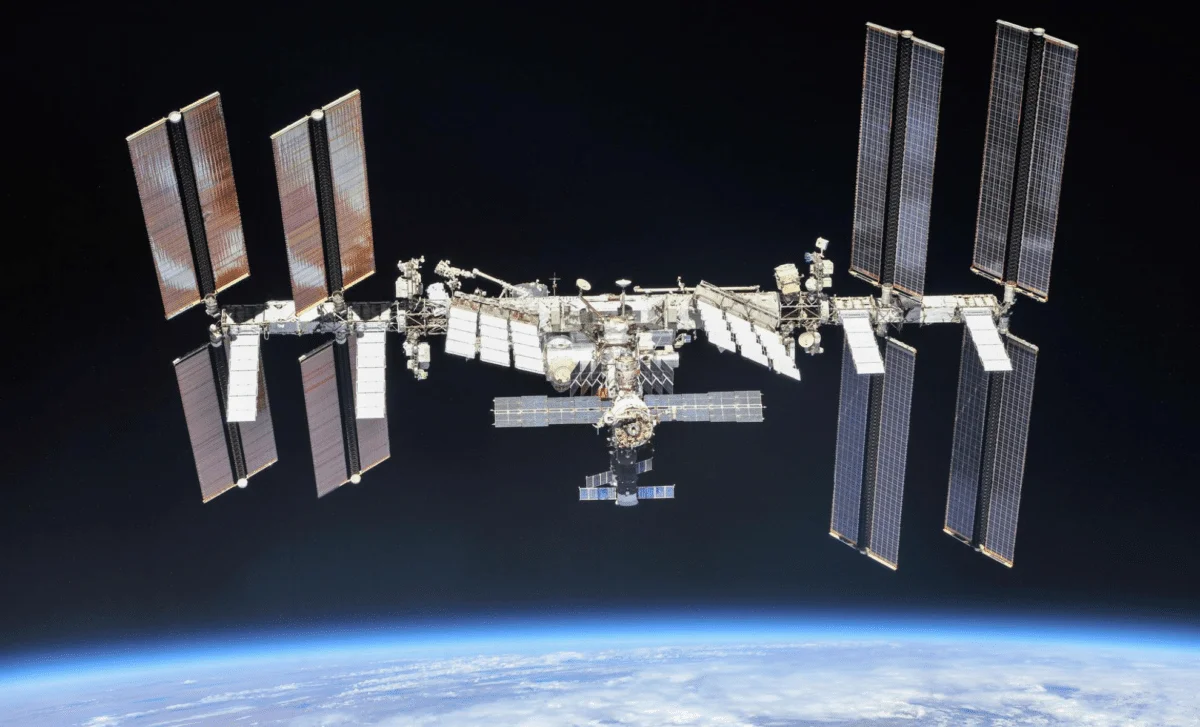
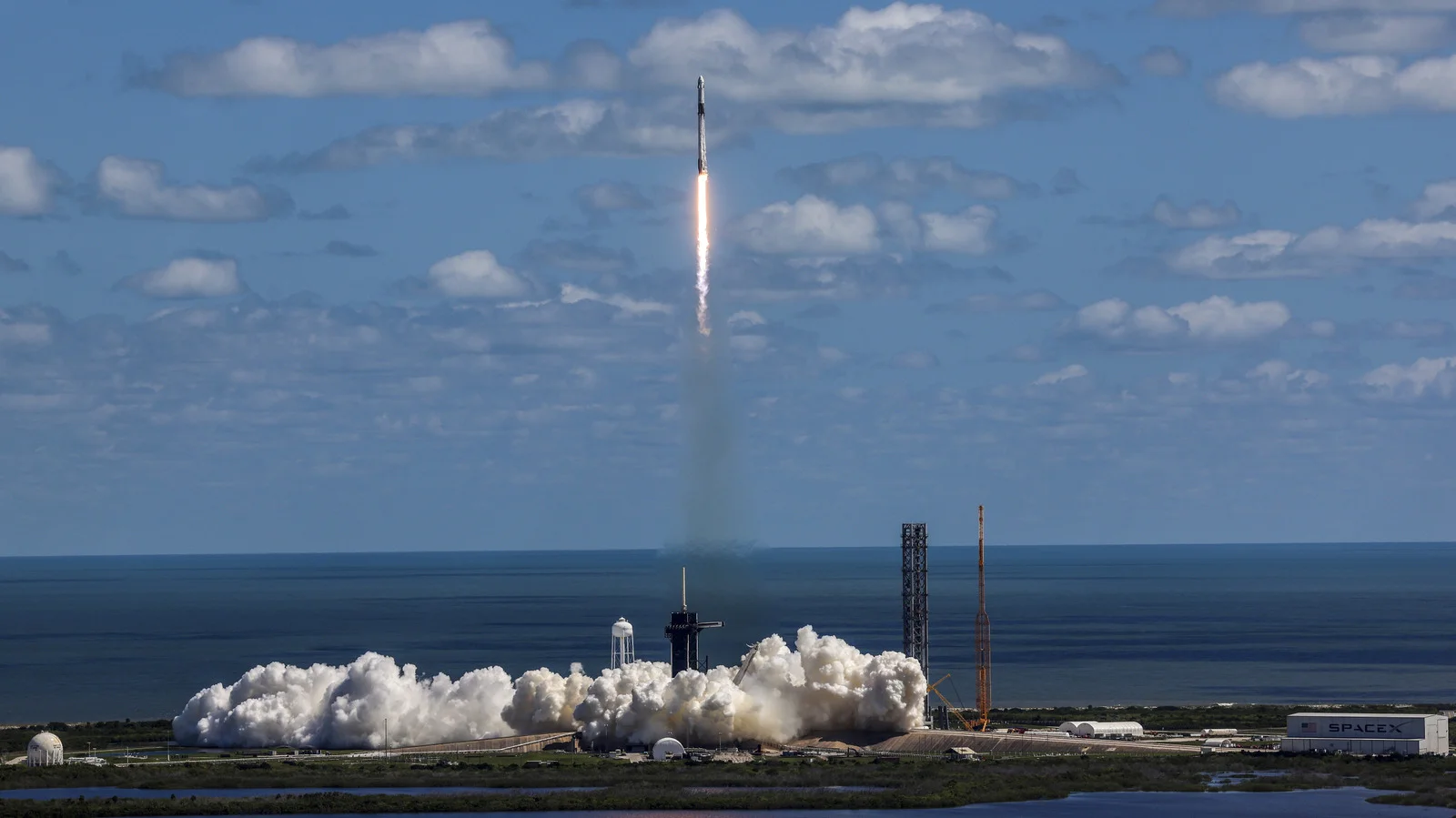
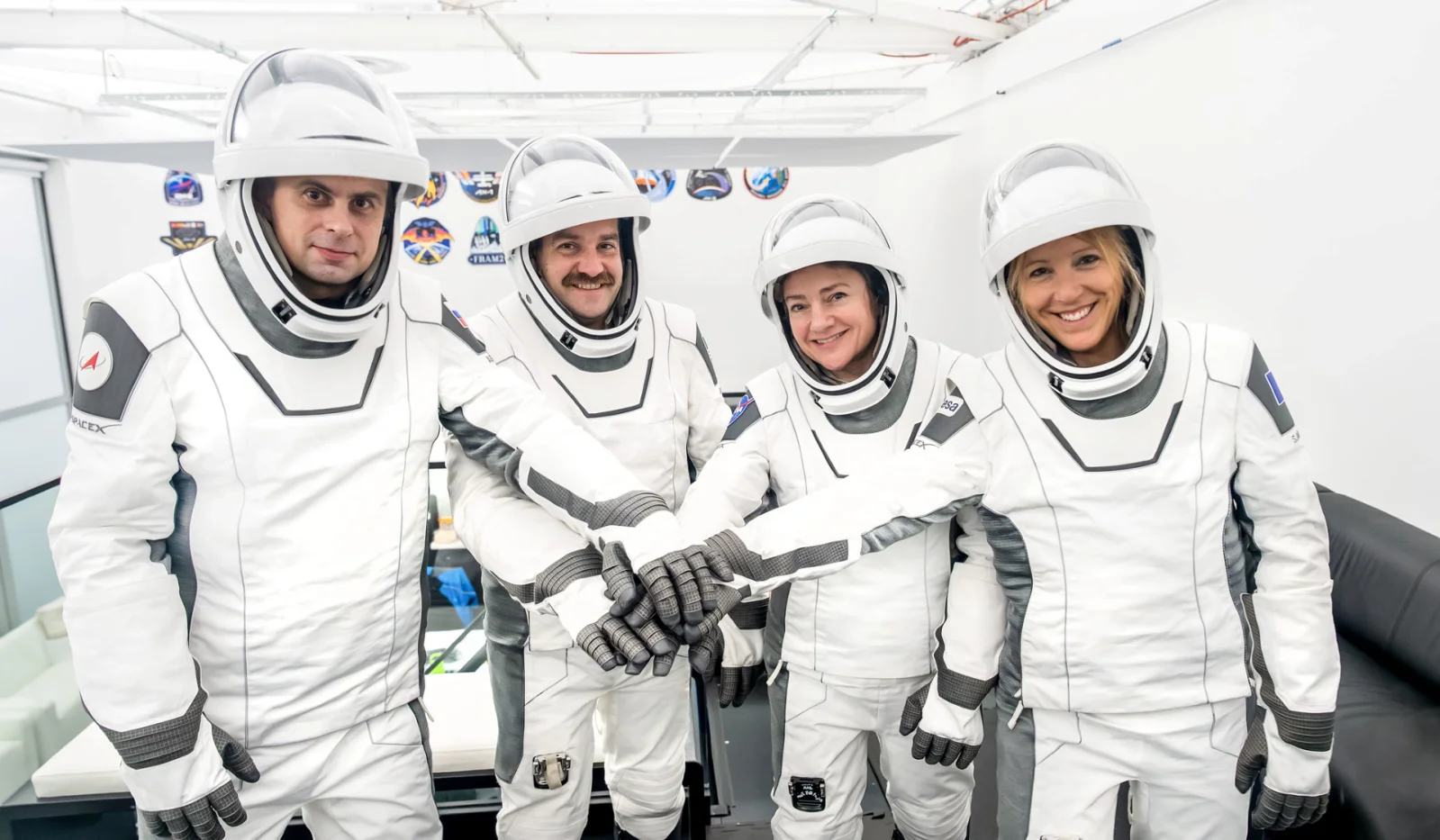
NASA’s SpaceX Crew-12 will conduct long‑duration ISS studies on how the body adapts to microgravity, including the Venous Flow study to assess blood circulation and clot risk, a Manual Piloting exercise simulating Moon landings to test disorientation and control after gravity shifts, and a vitamin B trial for spaceflight‑associated neuro‑ocular syndrome (SANS), with preflight, in‑flight, and postflight measurements to guide future Artemis missions and crew safety.
A study on the ISS shows that microgravity alters how bacteria and their phages interact: E. coli and phage T7 infect more slowly without convection, leading to distinct mutations in both organisms; space-evolved phages become better at binding and, when tested back on Earth, are more effective against certain UTI-causing E. coli—highlighting potential for phage therapies and astronaut health research, albeit with cost barriers to replicating microgravity experiments.
Researchers comparing E. coli infected with the T7 phage aboard the International Space Station to Earth controls found microgravity altered infection dynamics and drove space-exposed bacteria and phages to accumulate distinct mutations. The ISS-evolved phages developed changes in receptor-binding proteins that improved their ability to infect bacteria, and when tested back on Earth they showed increased activity against common urinary tract infection–causing E. coli strains, suggesting space conditions could inform future phage therapies despite practical costs.
Scientists studied bacteria and their viruses aboard the International Space Station and found that microgravity drives phages to evolve in ways that boost their ability to infect bacteria. When space-adapted phages were returned to Earth, they showed increased activity against common, drug-resistant E. coli strains, suggesting space-driven mutations could help optimize phage therapies for infections on Earth, though the practical costs of space-based research remain a consideration.
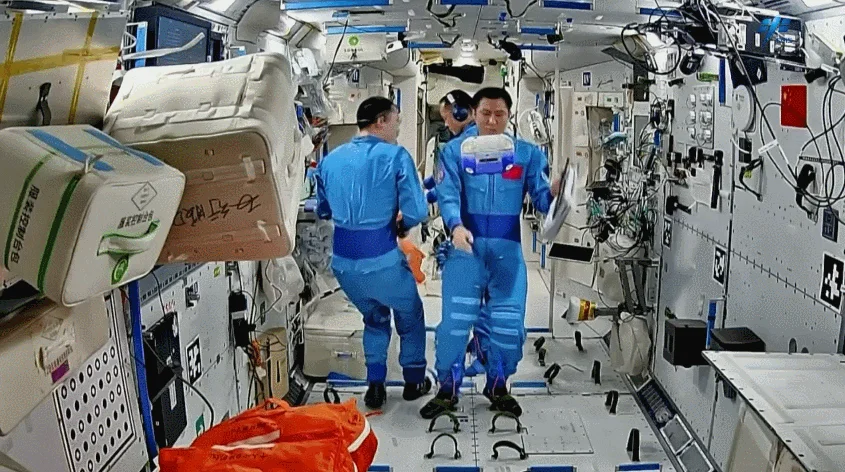
China’s Shenzhou-21 crew—Zhang Lu, Wu Fei, and Zhang Hongzhang—nearly 80 days in orbit as they advance diverse experiments aboard the Chinese space station, including interactive tests with the intelligent robot Xiaohang (touch, autonomous flight) and data collection to optimize its motion. In space medicine, they use a Raman spectrometer to analyze urine metabolites and collect saliva to study space-associated microbial changes; they also gather samples for a project on the origin of the genetic code and chirality in space. In microgravity physics, they continue electrochemical optical tests on lithium‑ion batteries for space use. Maintenance tasks included replacing a sampling cover in the combustion science cabinet, disassembling/reassembling modules, and swapping samples in the fluid physics cabinet. A system-wide pressure emergency drill strengthened crew-ground coordination, and regular medical checks and exercise were conducted.
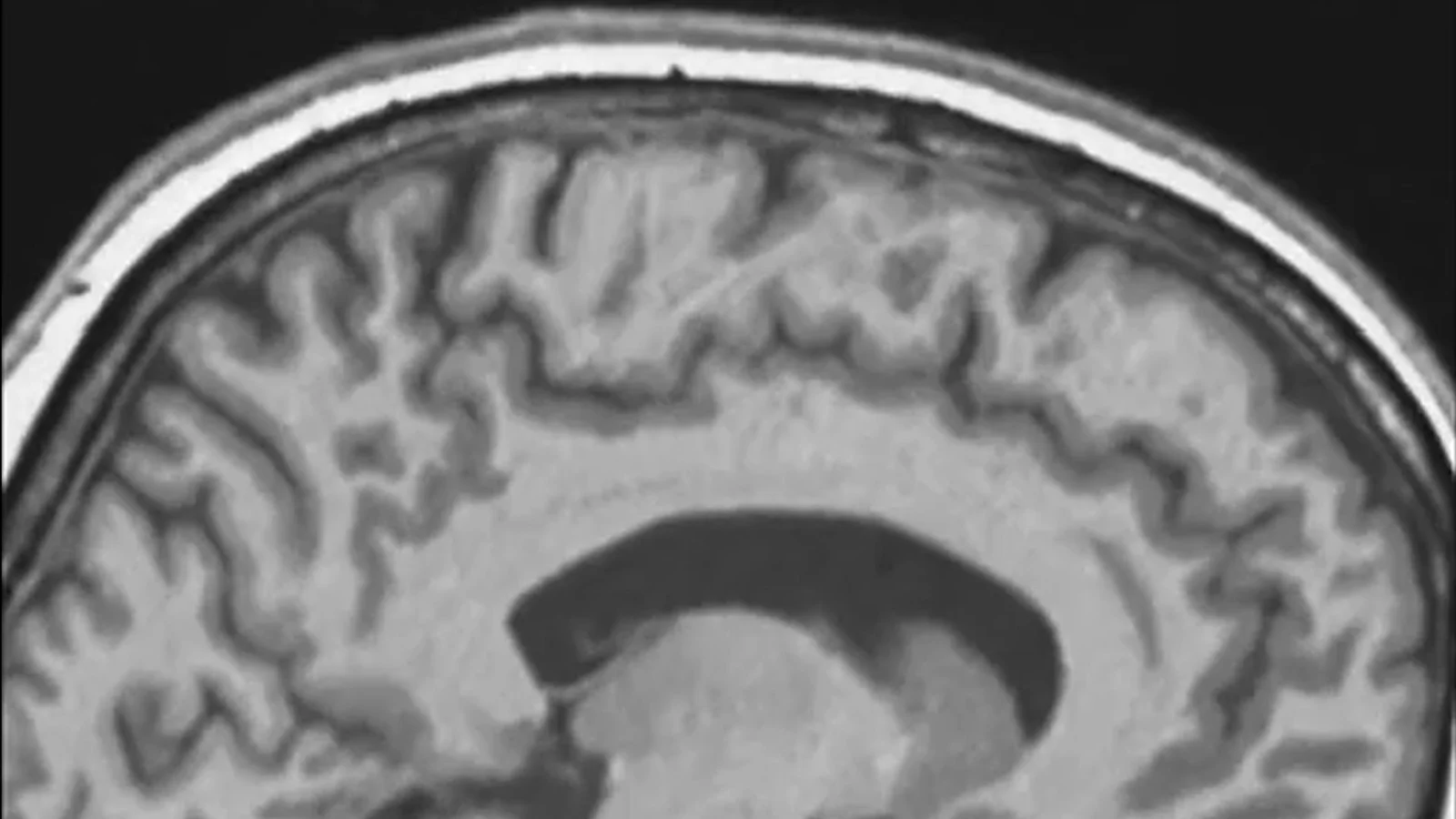
New MRI study of 26 astronauts finds that microgravity causes the brain to shift upward and backward inside the skull and deform, with larger changes linked to longer missions; most recovery occurs within six months after return, but some deformations persist, underscoring unknown long-term health risks for extended spaceflight.
A study of 26 astronauts shows microgravity subtly alters brain shape inside the skull—most notably in regions governing balance and sensorimotor control—with changes up to a few millimeters that can persist for months after return. Fluid redistribution and upward shifts of brain ventricles accompany these deformations, but no changes in personality or cognition were found. Larger shifts occurred after longer missions, correlating with worse postflight balance, suggesting targeted rehab could improve recovery; findings published in the Proceedings of the National Academy of Sciences.
New MRI analysis of 26 astronauts and 24 bed-rest controls shows microgravity reconfigures the brain's position and shape inside the skull, with the supplementary motor cortex shifting about 2.5 mm after long missions and correlating with balance difficulties on return. Simulated bed rest produced similar but less pronounced changes, underscoring that real microgravity has unique brain effects and highlighting the need to understand health implications for future long-duration spaceflight.
A Space.com study compared T7 phage infections of E. coli in identical setups on the ISS and on Earth. In microgravity, infection slowed at short incubation times due to reduced fluid mixing and host stress, but after 23 days the infection could still proceed with fewer bacteria. The research also found microgravity-specific mutations in the phage genome, suggesting space conditions steer phage–host evolution differently. These results have implications for spaceflight microbiology and potentially for Earth-based phage therapies, though more work is needed to assess long-term health risks for astronauts.
A MIT-led study analyzed MRI scans from 26 astronauts and 24 non-astronauts, finding that extended spaceflight consistently shifts the brain backward and upward inside the skull and alters its pitch. Some changes persist for months after returning to Earth, and the brain regions linked to balance and spatial orientation are affected. The research, which also compared spaceflight data to a bed-rest “microgravity analog,” suggests broad neuroanatomical effects from microgravity but notes limitations like small sample sizes and variability in mission duration. The team calls for larger, longer studies to understand onset, evolution, and recovery of these brain shifts.
Scientists aboard the International Space Station studied T7 phages infecting E. coli and found that microgravity slows the initial infection but drives unique co-evolution, with mutations arising in space that are not common on Earth; findings imply space environments shape microbial evolution and could inform Earth-based phage therapies against drug-resistant infections.