Tag

Astronaut Safety

All articles tagged with #astronaut safety

science-and-technology1 year ago

NASA Offers $20,000 for Moon Rescue Ideas

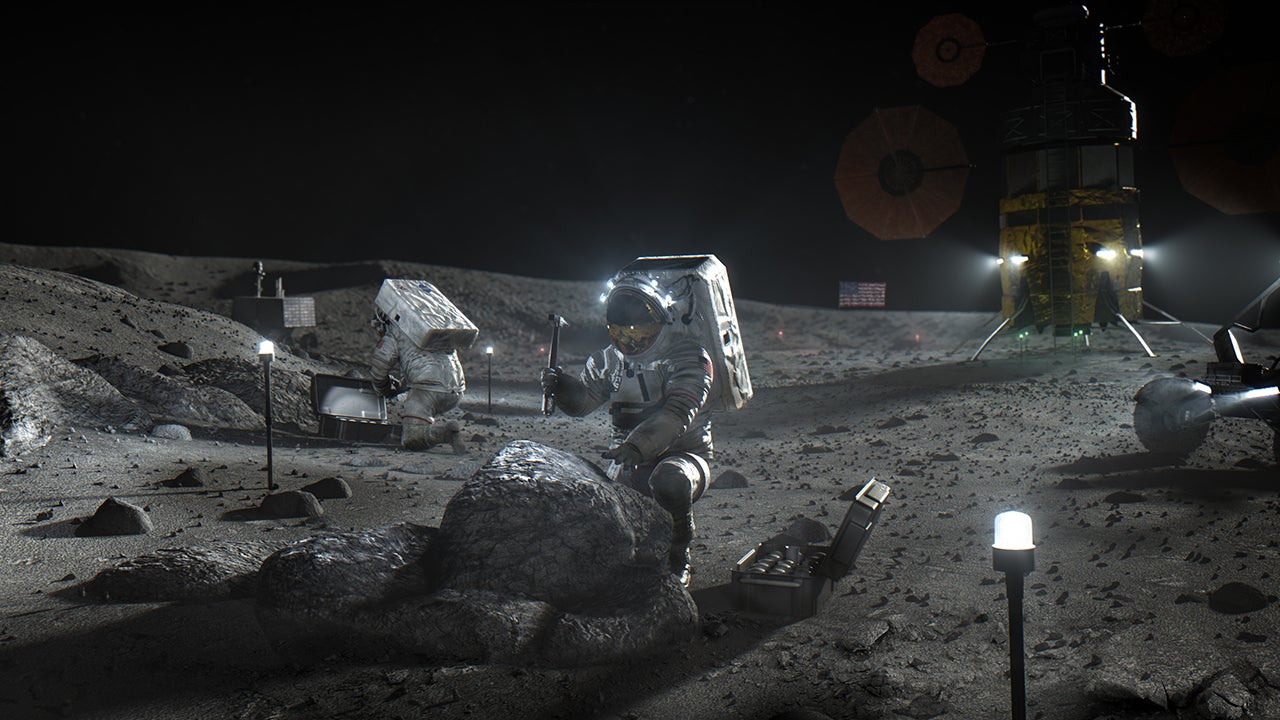
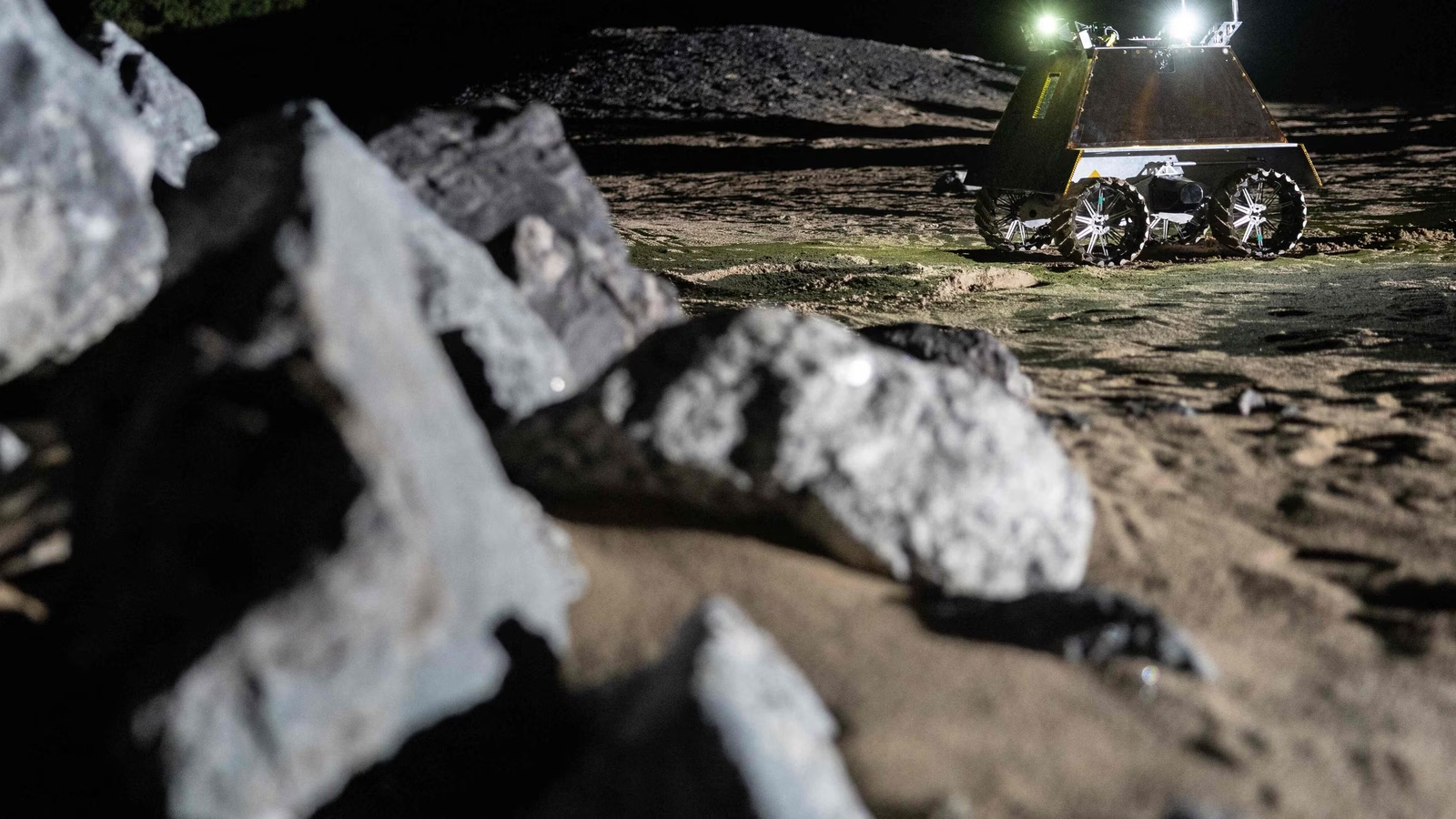
NASA is seeking innovative designs for a Lunar Rescue System to aid stranded astronauts on the Moon, offering a $20,000 prize for the best plan. The challenge, part of the Artemis mission preparations, requires a solution to transport a fully suited astronaut across the Moon's rugged terrain without a rover. Submissions are open until January 23, 2025, via the HeroX portal.
science1 year ago

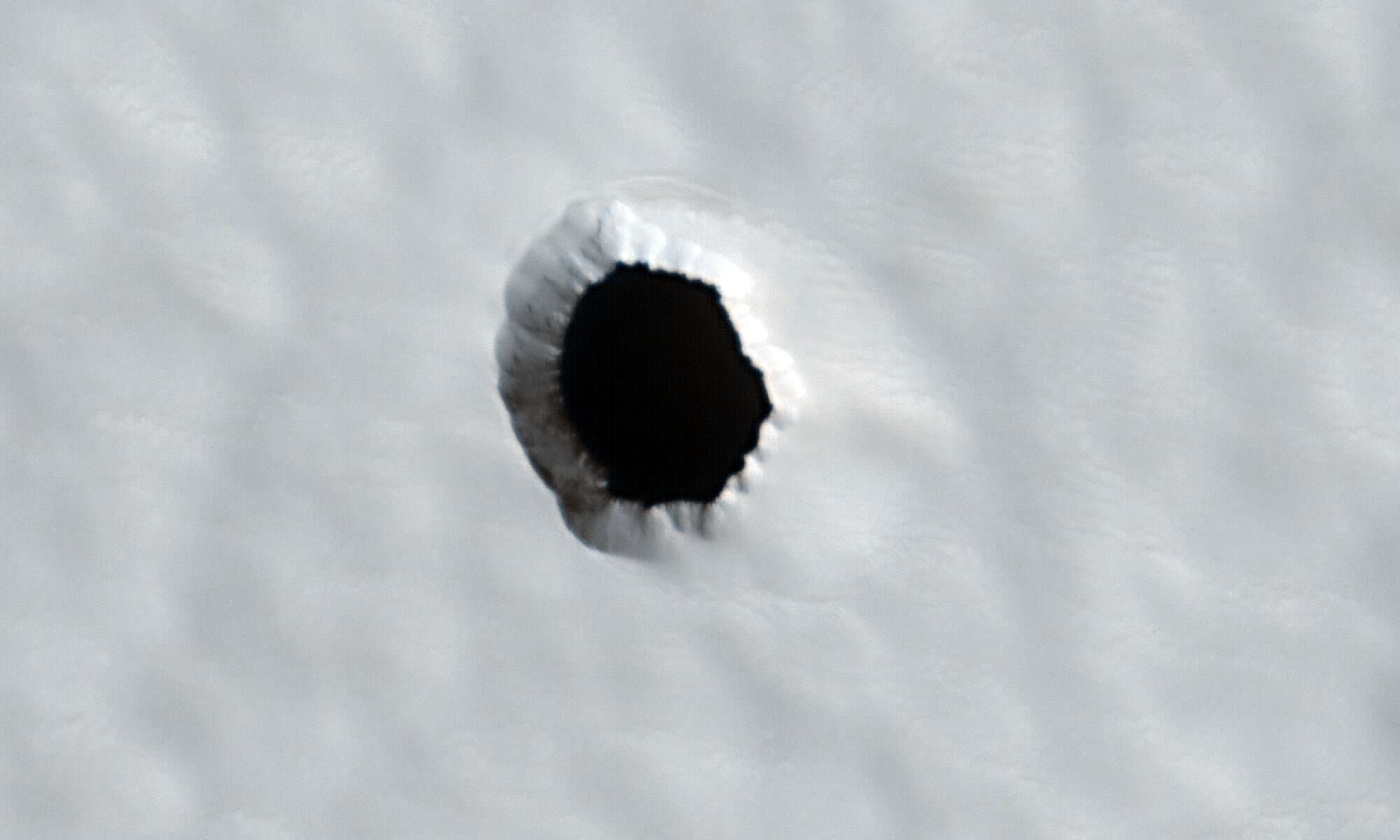
"Mysterious 580ft Deep Hole on Mars Could Hold Key to Astronaut Survival"

Scientists have discovered a mysterious pit on Mars' Arsia Mons volcano, which could be a skylight to a network of lava tubes. These natural caverns may offer crucial protection from Mars' harsh environment, including high radiation levels, making them potential habitats for future astronauts. Further exploration is needed to confirm if this pit leads to a larger underground cavern.

space-exploration1 year ago

"Shielding Artemis Astronauts from Solar Storms"

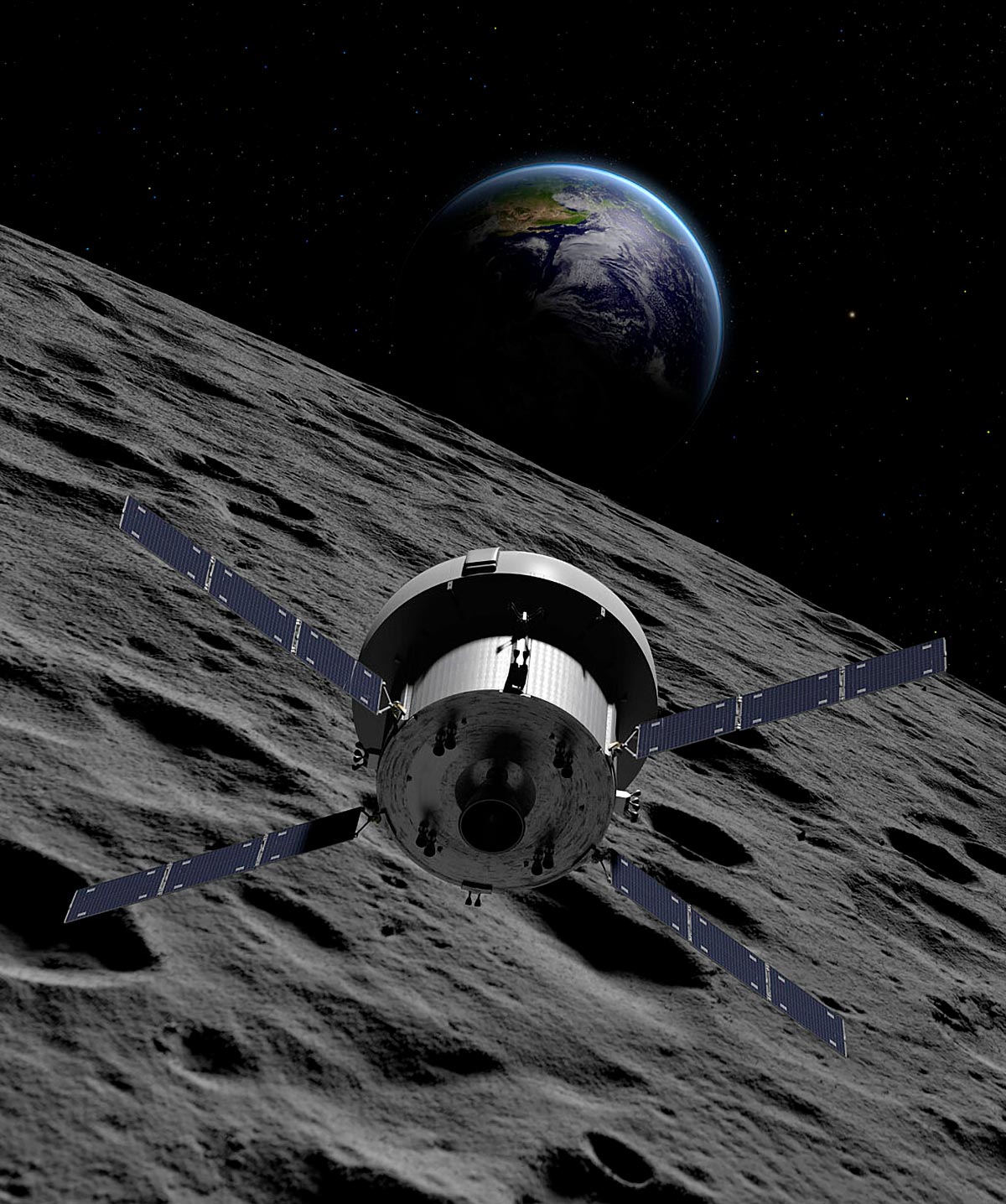
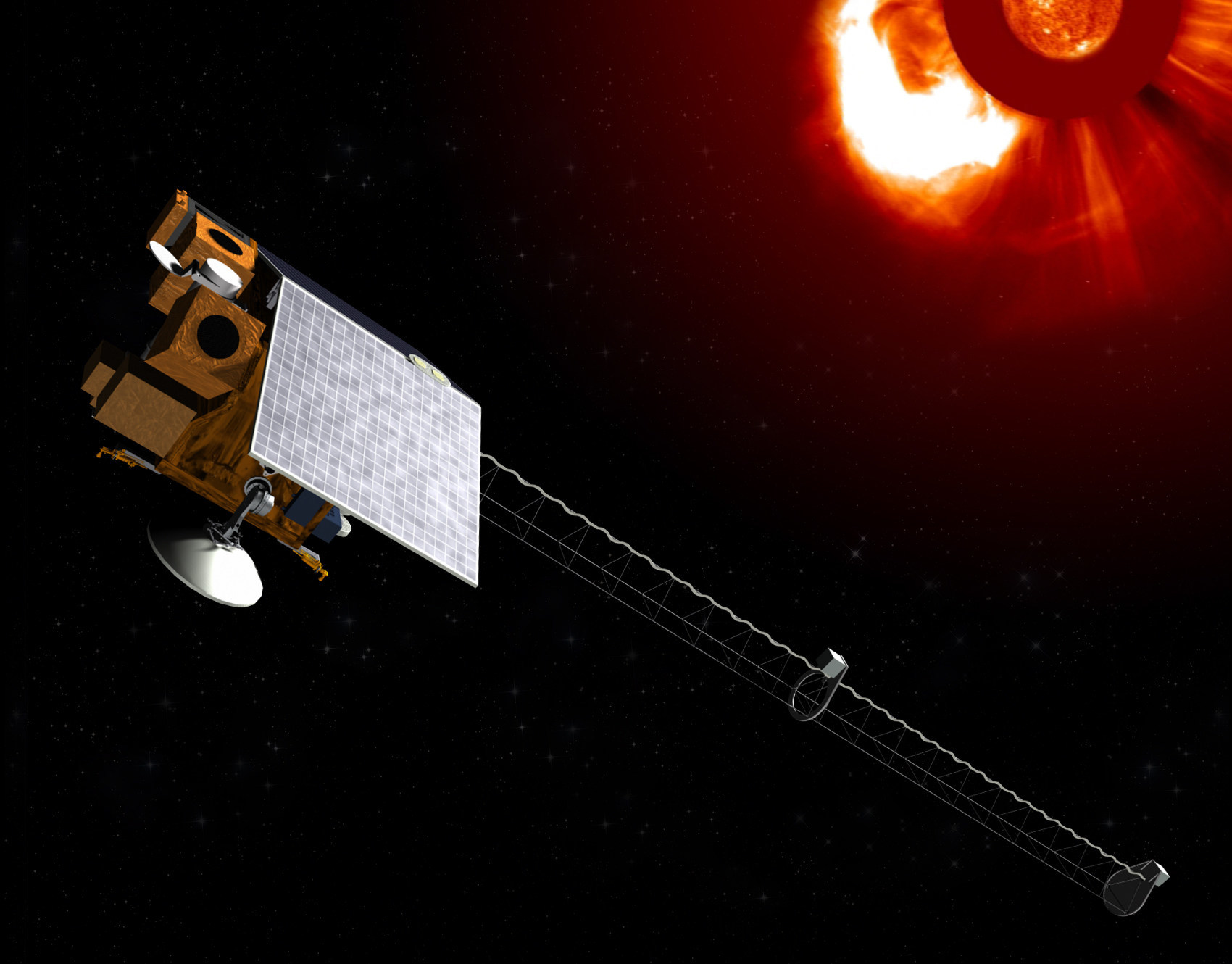
As NASA prepares for the Artemis moon missions, efforts are being made to protect astronauts from solar storms by enhancing space weather forecasting and developing safety protocols. Spacecraft like Orion are designed to shield astronauts from radiation, and procedures are in place to monitor and respond to solar events. Collaborative efforts between NASA, NOAA, and other agencies aim to improve predictive capabilities and ensure crew safety during lunar missions.

space-exploration1 year ago

"Shrinking Moon Poses Risks for NASA's Artemis Astronauts"

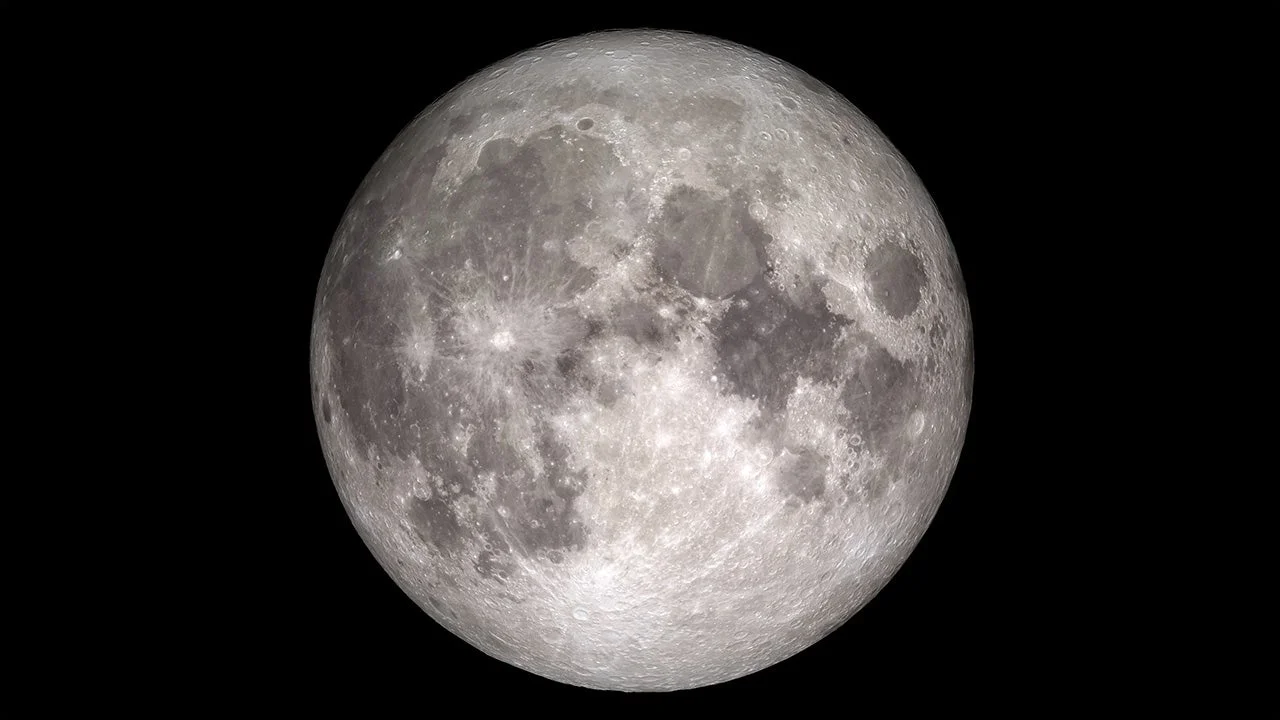
A new study suggests that NASA astronauts exploring the lunar south pole could be at risk from moonquakes and landslides caused by the moon's shrinking circumference and resulting surface fractures. The study highlights the potential dangers of establishing a base in this area and recommends avoiding certain landing locations. NASA's Artemis program, aimed at returning astronauts to the moon, has faced delays, pushing the first crewed launch to 2025 at the earliest. Additionally, recent setbacks in robotic missions to the moon have underscored the challenges of lunar exploration.

space-exploration2 years ago

"NASA's Artemis 2 Mission: Ensuring Astronaut Safety on Day of Remembrance"

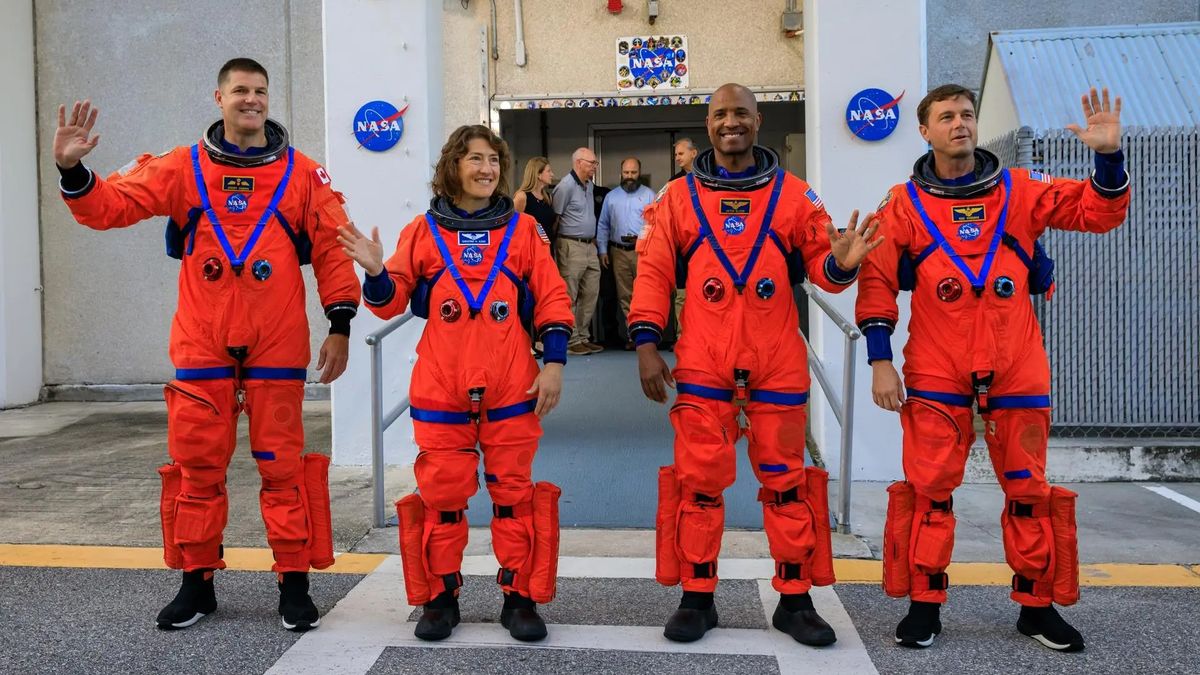
NASA emphasizes the importance of astronaut safety as it prepares for the Artemis 2 mission to the moon, delaying the mission to September 2025 to address technical issues. The agency's Day of Remembrance honors fallen astronauts and coincides with significant spaceflight failures. NASA executives shared their experiences with these tragedies and emphasized the importance of learning from past mishaps to improve future missions. Amid the complexity of human spaceflight, NASA continues to train astronauts for Artemis 2 while also collaborating with international partners and private entities for missions to the International Space Station and beyond.

space-exploration2 years ago

"Artemis Moon Missions: Understanding the Delays and Implications"

NASA has rescheduled its Artemis II and III missions to prioritize astronaut safety and address development challenges, with Artemis II now set for September 2025 and Artemis III for September 2026. The program aims to land the first woman and the first person of color on the Moon, and prepare for human expeditions to Mars. The agency is also reviewing the schedule for launching the first integrated elements of the Gateway lunar space station and has asked its human landing system providers to apply knowledge gained in developing their systems toward future missions. NASA emphasizes the importance of crew safety and partner commitment in achieving its Moon to Mars exploration goals.

space-exploration2 years ago

"NASA Pushes Artemis Astronaut Moon Landing to September 2026"

NASA's Artemis Moon program faces delays, pushing back the earliest lunar landing to September 2026 due to concerns about astronaut safety and the need for further technology development. The Artemis I mission successfully tested the Space Launch System and Orion spacecraft, but unexpected issues have led to delays for Artemis II and III. NASA is addressing problems with the heat shield, temperature control, battery performance, and CO2 scrubbing system, while also allowing time for commercial partners like SpaceX to develop vital hardware for the program.

science-and-technology2 years ago

Solar Energetic Particle Event Detected on Earth, Moon, and Mars

A recent study has highlighted the risks of space radiation to lunar and Martian exploration, focusing on a Solar Energetic Particle (SEP) event detected on the surfaces of Earth, the Moon, and Mars. The research emphasizes the varying levels of natural protection against radiation on these celestial bodies and underscores the need for effective shielding to ensure astronaut safety in future space missions. Earth's magnetic field and atmosphere provide some protection, but the Moon and Mars lack similar shielding. Without adequate shielding, future lunar missions could face radiation risks during approximately one out of every five SEP events, while extreme SEP events during the journey to Mars or in Martian orbit pose a significant radiation risk for deep space missions.

space2 years ago

The Consequences of Death in Space

If someone were to die in space, the handling of the body would depend on the location and circumstances. In low-Earth orbit missions, the body could be returned to Earth within hours or days. However, during a trip to Mars, the body would likely be preserved on the spacecraft until the end of the mission, which could be a couple of years later. If an astronaut were to step outside into space without a spacesuit, they would die almost instantly due to the loss of pressure and exposure to the vacuum. Burial or cremation on Mars is not ideal, as it could contaminate the planet's surface, so the body would likely be preserved in a specialized body bag until it could be returned to Earth.