Tag

Ozone Depletion

All articles tagged with #ozone depletion

science-and-environment2 years ago

Rare and Stunning 'Rainbow Clouds' Illuminate Northern Skies in Spectacular Display

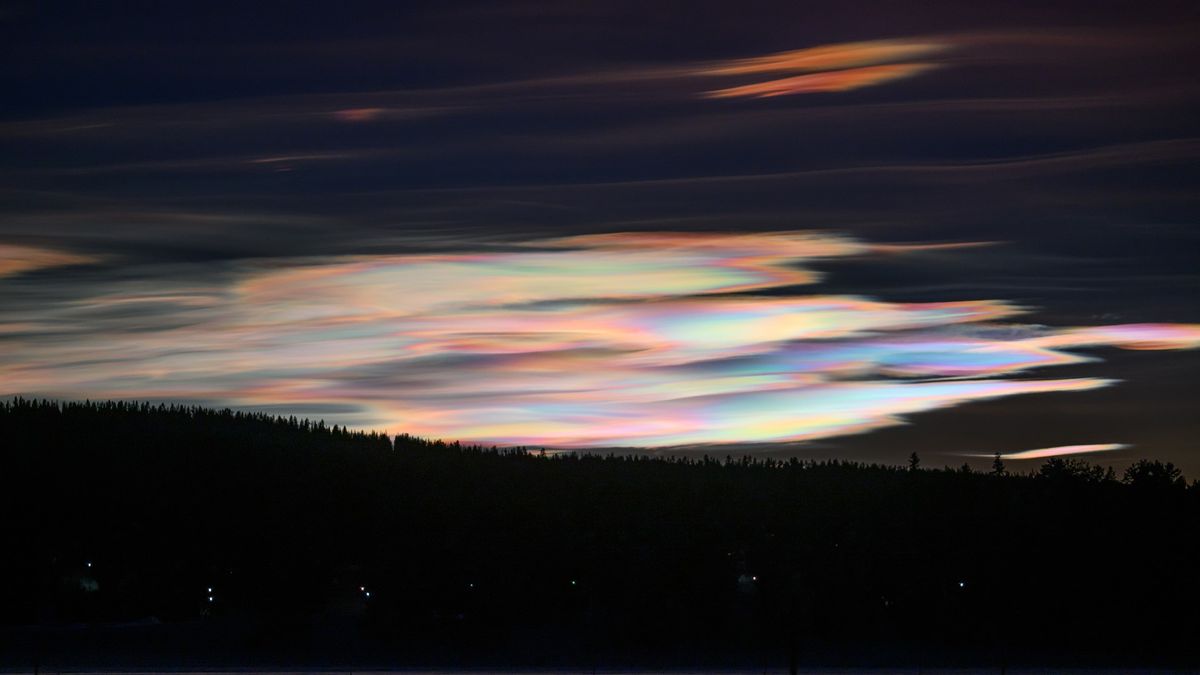
Spectacular "rainbow clouds," also known as nacreous or polar stratospheric clouds, have been spotted in the skies of northern regions. These high-altitude clouds, which form between 13 and 19 miles above Earth's surface, are illuminated by sunlight from below the horizon, creating a stunning rainbow effect. While they provide a mesmerizing display, nacreous clouds also contribute to ozone depletion in the Arctic.

environment2 years ago

New Study Challenges Optimistic Claims of Ozone Hole Recovery

A new study published in Nature Communications challenges the widely accepted belief that the ozone layer is recovering. The study suggests that the ozone hole above Antarctica may not be shrinking as expected and may even be expanding. The researchers found that ozone levels have decreased by 26% since 2004 at the core of the hole during the Antarctic spring. They attribute this depletion to changes in the Antarctic polar vortex, although they did not explore the specific causes. Some scientists are skeptical of the study's findings, pointing to other factors such as smoke from wildfires and volcanic eruptions, as well as the influence of the El Niño Southern Oscillation.

environment2 years ago

Unveiling the Truth: The Ozone Hole's Recovery Questioned

A new study published in Nature Communications challenges the widely accepted belief that the ozone layer is recovering. The study suggests that the ozone hole above Antarctica may not be shrinking as expected and may even be expanding. The researchers found that ozone levels have reduced by 26% since 2004 at the core of the hole during Antarctic spring. They attribute this to changes in the Antarctic polar vortex, although other factors such as planet-warming pollution and volcanic eruptions could also contribute. Some scientists are skeptical of the study's findings, citing exceptional events and a short period of analysis.

environment2 years ago

Ozone Hole Reaches Alarming Size Once More

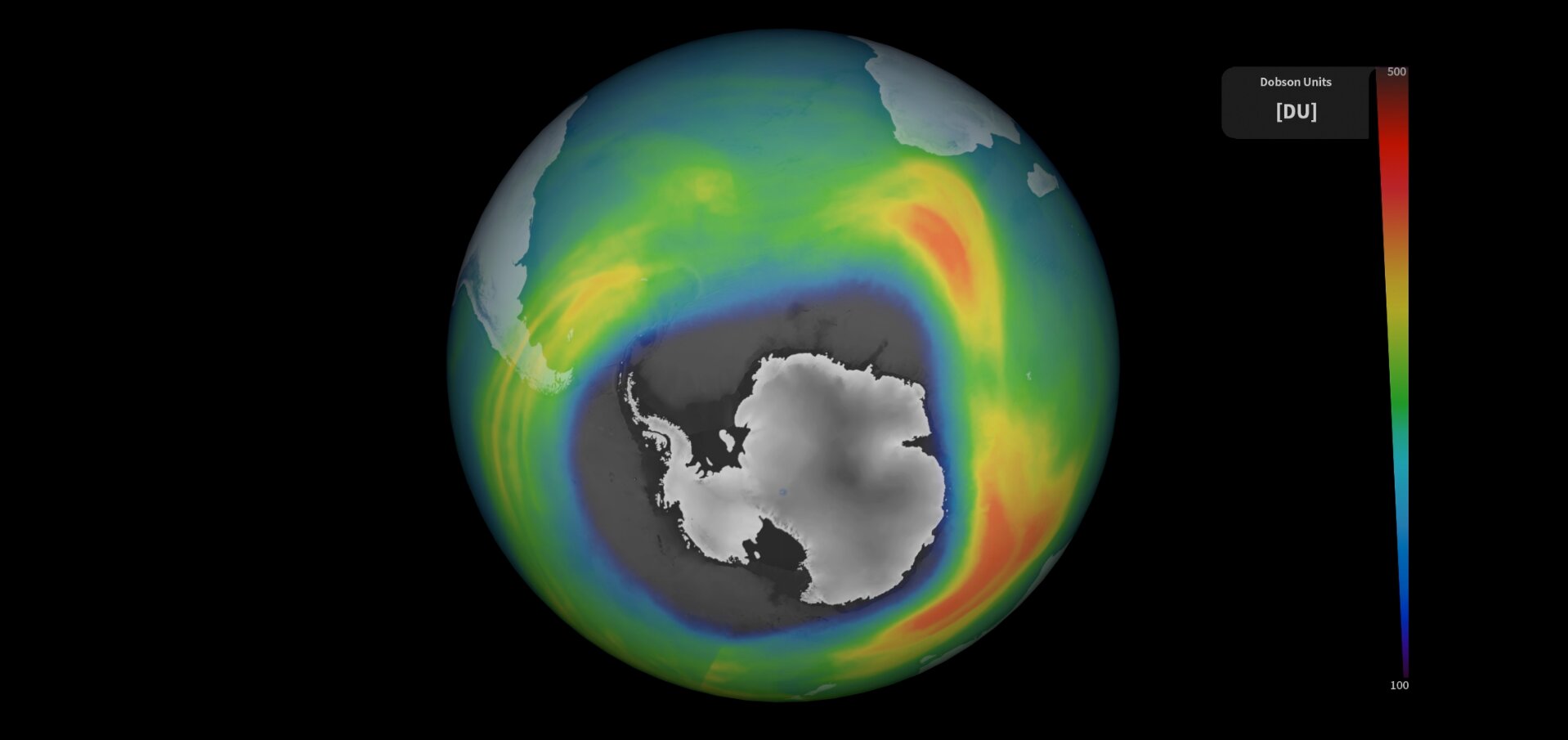
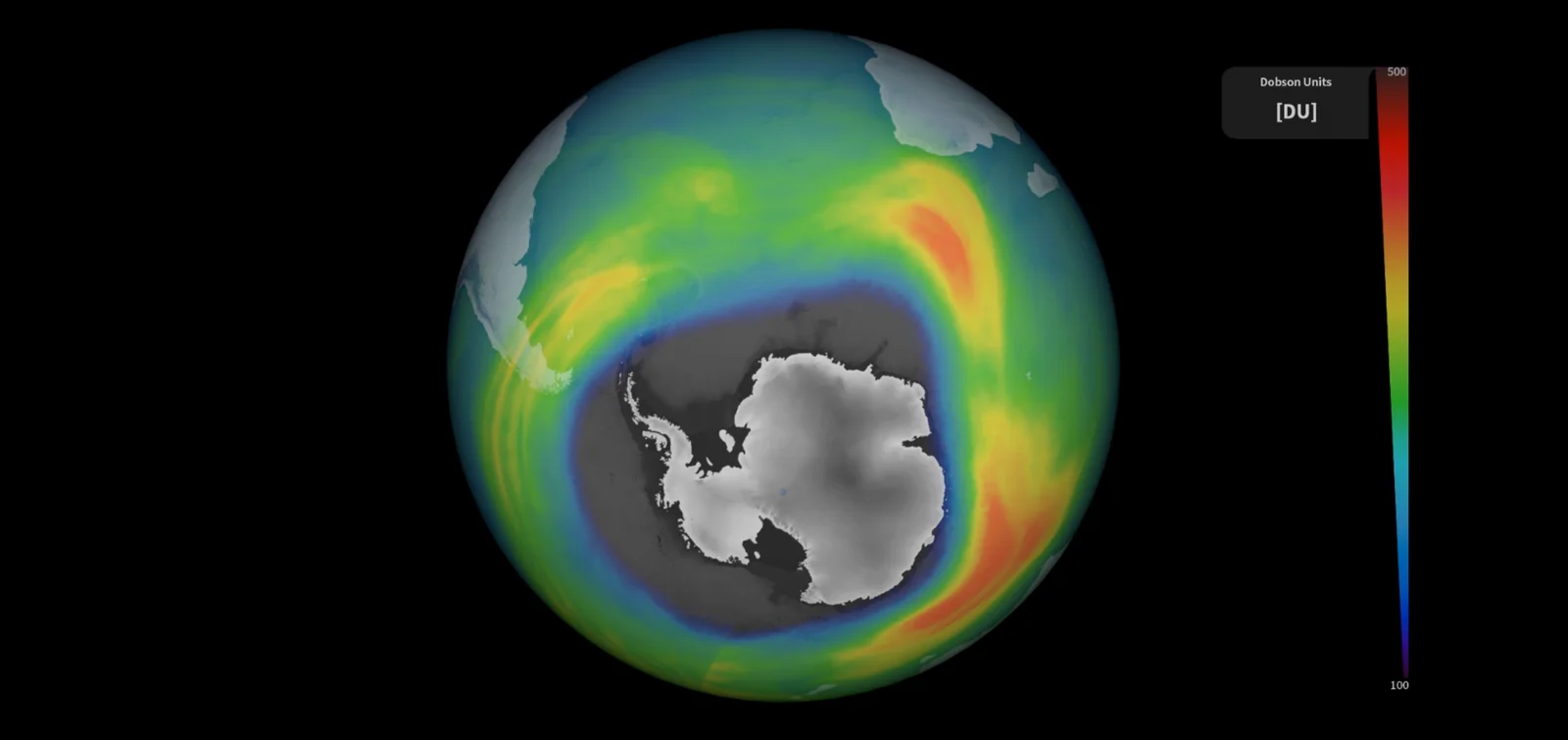
Measurements from the Copernicus Sentinel-5P satellite reveal that this year's ozone hole over Antarctica is one of the largest on record, reaching a size of 26 million sq km on September 16, 2023. The size of the ozone hole fluctuates due to the strength of a wind band around the Antarctic area, and this year's unusual ozone patterns may be associated with the eruption of the Hunga Tonga-Hunga Ha'apai volcano in January 2022. The Montreal Protocol, which phased out the production and consumption of ozone-depleting substances, is expected to lead to the recovery of the ozone layer by around 2050.

environment2 years ago

"Record-breaking Ozone Hole in Antarctica Raises Concerns, Scientists Warn"

The annual ozone hole over Antarctica has grown to near-record size, measuring 26 million square kilometers, according to satellite imaging from Copernicus. The ozone hole, caused by ozone-depleting substances and specific regional conditions, typically reaches maximum depletion between mid-September and mid-October. This year, it started early and has rapidly expanded since mid-August, making it one of the largest on record. The size of the ozone hole is influenced by the strength of a wind band around Antarctica. The ozone layer is expected to recover within decades, but the unusual behavior in 2023 may be linked to the Tongan underwater volcano eruption in January 2022. The Montreal Protocol, which phased out ozone-depleting substances, has played a crucial role in addressing this issue.

environment2 years ago

"ESA Observes Alarming Expansion of Ozone Hole"

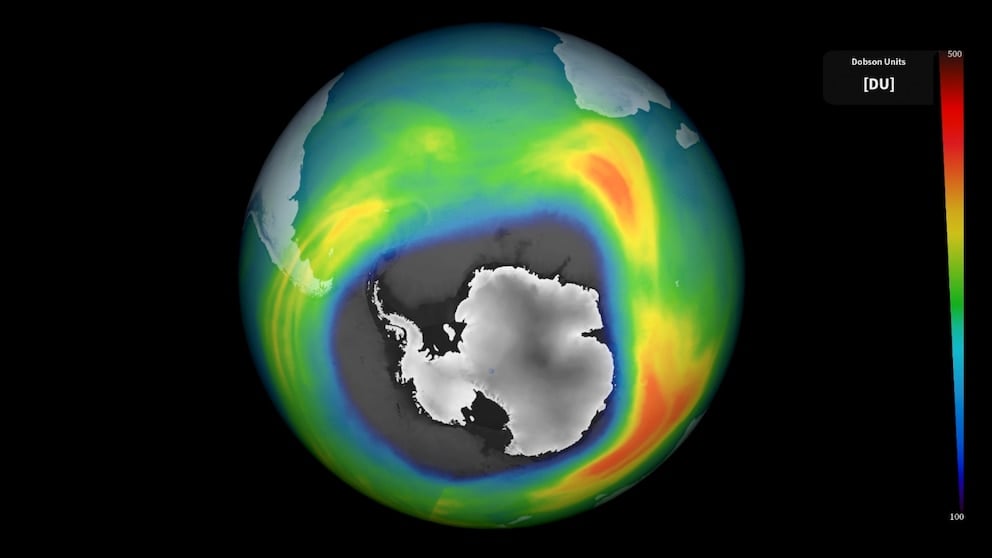
The ozone hole over Antarctica in 2023 is one of the largest on record, reaching a size of 26 million sq km, roughly three times the size of Brazil. The size of the ozone hole fluctuates based on temperature changes in the stratosphere, and this year's unusual ozone patterns may be associated with the eruption of the Hunga Tonga-Hunga Ha'apai volcano in January 2022. The ozone hole is largely determined by the strength of a wind band that flows around the Antarctic area, and the variability in size is influenced by the presence of chlorofluorocarbons (CFCs) and other ozone-depleting substances. The Montreal Protocol, implemented in 1987, aims to phase out the production and consumption of these harmful substances, leading to a predicted recovery of the ozone layer by around 2050.

environment2 years ago

"Unveiling the Complex Relationship: Ozone Layer, Pollution, and Skin Cancer"

A new scientific paper published in AGU Advances challenges the conventional understanding of the ozone layer's impact on human health. While the 1987 Montreal Protocol successfully prevented further depletion of the ozone layer and reduced cases of skin cancer, the study suggests that small decreases in the ozone layer could actually save lives by decreasing ground-level air pollution. The researchers found that certain chemicals, such as sulfates, could alter the ozone content in the atmosphere, leading to complex interactions between "good ozone" in the stratosphere and "bad ozone" in the troposphere. The decrease in ground-level air pollution resulting from these interactions could outweigh the rise in skin cancer, potentially saving between 33,000 and 86,000 lives annually. However, experts caution that these findings are preliminary and highlight the challenges of balancing different health impacts in policy decisions.