Tag

Draco

All articles tagged with #draco

ESA choreographs Cluster satellites for rare reentry observations
space24 days ago

ESA choreographs Cluster satellites for rare reentry observations

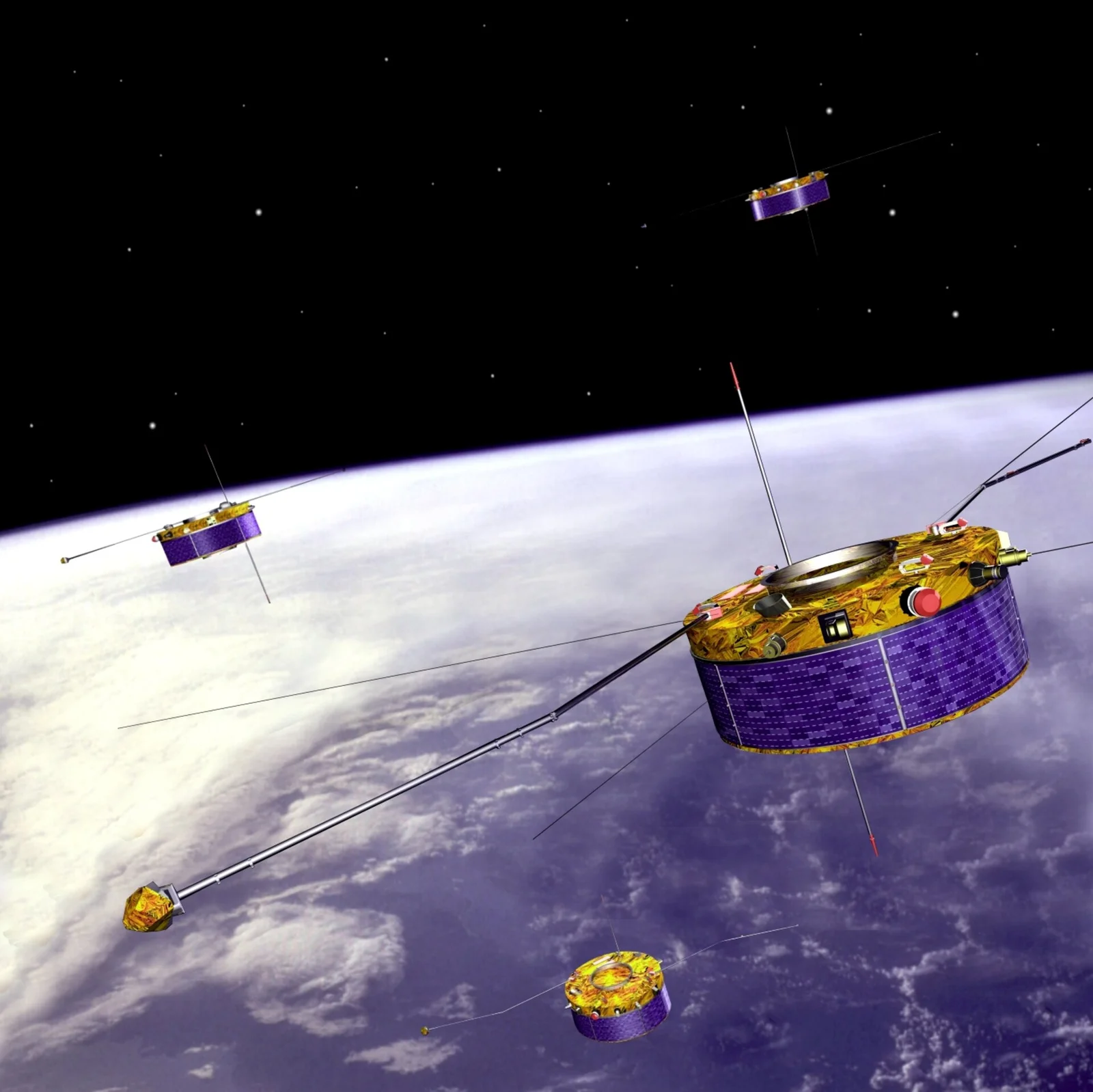
ESA is adjusting the trajectories of its Cluster satellites Samba and Tango so they re-enter the Earth’s atmosphere in close succession (Aug. 31 and Sept. 1, 2026) over a remote South Pacific region, enabling observations from a plane to capture rare data on how they heat, break up, and survive reentry. This data will improve reentry models and guide the design of safer, “design-for-demise” satellites. The effort builds on the 2024 Salsa observation and aims to inform a future Draco mission (2027) that will image reentry from the inside, contributing to safer space debris disposal and better predictive capabilities.

ESA's Draco mission to watch a satellite burn up for science
space-exploration27 days ago

ESA's Draco mission to watch a satellite burn up for science

ESA has greenlit the Draco Destructive Reentry Assessment Container Object mission to deliberately reenter a small, instrumented satellite (about 150–200 kg) into Earth's atmosphere. Packed with around 200 sensors and four cameras, Draco will record temperatures, pressures, ablation products and other data as it burns up, with roughly a 20‑minute telemetry window before splashdown. The goal is to validate reentry models and advance “design for demise” concepts to fully disintegrate satellites, helping reduce debris and atmospheric pollution and guiding future demisable spacecraft by 2030.

"NASA's Groundbreaking Nuclear-Powered Rocket Set for 2025 Launch"
space-exploration2 years ago

"NASA's Groundbreaking Nuclear-Powered Rocket Set for 2025 Launch"

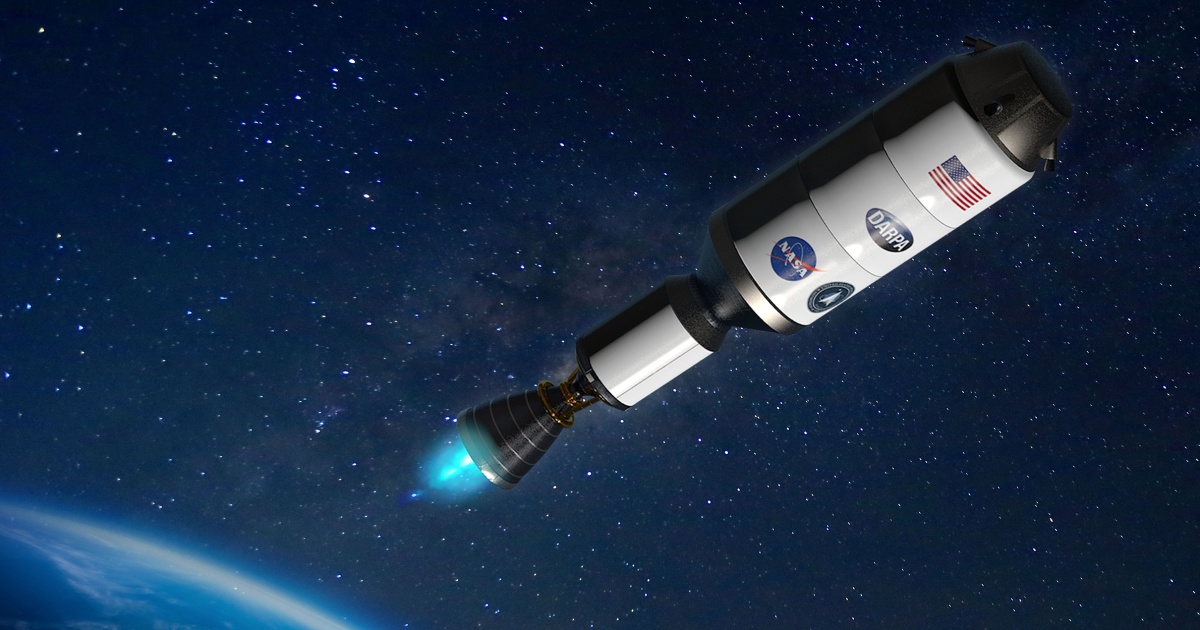
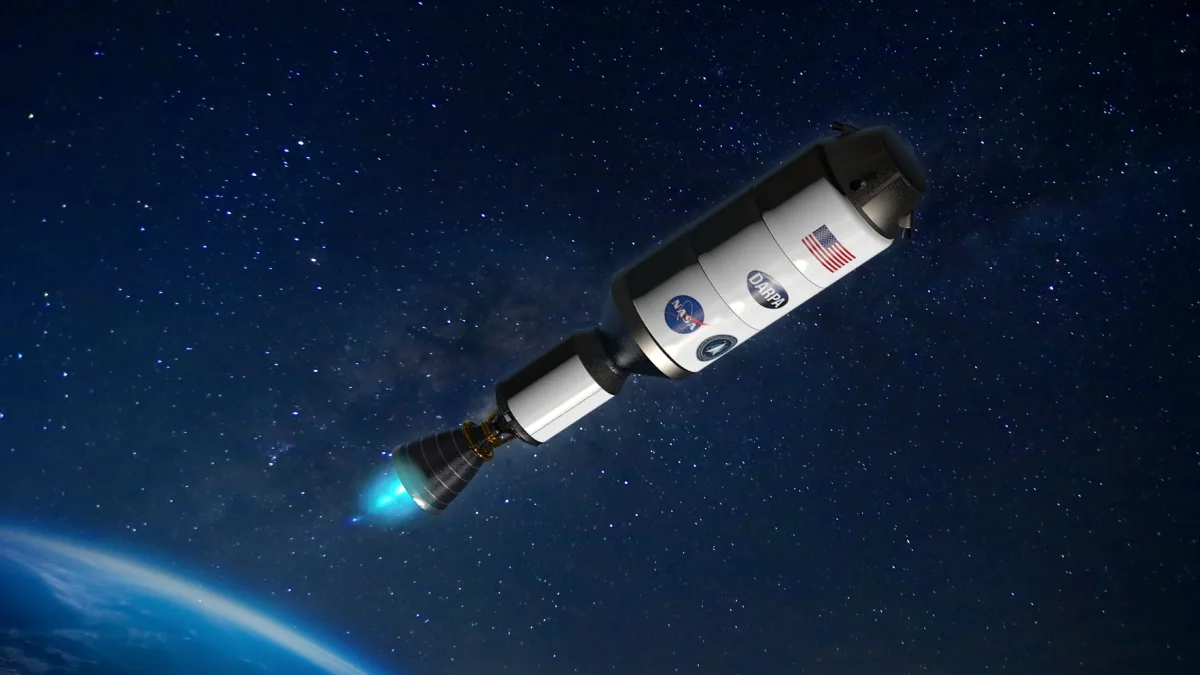
NASA and DARPA plan to launch the world's first nuclear-powered spacecraft, named DRACO, as early as 2025. The $499 million mission aims to test a new rocket propulsion system that could potentially send astronauts to Mars in just 45 days. The spacecraft will be designed, built, and tested by Lockheed Martin. The nuclear system, which harnesses the power of nuclear fission, is expected to be three times more efficient than chemical propulsion, reducing Mars flight times significantly. The hydrogen propellant will need to be kept at ultra-cold temperatures, presenting a major challenge for the developers. Once assembled, the spacecraft will be placed in a high orbit, allowing its radioactive fuel to decay to safe levels over a period of 300 years.

"NASA's Nuclear Rocket Engine Propels Mission to Mars"
space2 years ago

"NASA's Nuclear Rocket Engine Propels Mission to Mars"

NASA is partnering with DARPA to develop a rocket that uses nuclear propulsion to carry astronauts to deep-space destinations like Mars. Nuclear rocket engines could significantly cut down on the time needed to reach Mars, making long-duration spaceflights less risky for the humans onboard. DARPA is developing a rocket powered by nuclear thermal propulsion, which is at least three times as efficient as chemical rockets. The first DRACO demonstration could happen as early as 2027, according to NASA.