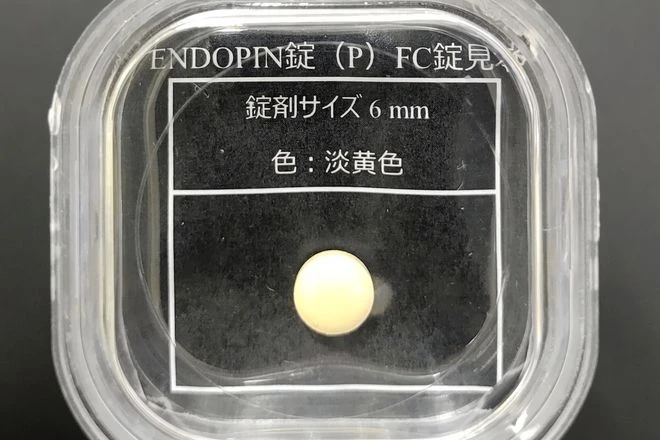
Researchers from Kyoto University have developed a new painkiller that is as effective as opioids like fentanyl but without addictive properties or severe side effects, potentially replacing opioids for pain management, especially in cancer patients. The drug has shown promising results in animal studies and a small clinical trial, and a Phase II trial is planned in the US.
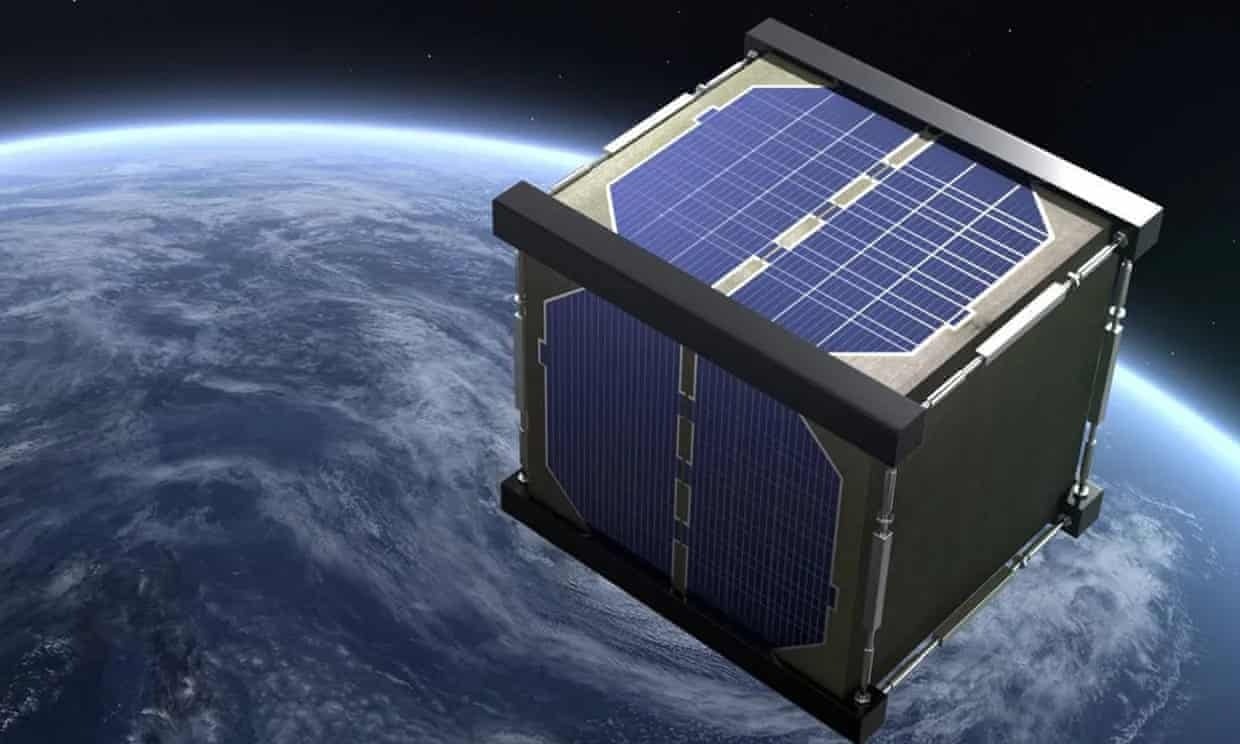
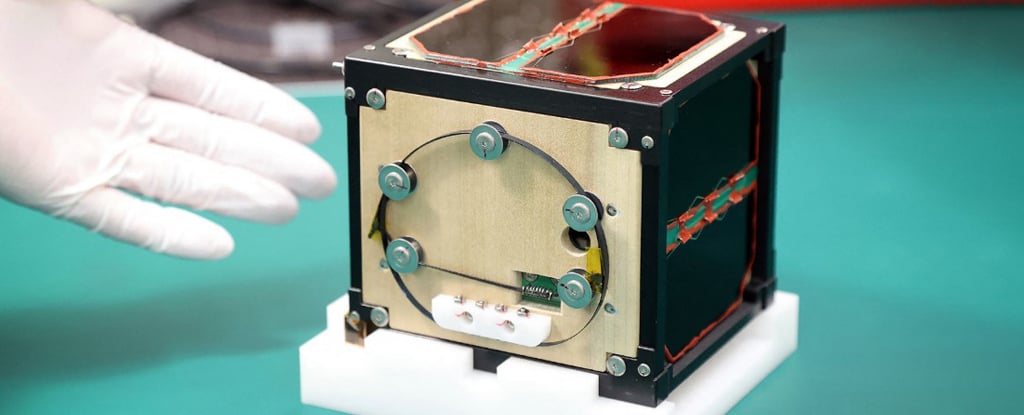
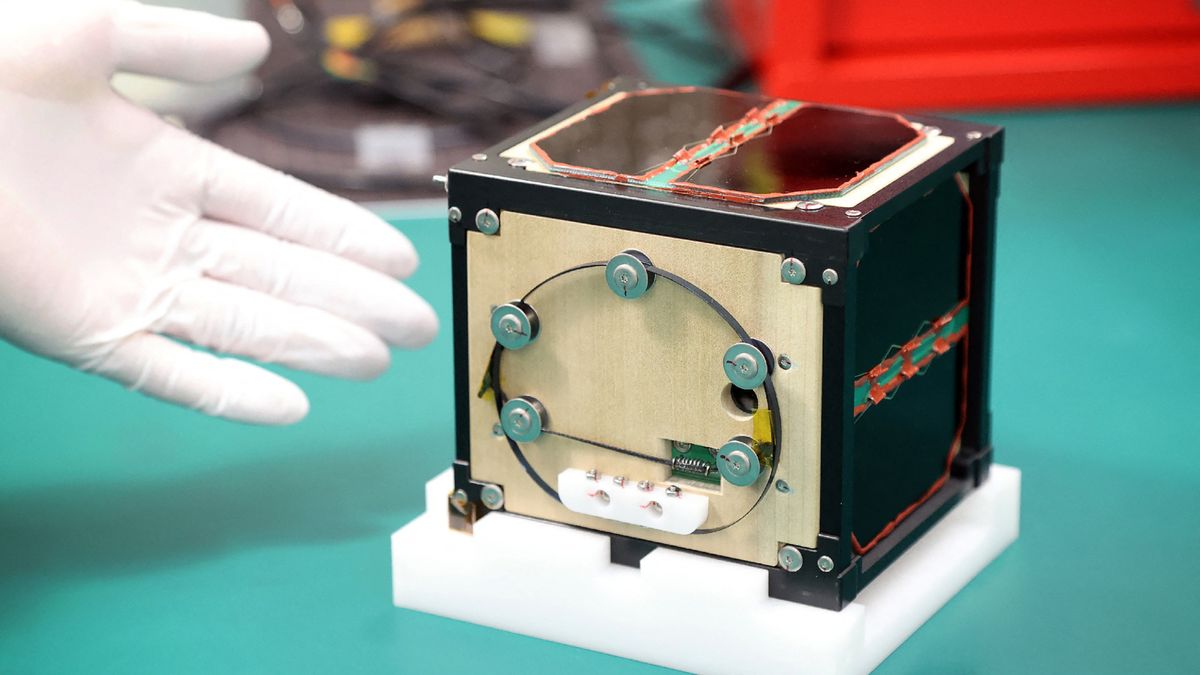
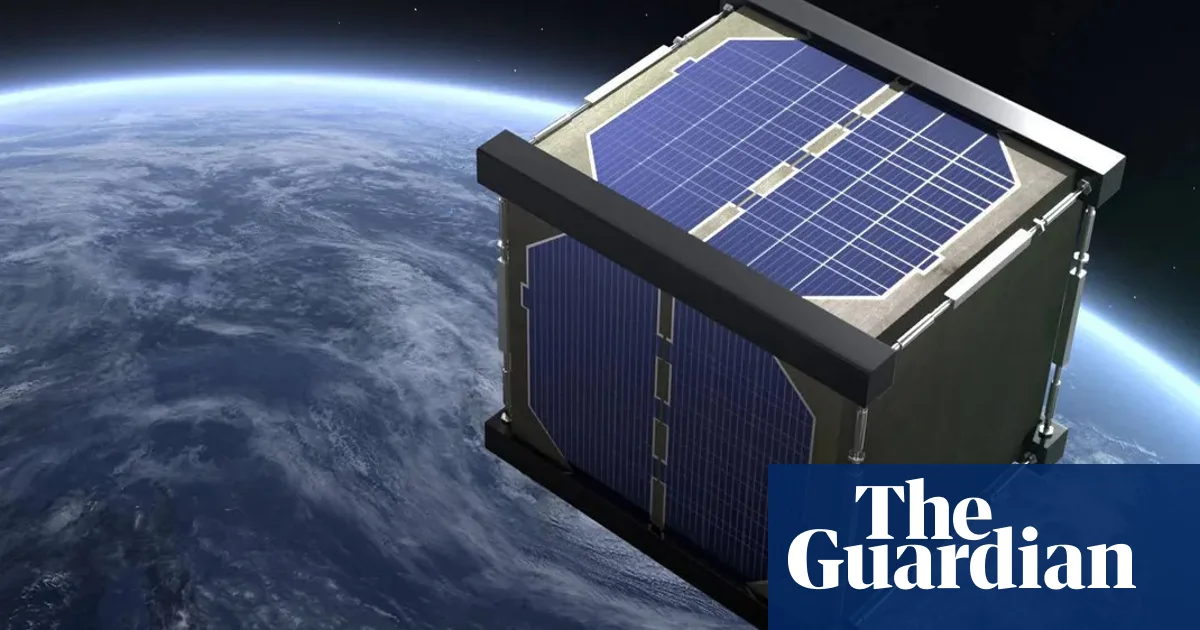
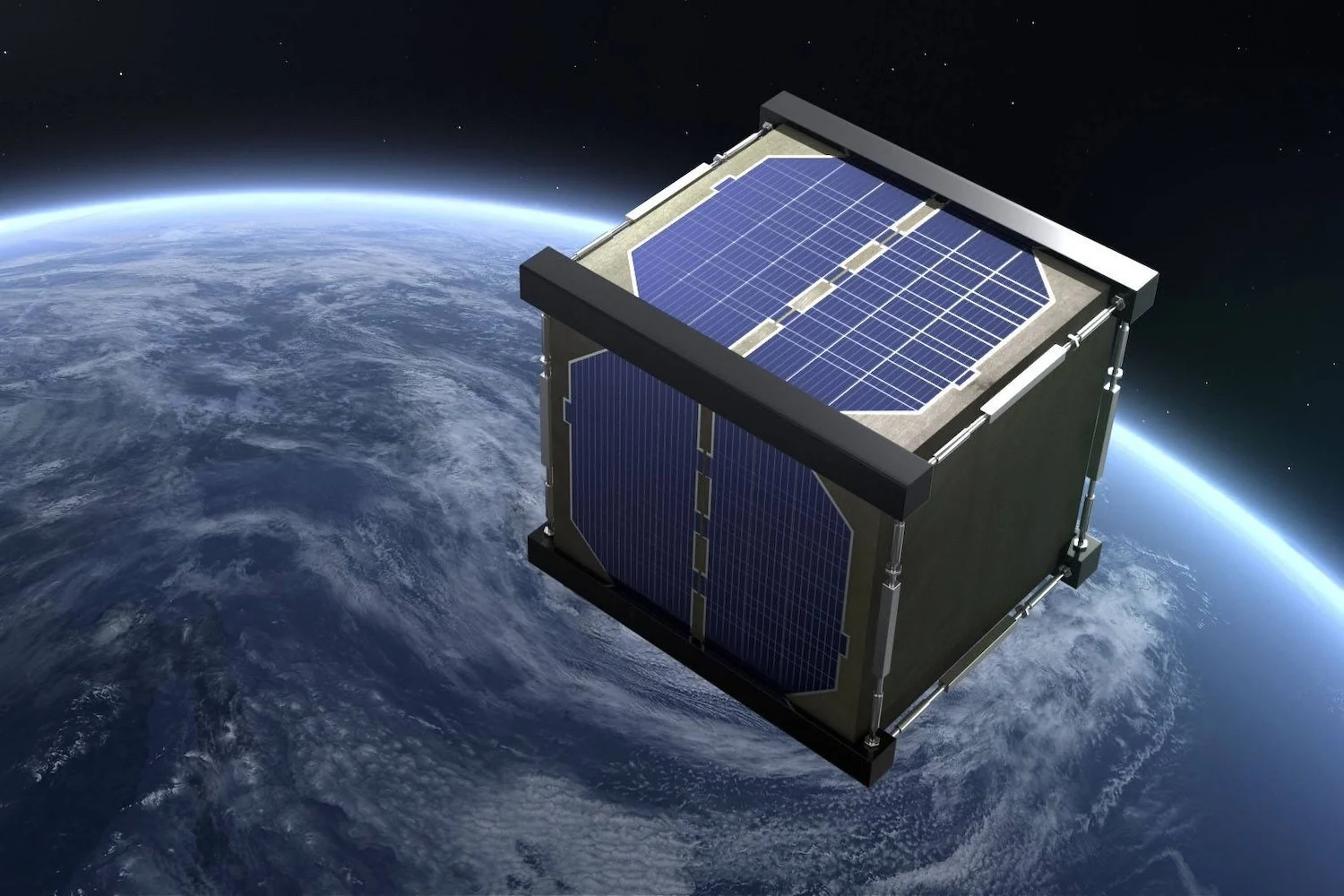
LignoSat, the world's first wooden satellite, has been sent to the International Space Station and will soon be launched into Earth's orbit to test if wood can endure space conditions. Developed by Kyoto University and Sumitomo Forestry, the satellite aims to reduce space junk by using wood, which decomposes into water and carbon dioxide, unlike traditional aluminum satellites that release harmful particles. The project could lead to more sustainable spacecraft designs and even the possibility of growing trees on the Moon and Mars.
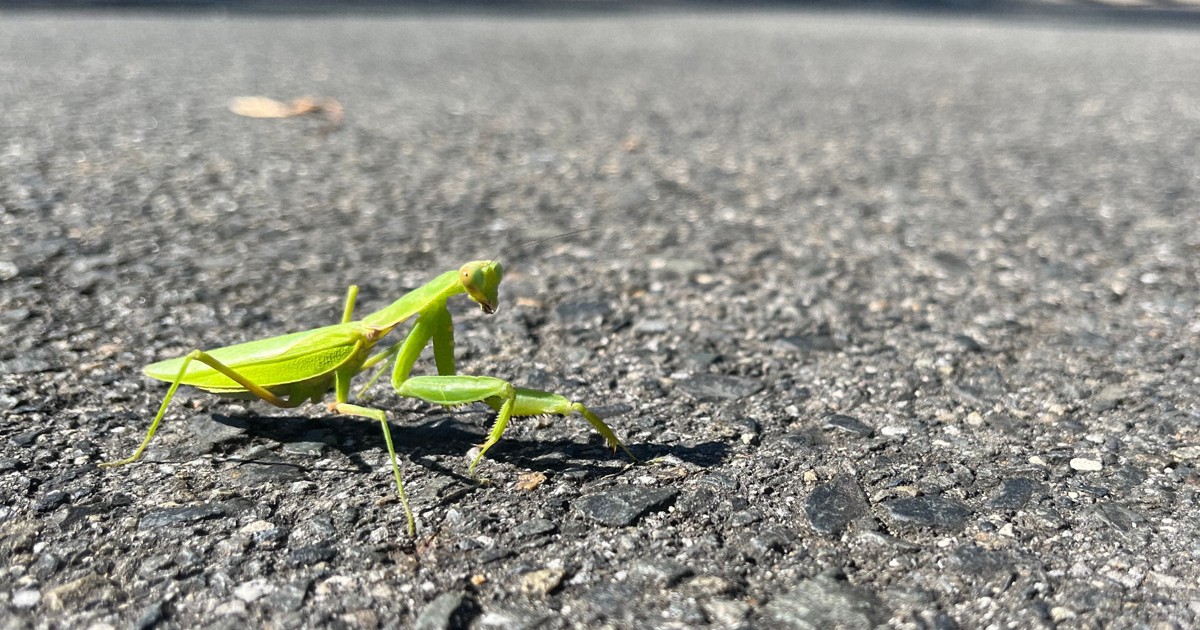
Researchers from Kyoto University have discovered that parasitic horsehair worms manipulate infected praying mantises into mistaking asphalt roads for water surfaces, leading to their deaths. The worms, which hatch in water and grow inside mantises, cause the insects to seek out horizontally polarized light, similar to that reflected by water. Experiments showed that infected mantises are more attracted to asphalt, which reflects similar light, resulting in a high infection rate among mantises found on roads. This study highlights the complex interaction between parasites and their hosts, influenced by human environments.
Japan has launched the world's first wooden satellite, LignoSat, to test the feasibility of using wood in space technology. Developed by Kyoto University and Sumitomo Forestry, the satellite aims to demonstrate wood's potential as an environmentally friendly material for space equipment, as it can burn up without polluting upon reentry. The experiment could pave the way for sustainable space construction and address the growing issue of space junk.
Japan has launched the world's first wooden satellite, LignoSat, developed by Kyoto University and Sumitomo Forestry, into orbit via a SpaceX mission. The satellite aims to demonstrate the potential of renewable materials in space, addressing concerns about metal satellite debris and atmospheric chemical saturation. LignoSat will orbit at 400 kilometers above Earth for six months, testing wood's durability and its ability to mitigate radiation effects on semiconductors.
The world's first wooden satellite, LignoSat, developed by Kyoto University and Sumitomo Forestry, has been launched on a SpaceX rocket as part of a resupply mission to the International Space Station. The satellite aims to test the viability of using wood in space to reduce environmental impact from metal particles upon re-entry. LignoSat will be released into space to assess its durability and data will be collected to evaluate its performance under extreme conditions.
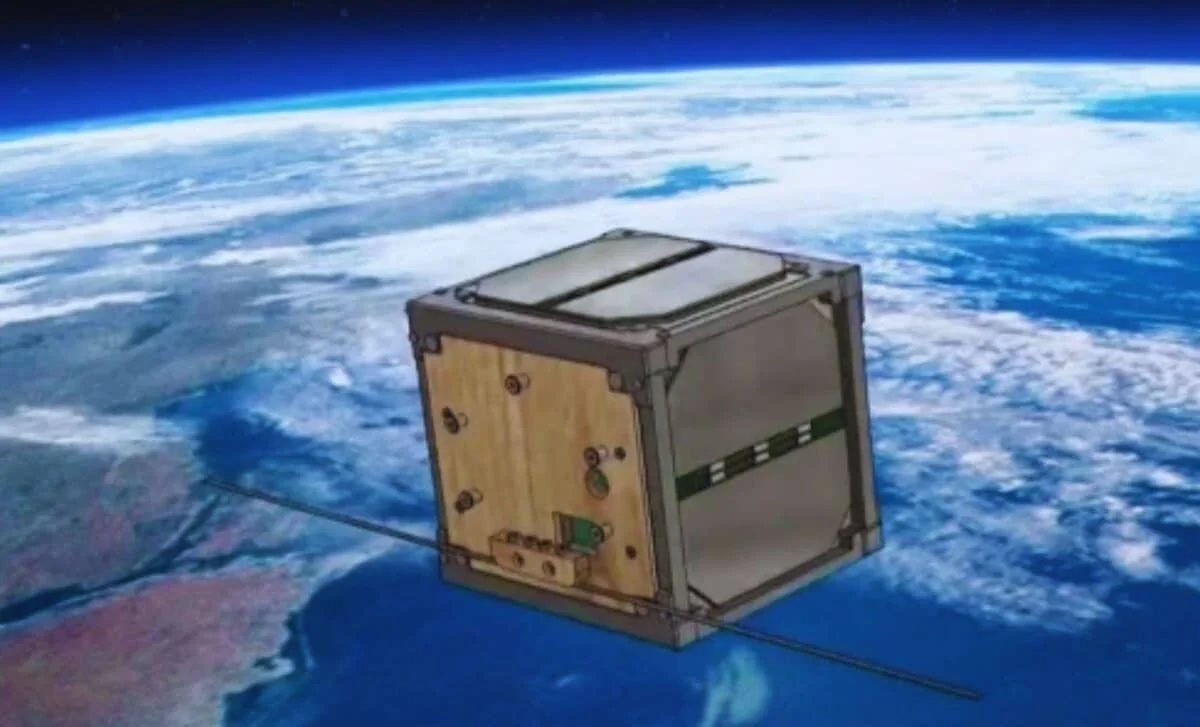
The world's first wooden satellite, LignoSat, developed by Kyoto University and Sumitomo Forestry, has arrived at the International Space Station (ISS) aboard a SpaceX Dragon cargo capsule. This innovative satellite, made from magnolia wood, aims to demonstrate a more sustainable and less polluting alternative to conventional aluminum satellites, which can harm the Earth's atmosphere when they burn up. LignoSat will soon be deployed from the ISS to test its durability in space, potentially paving the way for future eco-friendly space technologies.
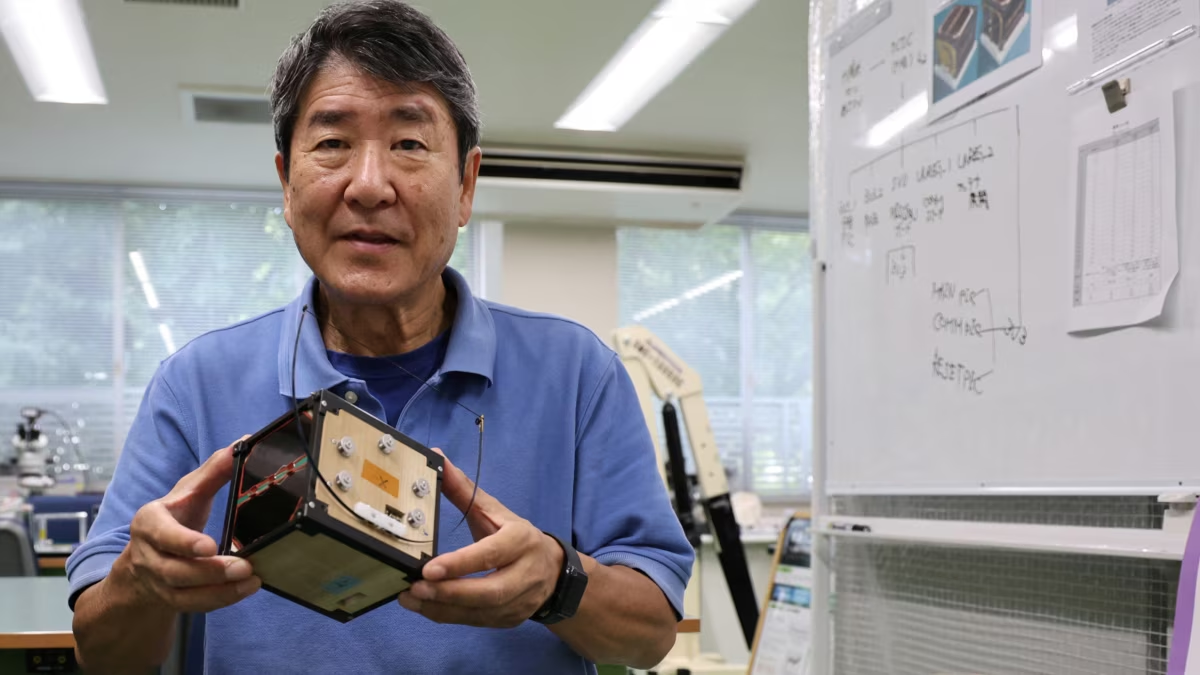
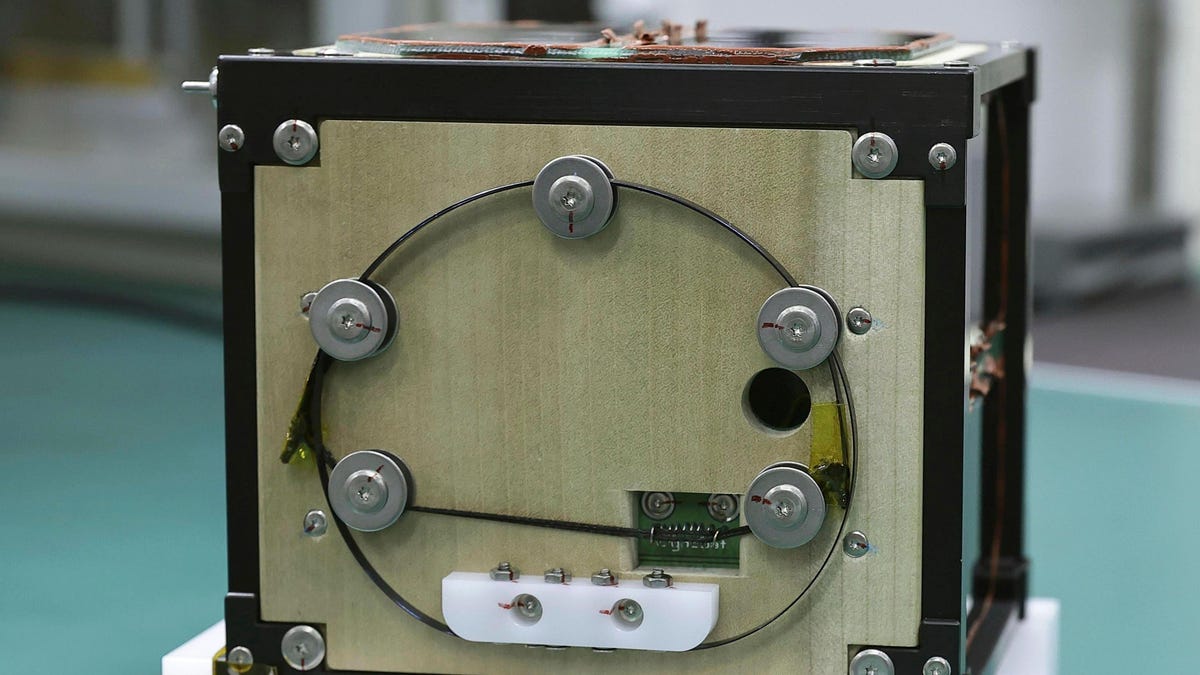
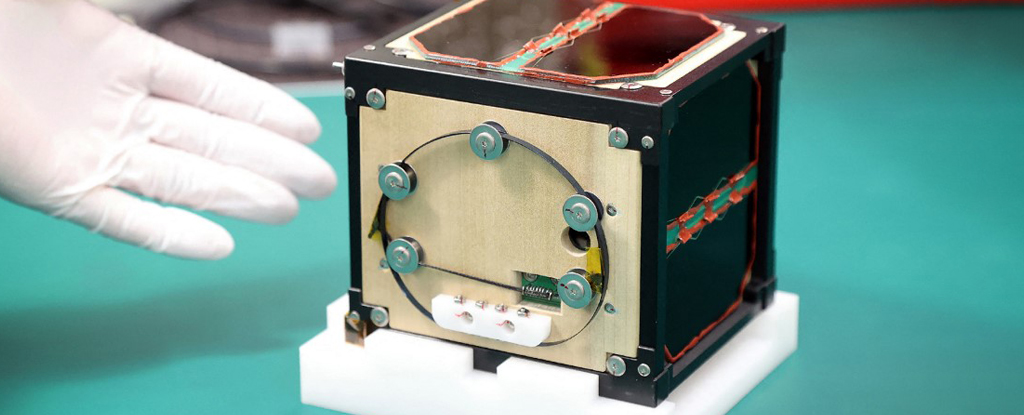
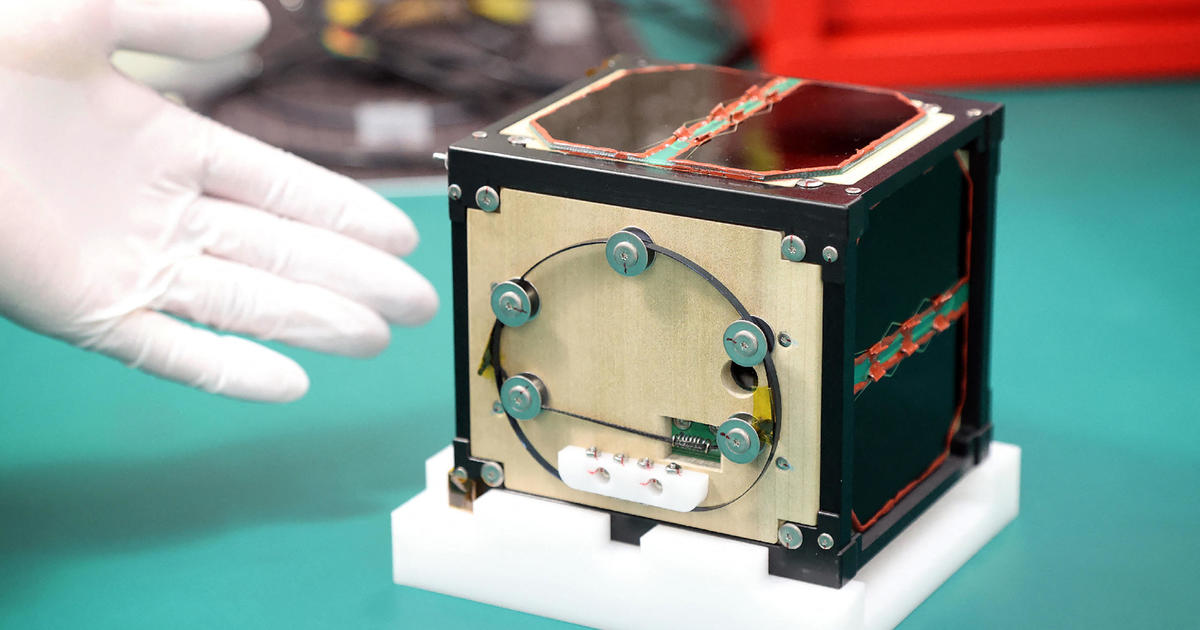
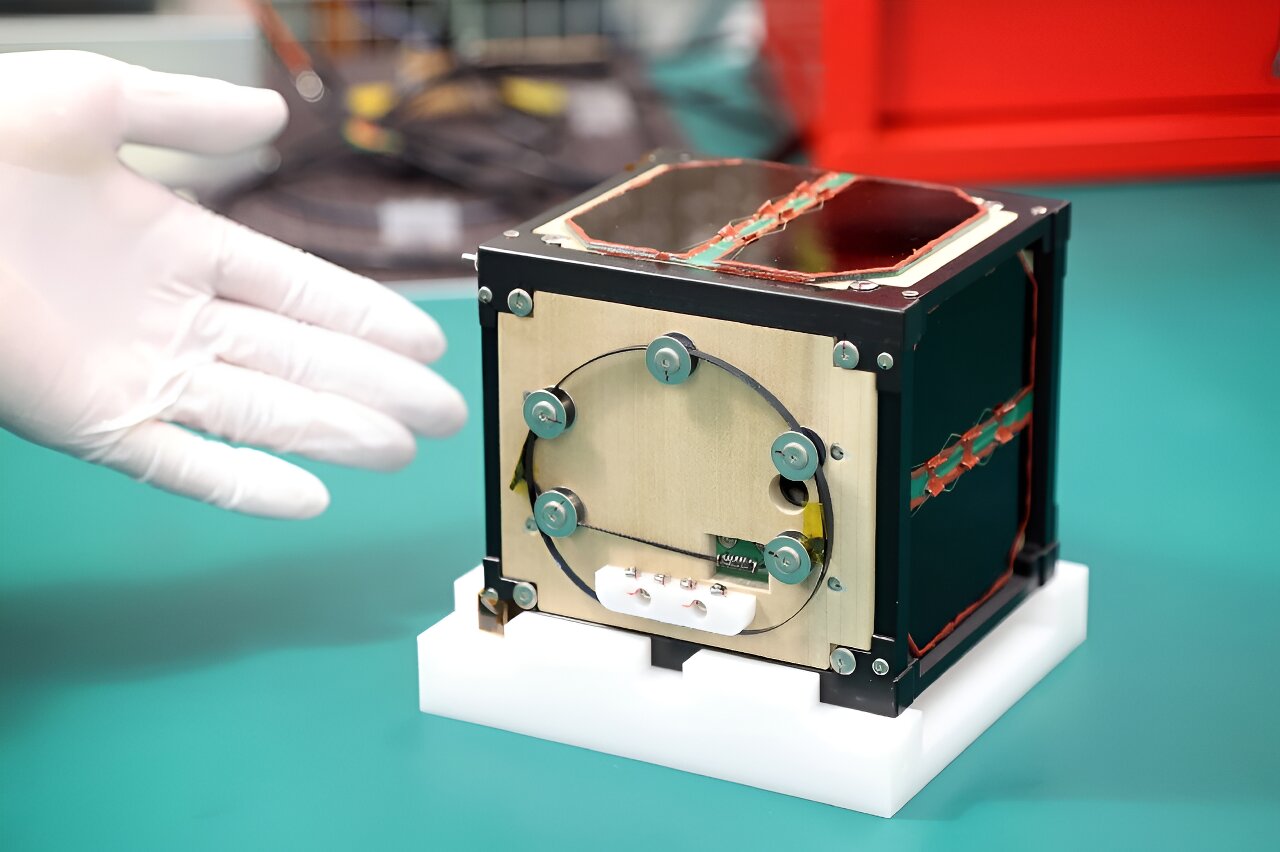
The world's first wooden satellite, LignoSat, has been launched into space by Kyoto University and Sumitomo Forestry to explore the use of timber in reducing space junk. The satellite, which measures 10cm on each side, was launched on a SpaceX rocket and will soon be released into outer space from the ISS. The wooden material is expected to burn up upon re-entry, potentially minimizing metal particle pollution. Researchers will monitor its durability and performance in extreme conditions.
A wooden satellite, LignoSat, developed by Kyoto University and Sumitomo Forestry, has been launched to the International Space Station aboard a SpaceX mission. The satellite, made of magnolia wood, will be deployed to test its durability in space, potentially paving the way for more sustainable materials in space construction. Previous tests showed wood's resilience to cosmic rays and solar particles, suggesting it could reduce space debris and environmental impact compared to traditional materials. The experiment aims to explore wood's viability for future space structures, including habitats on the Moon and Mars.
Researchers in Japan have developed the world's first wooden satellite, LignoSat, which is set to launch in September aboard a SpaceX rocket. Made from magnolia wood, the satellite aims to test the viability of wood as a sustainable material in space, potentially reducing space junk and environmental impact.
Japanese researchers have developed the world's first wooden satellite, LignoSat, which will be launched on a SpaceX rocket in September. Made from magnolia wood, the 10-centimeter cuboid satellite aims to reduce environmental impact by burning up completely upon re-entry, avoiding metal particle pollution. The satellite will be tested for durability and temperature resistance from the International Space Station.
Japanese researchers from Kyoto University and Sumitomo Forestry have built the world's first wooden satellite, LignoSat, which is set to be launched into space on a SpaceX rocket in September. The satellite, made from magnolia wood, aims to reduce environmental impact by burning up completely upon re-entry, avoiding the creation of harmful metal particles. The satellite will be tested for durability and temperature resistance from the International Space Station.
Japanese researchers from Kyoto University and Sumitomo Forestry have built the world's first wooden satellite, LignoSat, which will be launched on a SpaceX rocket in September. The satellite, made from magnolia wood, aims to reduce environmental impact by burning up completely upon re-entry, avoiding metal particle pollution. It will be tested for durability and temperature resistance from the International Space Station.
Scientists are on the verge of launching the world's first wooden satellite, LignoSat2, in the summer of 2024, with NASA and JAXA collaborating on the project. Kyoto University achieved a significant milestone by testing wood samples at the International Space Station as part of the LignoStella Space Wood Project, which aimed to examine the endurance of different wood types in space.
Japanese scientists from Kyoto University, in collaboration with JAXA and NASA, are working on sending a wooden satellite called LingoSat into space. The researchers have been exploring the use of biological materials in space to reduce the environmental impact of metallic particles from traditional satellites. Wood is a compelling choice for space structures as it burns up upon re-entry into the atmosphere, unlike metals that become fine particles. The team has conducted tests on wood samples in space and found them to be resilient. The LingoSat, made from magnolia wood, is expected to launch in 2024 and will be monitored for at least six months to assess its performance in space conditions. The researchers hope that this project will demonstrate the potential of using lower-impact materials in space development.