Tag

Megaconstellations

All articles tagged with #megaconstellations

Global Efforts to Mitigate Space Junk Risks and Improve Orbital Traffic Management

Originally Published 3 months ago — by Ars Technica

Featured image for Global Efforts to Mitigate Space Junk Risks and Improve Orbital Traffic Management
Source: Ars Technica

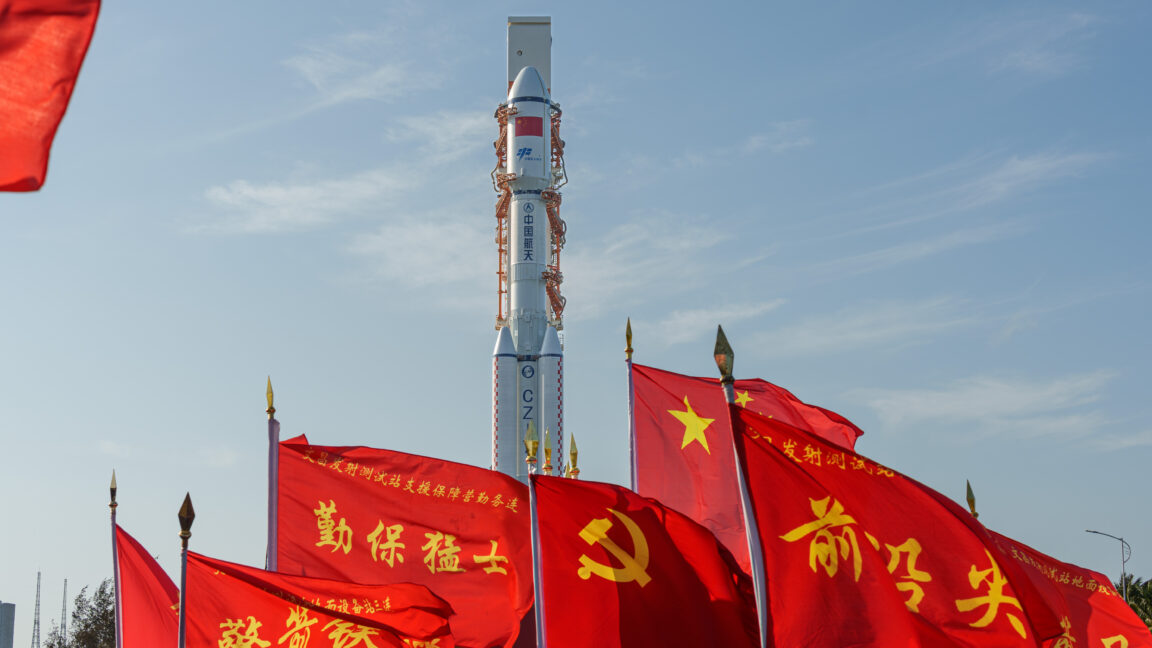
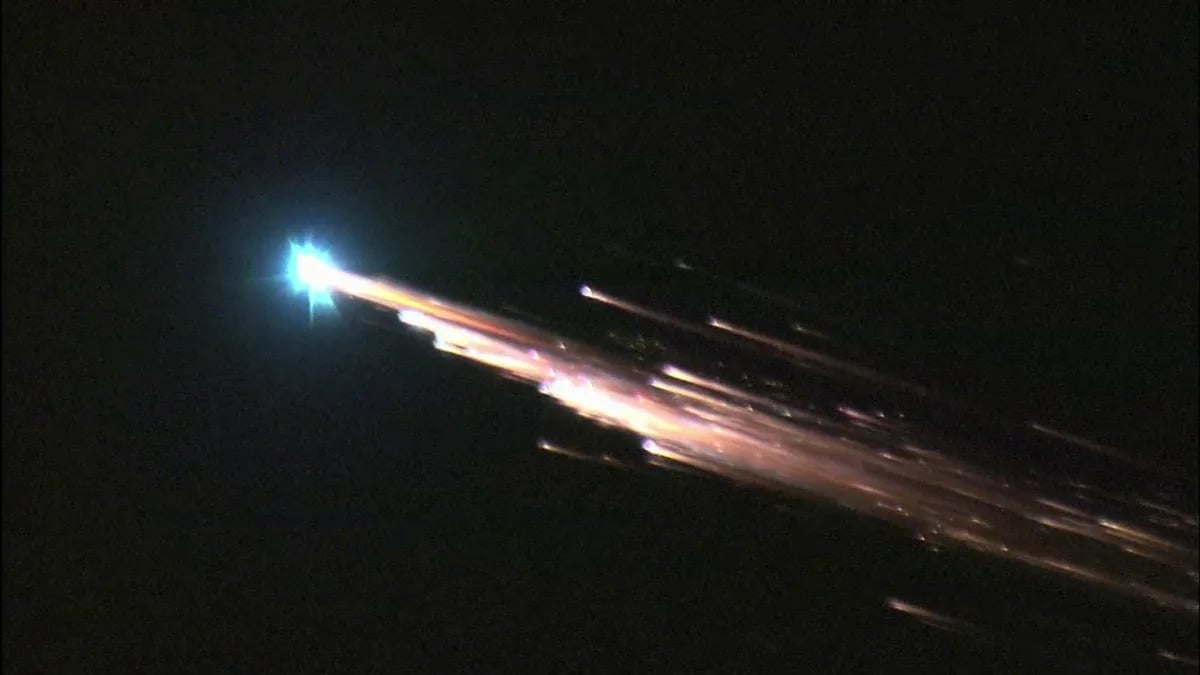
China has been abandoning a significant number of rocket stages in orbit, especially with the deployment of new megaconstellations like Guowang and Thousand Sails, which could leave over 100 rocket bodies in orbit for more than 25 years, increasing space debris and potential hazards. Despite having the capability to deorbit these stages, China often does not, contributing to the growing problem of space junk, which has accelerated in recent years.

Vera Rubin Observatory Set to Revolutionize Astronomy with First Images and Global Watch Parties

Originally Published 6 months ago — by Space

Featured image for Vera Rubin Observatory Set to Revolutionize Astronomy with First Images and Global Watch Parties
Source: Space

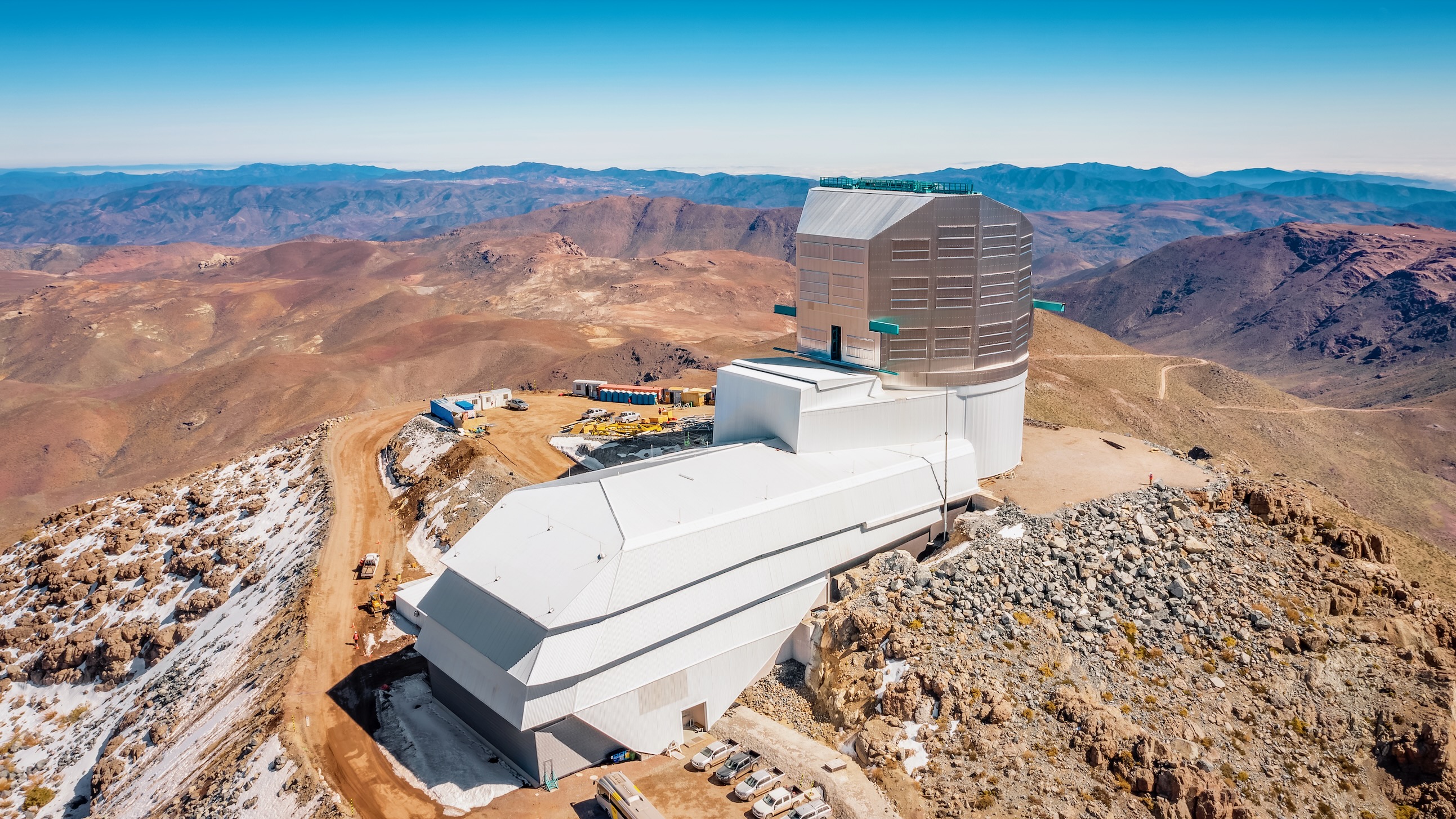
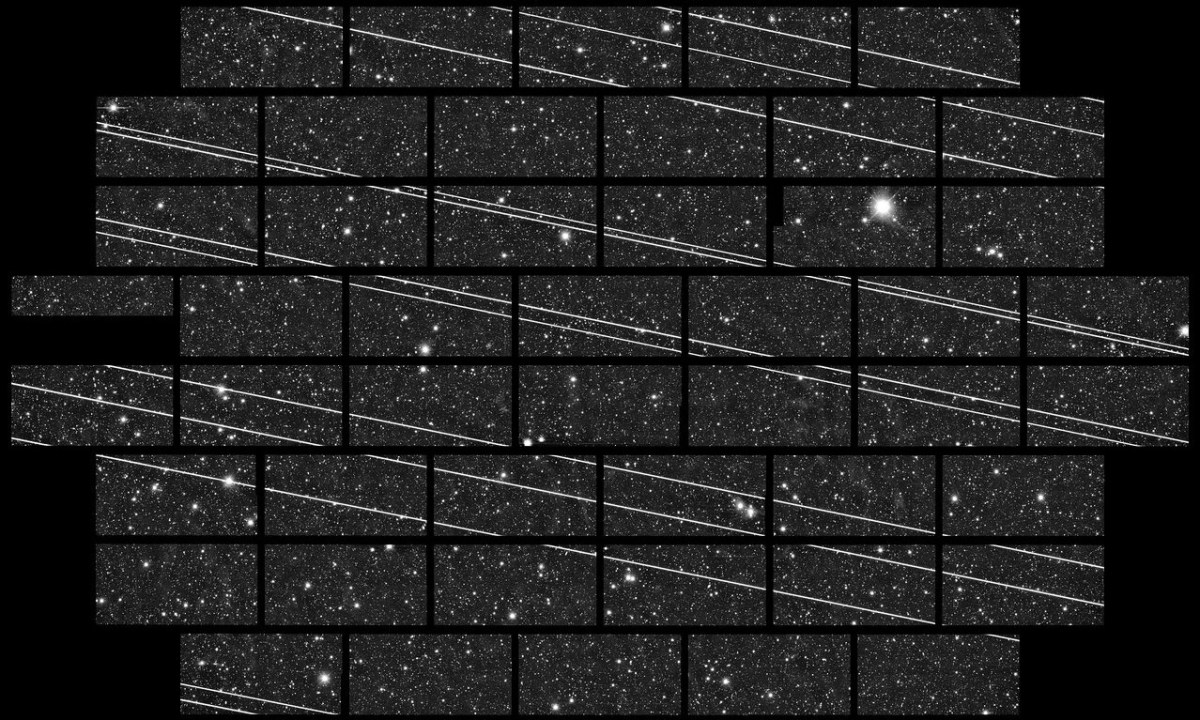
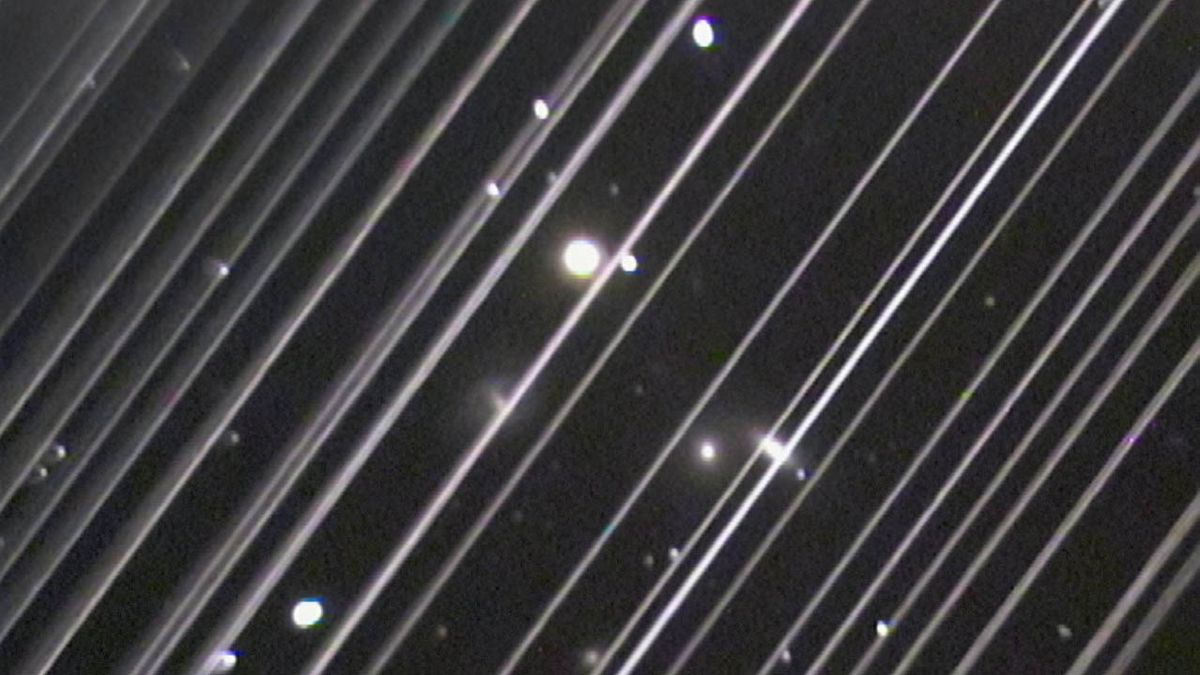
The Vera Rubin Observatory in Chile, set to revolutionize sky surveys with its large camera and wide field of view, faces significant challenges from the increasing number of bright satellites from mega-constellations like Starlink, which threaten to obscure and contaminate astronomical images. Despite developing techniques to mitigate satellite streaks, the growing satellite population could still impact the observatory's scientific output, prompting calls for darker satellites and innovative solutions to preserve the integrity of ground-based astronomy.

"Harmonizing with Megaconstellations: Astronomers Adapt to Coexist"

Originally Published 1 year ago — by SpaceNews

Featured image for "Harmonizing with Megaconstellations: Astronomers Adapt to Coexist"
Source: SpaceNews

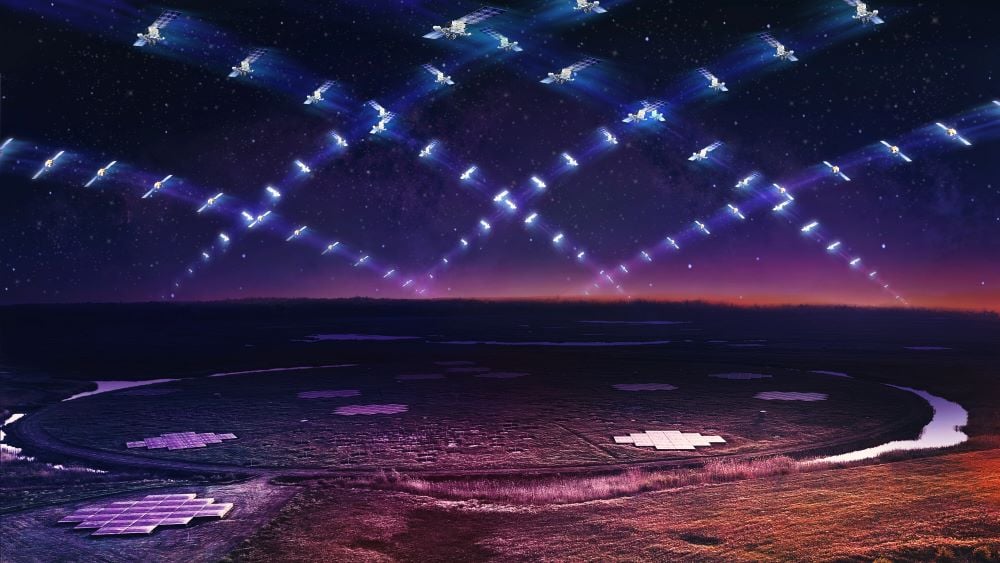
Astronomers and satellite megaconstellations are learning to coexist as companies like SpaceX and Amazon work with the astronomy community to mitigate the impact of megaconstellations on optical and radio astronomy. Efforts include design changes to reduce satellite brightness and voluntary cooperation with industry, but lack of regulations remains a concern. While progress has been made, the issue of satellite interference with astronomy is still in its early stages, with astronomers and spacecraft engineers striving for coexistence while addressing the challenges posed by megaconstellations.

"Burning Satellites' Debris Impacting Earth's Magnetic Field"

Originally Published 1 year ago — by Yahoo! Voices

Featured image for "Burning Satellites' Debris Impacting Earth's Magnetic Field"
Source: Yahoo! Voices

The increasing number of satellites burning up in Earth's atmosphere is creating a shell of conductive dust around the planet, potentially affecting Earth's protective magnetic field. This conductive dust, mainly made of superconductive metals from re-entering satellites, could perturb the magnetosphere and potentially weaken Earth's protective shield, allowing harmful cosmic radiation to reach the planet's surface. Additionally, the aluminum from burning satellites could deplete the ozone layer. Scientists are concerned about the long-term environmental impacts of this space debris pollution, as the consequences may only become apparent decades from now.

"US Military Embraces Megaconstellations for Enhanced Space Cooperation and Protection"

Originally Published 2 years ago — by Ars Technica

Featured image for "US Military Embraces Megaconstellations for Enhanced Space Cooperation and Protection"
Source: Ars Technica

The leader of the United States Space Command, General James H. Dickinson, highlighted the importance of megaconstellations like SpaceX's Starlink network in providing resiliency and redundancy in satellite communications during Ukraine's efforts to deter a potential invasion by Russia. Megaconstellations make it difficult for adversaries to take countermeasures and frustrate them by creating uncertainty about the number of satellites that would need to be targeted. Dickinson also emphasized the growing reliance on commercial space companies for various functions, but acknowledged the need to strike a balance between military and commercial services in the space domain.

"Starlink Satellites: Dodging Objects, Leaking Radiation, and Disturbing Astronomy"

Originally Published 2 years ago — by TechCrunch

Featured image for "Starlink Satellites: Dodging Objects, Leaking Radiation, and Disturbing Astronomy"
Source: TechCrunch

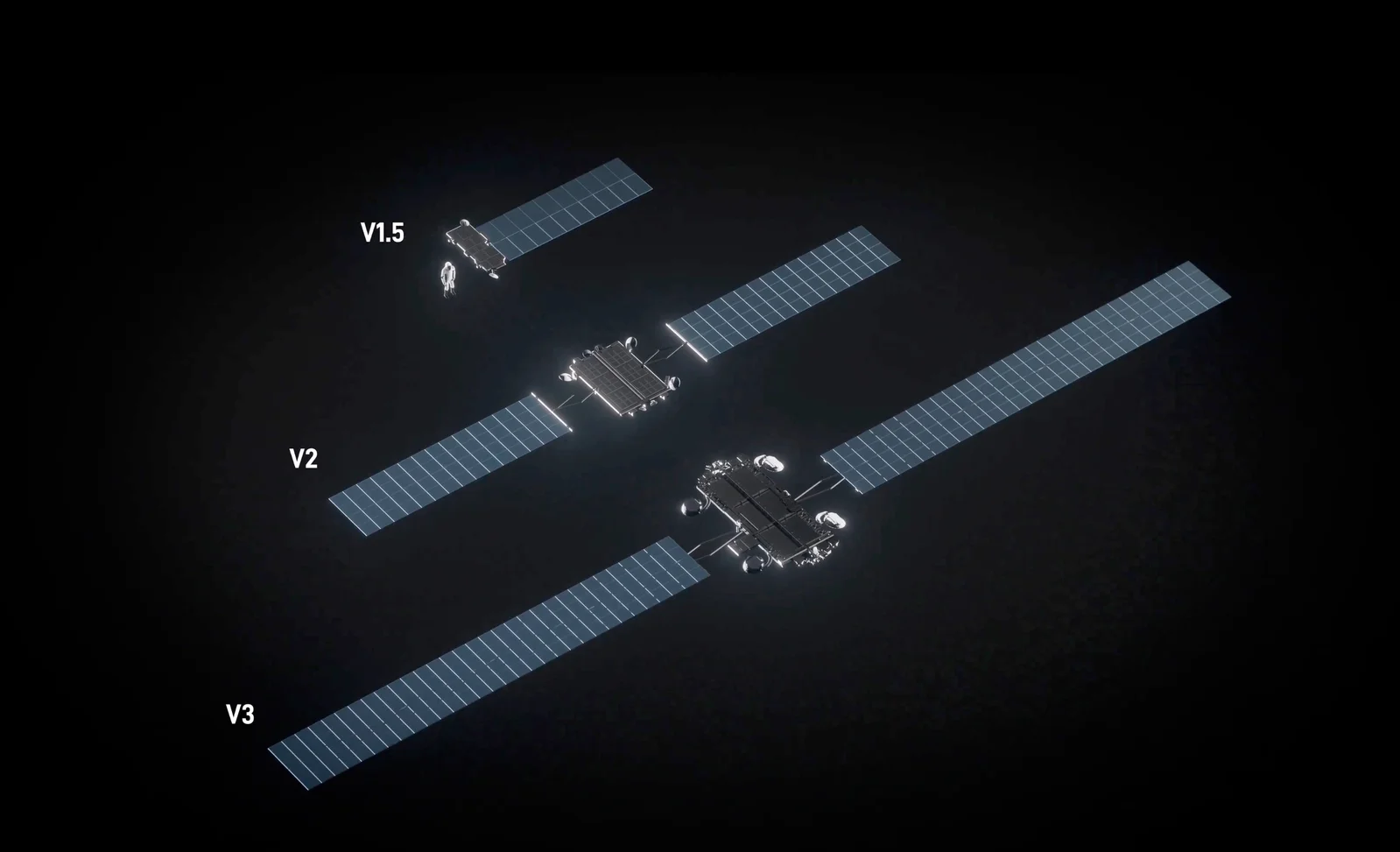
SpaceX's Starlink satellites have performed over 25,000 avoidance maneuvers in a six-month period, double the previous reporting period, as low Earth orbit becomes more crowded. The company uses a stringent threshold for maneuvering, moving satellites when the probability of collision exceeds 1 in 100,000. Over 1,300 maneuvers were made to avoid debris from Russia's anti-satellite weapon test. Additionally, a study found that Starlink satellites emit unintended electromagnetic radiation that could impact astronomical research, with simulations showing a compounding effect from larger constellations. The International Astronomical Union has been vocal about the potential impacts of satellite constellations on astronomy, and SpaceX has introduced changes to mitigate the emissions in the next generation of Starlink satellites.

Protecting Astronomy from Satellite Megaconstellations.

Originally Published 2 years ago — by Space.com

Featured image for Protecting Astronomy from Satellite Megaconstellations.
Source: Space.com

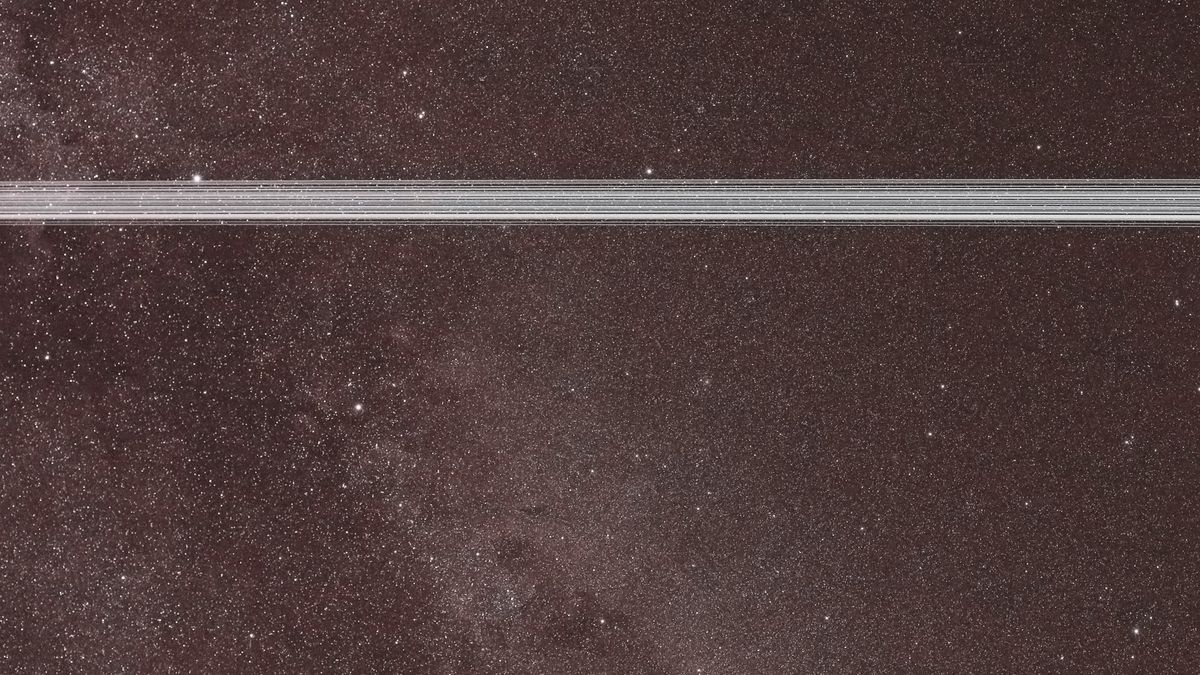
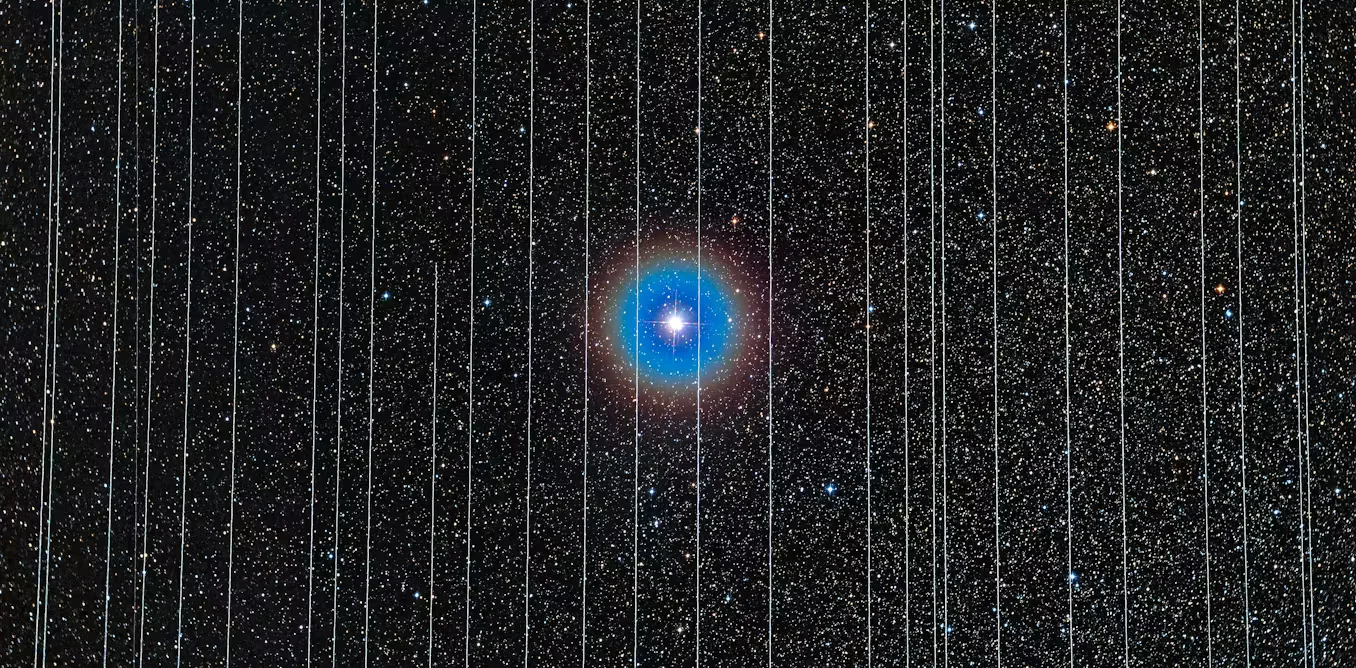
The increasing number of Earth-orbiting megaconstellations, such as Starlink and OneWeb, is causing concern among astronomers who fear that the light from an estimated 400,000 satellites planned for low Earth orbit in the coming years will interfere with their observations. The International Astronomical Union's Center for the Protection of the Dark and Quiet Sky from Satellite Constellation Interference is working to find a common understanding between the need for global internet coverage and the protection of astronomy. The most rapid progress in mitigating the impacts of megaconstellations on astronomy comes from cooperative efforts by industry, some of which are now made a condition of operational licensing by the Federal Communications Commission.

Megaconstellations' Impact on Astronomy Raises Concerns.

Originally Published 2 years ago — by NASASpaceflight.com

Featured image for Megaconstellations' Impact on Astronomy Raises Concerns.
Source: NASASpaceflight.com

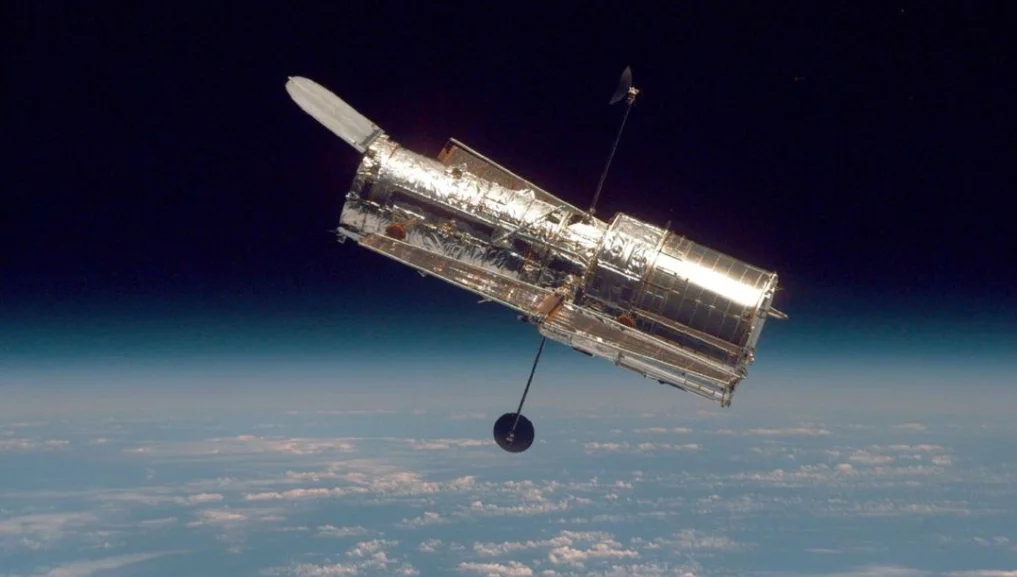
Satellite megaconstellations, such as SpaceX's Starlink and Amazon's Project Kuiper, are causing concern for astronomers as they obstruct ground-based and space-based telescopes. While mitigation techniques have been developed to reduce the brightness of the satellites, they do little to lessen the impact on telescopes in low Earth orbit (LEO). Wide field-of-view telescopes, such as China's upcoming Xuntian telescope, will be more severely affected. As megaconstellations continue to grow, astronomers will need to adjust how they study the cosmos, potentially launching telescopes into higher orbits to limit the effects of satellite transits.

The Battle to Protect Dark Skies from Satellites

Originally Published 2 years ago — by Space.com

Featured image for The Battle to Protect Dark Skies from Satellites
Source: Space.com

Astronomers are being urged to "fight tooth and nail" to protect the night sky against rising light pollution caused by artificial urban lighting on Earth and satellites congesting low Earth orbit. A new paper argues that current efforts by astronomers are mitigating the problem of light pollution in astronomy but will not solve it unless strict and immediate regulations are enforced. The authors propose tightening the criteria to authorize massive satellite constellations and enforcing an upper limit for the number of orbiting satellites and the amount of artificial light produced.

Ban Proposed for Light-Polluting Satellite Constellations like Starlink.

Originally Published 2 years ago — by The Guardian

Featured image for Ban Proposed for Light-Polluting Satellite Constellations like Starlink.
Source: The Guardian

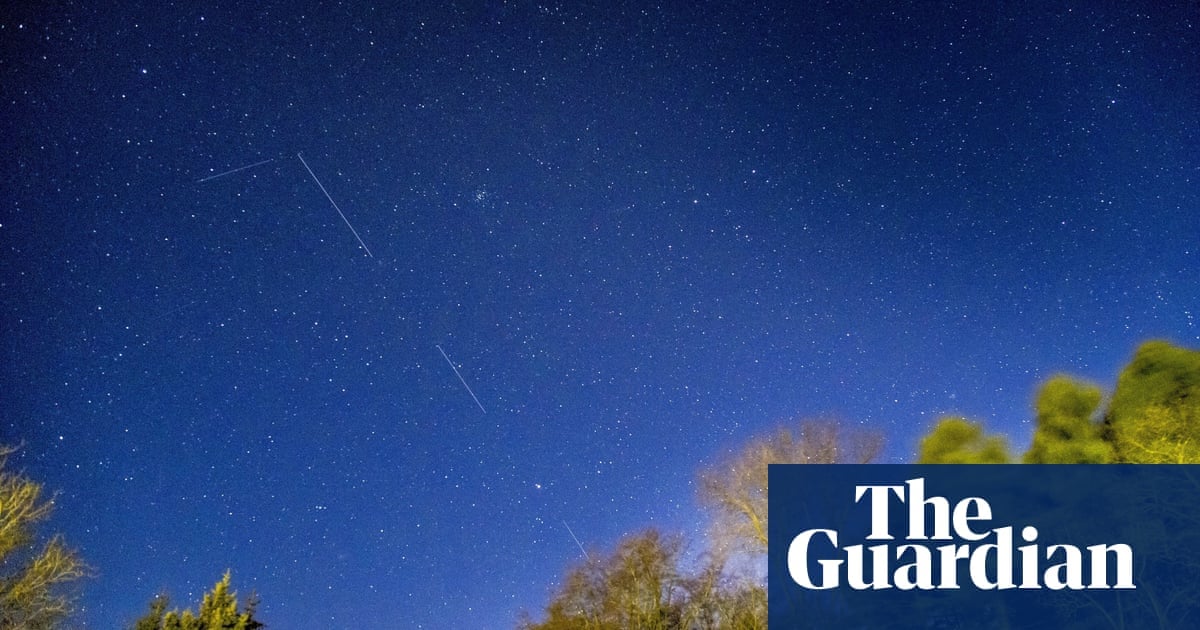
Astronomers have called for a ban on megaconstellations of low-altitude satellites, including Elon Musk's Starlink, to reduce light pollution and preserve the ability to study the skies. In a series of papers published in the journal Nature Astronomy, scientists have raised concerns about the brightening night sky and called for regulation. The illumination of artificial satellites and associated space junk by the sun has increased night sky brightness, making it harder to detect faint astrophysical signals and impacting biological systems. The scientists suggest that the stakes are too high for inaction and that a cap limit on the total number of satellites in low orbits should be introduced.