US scientists have used quantum chemistry to understand and improve ozone-generating catalysts for chlorine-free water disinfection, aiming to create safer, more sustainable water treatment systems that avoid the drawbacks of chlorine and its byproducts.
Scientists have discovered a surge in ozone levels within Mars's north polar vortex, which is much colder than surrounding areas and may provide insights into the planet's past atmospheric conditions and potential habitability. This finding is significant for upcoming missions like ExoMars, aiming to explore signs of ancient life, and highlights the unique atmospheric phenomena on Mars that could reshape our understanding of the planet.
A new study finds that changes in ozone levels will cause the planet to warm more than previously thought, with ozone contributing significantly to future warming due to both recovery of the ozone layer and increased ground-level ozone from pollution, complicating climate mitigation efforts.
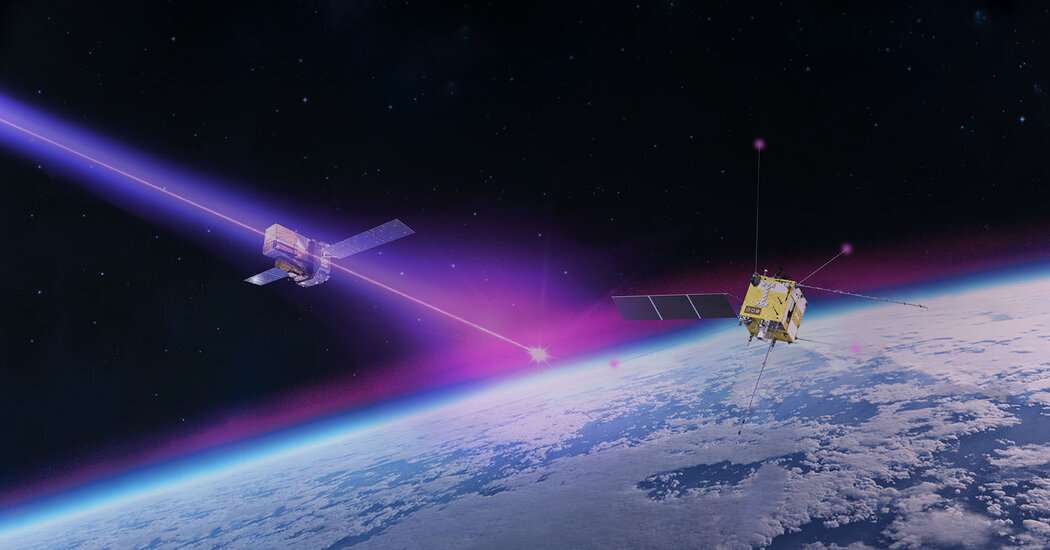
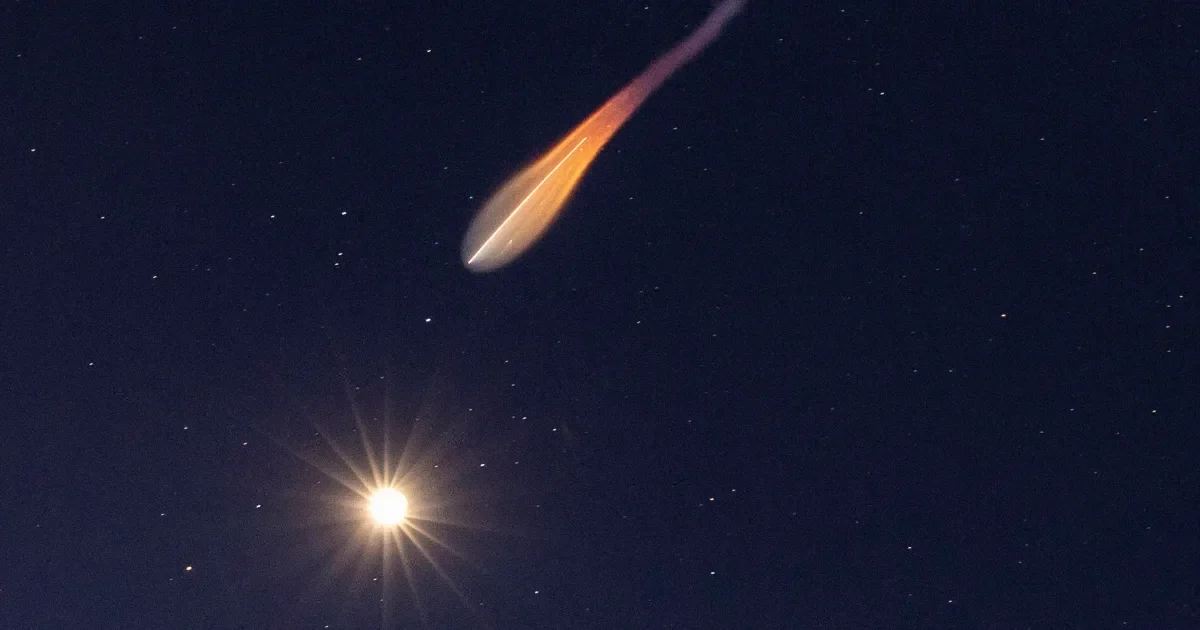
A mysterious light show over the Midwest, initially thought to be a meteor shower, was actually a SpaceX Starlink satellite re-entering Earth's atmosphere. The event, visible across several states, highlighted concerns about the increasing frequency of satellite re-entries and their potential impact on the ozone layer. SpaceX's growing number of satellites, with over 6,000 in orbit and plans for more, raises questions about long-term environmental effects.
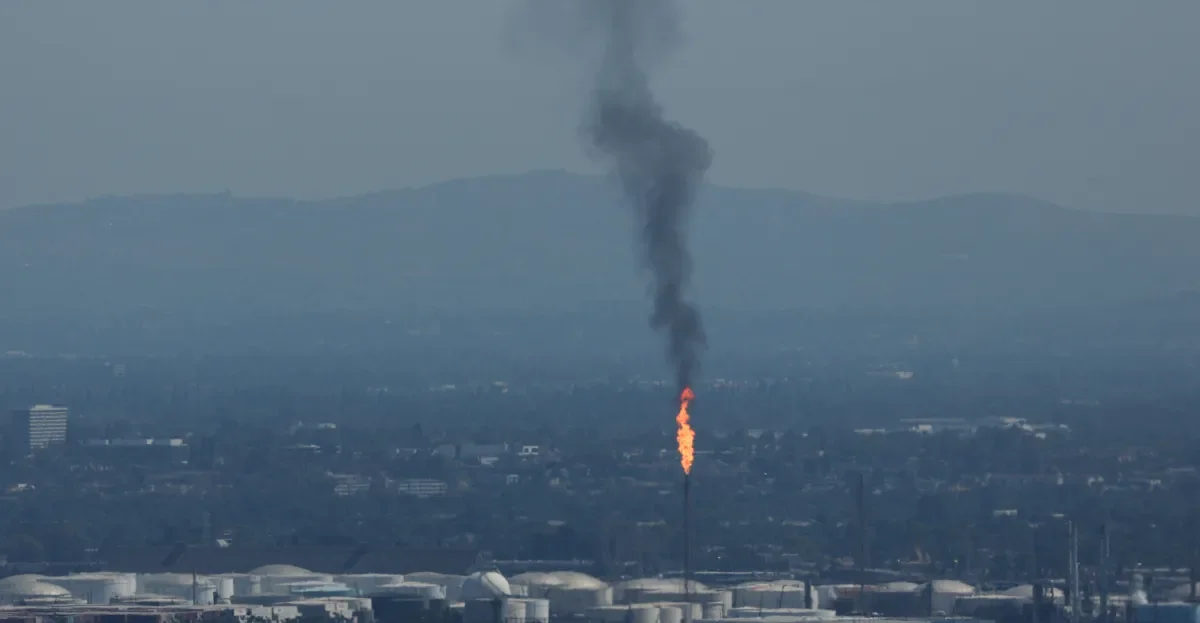
Mobile labs in New York City and New Jersey detected increased levels of pollutants like methane, nitrous oxide, ozone, and formaldehyde during a recent heat wave, highlighting how higher temperatures exacerbate air pollution.
Researchers propose that the absence of carbon dioxide in a planet's atmosphere could indicate the potential for liquid water on its surface, increasing the chances of habitability. They suggest that the combination of a CO2 deficit and the presence of ozone could indicate not just microbial life forms, but potentially a planet teeming with organisms. This approach could aid in the search for habitable exoplanets and is feasible with current telescopic technology.
A recent study reveals that a supernova explosion 1.9 billion light-years away caused a temporary depletion of ozone molecules in Earth's upper atmosphere, including a measurable change in ionized particles. Although the effect lasted only a few minutes and was not considered serious, scientists warn that if a similar event occurred closer to Earth, it could have catastrophic consequences. The discovery highlights how even distant cosmic explosions can impact our atmosphere and serves as a reminder of the importance of understanding the ionosphere's response to cosmic phenomena for potential threats closer to home.
The Pennsylvania Department of Environmental Protection has issued a Code Orange air quality alert for the Pittsburgh area on Monday due to high temperatures, leftover smoke, and increased ozone concentrations. The alert advises young children, the elderly, and those with respiratory problems to limit outdoor activities.
The Department of Environmental Conservation has issued a ground-level ozone warning for the lower Hudson Valley region in New York, which includes Dutchess, Orange, Putnam, Ulster, and Sullivan counties. The advisory is in effect through Saturday, and the primary sources of ground-level ozone are automobile exhaust and out-of-state emission sources. Ozone is a colorless gas that can produce hazy skies and reduce visibility in high concentrations. The federal Environmental Protection Agency has provided guidelines for staying indoors during poor air quality, including keeping windows and doors closed, using air filters, and having N95 masks on hand. The air quality health advisory has been extended through Saturday, with most of the Capital Region and Hudson Valley categorized as "unhealthy."
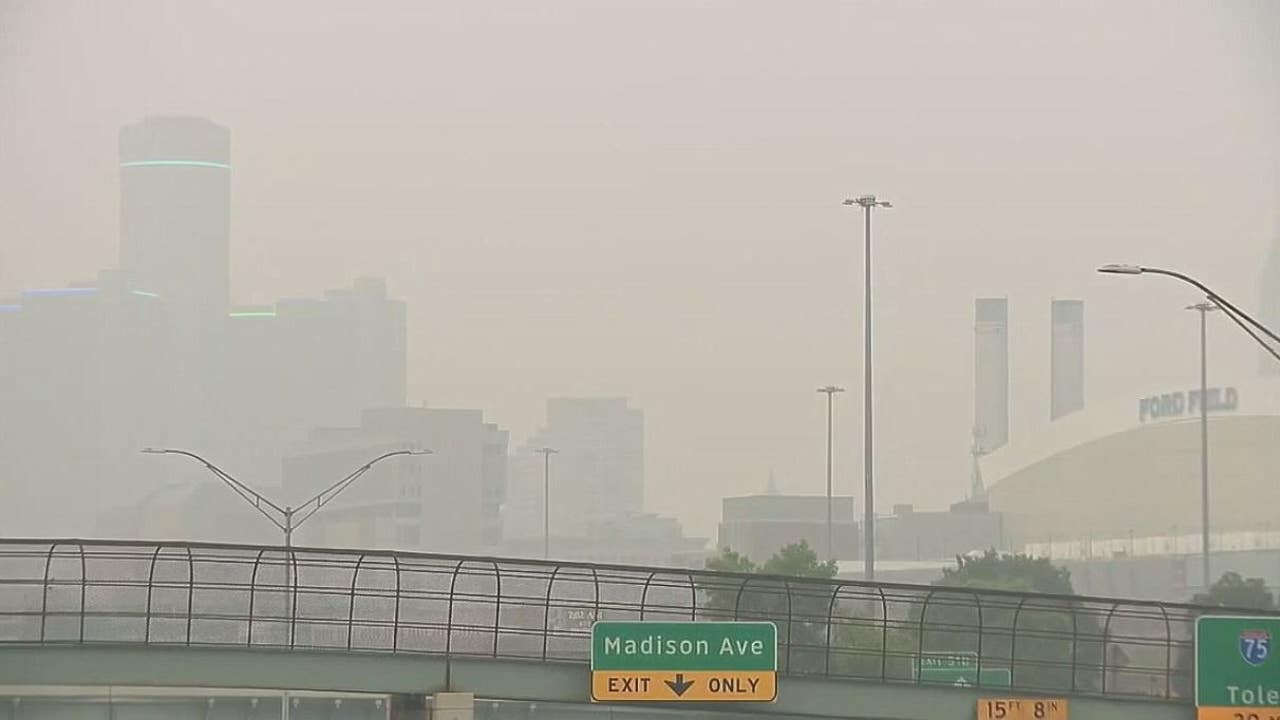
Elevated levels of ozone and smoke pollution are contributing to poor air quality in Michigan, with hot and humid weather and isolated to scattered storms expected. While some models suggest a slow decline in smoke pollution, it is advised to wait and see the improvement before assuming a significant change. Temperatures will peak today and gradually decrease through Sunday, with a potential bounce back in weather conditions for the 4th of July.
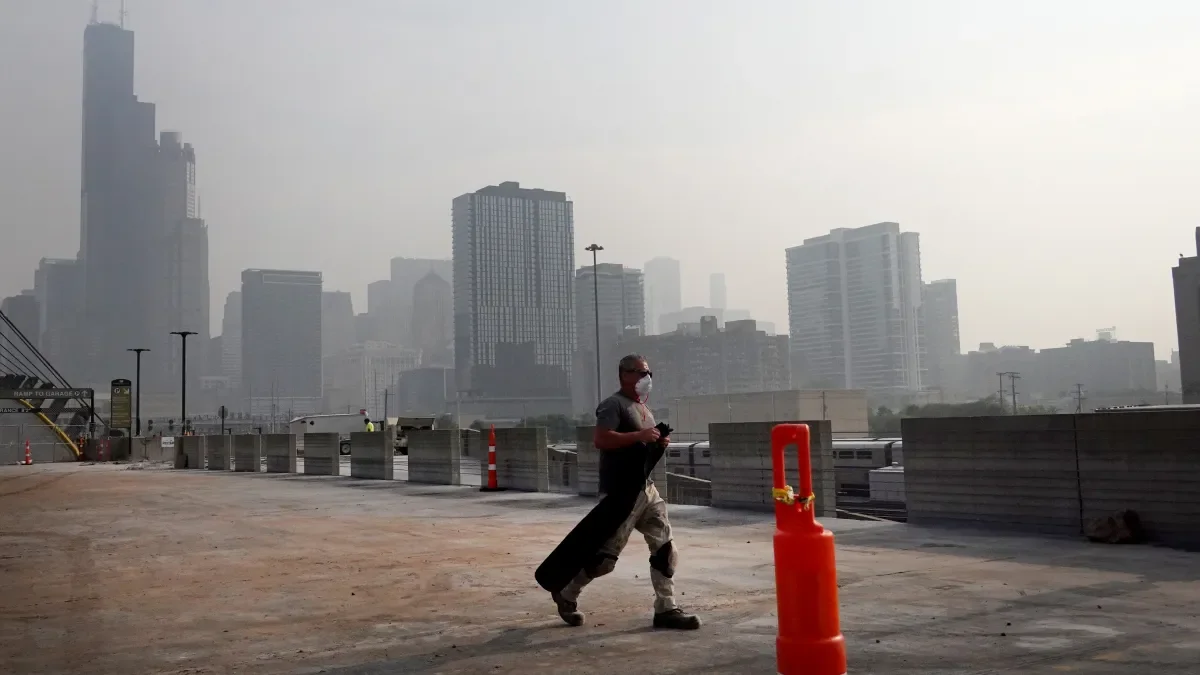
An air quality alert for Chicago and northwest Indiana has been extended as the region continues to experience "very unhealthy" conditions due to high smoke and ozone levels. The alert, issued by the National Weather Service, warns of elevated ozone levels and wildfire smoke, impacting air quality for sensitive groups. Smoke from Canadian wildfires is contributing to the poor air quality. The alert advises residents, especially those with heart or lung disease, to limit outdoor activities. In addition to the air quality concerns, an active weather pattern is expected to bring rain and storms to the area through the weekend, with some storms potentially becoming severe.
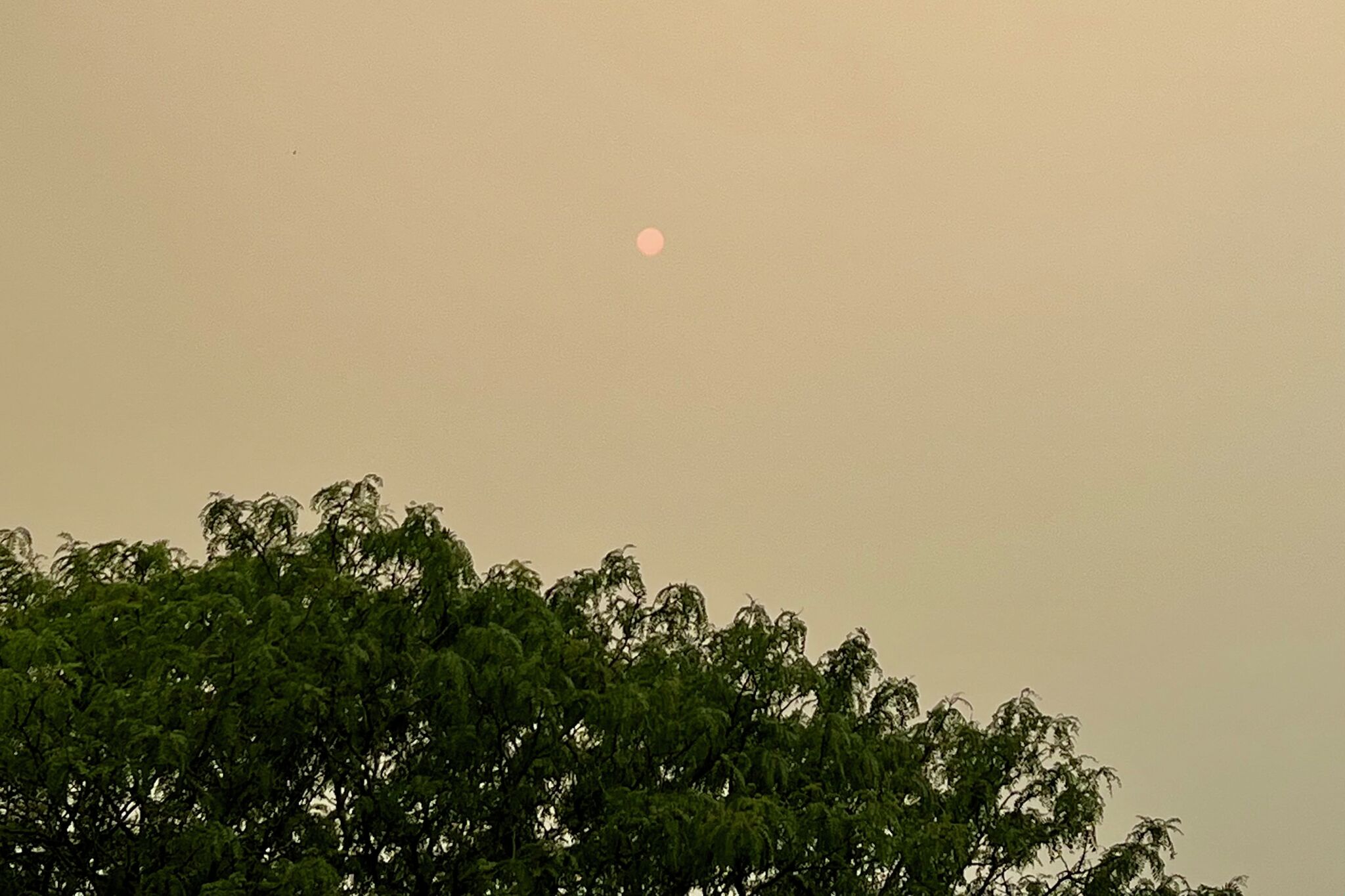
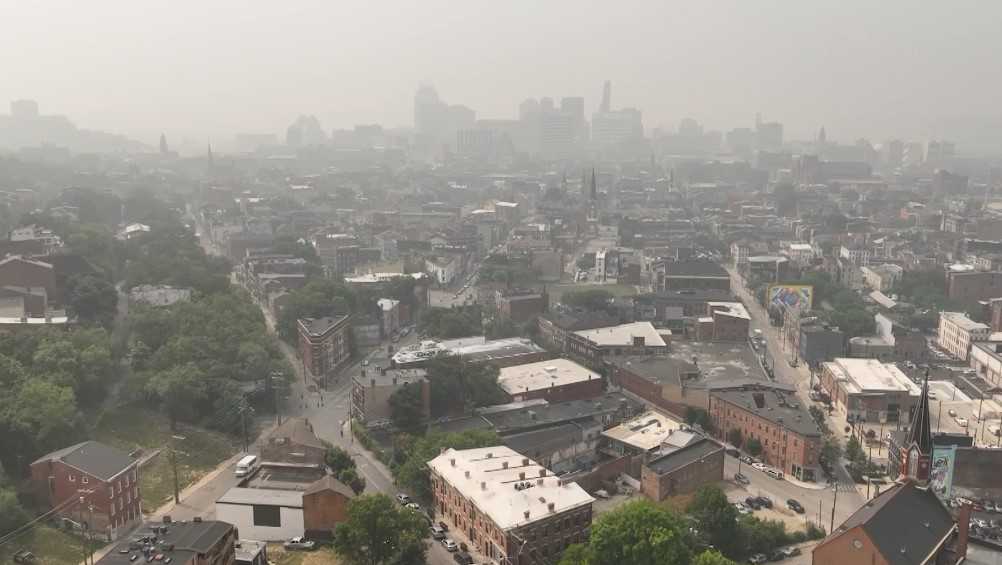
Cincinnati is experiencing the worst air quality in years, with air quality index numbers reaching unhealthy levels. The issue is a combination of smoke from Canadian wildfires and high ozone or smog levels. Residents are reporting respiratory issues such as coughing and throat irritation. Experts warn that the small smoke particulates can penetrate deep into the lungs, advising people to avoid outdoor exercise and opt for indoor activities instead.
NASA's MAVEN mission has captured striking ultraviolet images of Mars, providing valuable insights into the planet's upper atmosphere and interactions with the Sun. The images, taken at different points in Mars' orbit, reveal ozone accumulation during the northern hemisphere's cold winter nights and the presence of a deep crater called Argyre Basin. MAVEN's data is helping scientists investigate the loss of Mars' atmosphere over time.
The National Weather Service offices in Grand Rapids and Gaylord have issued Air Quality Alerts for several counties in Michigan due to elevated levels of ozone, creating unhealthy air conditions for sensitive groups. People and businesses are urged to avoid activities that lead to ozone formation. Rain is expected to move in on Sunday, which will restore air quality by the end of the weekend. It is recommended to limit outdoor activity if sensitive to air quality changes.
An air quality alert is in effect until 9 p.m. Thursday for central and southern Minnesota, including the Twin Cities, due to elevated levels of ground-level ozone caused by pollutants transported by southerly winds from the Chicago area, northeast Iowa, and southeast Minnesota. The ozone levels are expected to reach the orange air quality index category, considered unhealthy for sensitive groups. The forecast calls for slight improvements in air quality over the next few days, but wildfire smoke from Ontario may cause particulate AQIs to reach orange in parts of northeast Minnesota over the weekend.