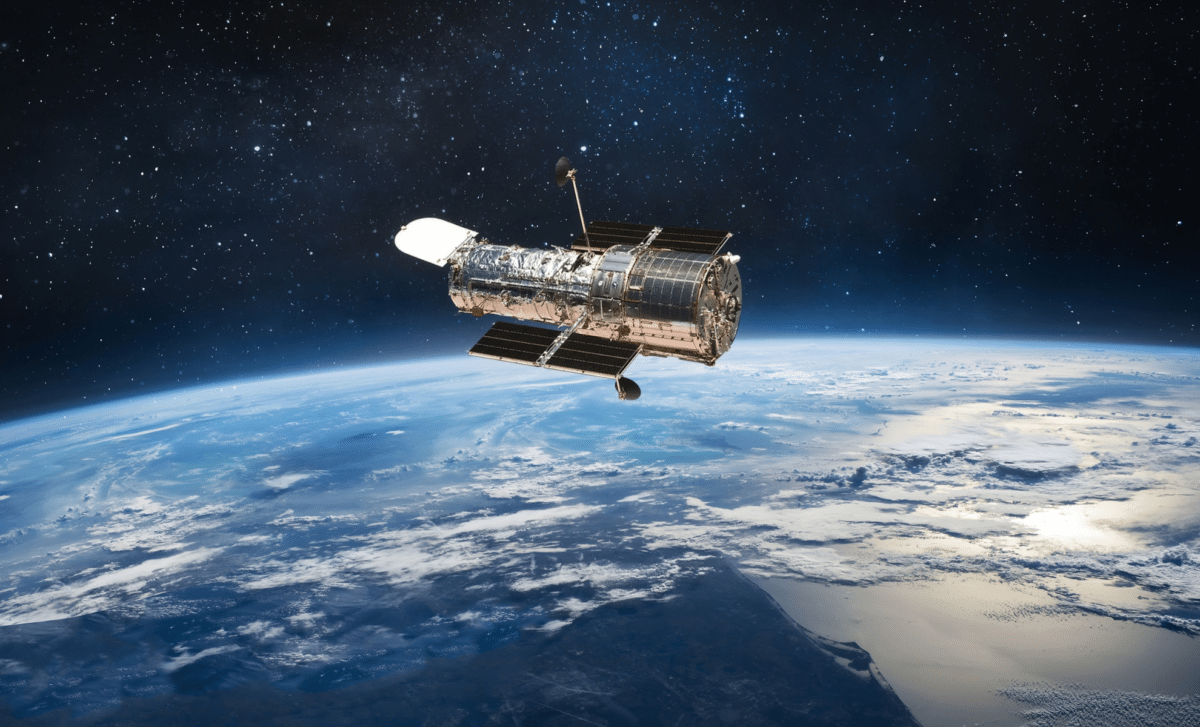
The Hubble Space Telescope, launched in 1990, is nearing the end of its operational life due to orbital decay accelerated by solar activity, with potential reentry as early as 2029. NASA has attempted to extend its lifespan, but without intervention, Hubble may soon be lost, creating a gap in space observation. However, the upcoming Lazuli telescope, funded by private sources and planned for launch in 2028, aims to succeed Hubble with advanced capabilities.
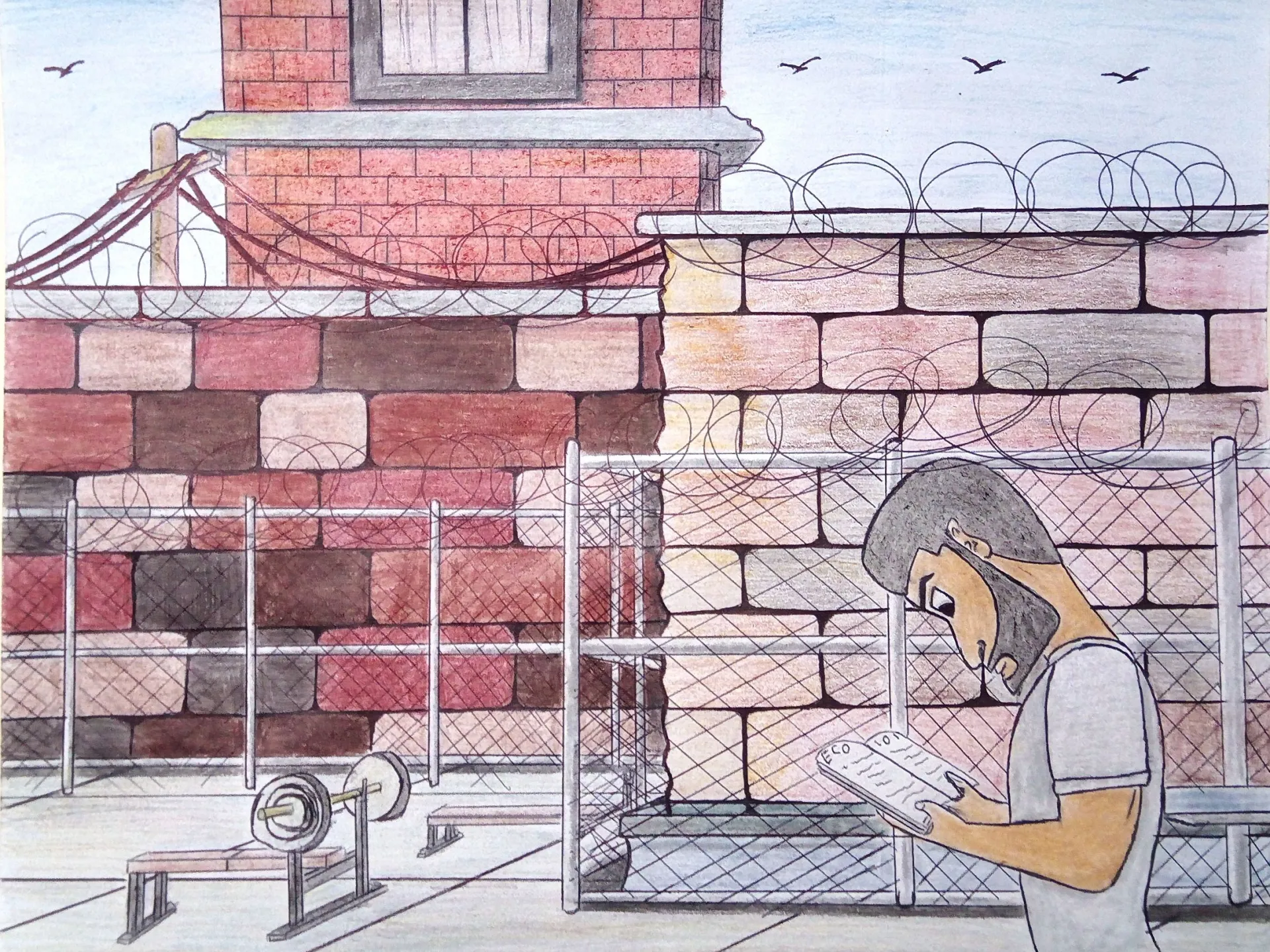
The article highlights the importance of education in prisons as a means of rehabilitation and personal growth, showcasing stories of inmates pursuing higher education despite systemic barriers, and emphasizing that true freedom begins in the mind through learning and self-improvement.
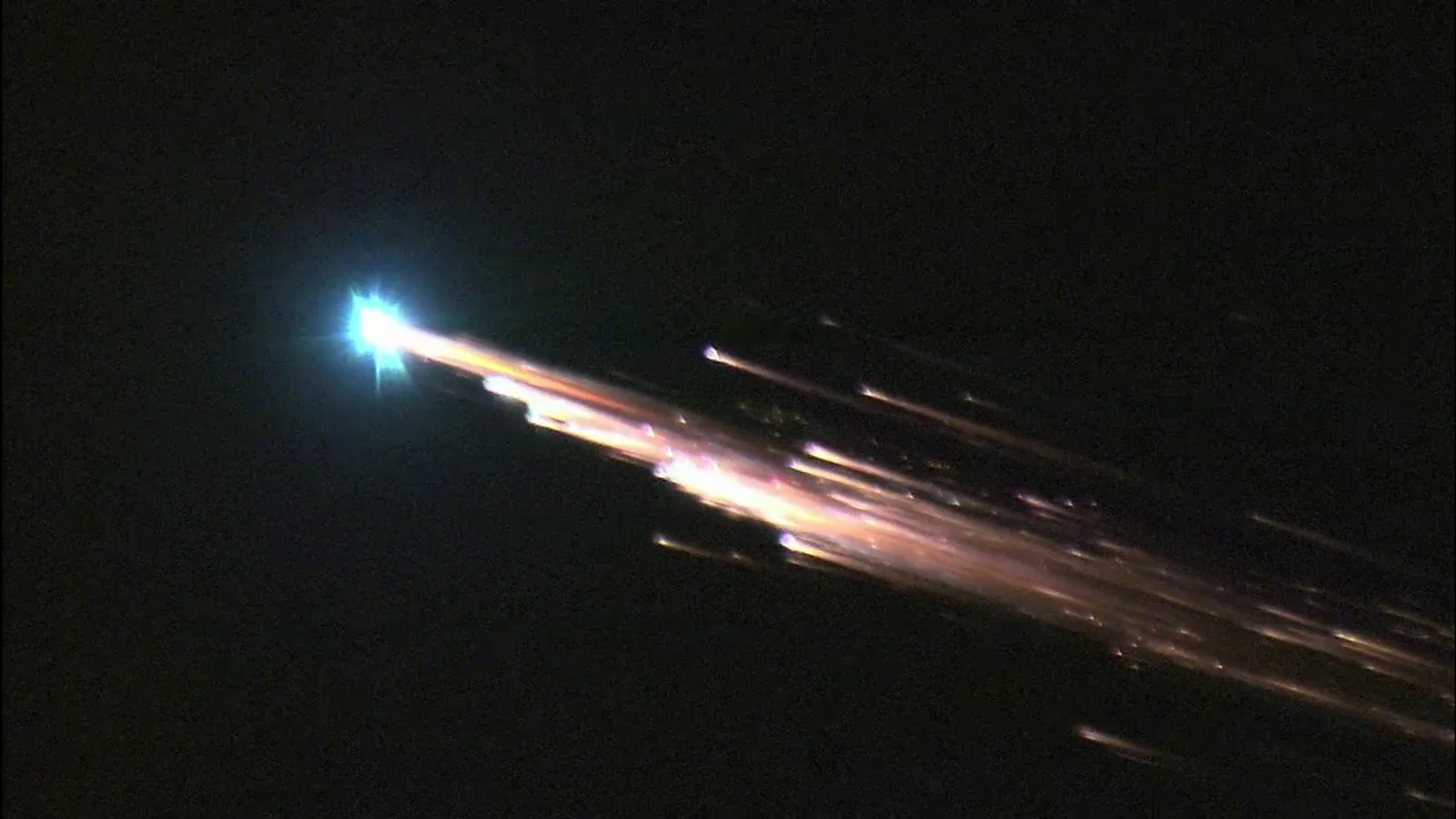
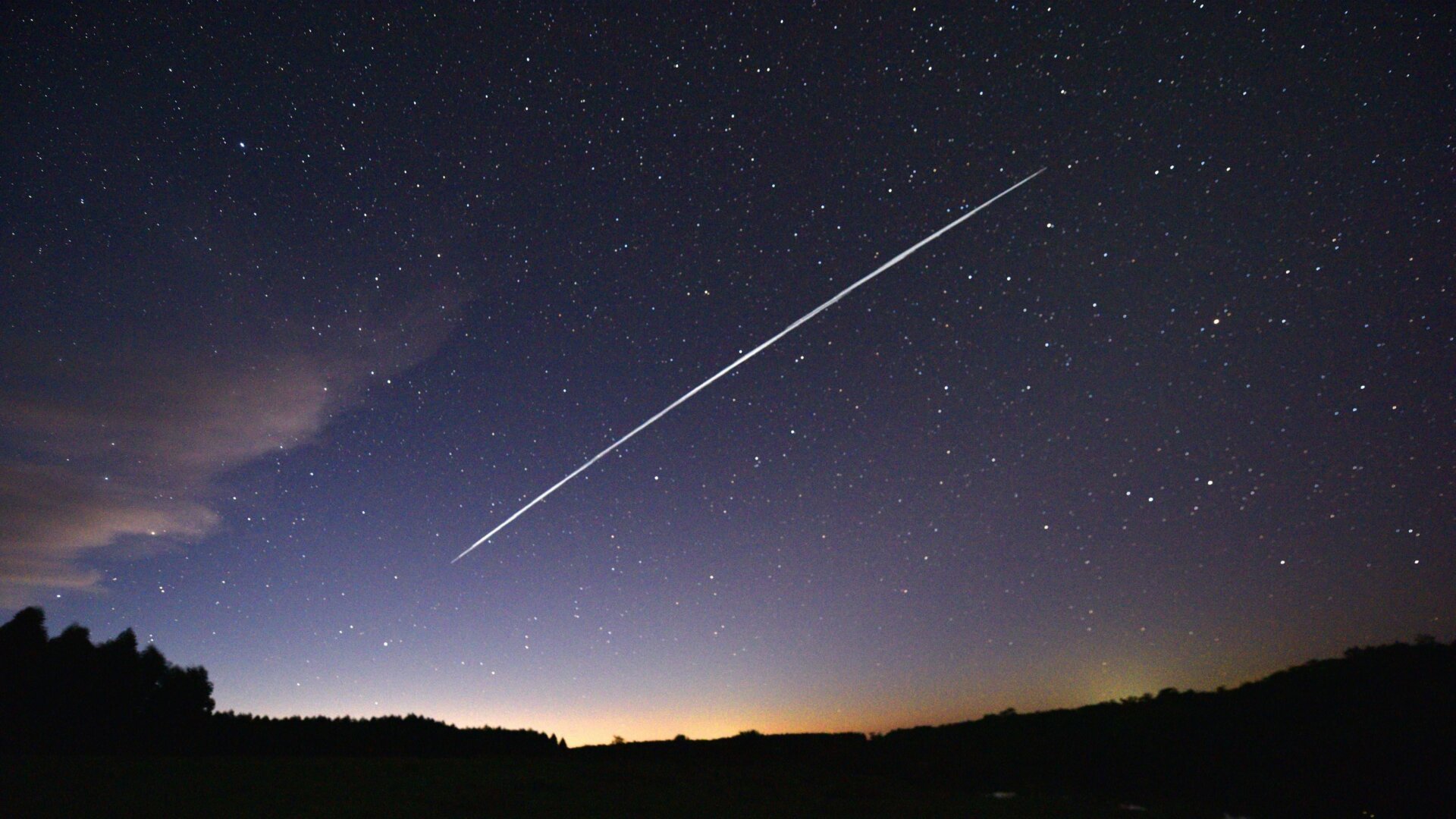
The article discusses the increasing reentry of Starlink and other Low Earth Orbit satellites, with about one to two falling back to Earth daily, a number expected to rise as satellite constellations grow, raising concerns about space debris and safety.
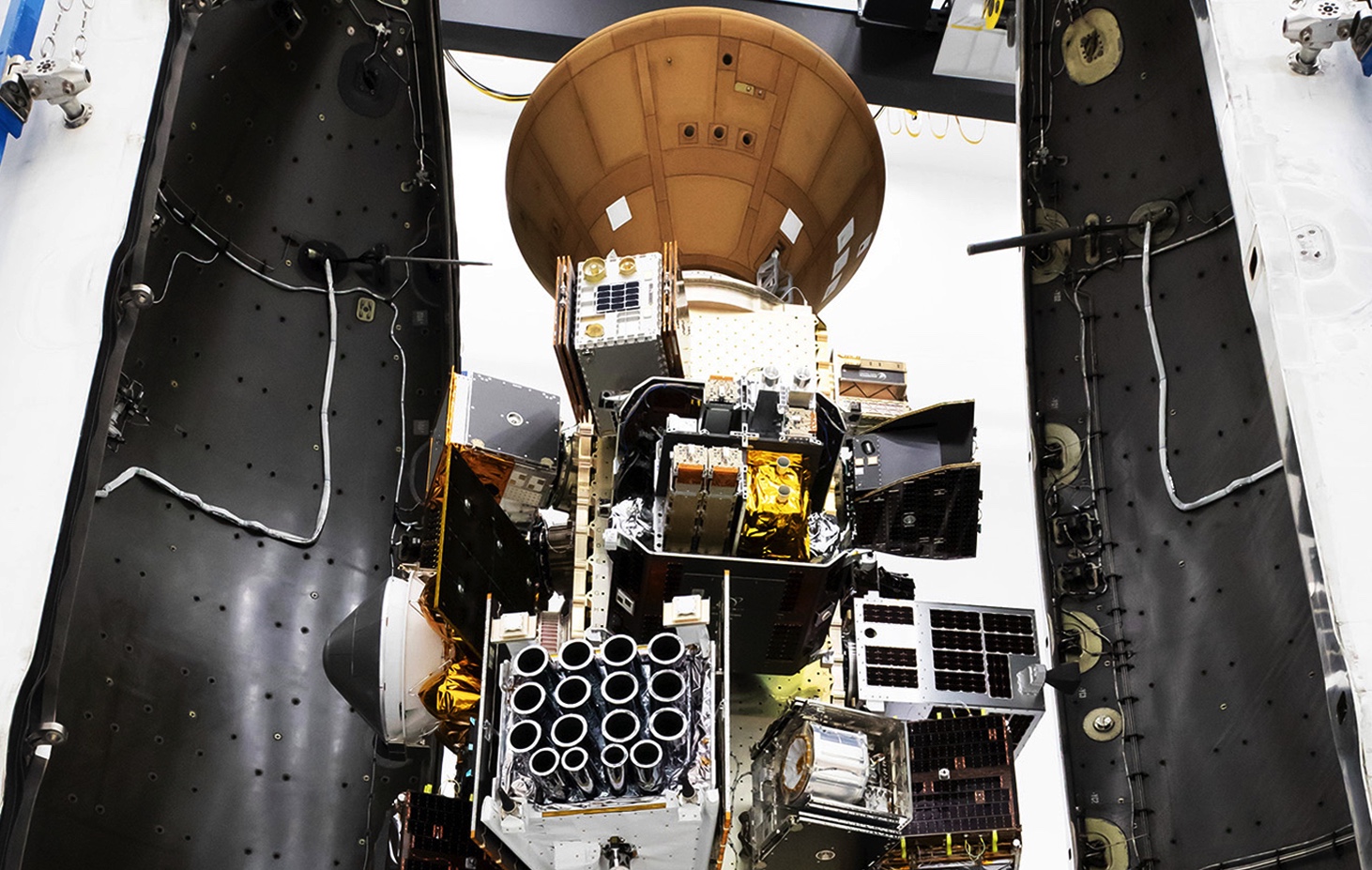
The Exploration Company is investigating the loss of contact with its Mission Possible reentry capsule during a June test flight, focusing on why the parachutes failed to deploy, with the investigation ongoing. The company emphasizes that earlier mission phases were successful and plans to proceed with its Nyx cargo vehicle, including a demonstration mission to the ISS in 2028, despite the incident.
SpaceX's Starship program has completed 10 flight tests, experiencing successes like controlled landings and reentries, as well as failures such as explosions and fires. The program has made significant improvements over time, culminating in a successful catch and reuse of a booster in Flight 5, and is now transitioning to the next phase with Block 3 vehicles aimed at operational missions and Starlink launches.
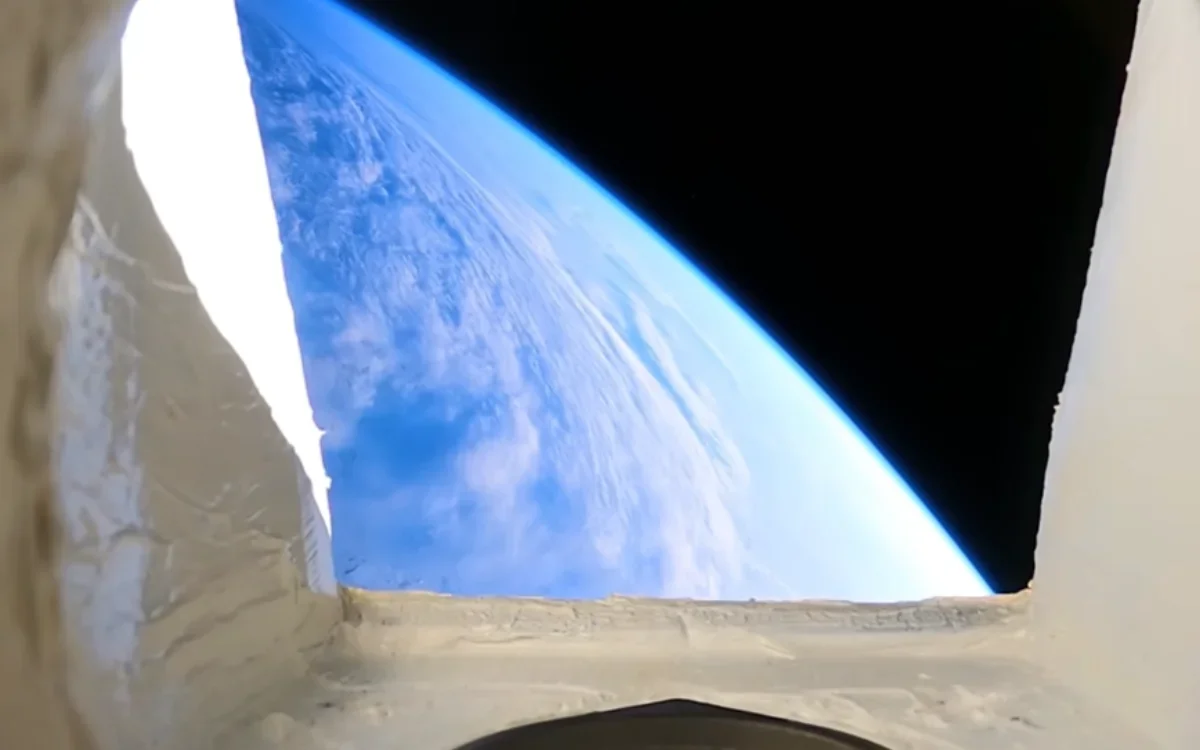
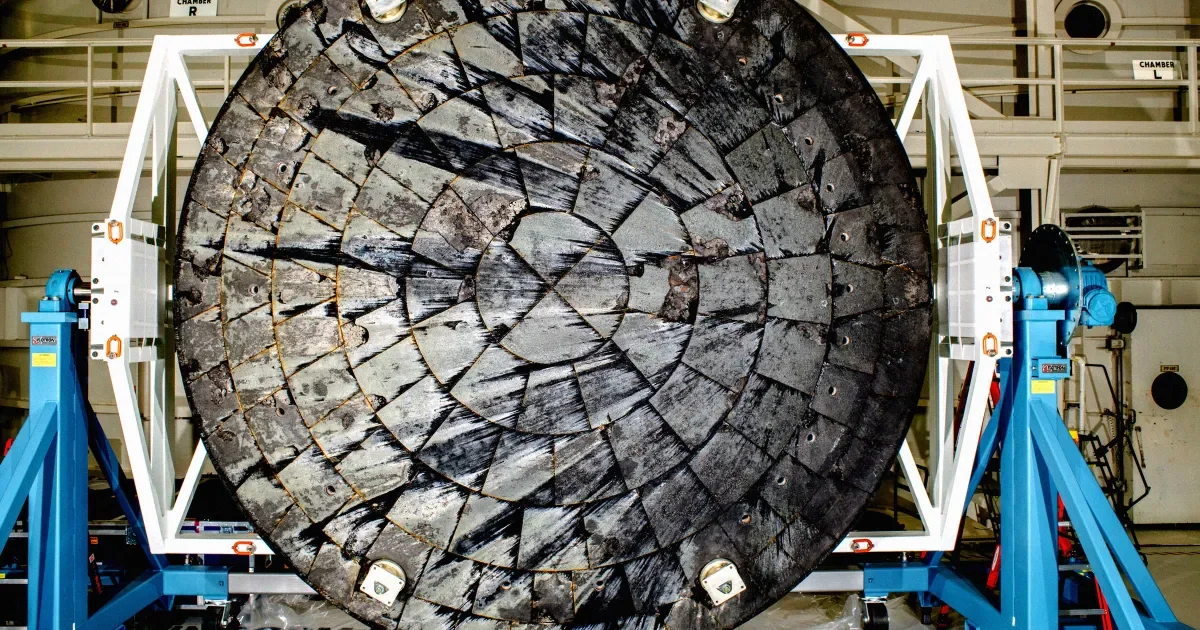
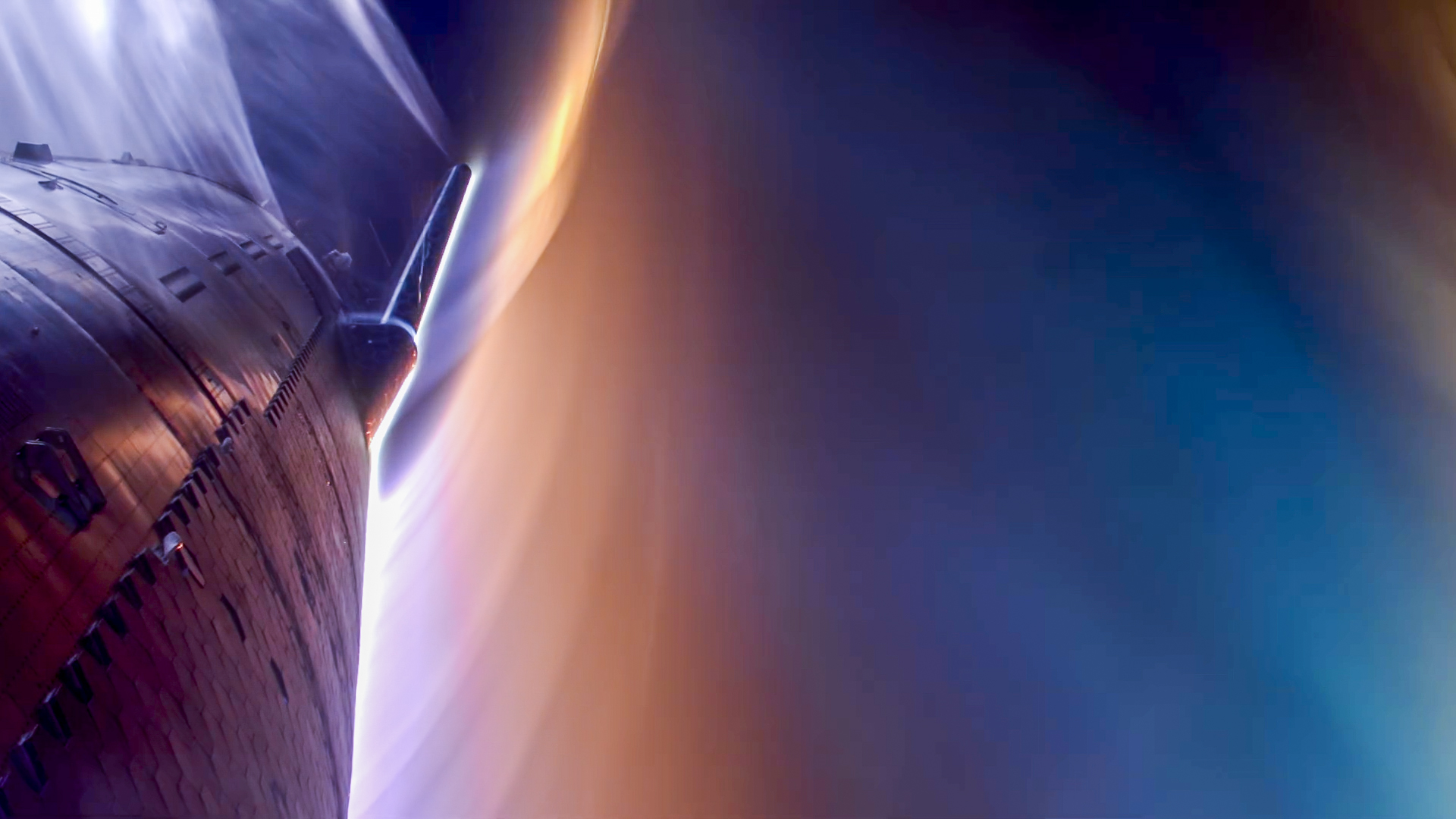
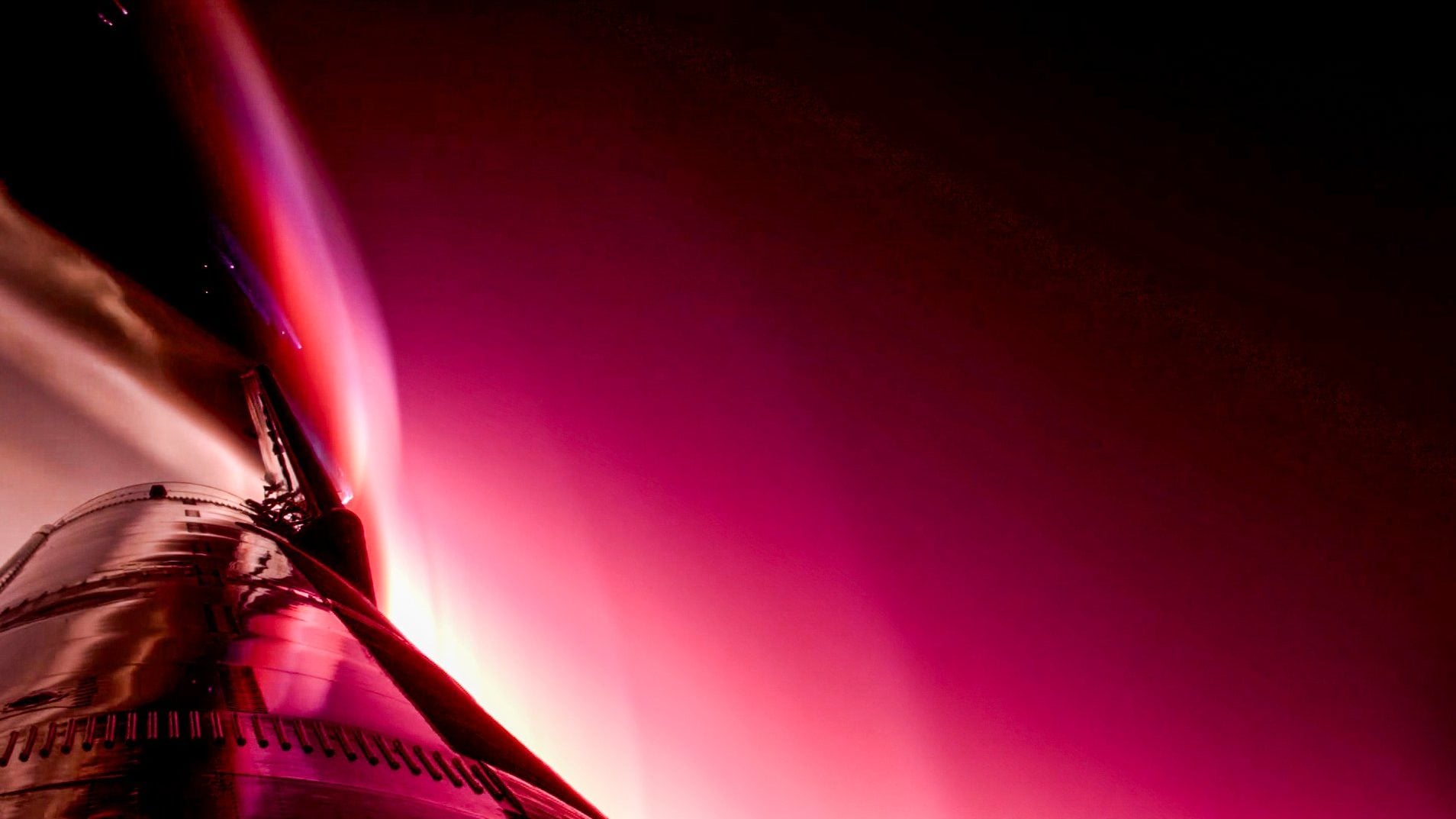
SpaceX shared new images of its Starship Flight 10 test, including views from inside the ship and during reentry, highlighting progress and anomalies such as heat shield oxidation and flap damage, with ongoing updates expected to clarify these issues.
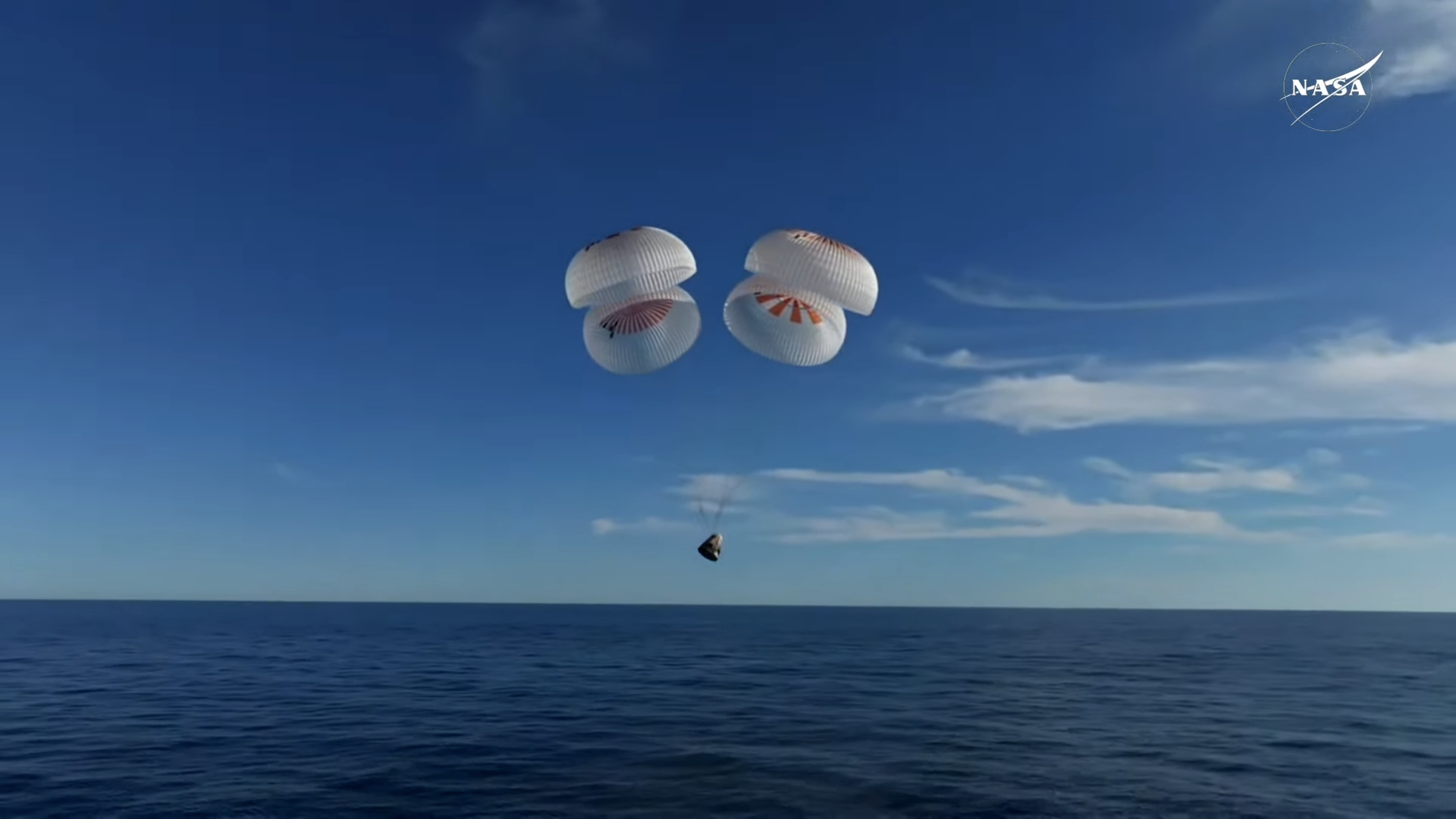
SpaceX's Crew-10 astronauts are returning to Earth after nearly five months aboard the ISS, with their capsule scheduled to splash down in the Pacific Ocean off California, marking the first West Coast reentry for a SpaceX Crew Dragon mission. The crew conducted scientific research during their stay, and the return is being watched live.
Researchers from the University of Tokyo propose using origami-inspired paper planes as a sustainable, low-cost solution for short-term missions and space debris mitigation in low Earth orbit, demonstrating their potential to burn up upon reentry and reduce environmental impact.
A study explores what happens if a paper airplane is thrown from the International Space Station, using simulations and wind tunnel tests to analyze its flight and reentry behavior, concluding it would likely burn up upon atmospheric entry due to aerodynamic forces and heat.
A space capsule carrying ashes of 160 people and cannabis seeds crashed into the Pacific Ocean after re-entry failure, dispersing its contents at sea. The capsule was part of a memorial spaceflight and also included cannabis plant matter for scientific study, but was lost after an anomaly during re-entry.
A European company's test flight of its 'Mission Possible' spacecraft was partially successful, with the vehicle reaching orbit and reentering Earth's atmosphere, but contact was lost before landing, likely due to parachute deployment issues. The company acknowledged the partial failure and is investigating the cause.
NASA's Parker Solar Probe set the record for fastest human-made object at 692,000 km/h near the Sun, while the fastest human spaceflight was during Apollo 10's reentry in 1969, reaching 39,937.7 km/h. The Apollo 10 crew's reentry remains the fastest human spaceflight speed ever recorded.
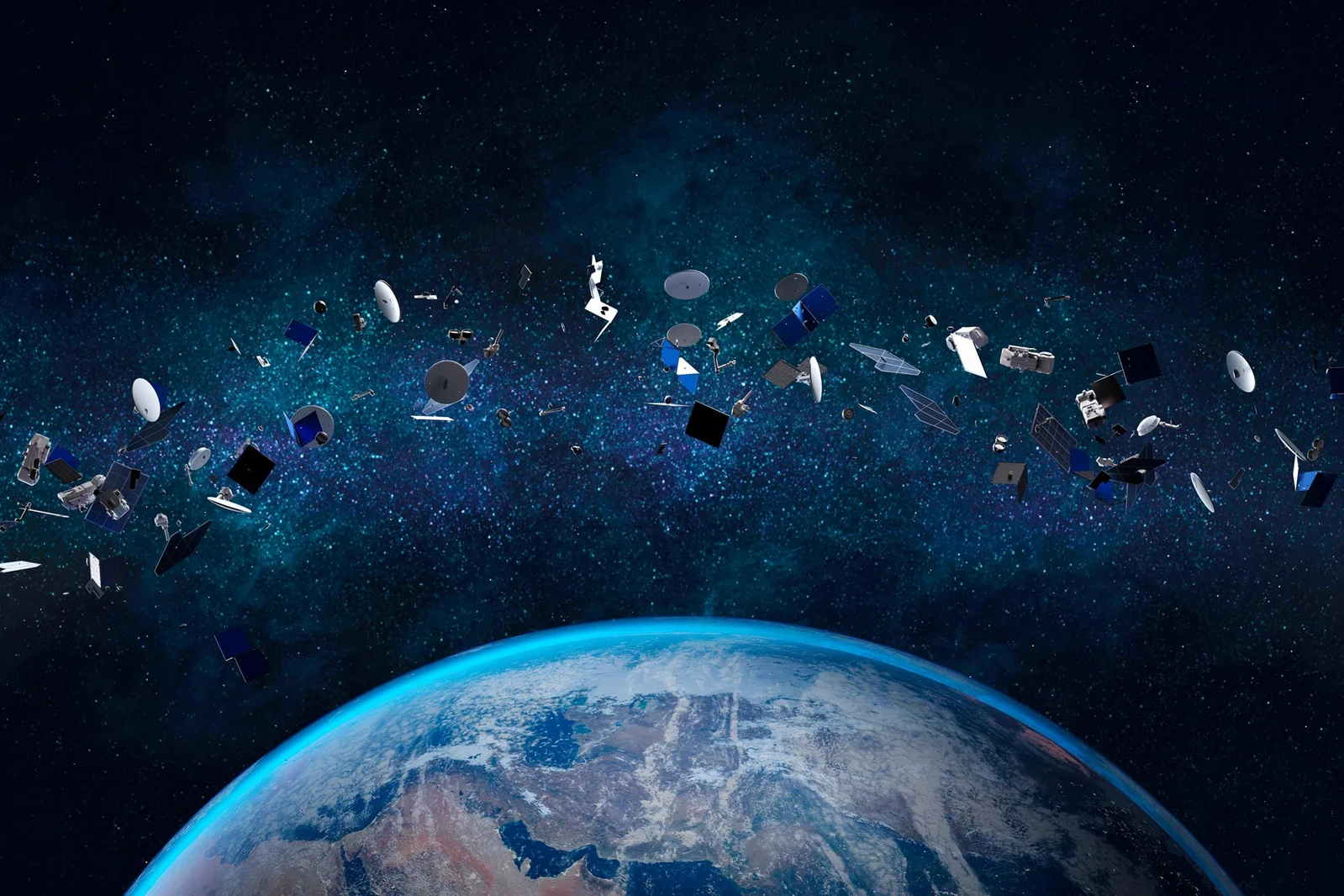
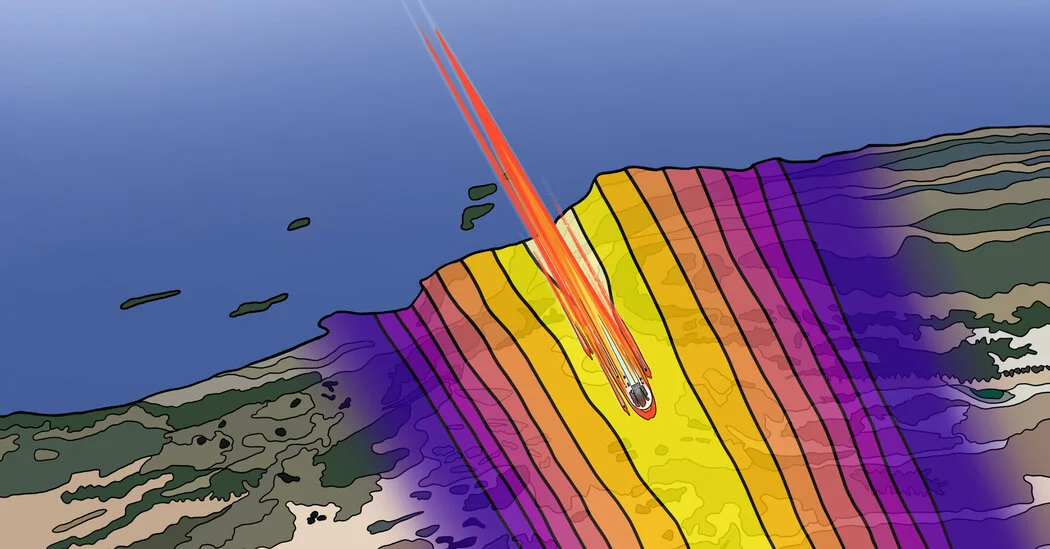
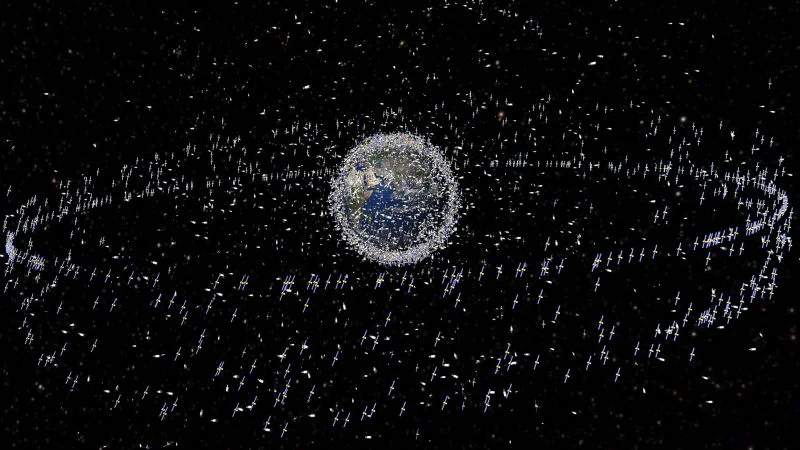
The increasing number of satellites, especially Starlink's planned 42,000, raises concerns about space debris, environmental pollution from satellite reentry, and the risks of falling debris causing damage or casualties, highlighting the urgent need for better regulation and sustainable practices in space operations.
A bright light observed in the Bay Area was actually a SpaceX Dragon spacecraft returning from the International Space Station, splashing down off the California coast after delivering supplies, marking the 32nd resupply mission for NASA and SpaceX.
The FAA has approved a commercial launch license for SpaceX's fourth Starship test flight, scheduled for Thursday morning. This mission aims to demonstrate Starship's ability to survive reentry and guide the Super Heavy booster to a soft splashdown. The FAA has also adjusted its regulations to expedite future launches, allowing certain failure scenarios without triggering lengthy investigations.