Five Democratic-led states sued the Trump administration for withholding billions in social safety net funds, claiming it overstepped its authority and violated constitutional rights by freezing approved federal aid programs aimed at helping low-income families, amid allegations of fraud and political targeting.
Mark Cuban suggests that the Trump administration may have indirectly implemented a form of universal basic income through tax-advantaged health savings account (HSA) contributions, which provide eligible individuals with roughly $200 per month in accessible funds, sparking debate about whether this constitutes a hidden UBI. Critics argue the structure benefits the more comfortable and has limitations, while Cuban sees it as a soft safety net for lower-income Americans.
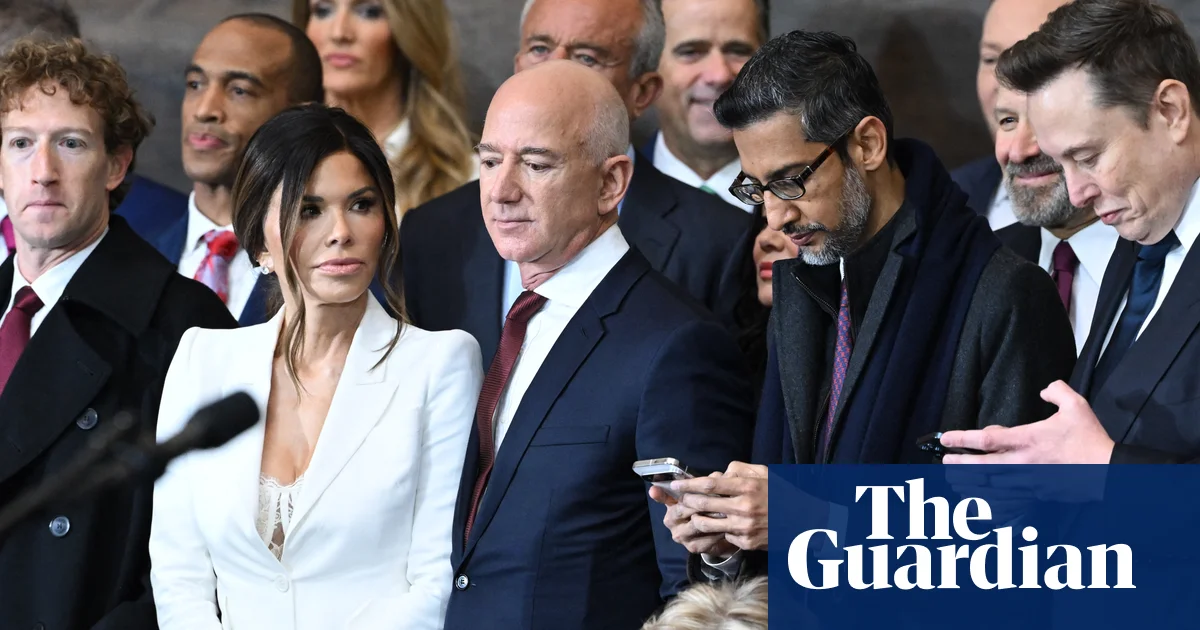
The collective wealth of the top 10 US billionaires increased by $698 billion in the past year, highlighting the growing wealth gap in the US, which is exacerbated by policies that favor the wealthy and dismantle social safety nets. The report from Oxfam America calls for reforms in tax policy, campaign finance, and labor protections to address inequality, emphasizing that such disparities are a result of policy choices supported by both political parties.
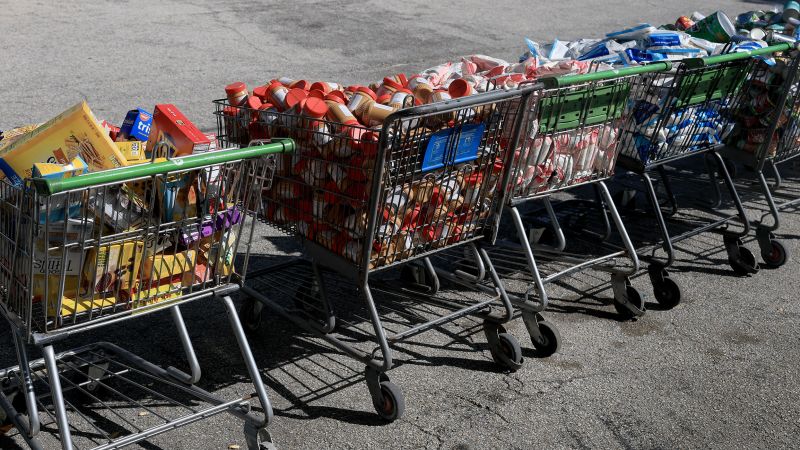
The ongoing US government shutdown is causing nearly 42 million Americans, especially low-income families, to lose access to critical federal aid programs like SNAP, Head Start, and energy assistance, leading to increased hardship, food insecurity, and potential job losses among vulnerable populations.
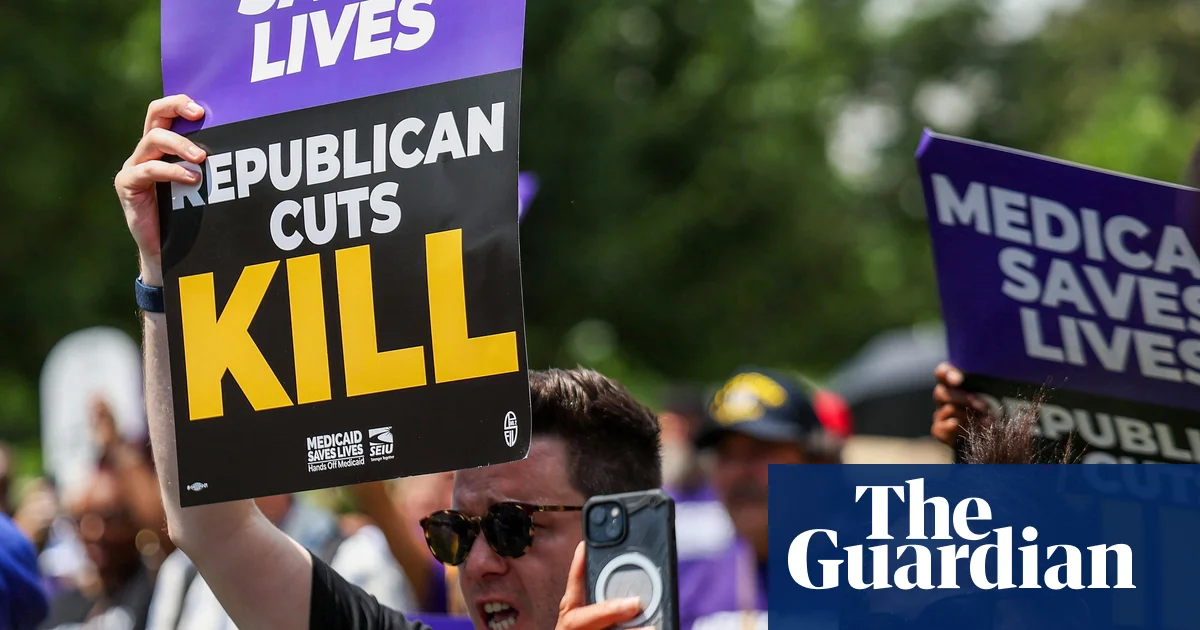
Republicans' recent vote to cut over $1 trillion from healthcare programs, including Medicaid, is expected to hurt their prospects in the upcoming midterm elections by alienating voters and energizing Democrats, who are already campaigning against the cuts as a major issue.
The article criticizes Donald Trump's support for a Republican budget bill that significantly cuts social programs like Medicaid, Obamacare, and food assistance, primarily harming low- and middle-income Americans while providing substantial tax cuts to the wealthy, contradicting his promises to support working-class citizens.
The proposed $4 trillion 'big, beautiful bill' aims to cut social safety net programs like food stamps and Medicaid, potentially causing significant hardship for low-income Americans, while providing tax cuts to the wealthy. Critics warn these cuts could lead to increased healthcare issues, hunger, and financial strain for the most vulnerable, whereas proponents argue they are necessary for reducing waste and promoting economic growth.
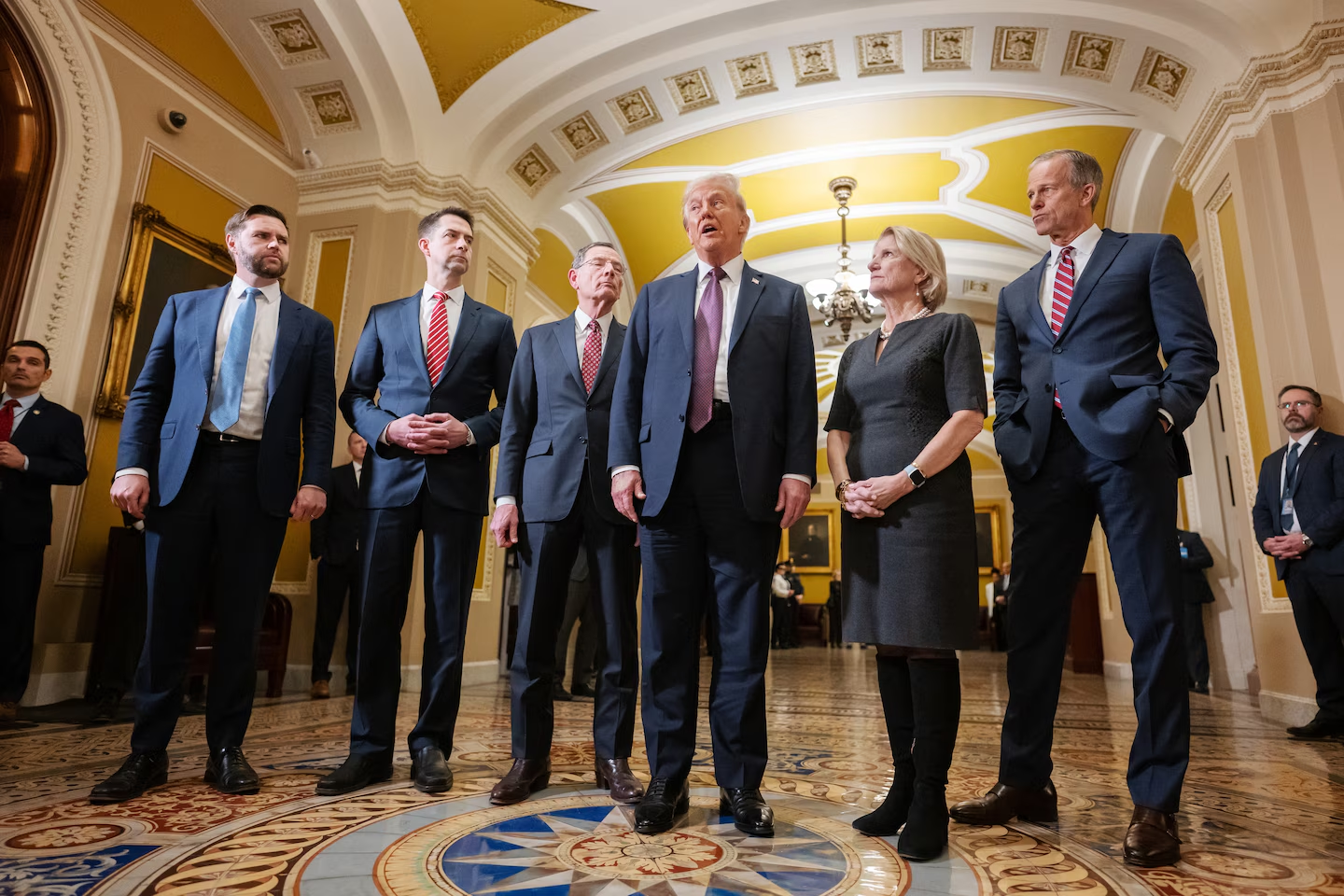
The proposed bill by President Trump and Senate Republicans includes significant tax breaks, increased border security spending, cuts to social safety net programs, reduced investments in climate change initiatives, and new limits on student loans, aiming to reshape federal policies and reverse some of Biden's legislative achievements.
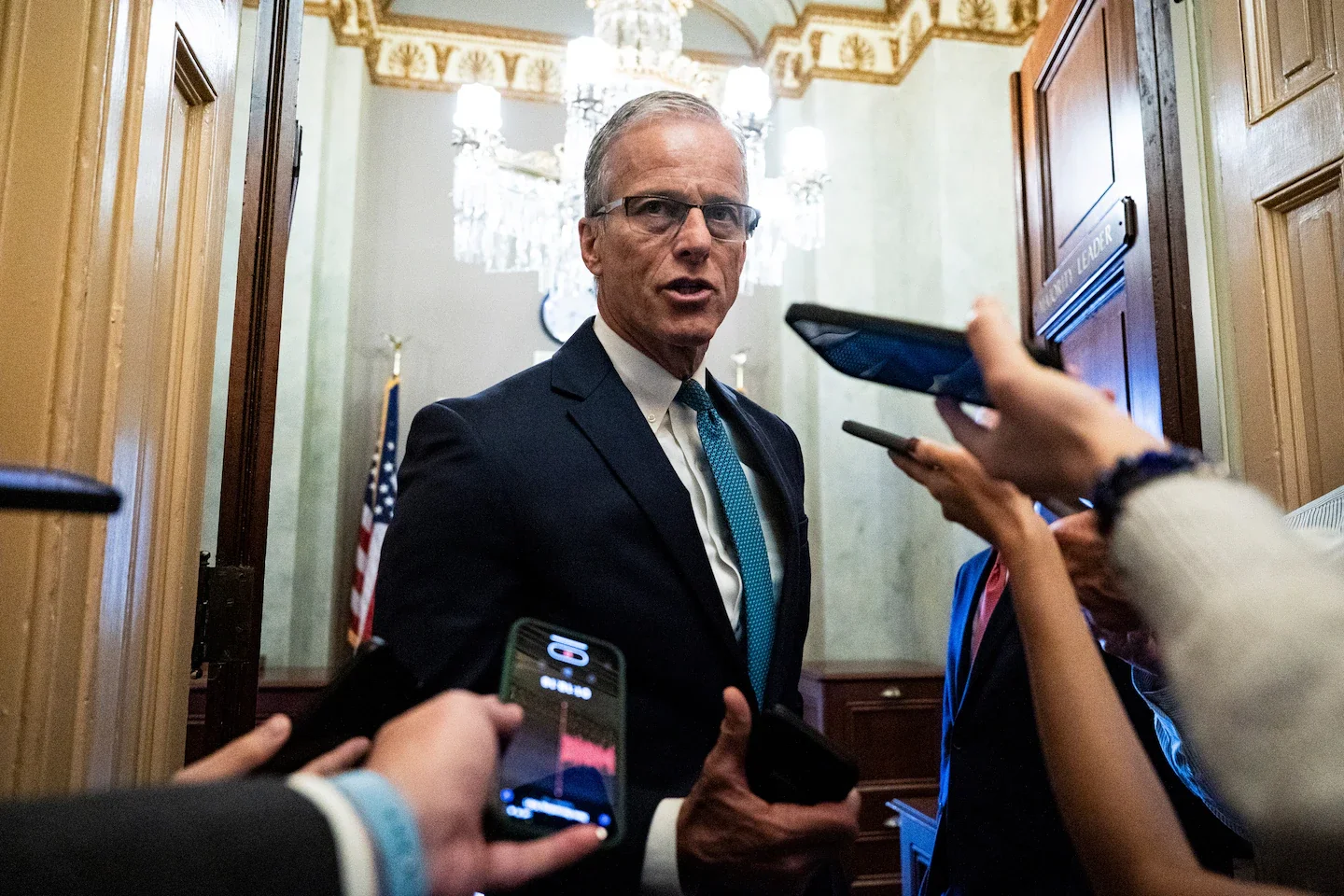
Senate Republicans, including Ron Johnson, Thom Tillis, and Rand Paul, opposed President Trump's tax and immigration legislation, blocking efforts to debate the bill due to concerns over social safety net cuts and national debt.
The proposed 'Big Beautiful Bill' by Republicans aims to extend tax cuts but would significantly cut funding for social programs like Medicaid, SNAP, and child tax credits, disproportionately affecting low-income children and families, potentially leading to reduced access to healthcare, food assistance, and financial support, with experts warning about long-term negative impacts on children's well-being and future earnings.
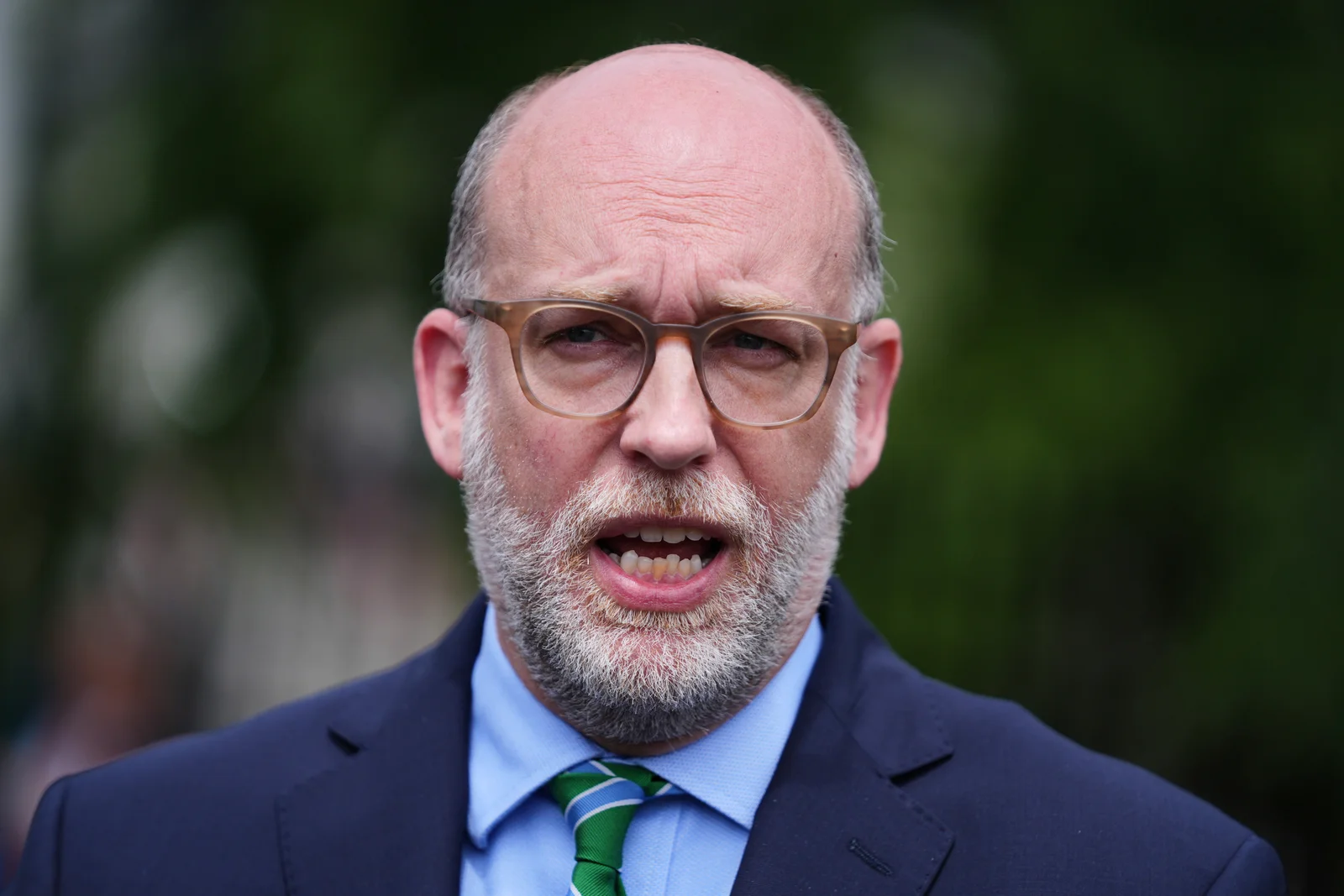
Office of Management and Budget Director Russ Vought defends the administration's megabill, claiming it preserves social safety net programs and reduces the deficit by $1.4 trillion, despite concerns from senators and critics about potential Medicaid cuts and increased debt.
The Trump administration and House Republicans are implementing measures to restrict federal benefits for undocumented immigrants, including cutting food stamps, limiting access to Medicaid and Medicare, and increasing immigration verification, which could negatively impact U.S. citizens who rely on these programs.
Across the U.S., various places are conducting no-strings-attached cash aid pilots as part of the social safety net, with over 150 basic income programs in progress. Advocates argue that this approach helps people manage rising costs and invest in their families, while opponents express concerns about potential impacts on work. The pandemic has spurred interest in cash aid, but as emergency funding runs out, the future of these programs remains uncertain. Nonetheless, early results show that the extra income not only improves financial stability but also enhances psychological well-being for recipients.
New York State officials have issued new guidelines urging hospitals to improve communication with care teams and outside organizations when caring for severely mentally ill patients. The move comes after an investigation revealed preventable breakdowns in homeless shelters, hospitals, and specialized treatment teams, leading to acts of violence by untreated homeless individuals. The state comptroller described the situation as a "wake-up call" and emphasized the dire consequences of failing to provide mental health services to those in need.
A New York Times investigation reveals that New York City has repeatedly failed to provide adequate support and care for mentally ill homeless individuals, leading to violent incidents. The city's social safety net, including homeless shelters, hospitals, and specialized treatment teams, has been plagued by systemic failures, lack of information sharing, and underfunding. The investigation identified 94 instances in the past decade where breakdowns in the system preceded acts of violence. The failures include the failure to place mentally ill individuals in appropriate shelters, improper discharges from hospitals, and insufficient funding for treatment programs. The intertwined problems of homelessness and mental illness continue to challenge the city, with each administration attempting its own fixes but failing to address the root causes.