Several families across West Michigan welcomed their first babies of 2026 at different hospitals, celebrating new beginnings with healthy newborns and joyful families.
Hospitals across Northeast Wisconsin welcomed their first babies of 2026, with newborns born at various times and locations including ThedaCare, HSHS St. Vincent, Aurora Medical Center, and others, marking the start of the new year with joyful arrivals.
Several hospitals in Michigan welcomed their first babies of 2026, including Bentley Winston Adsit at Corewell Health’s Butterworth Hospital, Hailey Joe at Holland Hospital, Timothy Carter Kilmartin at Bronson Birthplace in Kalamazoo, and Shepherd Isaac Anderson at University of Michigan Health-West, with all families and babies doing well.
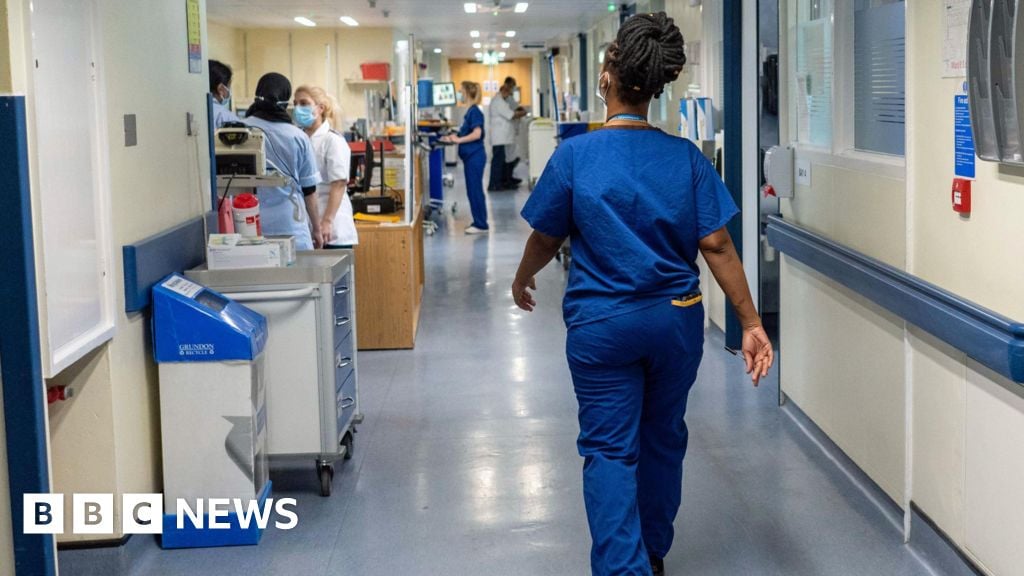
Hospitals across the UK are experiencing a record high number of flu cases this winter, prompting the NHS in England to be on high alert, with data collected at various levels across the UK to monitor the situation.
Two major hospital chains, Steward Health Care and Prospect, have declared bankruptcy due to financial struggles, highlighting the human toll on low-income communities and raising concerns about private equity's impact on hospital care quality.
The IDF and Shin Bet revealed the discovery of an underground weapons workshop and tunnel shaft adjacent to a Jordanian hospital in Gaza City, highlighting Hamas's use of hospitals for military purposes without Jordanian involvement, and uncovering additional tunnels beneath Gaza hospitals.
The article discusses the potential consequences of recent Medicaid cuts, highlighting how reduced coverage could increase financial strain on hospitals, clinics, and patients, ultimately leading to higher uncompensated care costs, medical debt, and negative health and economic outcomes for society.
Researchers warn of the rapid spread of antibiotic-resistant bacteria, particularly among vulnerable children in Niger, with potential to reach the UK, emphasizing the need for global investment in antimicrobial stewardship and hygiene infrastructure.
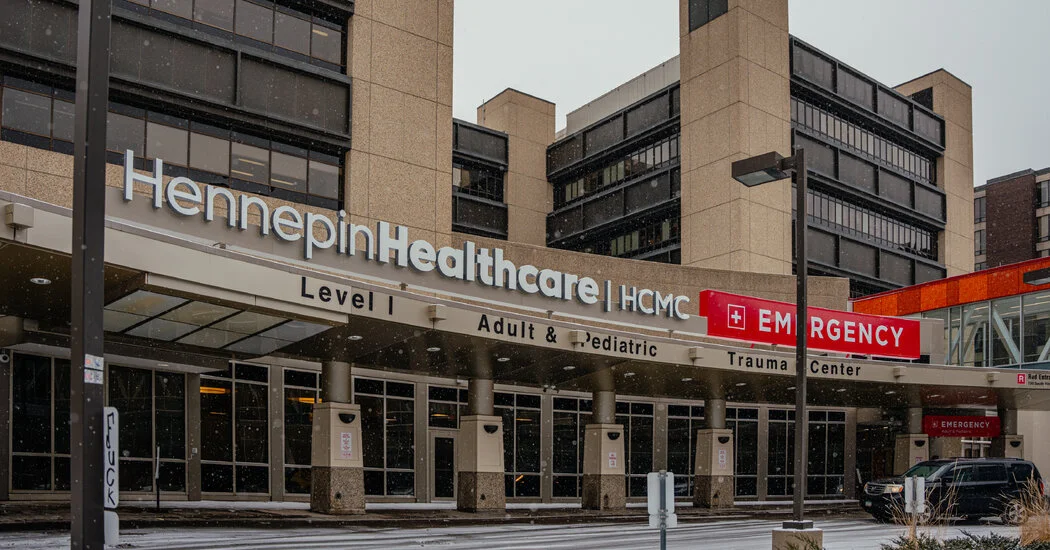
The 2025 U.S. News report ranks Minnesota's top hospitals, with Mayo Clinic in Rochester leading nationally and M Health Fairview University of Minnesota Medical Center in Minneapolis as the top regional hospital in the Twin Cities, highlighting the state's strong healthcare institutions.
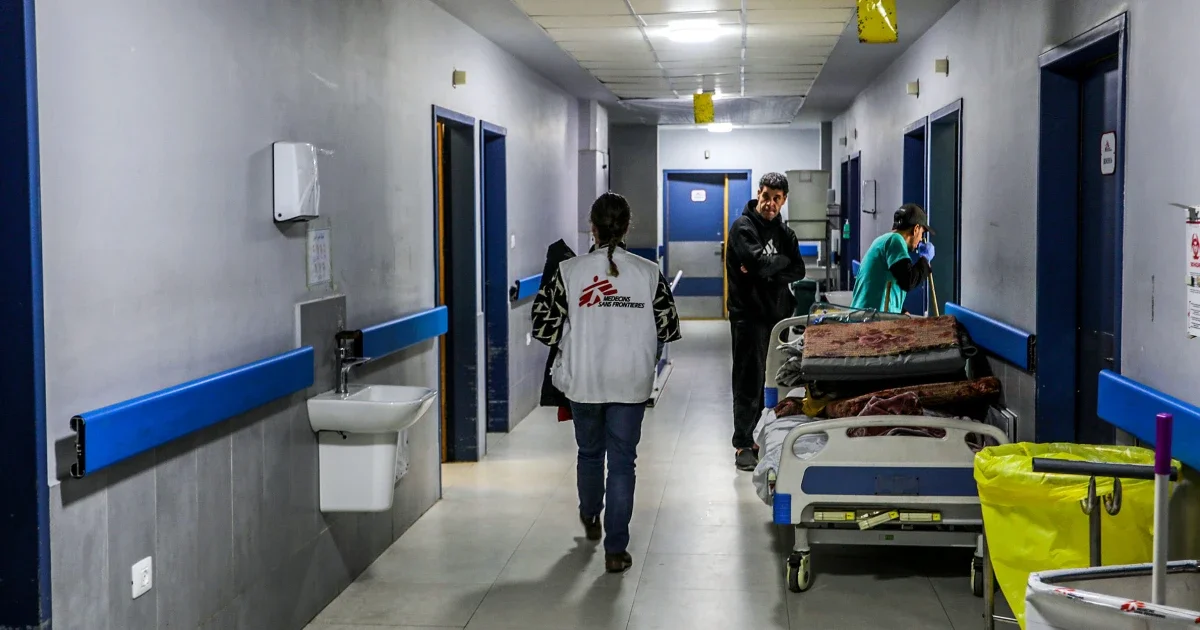
Gaza hospitals are facing a humanitarian crisis with widespread starvation, medical staff fainting from hunger, and shortages of essential supplies, as Israeli aid restrictions and a blockade have severely limited access to food and medical resources, leading to increased malnutrition and deaths among children and adults.
Hospitals, especially rural ones, face significant financial challenges due to Medicaid cuts in the recent legislation, with a $50 billion relief fund unlikely to fully offset losses. While some relief is provided, hospital advocates warn that further support and policy adjustments may be necessary to sustain hospital operations, particularly for those serving large Medicaid populations.
Fuel shortages in Gaza, caused by a blockade, threaten to shut down humanitarian efforts and hospital services, with UN officials warning of an imminent crisis after four months of no fuel entry.
Doctors in Gaza are forced to cram multiple babies into one incubator due to critical fuel shortages that are shutting down hospitals and vital services, exacerbating an ongoing humanitarian crisis worsened by a blockade and limited aid, with urgent calls for the entry of fuel and humanitarian aid to prevent further loss of life.
A study by Oregon State University reveals that home births and birth centers are as safe as hospitals for low-risk pregnancies, challenging traditional views on childbirth safety. The research analyzed over 110,000 planned community births in the U.S. from 2012 to 2019, finding no difference in safety outcomes between home and birth center deliveries. The study highlights the importance of collaboration between midwives and hospitals to ensure emergency preparedness and suggests a shift in perception towards more inclusive childbirth options.
A nationwide shortage of intravenous (IV) fluids, exacerbated by Hurricane Helene's impact on Baxter International's North Carolina facility, is forcing hospitals to adopt new conservation strategies. With production halted and rationing in place, hospitals are reducing IV fluid usage by 55% and exploring alternatives like push medications. Health officials are also re-evaluating patient hydration needs to manage the crisis, which may persist through 2024. The shortage highlights the need for innovative approaches to patient care and resource management.