The article outlines key changes to the 2025 tax laws, including increased standard deductions, new deductions for seniors, higher SALT deductions, and modifications to credits like the child tax credit, along with new provisions affecting vehicle and crypto reporting, all of which may impact taxpayers' filings and refunds.

The new tax law signed by President Trump offers some benefits to the upper-middle class, such as increased standard deductions and extended QBI deductions, but also maintains limitations like the SALT deduction cap and reduced mortgage interest deductions, which may result in higher taxes for some in this income bracket.
The 'Big Beautiful Bill' proposed by President Trump includes significant tax reforms, such as permanent extension of 2017 tax cuts, elimination of taxes on tips and overtime wages, and increased child tax credits. It also proposes repealing student loan forgiveness plans, introducing 'Trump accounts' for children, and imposing work requirements on Medicaid and SNAP recipients, potentially affecting millions of Americans' finances and access to benefits.
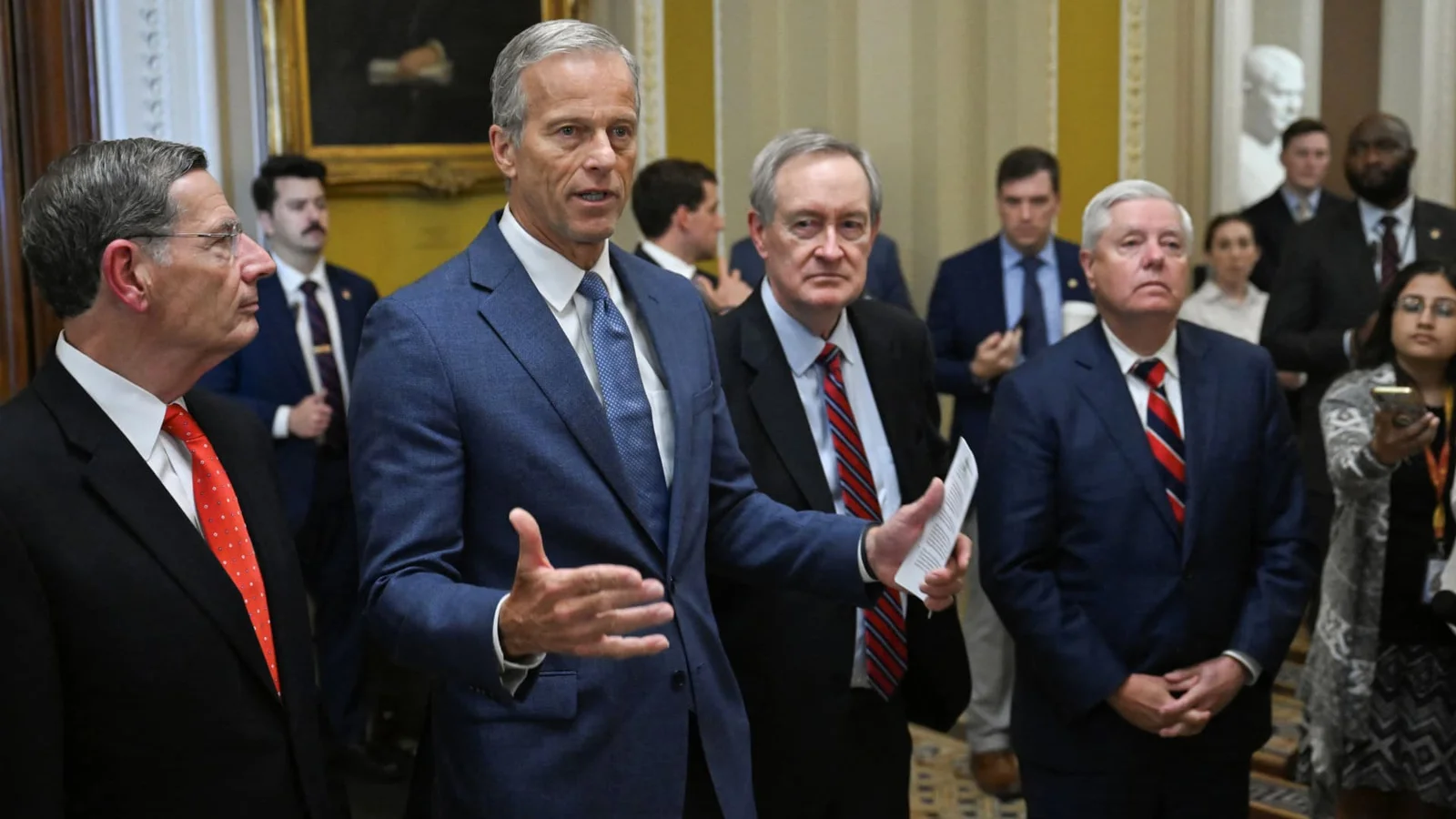
The Senate Republican tax and spending bill proposes significant changes including raising the SALT deduction cap to benefit upper-middle-income earners, increasing the child tax credit, implementing Medicaid funding cuts with stricter work requirements, and ending certain clean energy tax credits, while also introducing new savings accounts for children and limits on student loans, which could impact various income groups and social programs.
The proposed 'Big Beautiful Bill' by Republicans aims to extend tax cuts but would significantly cut funding for social programs like Medicaid, SNAP, and child tax credits, disproportionately affecting low-income children and families, potentially leading to reduced access to healthcare, food assistance, and financial support, with experts warning about long-term negative impacts on children's well-being and future earnings.
The Illinois Senate approved a $53.1 billion budget for Fiscal Year 2025, which includes tax increases, elimination of the grocery tax, a new child tax credit, and funding for migrant and healthcare programs. Critics argue it prioritizes noncitizens and increases spending, while supporters highlight relief measures and investments in education and technology. The House will vote on the budget next.
A Federal Reserve survey reveals a significant decline in financial well-being among parents with young children, dropping from 69% in 2022 to 64% in 2023, the lowest since 2015. The expiration of the expanded child tax credit and reduced support for child care centers are major factors, leading to increased financial strain, food hardship, and poverty. Inflation remains a top concern, with 35% of respondents citing it as a major issue. Despite President Biden's efforts to address inflation, more voters trust Donald Trump to handle the issue.
Parents across the U.S. are feeling the strain of rising costs, with inflation shaping their views on the upcoming election. The pandemic's expanded child tax credit provided significant relief, but its expiration amid ongoing inflation has left families struggling. Efforts to temporarily expand the credit have stalled in Congress, prompting concerns about the political costs of ignoring families' financial needs, especially during an election year.
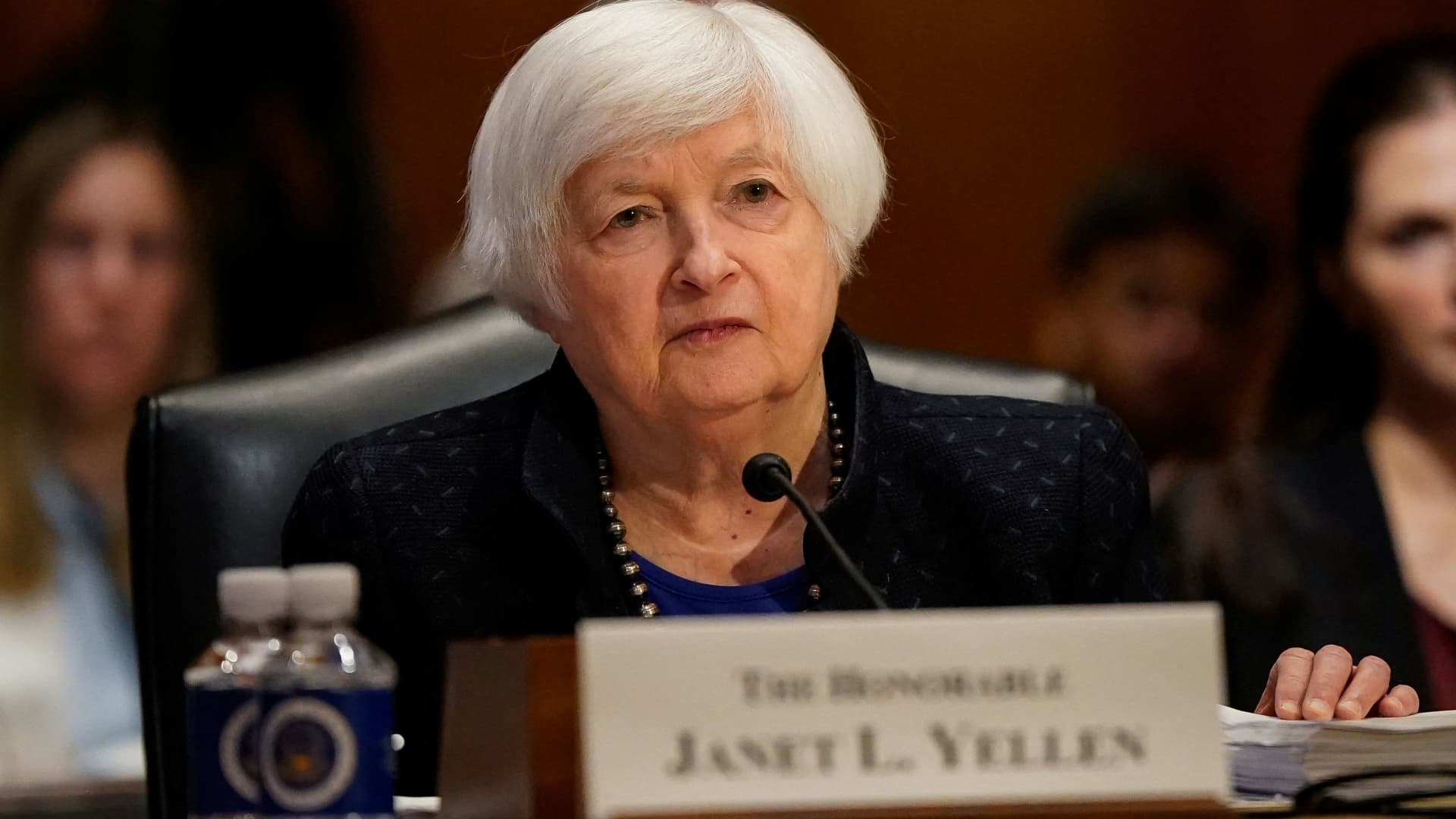
Treasury Secretary Janet Yellen defended President Biden's 2025 fiscal budget proposal during a Senate Finance Committee hearing, assuring Republican senators that taxes would not rise for those earning less than $400,000. The debate centered around the expiration of provisions from the Tax Cuts and Jobs Act, including the child tax credit, with Yellen emphasizing Biden's commitment to not raising taxes on households making under $400,000 and the importance of the Child Tax Credit in reducing child poverty. Biden's $7.3 trillion spending proposal aims to reduce the federal deficit by $3 trillion without increasing taxes on Americans earning less than $400,000, while House Republicans seek to pare down the deficit with cuts to the Inflation Reduction Act.
A bipartisan tax bill aimed at expanding the child tax credit and reinstating business tax breaks has hit a roadblock in the Senate after receiving broad approval in the House. Senate Republicans have raised concerns about the bill's generosity towards low-income families and its funding mechanism, stalling its progress as the filing deadline approaches. The $78 billion package, negotiated by top congressional tax writers, faces challenges in an election year, with Democrats hoping for a legislative win while Republicans may prefer to avoid it.
The Tax Relief for American Families and Workers Act of 2024, currently with the Senate, proposes to expand the child tax credit over the next three years, potentially benefiting 16 million children in low-income families in the first year. The bill aims to increase the maximum refundable amount per child to $1,800 in 2023, $1,900 in 2024, and $2,000 in 2025, with eligibility criteria similar to the existing child tax credit. Unlike the 2021 credit, the proposed rules would require claiming the credit when filing tax returns. While the House has passed the bill, Senate approval remains uncertain.
The House has passed a bill to increase the Child Tax Credit, potentially providing more financial relief to parents in Rochester. If the Senate approves the bill, the credit would increase to $1900 in 2024 and $2000 in 2025, offering support to working families struggling with the costs of childcare and other expenses. Local parents are hopeful for the bill's passage, recognizing the financial strain of raising children and the potential benefits of the increased credit.
Taxpayers claiming the child tax credit or earned income tax credit may experience delays in receiving their refunds, with most additional child tax credit-related refunds expected to be available in bank accounts or on debit cards by Feb. 27 if taxpayers choose direct deposit and there are no other issues with their tax return. The IRS cannot issue refunds involving the additional child tax credit before mid-February due to the need to prevent fraudulent refunds, and taxpayers can check their personalized refund date using the Where's My Refund? tool.
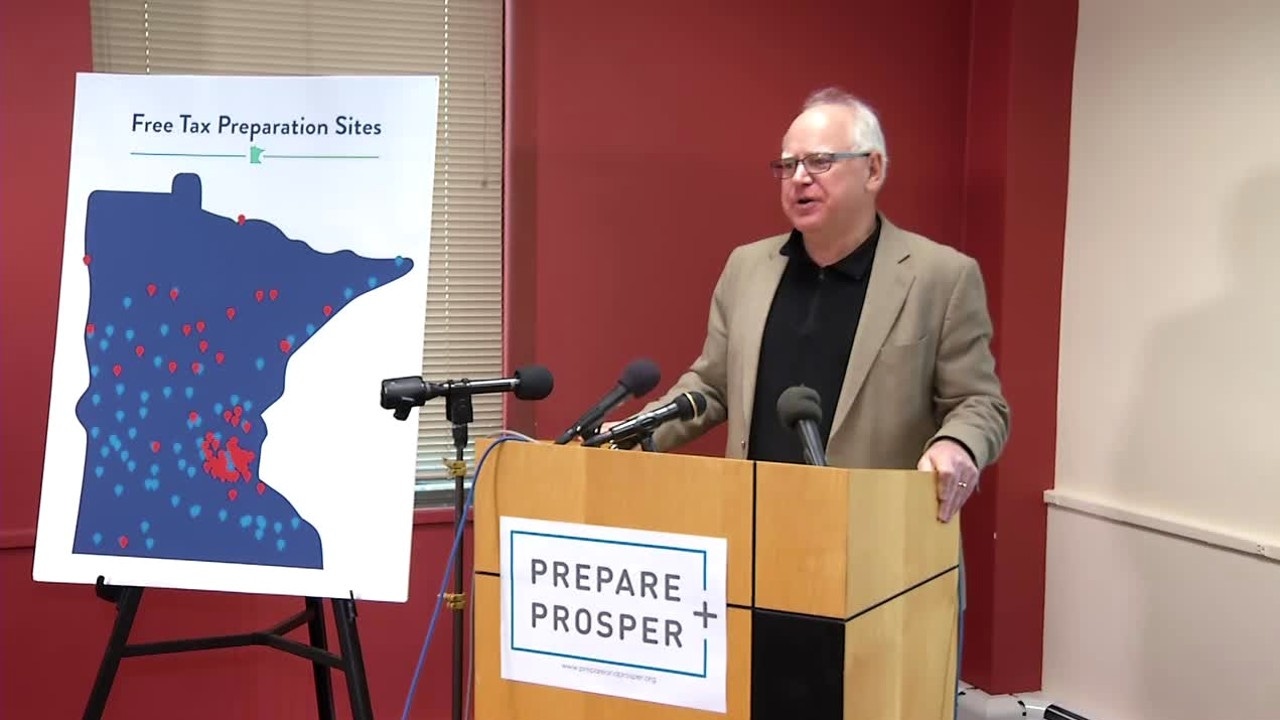
Minnesota is urging residents to take advantage of the new child tax credit, which could benefit nearly 300,000 lower-income households with up to $1,750 per child on their 2023 tax returns. The credit aims to reduce child poverty by one-third, but has income restrictions and is part of a $400 million initiative. Free tax preparation assistance is available at over 170 locations, and changes to the federal child tax credit are still being considered.
The U.S. House has passed a bill to expand the child tax credit, potentially increasing the maximum refundable amount per child over the next three years. If approved by the Senate and signed by President Joe Biden, the increased credit could retroactively apply to 2023 taxes. The eligibility criteria for the new child tax credit would remain the same as the current one, with income thresholds and other requirements.