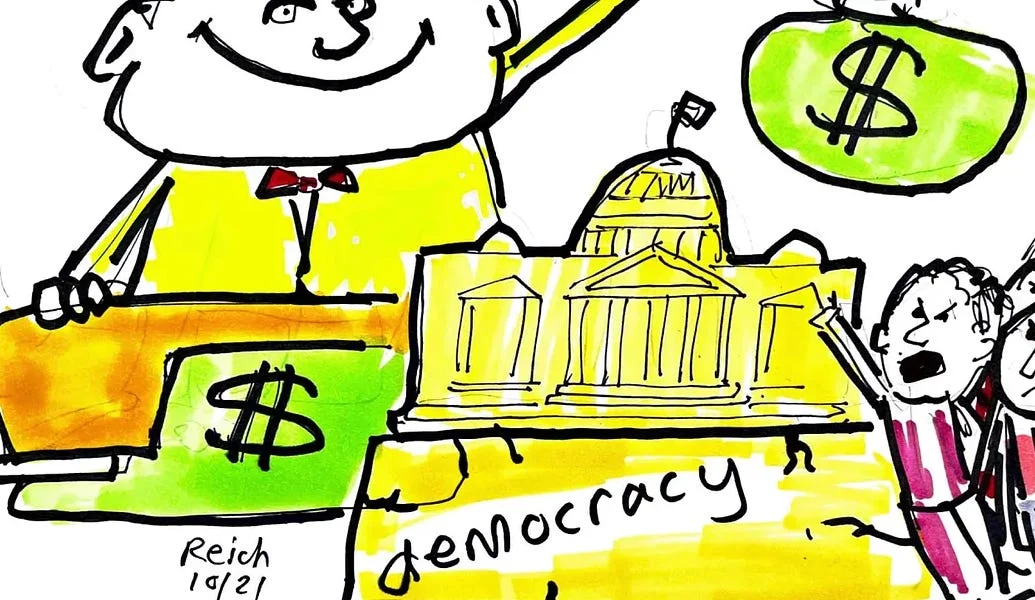
California's proposed Billionaire Tax Act aims to impose a 5% one-time tax on billionaires residing in the state, prompting some of the wealthiest to consider relocating to avoid the tax, raising concerns about potential impacts on California's economy and public services.
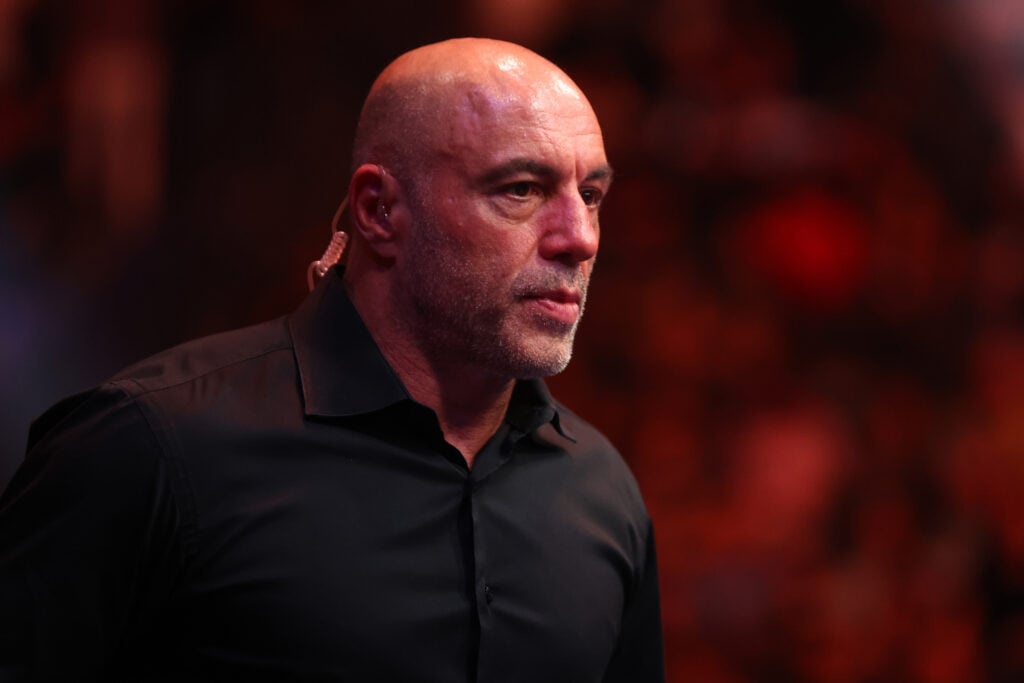
Joe Rogan defends billionaires, highlighting their hard work and the necessity of tax loopholes, while acknowledging the inequality and suggesting wealth sharing could reduce public resentment, amidst a discussion with Tom Segura on wealth, taxes, and societal disparities.
The article questions the reliability of recent U.S. economic statistics, highlighting how government shutdowns and data collection issues distort the true economic experience, especially for middle- and lower-income Americans, despite positive headlines about inflation and GDP growth. It emphasizes that these figures often benefit the wealthy and do not reflect the struggles of most Americans, warning against partisan interpretations and stressing the need for cautious analysis.
The article explains the 'K-shaped economy,' where higher-income Americans see wealth and income growth while lower-income households struggle with inflation and weaker wage gains, leading to increased economic inequality and concerns about sustainability amid divergent economic trends and AI-driven market gains.
Warren Buffett, nearing his retirement as CEO of Berkshire Hathaway, issued a candid final letter criticizing CEO greed and envy, emphasizing the importance of kindness and humility over profit, and urging leaders to live meaningful lives aligned with the Golden Rule.
A Federal Reserve official warns that growing income inequality and affordability issues among poorer Americans pose risks to the US economy's resilience, influencing the Fed's decision on interest rate cuts amid a complex balancing act between inflation and economic stability.
The US economy appears resilient due to high-income households driving growth, while middle and lower-income groups are pulling back on spending amid rising costs and layoffs, creating a fragile 'Jenga tower' scenario that increases recession risks.
The US economy appears resilient but is increasingly driven by high-income households, while low- and middle-income Americans face economic strain, widening the wealth gap and raising concerns about vulnerability to a downturn.
The U.S. economy is currently experiencing a 'K-shaped' recovery, where wealthier Americans are benefiting from strong stock market gains and increased spending, while lower- and middle-income households face ongoing financial struggles due to inflation, stagnant wages, and higher debt, leading to a widening economic divide.
The article discusses California's proposed 2026 ballot measure to impose a 5% wealth tax on its 200 billionaires to fund Medicaid and schools, highlighting how state-level efforts can address wealth inequality and potentially inspire broader national reforms despite political challenges.
The article discusses the growing income inequality in the U.S., highlighting how wealthier consumers continue to spend freely while lower-income groups cut back, leading to a K-shaped economic recovery that benefits high earners and leaves others behind, impacting various industries and attracting attention from policymakers.
The article discusses the emerging 'K-shaped' economic recovery, where wealthier Americans are benefiting from stock market gains and rising home values, while lower- and middle-income consumers face increased financial pressures, leading to divergent spending patterns across sectors like food, autos, airfare, and hospitality.
A study analyzing data from 2000 to 2015 shows that entrepreneurs tend to earn more than paid employees as they age, with self-employed individuals making up to 70% more by age 55, but significant income inequality exists among the self-employed, with most income concentrated among the top earners. The findings challenge stereotypes about entrepreneurs and highlight their potential for higher earnings and growth, especially in small businesses and trades.
Despite positive investor sentiment and a Federal Reserve rate cut, American consumer spending is declining across all income levels, especially among lower-income households, raising concerns about the economy's stability.