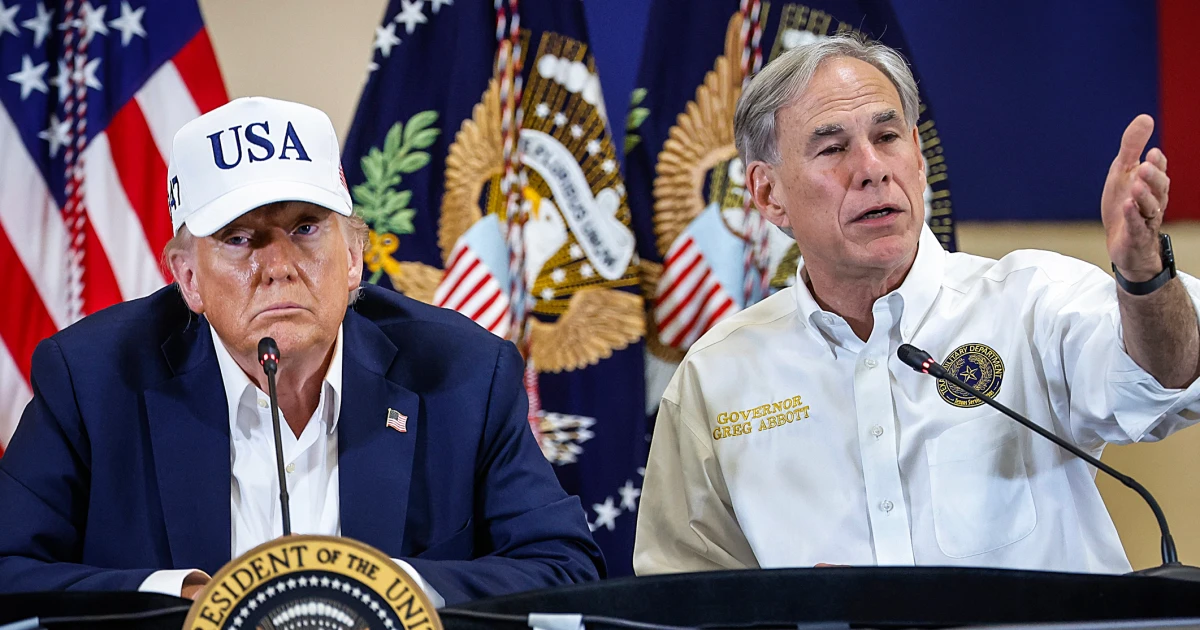
The article discusses the ongoing US government shutdown, highlighting conflicting messages between President Trump and Democrats about health care negotiations, GOP leadership's stance on talks, and various political developments including FBI phone record investigations and legislative actions. It also covers intra-party disagreements and recent hearings involving Attorney General Pam Bondi.
In Virginia's governor race, Ramaswamy campaigns with Earle-Sears, highlighting his brief role in Trump's DOGE federal workforce cuts, which Democrats criticize as harmful to Virginia jobs, amid Trump's absence from the campaign.
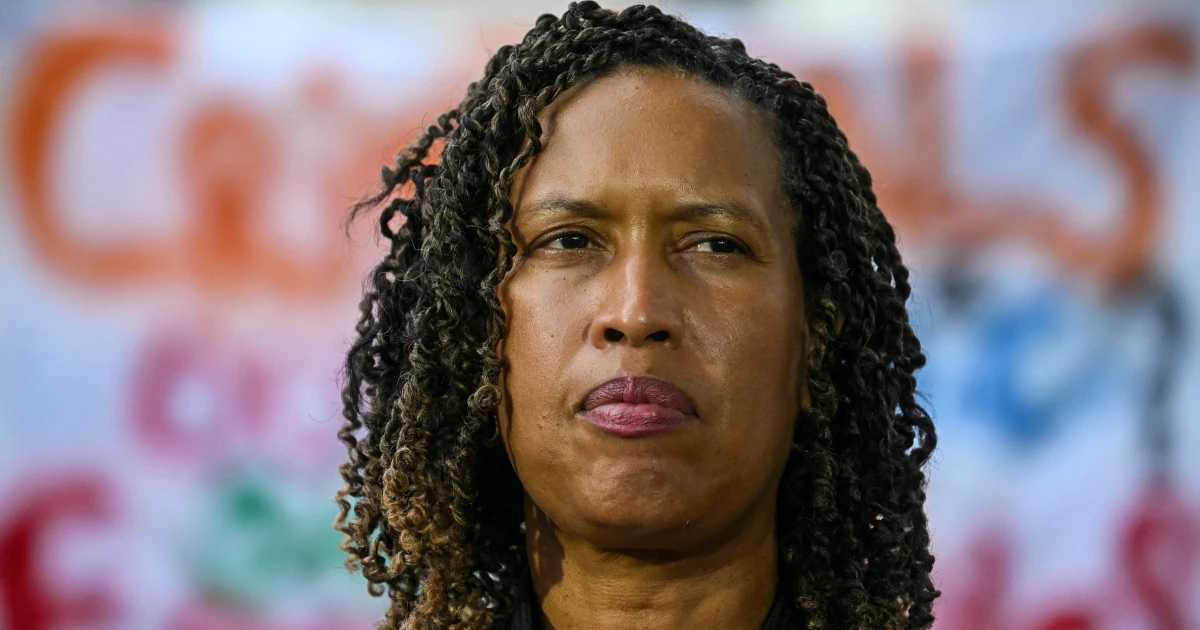
Members of the D.C. Council criticize Mayor Muriel Bowser for praising the federal law enforcement surge, which she credits with reducing crime, arguing it undermines local autonomy and represents federal overreach. The debate highlights tensions over federal intervention and local control amid crime reduction efforts in Washington, D.C.
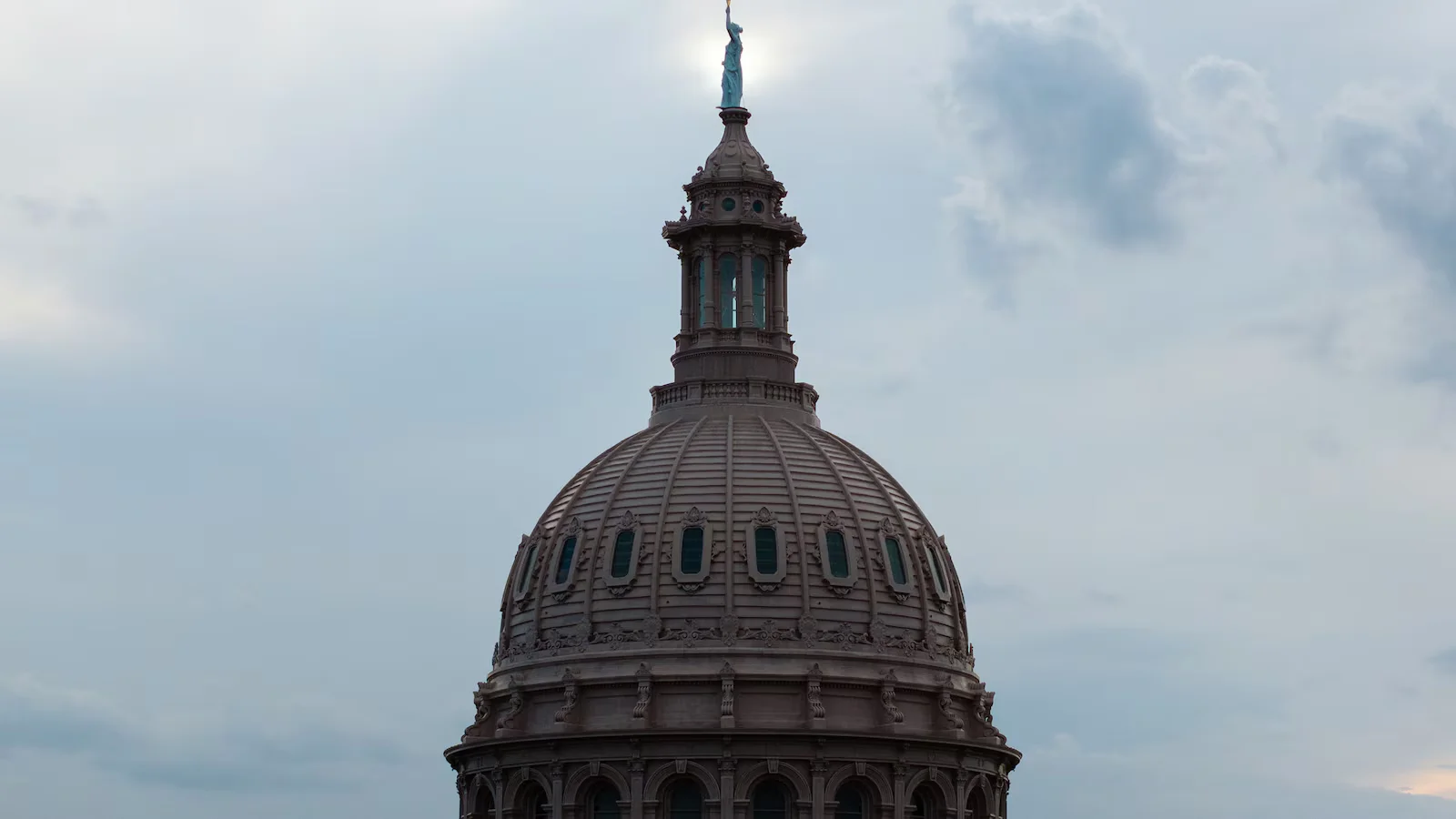
Texas Republicans approved a new gerrymandered congressional map aimed at flipping up to five House seats, bolstering GOP control ahead of the 2024 elections, amid partisan battles and legal challenges.
The Texas House committee has advanced a new bill with revised congressional maps, moving the redistricting process forward amid Democratic protests and quorum-breaking tactics, with potential legal challenges and political implications for upcoming elections.
Texas is considering a new congressional map proposed by Republicans, which aims to favor GOP gains in the 2026 midterm elections by redrawing districts to include more white and Latino voters and reduce Black voters' representation. Democratic lawmakers are threatening to block the process through walkouts and legal challenges, arguing the map is racially discriminatory and gerrymandered to suppress minority votes. The outcome of these efforts could significantly impact Texas's political landscape and the balance of power in Congress.
Republicans' recent vote to cut over $1 trillion from healthcare programs, including Medicaid, is expected to hurt their prospects in the upcoming midterm elections by alienating voters and energizing Democrats, who are already campaigning against the cuts as a major issue.
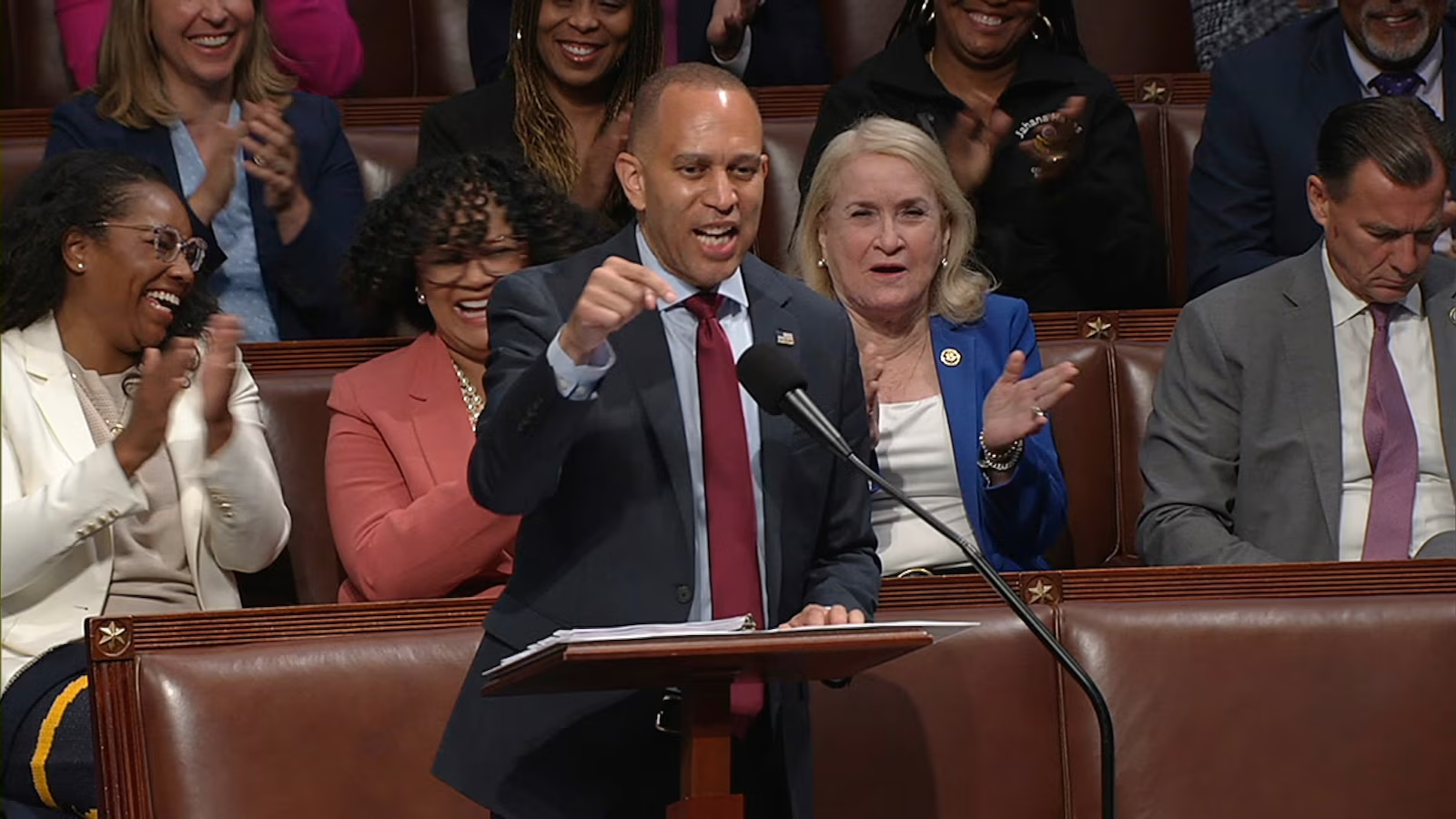
House Democratic Leader Hakeem Jeffries delivered an extended speech opposing President Trump's major tax and spending bill, criticizing its impact on healthcare, Medicaid, SNAP, and immigration, and calling it an immoral budget that harms Americans, prompting applause from fellow Democrats.
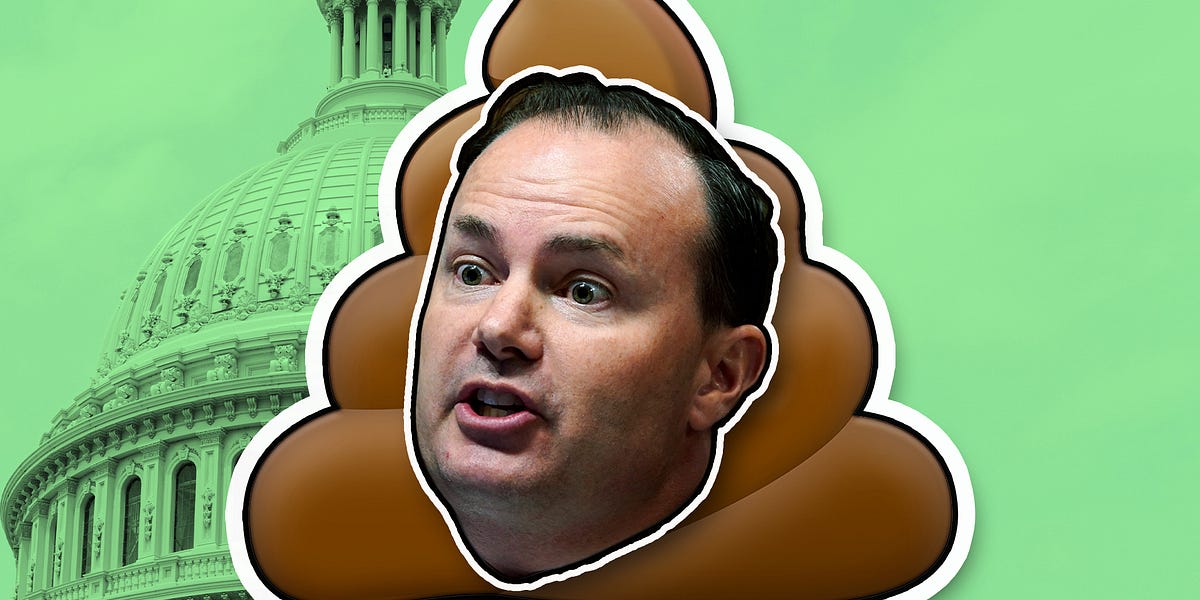
Sen. Mike Lee faced backlash for posting conspiracy theories and inflammatory content on social media, which has sparked calls for accountability from Utah Democrats and increased opposition efforts, though his strong Republican base and Utah's political landscape make his vulnerability limited. Democrats are strategizing to challenge him in future elections, but the state's deep Republican lean and historical voting patterns pose significant hurdles.
The GOP's major reconciliation bill faces significant public opposition and internal disagreements within the party, with Democrats actively branding it negatively to sway voters, raising concerns about its political viability and potential to become a costly legislative failure similar to past large bills like Obamacare.
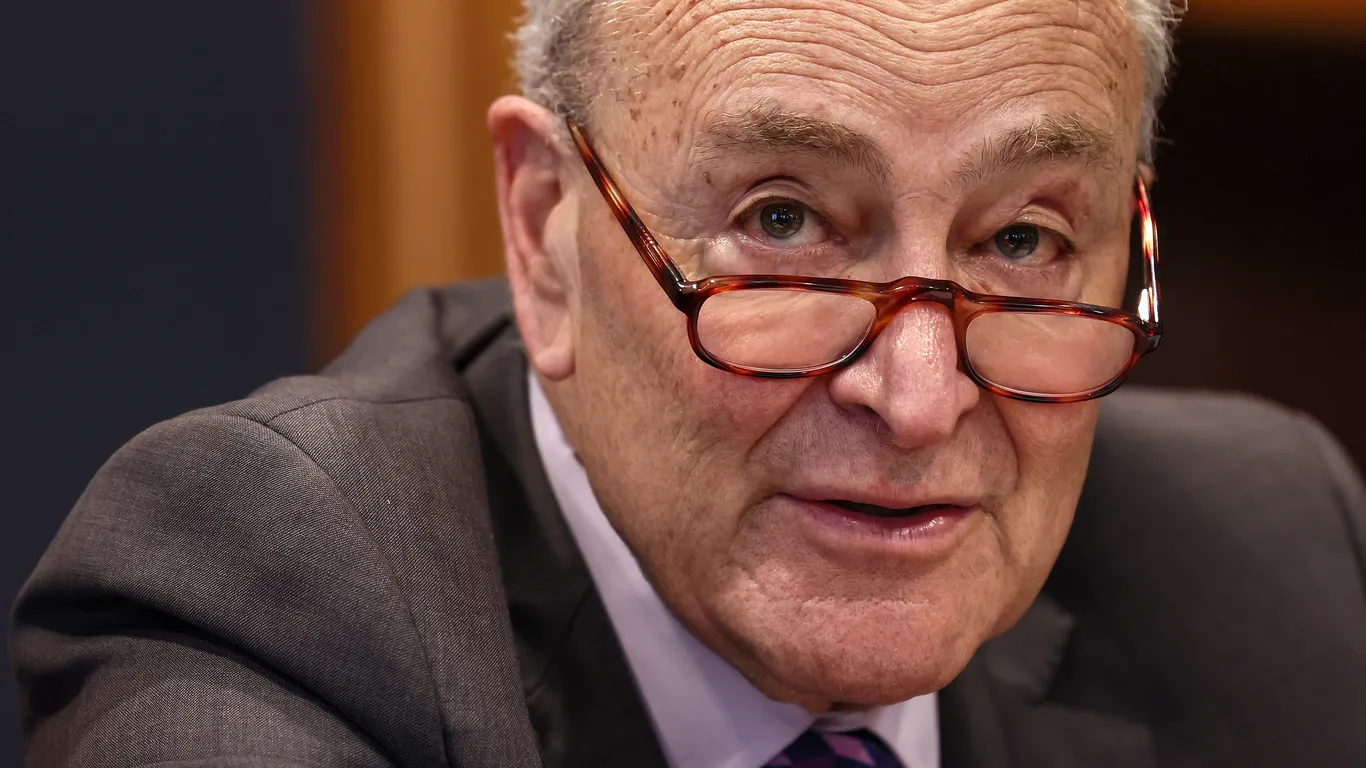
Senate Democratic Leader Chuck Schumer is campaigning against the GOP's proposed bill, criticizing its cuts to social programs like Medicaid and SNAP, and aiming to make these unpopular to influence the 2026 midterms. Meanwhile, the House GOP's attempt to pass Trump's
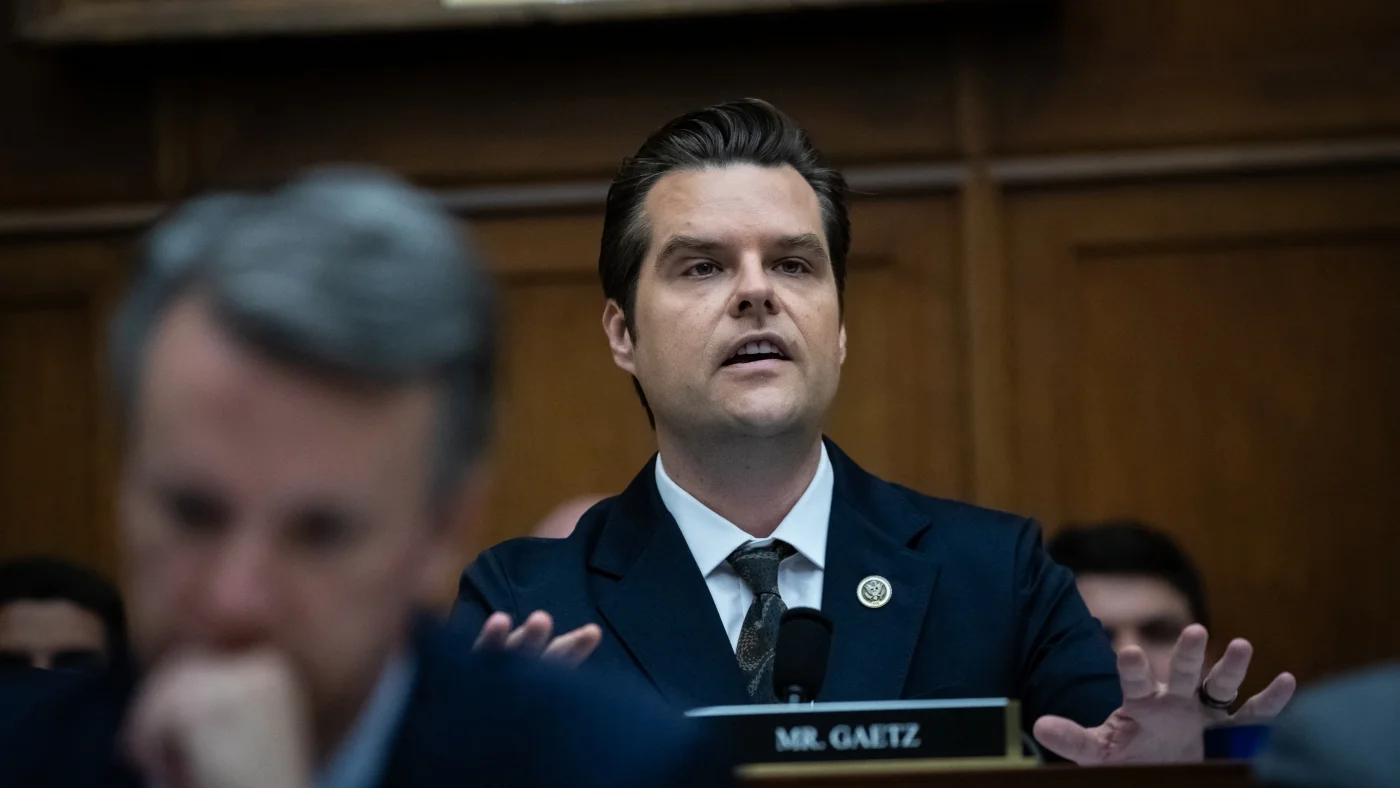
President-elect Donald Trump plans to nominate Florida lawmaker Matt Gaetz as Attorney General, despite Gaetz's limited legal experience and past investigations. This decision has sparked criticism from Democrats and concern among some Senate Republicans. Meanwhile, Democratic-led states are preparing to counter expected policies from the incoming administration, including a controversial proposal involving National Guard units. Additionally, Trump has reiterated his campaign promise to close the Department of Education, a move that has been supported by some Republicans but raises questions about its potential impact.
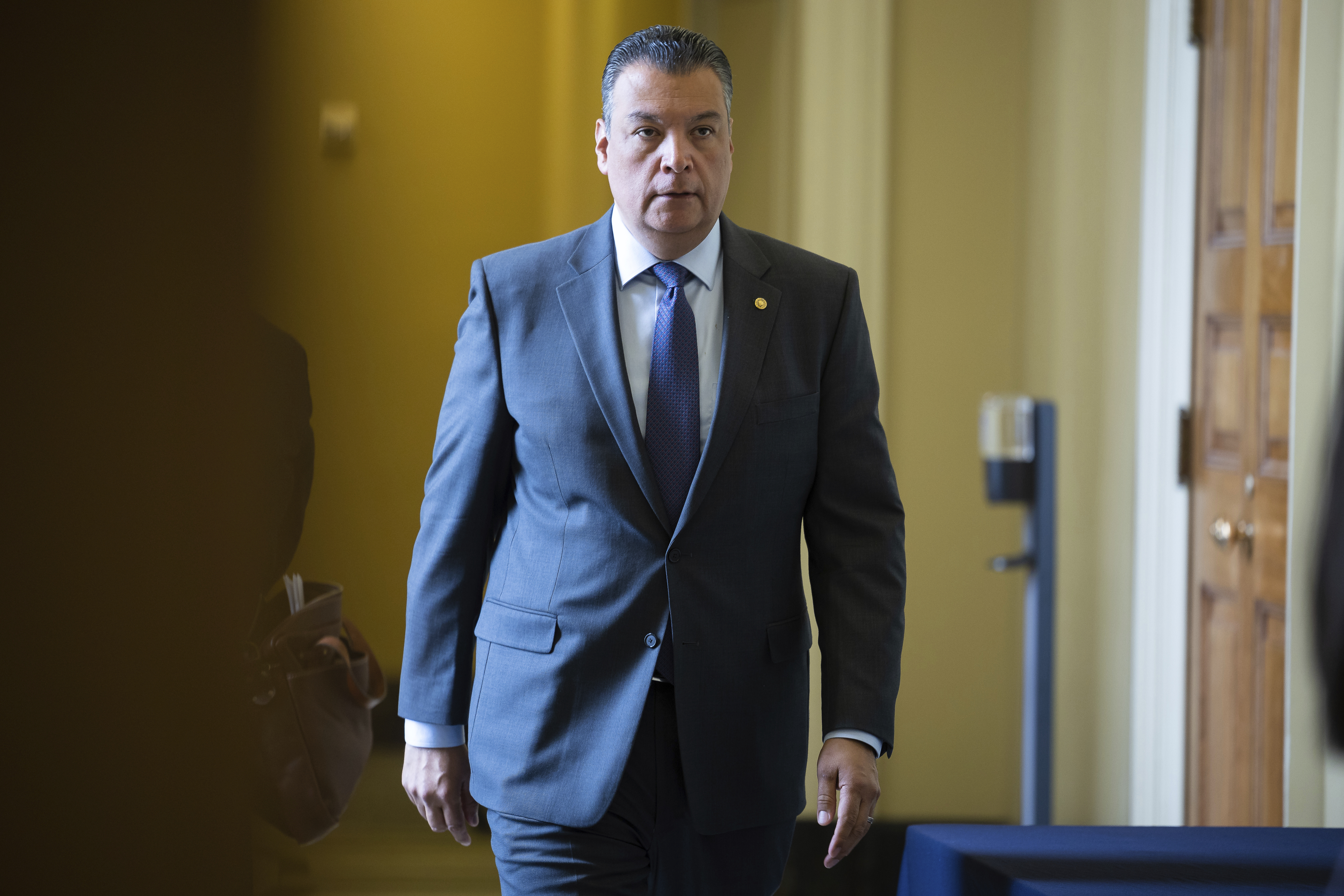
Despite months of bipartisan negotiations, President Biden's border package faced opposition from both Republicans and Democrats, including Sen. Alex Padilla, who criticized the lack of a path to legal residency for certain groups. Padilla also expressed concerns about the bill's restrictions on asylum and the exclusion of the Hispanic caucus from discussions. He emphasized the need to balance enforcement with relief for undocumented residents and highlighted the failure to address root causes of migration. The bill's apparent failure raises doubts about the prospects for future immigration legislation and highlights ongoing challenges in achieving bipartisan consensus.
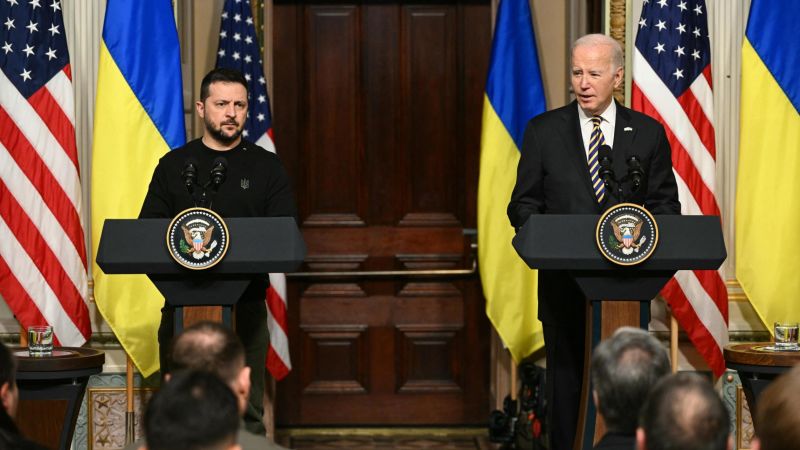
The White House is facing pressure to pass Ukraine aid, leading to a dilemma for Democrats as they grapple with immigration policies that were previously associated with former President Donald Trump. President Joe Biden has indicated a willingness to make border policy changes in exchange for aid for Ukraine, putting Democrats in the uncomfortable position of supporting policies they once criticized. The concessions being considered include raising the credible fear standard for asylum seekers, increasing deportations, expanding detention, and curbing the use of humanitarian parole. These proposals have drawn opposition from immigrant advocates and some Democrats, who argue that they are extreme and should not be tied to foreign aid funding. The negotiations over a border package are ongoing, with lawmakers divided over whether the Senate should stay in session to reach an agreement.
A bipartisan group of senators, led by Ben Cardin, Marco Rubio, Dick Durbin, and Bill Cassidy, issued a joint statement condemning the Maduro regime in Venezuela for arresting democratic opposition leader Roberto Abdul and issuing arrest warrants against other senior members of the opposition. The senators expressed concern over the regime's violation of the Barbados Agreement and its failure to uphold commitments to free and fair elections in 2024. They called for a strong response from the US and its democratic partners, including the use of diplomatic tools and selective sanctions.