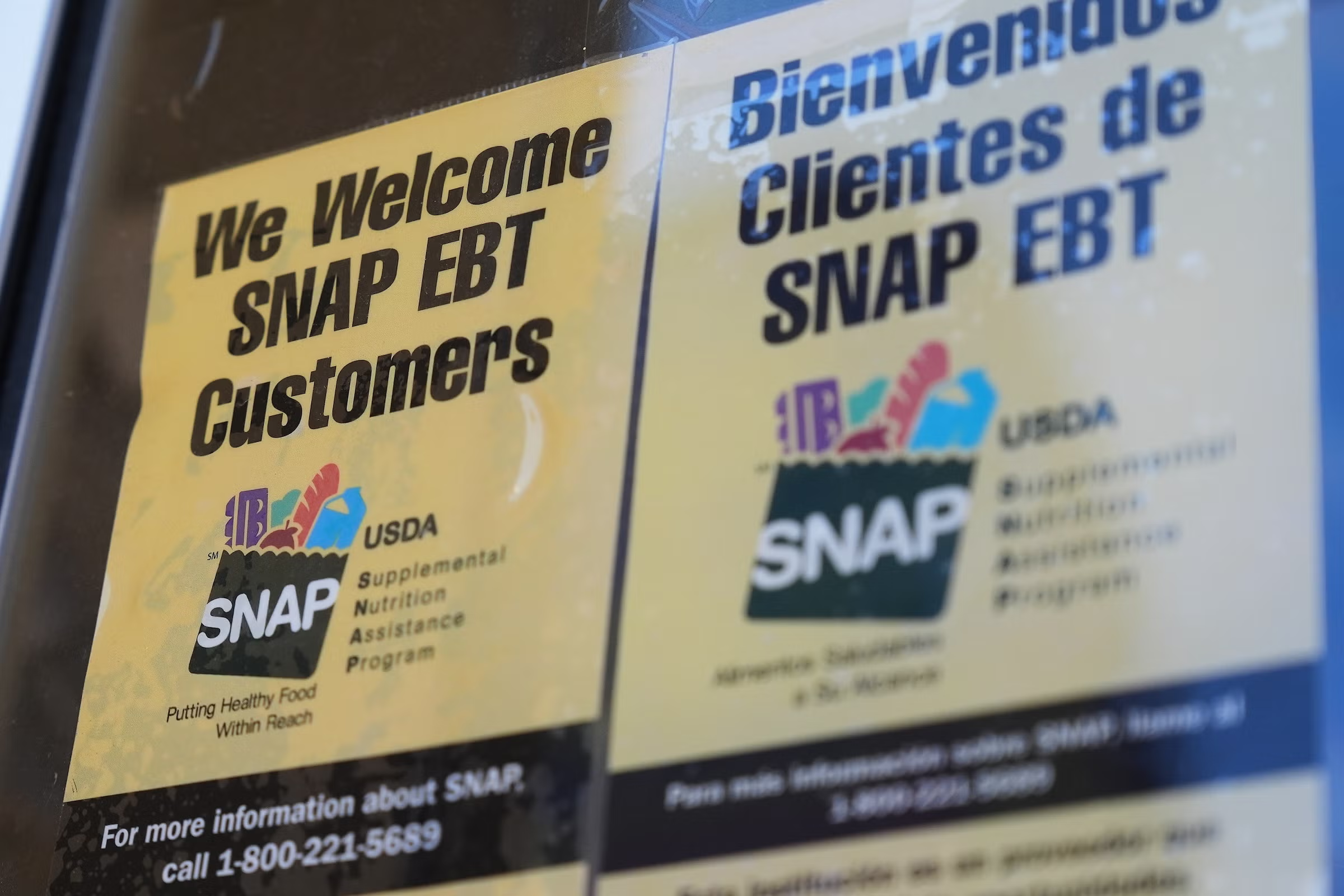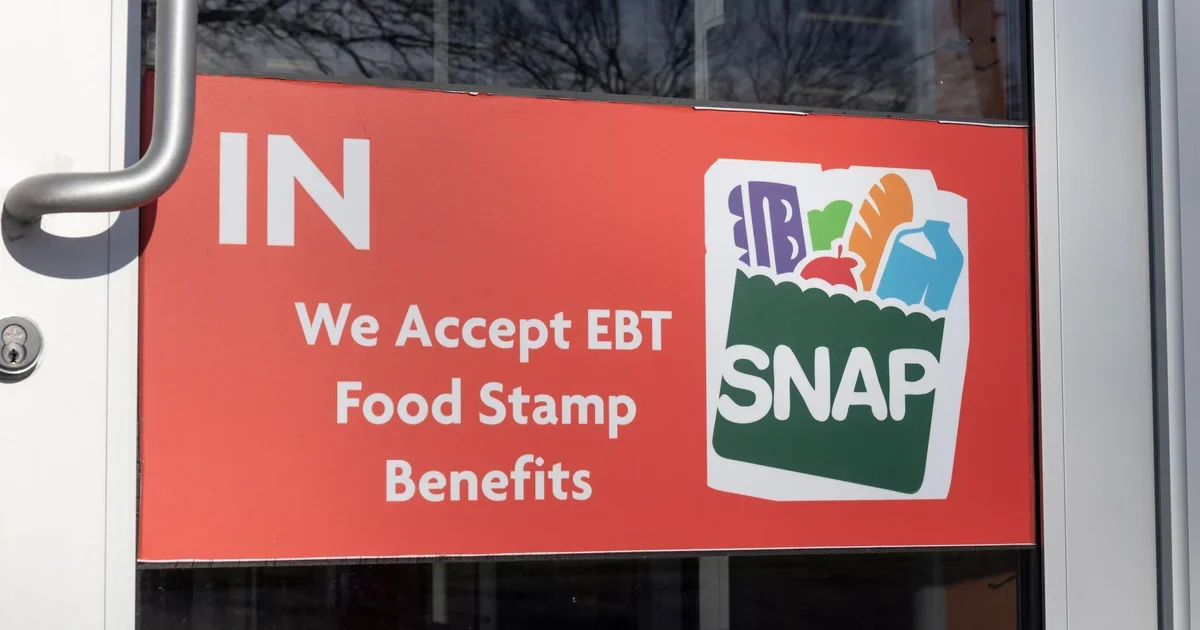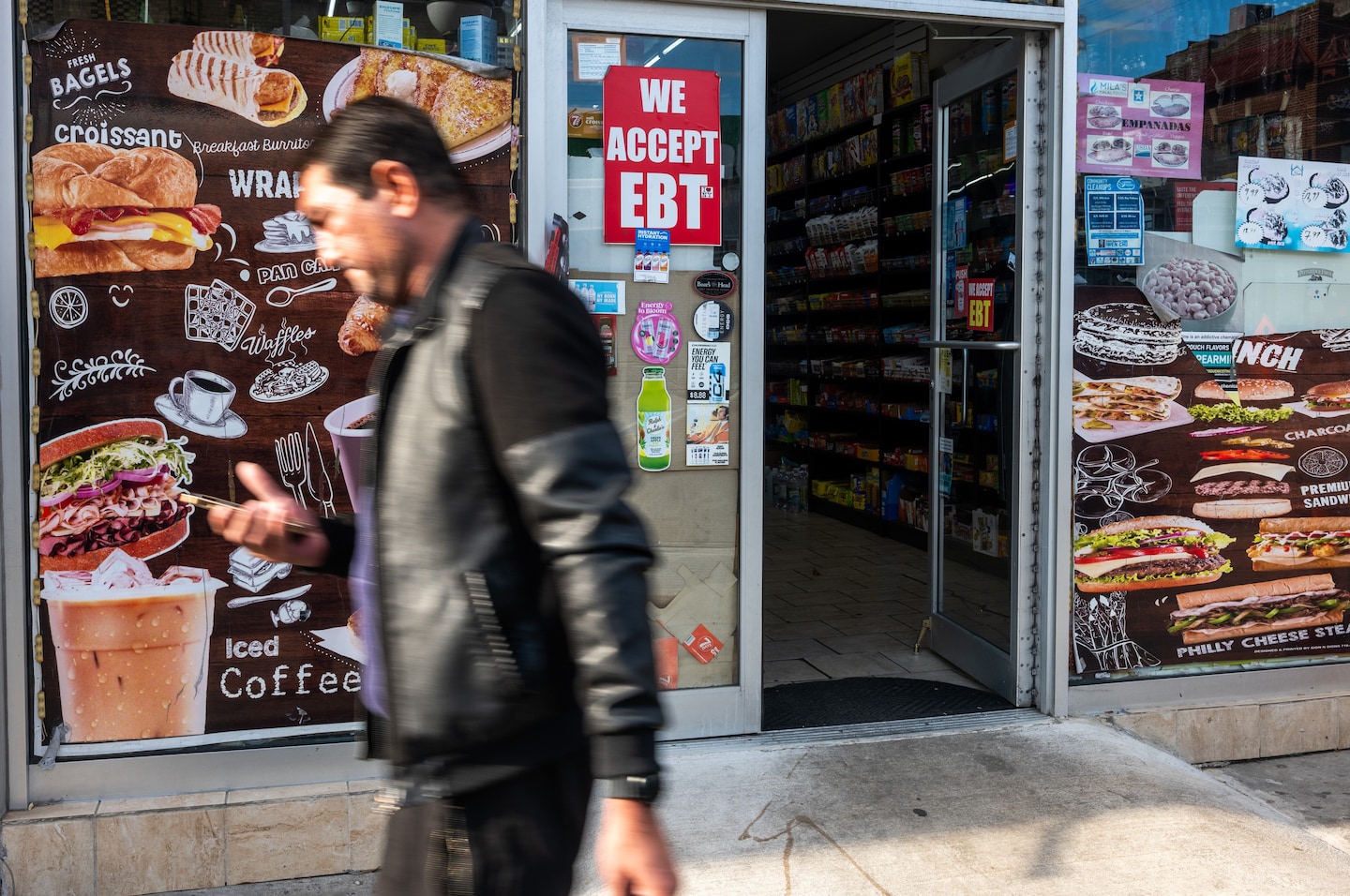
Starting January 1, five states (Indiana, Iowa, Nebraska, Utah, and West Virginia) will implement new restrictions on certain foods, like soda and candy, that can be purchased with SNAP benefits, aiming to improve public health but facing industry and logistical challenges.
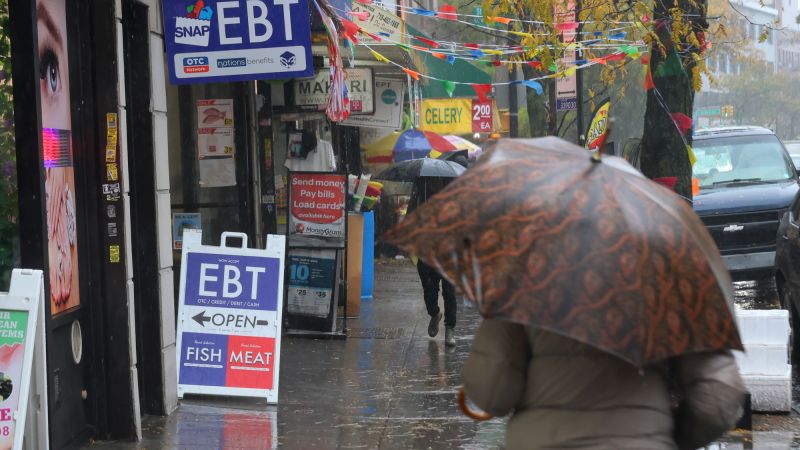
Starting January 1, five states (Indiana, Iowa, Nebraska, Utah, and West Virginia) will implement new restrictions on certain food purchases with SNAP benefits, mainly targeting soda, candy, and other unhealthy foods, as part of a broader effort to improve public health and reduce diet-related diseases. The changes are expected to face logistical challenges and controversy, with concerns about their impact on recipients and retail costs.
New federal work requirements under the Trump administration's 'One Big Beautiful Bill' have increased scrutiny on SNAP recipients in Pennsylvania, potentially leading to the loss of benefits for thousands who cannot meet the new work, volunteer, or education criteria, with residents urged to verify their eligibility and understand the appeal process.
Oregon has implemented new federal rules requiring 37,000 able-bodied adults without dependents to work, train, or study to retain their SNAP food assistance, affecting the state's food aid program and expanding work requirements up to age 64, amid political debate over the law's implications.
The Trump administration announced it will block Democratic-controlled states from accessing SNAP management funds unless they share benefits recipient information with the federal government.
The Trump administration threatened to cut SNAP benefits to Democrat-led states that refuse to provide immigration and recipient data, claiming it is necessary to combat fraud, which could result in millions losing food assistance. The dispute highlights ongoing tensions over federal control and state compliance, with the administration accusing non-cooperative states of protecting illegal immigrants and criminals.
SNAP benefits are expected to resume quickly after the end of the government shutdown, with most states able to distribute benefits within 24 hours, although the timeline may vary by state due to administrative processes. The shutdown caused delays and partial payments for millions of Americans relying on food assistance, but the new legislation will restore full benefits for November and reimburse states for their expenses.
The Supreme Court extended a temporary order allowing the Trump administration to withhold full SNAP benefits in November amid ongoing legal disputes and a government shutdown, with the decision likely to be moot if the shutdown ends soon. The case highlights the impact of the shutdown on millions of Americans relying on food assistance, with courts involved in determining whether full benefits should be provided during this period.
The Supreme Court extended a temporary pause on a federal judge's order requiring the Trump administration to pay full SNAP benefits for November, allowing Congress time to pass a funding bill to reopen the government and fund the program, with the current stay extended until Thursday night.
An American in rural Oregon shares her struggles with food insecurity and reliance on SNAP benefits amid political turmoil, highlighting the hardships faced by low-income families and the broader issues of systemic exploitation and neglect.
The Trump administration directed states to halt full SNAP benefit payments for November to 42 million Americans, citing a need to undo recent payments amid concerns over food insecurity.
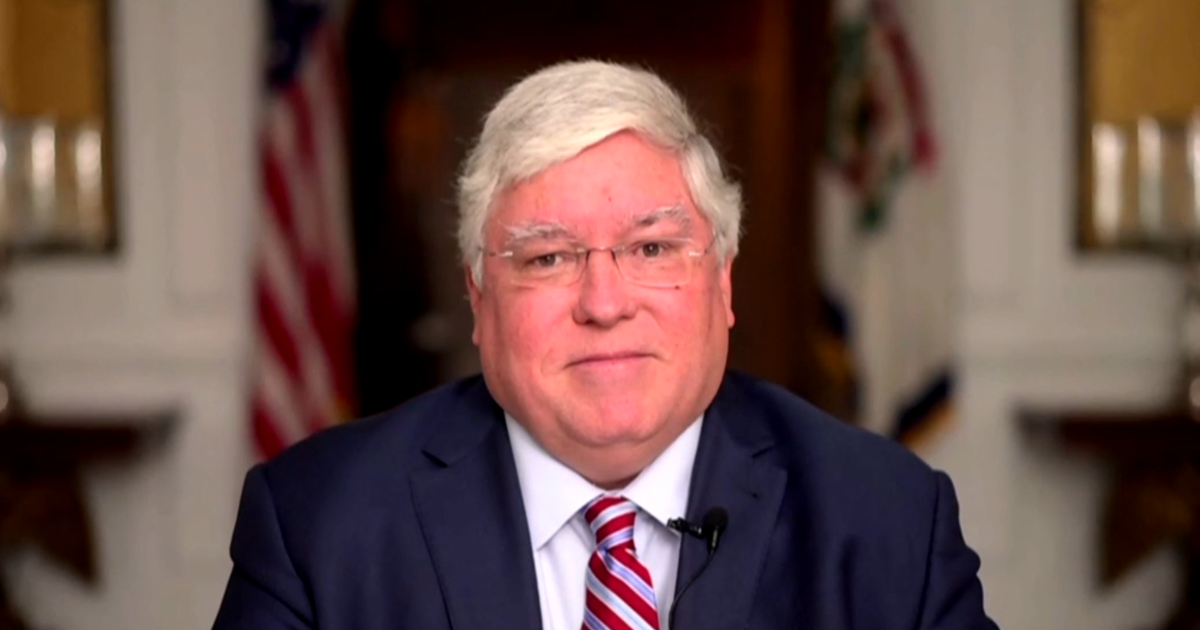
West Virginia Governor Patrick Morrisey discusses efforts to aid residents during the government shutdown, including food assistance and rural health initiatives, emphasizing cooperation with the Trump administration and criticizing Democratic opposition to reopening the government.
The Trump administration ordered states to immediately reverse any efforts to provide full food stamp benefits to low-income families, threatening financial penalties and adding to the chaos of the ongoing government shutdown affecting the SNAP program, which serves one in eight Americans.
A federal judge ordered the Trump administration to fully fund food stamps for 42 million Americans, criticizing the partial funding plan during the government shutdown, which is now the longest in history. The shutdown has led to flight reductions at major airports and ongoing political negotiations, while other news includes Nancy Pelosi's retirement, Elon Musk's massive compensation plan, and climate concerns at the COP30 summit.
President Trump requested the Supreme Court to block a lower court ruling that mandated full food stamp benefits for millions, amid ongoing legal and political disputes over federal funding during a government shutdown.