Community health workers in California are actively encouraging undocumented residents to re-enroll in Medicaid before the enrollment freeze takes effect, amid fears of immigration enforcement and misinformation about coverage loss, highlighting ongoing challenges in healthcare access for vulnerable populations.
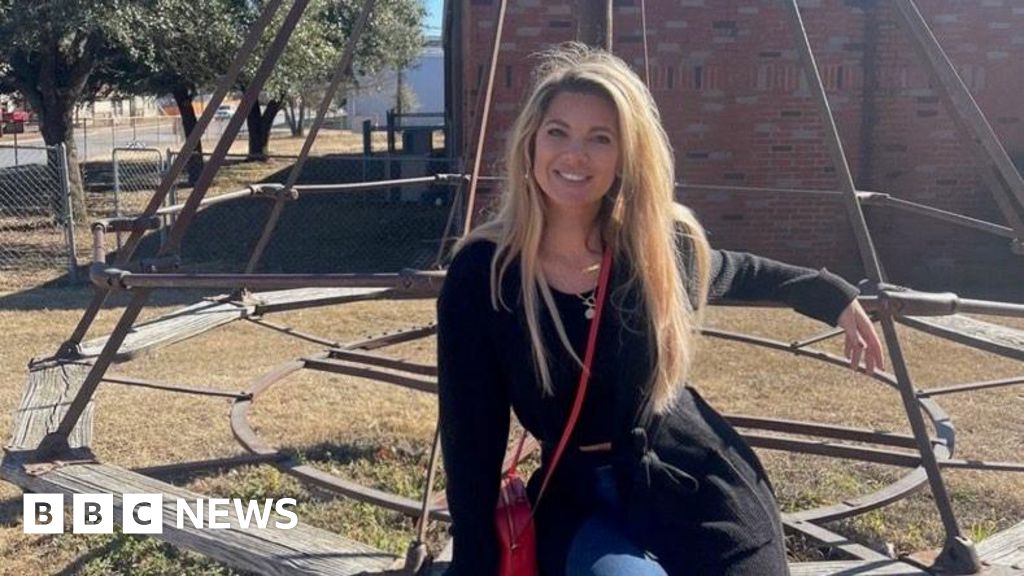
Many Americans, including families like Adrienne Martin's, face soaring healthcare costs in 2026 as ACA subsidies expire, leading to increased uninsured rates and financial hardship, with a congressional vote expected soon to potentially extend these subsidies.
On the final day of 2025, the Trump administration reversed efforts to deploy federal troops in major cities, froze all childcare payments to states pending legitimate use verification, and was allowed to end Medicaid funding for Planned Parenthood in 22 states. Additionally, the Kennedy Center reportedly changed bylaws to limit voting to Trump-appointed trustees, and stock markets closed near record highs amid economic optimism.
A federal appeals court has allowed the Trump administration to continue withholding Medicaid funding from Planned Parenthood and similar health centers while ongoing lawsuits challenge the cuts, which were enacted through legislation in July. Several states and organizations have filed lawsuits, with some being dismissed or put on hold, and others continuing to fight for restored funding. The decision underscores ongoing legal battles over healthcare access and federal funding for reproductive health services.
A US appeals court allowed the Trump administration to end Medicaid funding for Planned Parenthood in 22 states, amid ongoing legal battles over the legality of the provision that restricts reimbursements for organizations providing reproductive health services, potentially leading to the closure of many clinics and reduced access to care.
Vermont has received a $195 million federal grant from the Rural Health Transformation program to improve rural healthcare, including workforce development and telehealth expansion, as part of ongoing health reform efforts, with the funds to be rapidly utilized for initiatives like staffing and telehealth services.
California will cease Medicaid coverage for weight-loss drugs like Wegovy and Zepbound starting January 1, citing high costs and budget constraints, despite their effectiveness and popularity. The state recommends diet and exercise as alternatives, though experts say this may be unrealistic for many patients. Other states are also restricting coverage due to financial pressures, even as negotiated price reductions aim to lower drug costs. The move could impact thousands of low-income Californians relying on these medications for weight management and related health conditions.
A California federal judge allowed the federal government to share basic Medicaid participant information with ICE, but blocked sharing of more sensitive data, citing unclear policies and privacy concerns. The ruling permits sharing of minimal data like citizenship, location, and contact info, while safeguarding more detailed health data, amid ongoing legal disputes over immigration enforcement and data privacy.
Minnesota has implemented additional review measures for 14 high-risk Medicaid programs to combat widespread fraud, involving audits by Optum before payments are processed, which may cause delays but aims to protect benefits for low-income residents. The state is also taking other actions like disenrolling inactive providers and pausing licenses to eradicate fraud, with ongoing investigations and increased oversight.
The Trump administration announced a $10 billion rural health fund for 2026, with funds distributed based on population, health outcomes, and policy compliance, including restrictions on SNAP benefits. Critics argue the funding is insufficient to offset the massive Medicaid cuts and that the allocation may be influenced by political policies, potentially limiting aid to rural hospitals in need.
A federal judge ruled that the Trump administration can share Medicaid data with ICE only for certain basic personal information about unlawfully present immigrants, blocking access to sensitive health records and emphasizing the protection of health privacy laws, marking a setback for efforts to use Medicaid data for immigration enforcement.
The Trump administration announced a $10 billion rural health fund for 2026, with allocations based on population and policy adherence, aiming to support rural hospitals amid significant federal budget cuts, though experts criticize the fund's adequacy and potential policy restrictions.
The Trump administration announced the first awards from a $50 billion rural health fund, with Alaska receiving $272 million, highlighting disparities and priorities in rural healthcare funding amid ongoing Medicaid concerns.
As federal Obamacare subsidies expire, some states like New Mexico are covering the costs, while others like Georgia refuse, leading to potential coverage gaps and increased premiums, especially impacting rural hospitals and uninsured populations. States are debating whether to fill the gap themselves, with some viewing it as a matter of life or death.
Homeland Security agents are conducting a large-scale investigation into over 30 sites in Minneapolis, focusing on rampant fraud related to childcare and other programs, amid broader concerns about Medicaid fraud and immigration enforcement. The effort follows recent statements from FBI and DHS officials highlighting significant fraud issues in Minnesota, with investigations into billions of dollars in alleged Medicaid fraud and related criminal activities.