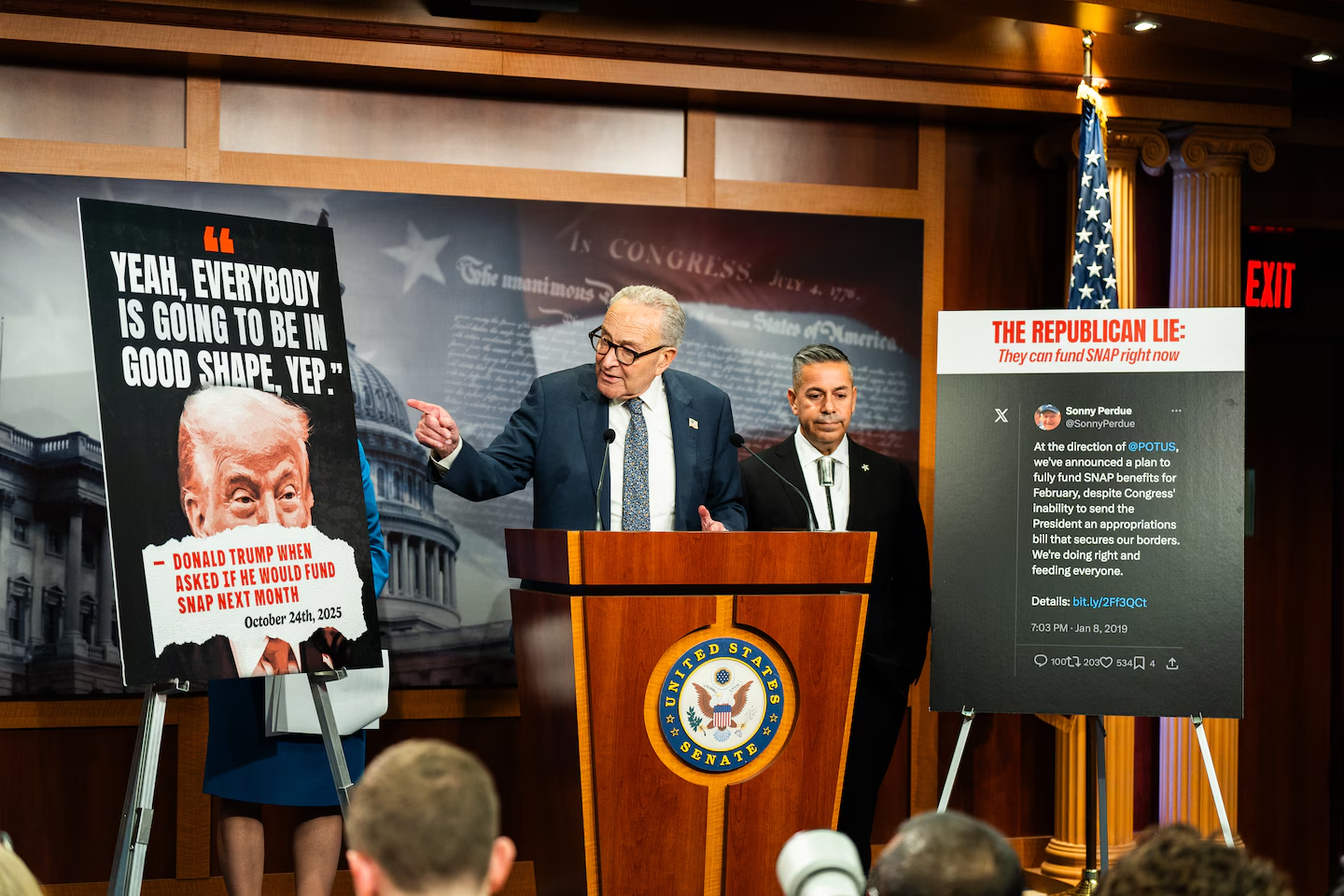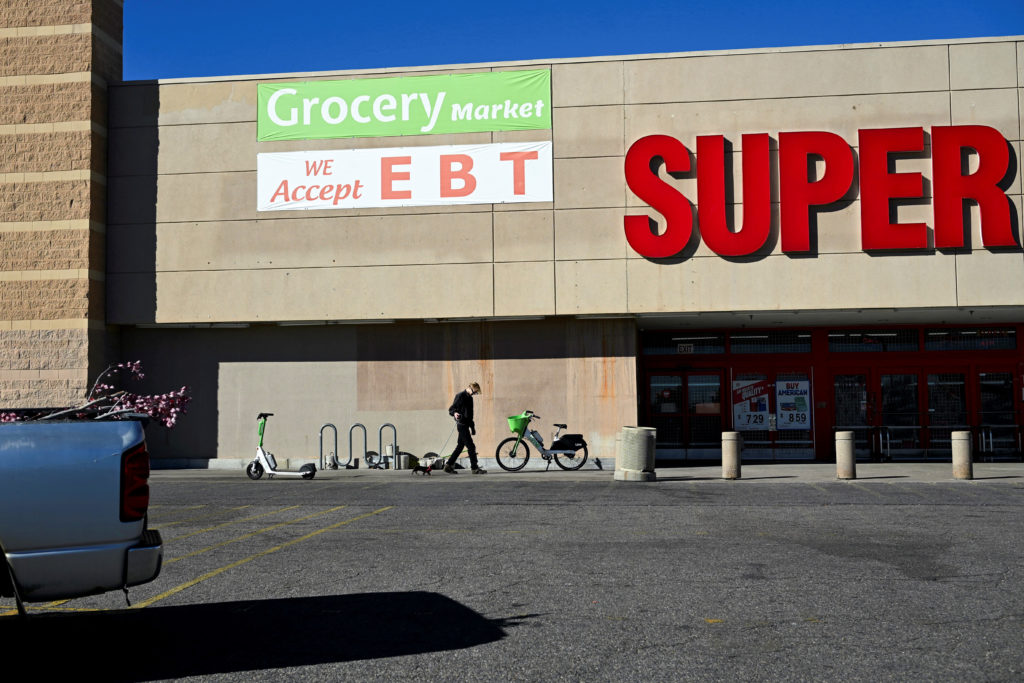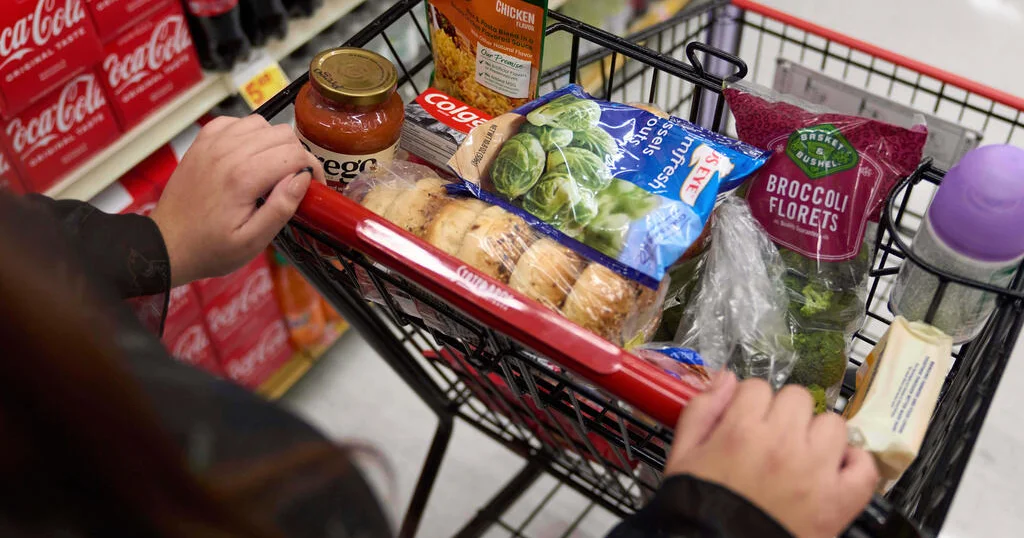
The ongoing government shutdown is beginning to affect Americans more directly, with federal food stamps set to stop disbursing benefits to around 42 million people, marking a significant impact on daily life.
The USDA announced that due to the ongoing government shutdown, federal food aid benefits under SNAP will not be issued on November 1, risking food security for millions of Americans, as political disagreements prevent the use of contingency funds to cover the benefits.
The US Department of Agriculture announced that due to the ongoing government shutdown, federal food aid benefits, including SNAP, will not be issued starting November 1, as contingency funds are not available to cover regular benefits, raising concerns for millions of Americans relying on food assistance.
During a government shutdown, essential services like Social Security and Medicare continue, while programs such as WIC and some VA services may face disruptions. Agencies like the Postal Service and airports largely remain operational, but non-essential services and certain inspections could be halted or delayed depending on the shutdown's duration.
The Trump administration and House Republicans are implementing measures to restrict federal benefits for undocumented immigrants, including cutting food stamps, limiting access to Medicaid and Medicare, and increasing immigration verification, which could negatively impact U.S. citizens who rely on these programs.
The Consumer Financial Protection Bureau (CFPB) has charged Comerica Bank with neglecting and exploiting vulnerable customers who rely on the Direct Express program for federal benefits. The CFPB alleges that Comerica disconnected millions of customer service calls, imposed illegal fees, and failed to address fraudulent activities, all to boost profits. Comerica, which has an exclusive contract with the U.S. Treasury to manage these benefits, denies the allegations and has countersued the CFPB. The case highlights ongoing debates about the role and future of the CFPB in consumer protection.
The Consumer Financial Protection Bureau (CFPB) has filed a lawsuit against Comerica Bank, alleging the bank mishandled the administration of the Direct Express prepaid debit card program, which provides federal benefits to Social Security recipients and others. The CFPB claims Comerica terminated millions of customer service calls, improperly charged ATM fees, and mishandled fraud complaints, actions that allegedly prioritized profits over the needs of vulnerable beneficiaries. Comerica disputes the allegations, asserting it operated under federal oversight and has cooperated with the CFPB's investigation.
The idea of Texas seceding from the United States, known as 'Texit', has gained some online support, but experts warn that it could have severe consequences. If Texas were to secede, it could lose billions in infrastructure funding, face wartime violence, and jeopardize federal benefits such as Medicaid, Social Security, and Medicare. While some political candidates suggest Texas has the power to secede, experts emphasize the legal and financial challenges that would arise from such a move.
Student-loan companies are encouraging federal borrowers to refinance their loans before the payment restart, but this could strip borrowers of their federal benefits, including broad debt relief. Many federal programs to help borrowers are not available if their loans are held by a private lender. Some companies are not adequately disclosing these risks, leading borrowers to potentially miss out on federal benefits. The Consumer Financial Protection Bureau (CFPB) is monitoring how companies advertise refinancing and advises borrowers to submit complaints if they suspect misleading behavior.
Maine Governor Janet Mills has vetoed a bill that aimed to expand federal benefits for Maine tribes, citing concerns about potential legal conflicts between federal laws and the state's jurisdiction over the tribes. The bill had received overwhelming bipartisan support in the House and Senate. Supporters argue that the bill would provide tribes with access to federal programs and certainty, while opponents worry about the override of state jurisdiction and potential confusion. The veto sets up a possible bipartisan override vote in the Legislature.
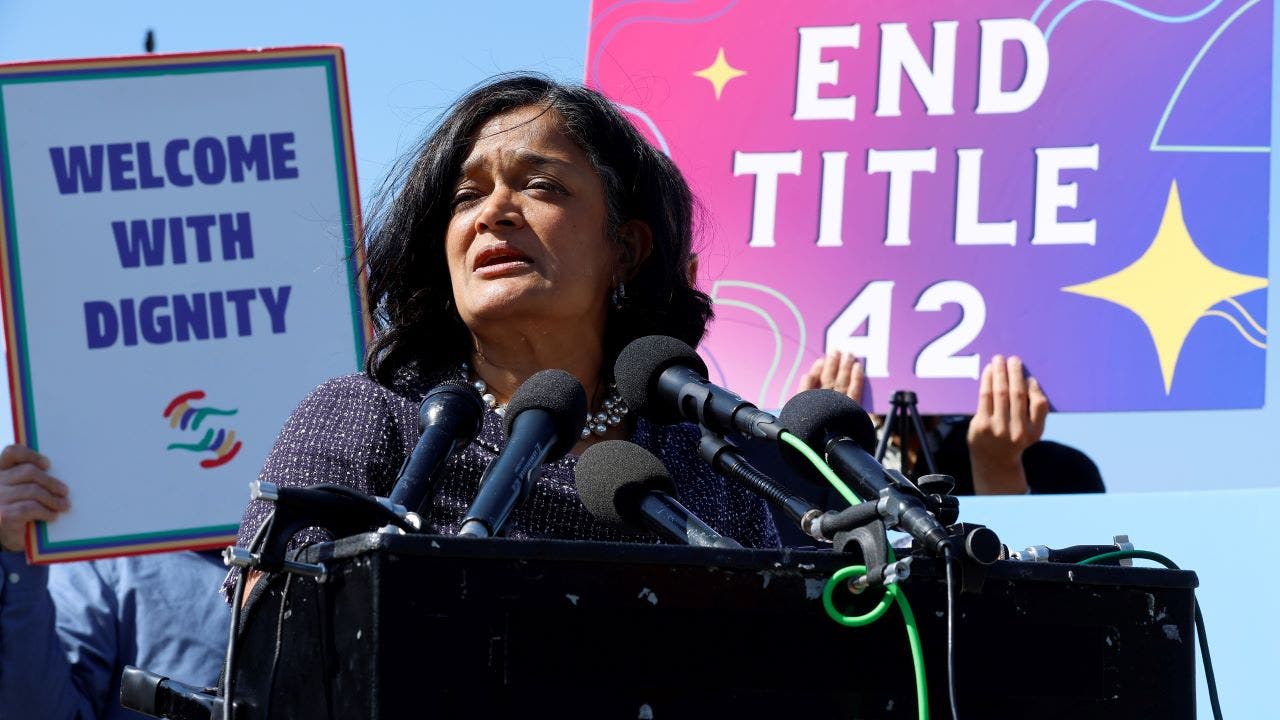
Democrats in the House and Senate have introduced a bill that would eliminate the five-year waiting period for immigrants to access federal benefits, including Medicaid and food stamps. The bill, called the LIFT the BAR Act, aims to remove "cruel, xenophobic, and unreasonable barriers" to healthcare and other services for immigrants. Republicans argue that the unchecked influx of migrants is leading to a drain on federal resources and other problems, while supporters of the bill say it is necessary to ensure that immigrants succeed in America.
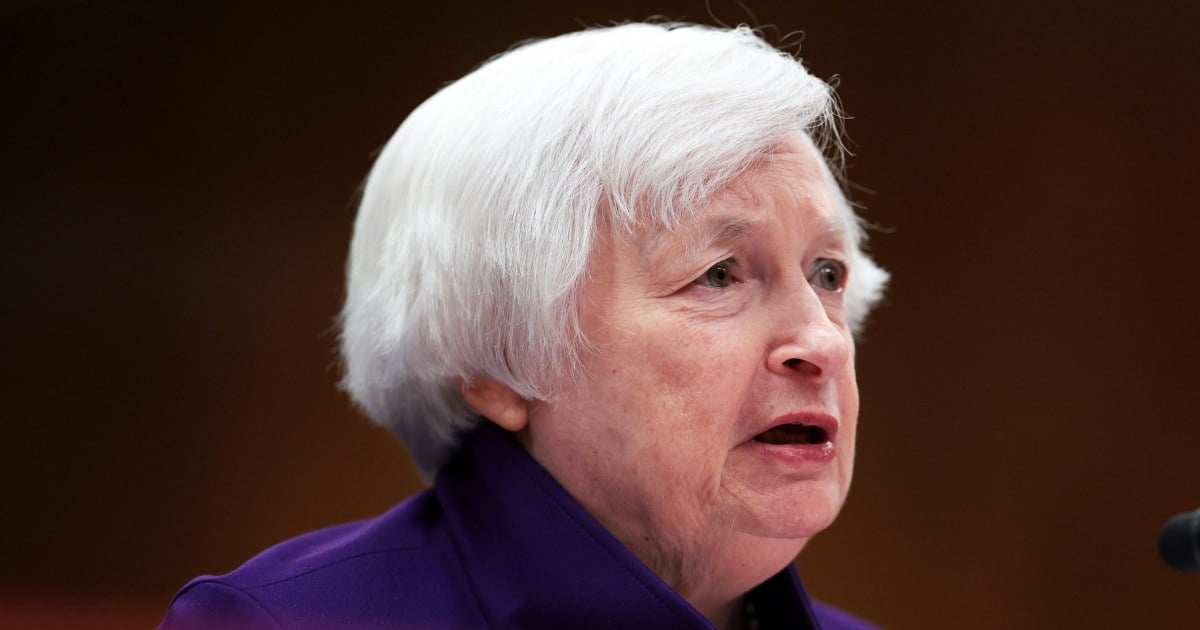
The US Treasury Secretary, Janet Yellen, has set a hard deadline of June 5 for Congress to act on the debt ceiling, giving negotiators a few more days to reach a deal. The Treasury Department has been using "extraordinary measures" to pay the country's bills since hitting the statutory borrowing limit in January. The two parties are still stuck on several issues, including work requirements for federal benefits, unspent Covid relief funds, and overhauling permitting for infrastructure and energy projects. Yellen warned that failure to increase the debt limit would cause severe hardship to American families, harm the country's global leadership position, and raise questions about its ability to defend national security interests.
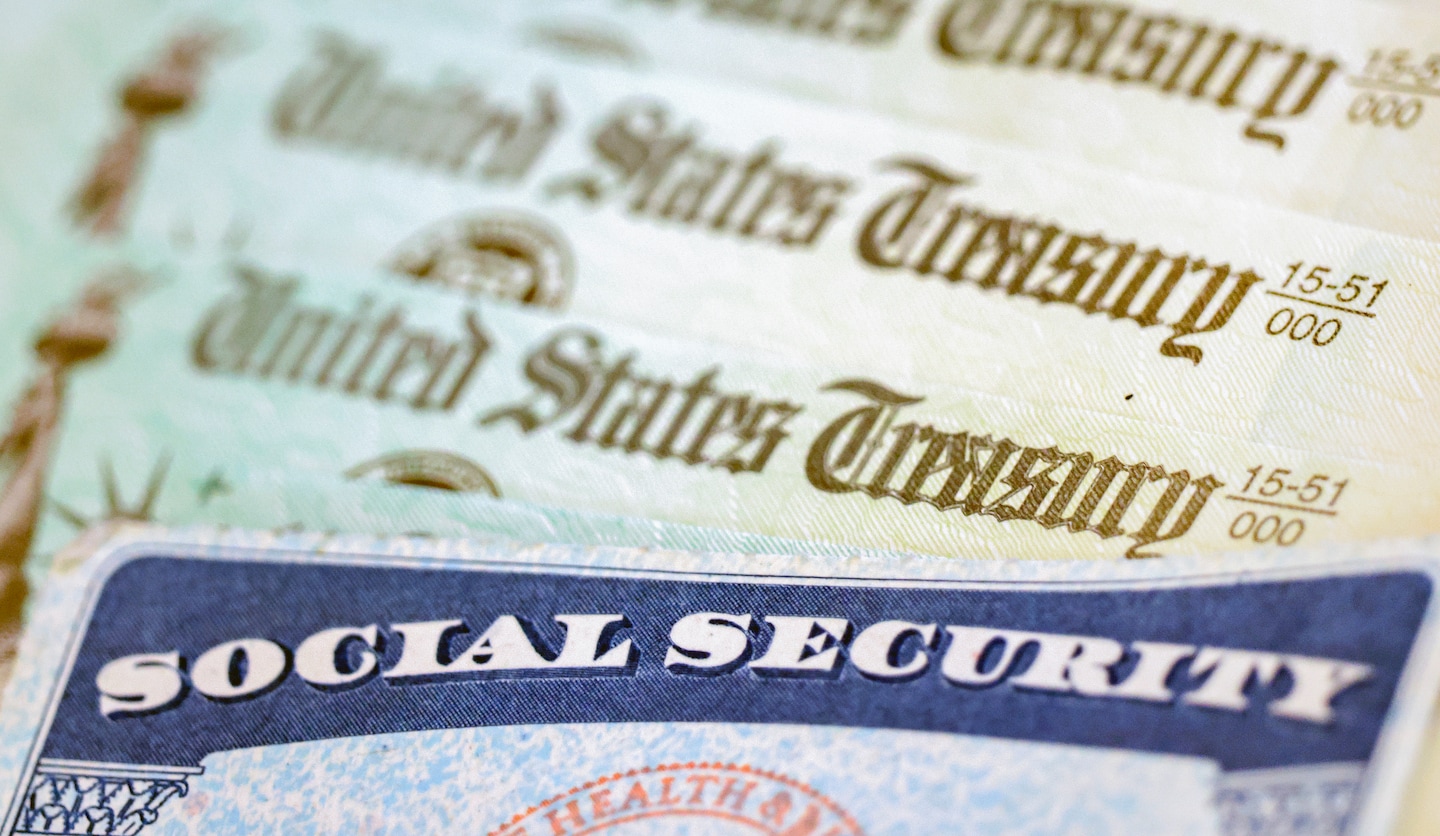
Millions of low-income older Americans who rely on Social Security for almost the entirety of their funds fear the loss of their homes and basic necessities like food and medical care if the federal government fails to pay some of its bills as soon as June 1 due to a debt ceiling impasse. Roughly 1 in 7 Americans age 65 or older depend on the federal benefits for 90% or more of their income. Even a delay in Social Security payments of a few days could put low-income older people in an agonizing position of prioritizing their little remaining spending between rent, food, and transportation to medical appointments.
If the US government defaults on its debts, Social Security recipients, particularly the oldest and poorest, will be the first to suffer. The earliest round of payments go to retirees older than 88 years, people with disabilities, and seniors with especially low incomes who are eligible for Supplemental Security Income (SSI). Even a week-long holdup could be devastating for the roughly 27 million Americans who rely on Social Security for most of their income. The blow to Social Security, which accounts for 16% of the country's annual spending, is expected to be particularly debilitating.
With only nine days left until a possible debt default, economists warn of devastating consequences, including a recession and a rise in unemployment rates. Federal benefits, such as social security, Medicare, and housing assistance, are also under threat. The devaluation of the dollar and treasury securities would affect every aspect of the economy, including retirement accounts and interest rates. Both sides of the political aisle must reach an agreement as default is not an option.