Texas Attorney General Ken Paxton filed a lawsuit to halt a guaranteed income program in Harris County, Texas, that aims to provide $500 monthly cash payments to 1,928 residents for 18 months using federal pandemic relief funds. Paxton labeled the program a "socialist experiment" and claimed it violates the Texas Constitution, prompting a legal battle between the Democratic stronghold of Harris County and the GOP-dominated state government. The program, known as Uplift Harris, has faced criticism from Republican officials as an "unbelievable waste" of taxpayer dollars, while county officials argue it is a legitimate anti-poverty initiative.

Texas Attorney General Ken Paxton sues Harris County to block a federally funded guaranteed income pilot program, Uplift Harris, which would provide $500 monthly cash payments for 18 months to 1,900 households in the county's poorest neighborhoods. Paxton argues the program is unconstitutional and an "illegal government overreach," while Harris County officials view it as a genuine effort to help people and criticize the lawsuit as an attack on the county's authority. This move comes amid broader support for guaranteed income programs in Texas and across the country.
Across the U.S., various places are conducting no-strings-attached cash aid pilots as part of the social safety net, with over 150 basic income programs in progress. Advocates argue that this approach helps people manage rising costs and invest in their families, while opponents express concerns about potential impacts on work. The pandemic has spurred interest in cash aid, but as emergency funding runs out, the future of these programs remains uncertain. Nonetheless, early results show that the extra income not only improves financial stability but also enhances psychological well-being for recipients.
California has launched state-funded guaranteed income pilot programs in Ventura and San Francisco counties, providing $1,000-$1,200 per month to 150 former foster youth. The programs aim to disrupt poverty, advance equity, and support recipients' basic needs. The pilots will track the impacts on health, well-being, financial stress, employment, and education. Previous guaranteed income projects, such as the Stockton program, have shown positive outcomes, including increased financial stability and improved mental and physical health. The initiative aims to break the cycle of poverty and provide opportunities for young adults transitioning out of foster care.
An annuity can make sense for a single 67-year-old with no heirs, as it provides guaranteed income for life. Immediate annuities, which offer a lump sum in exchange for a series of payments, are a good choice for those who value security and are comfortable with making an irrevocable decision. However, most financial advisers do not recommend annuities due to high costs and deferred taxation issues associated with deferred annuities. It's important to understand that the payout rate of an annuity is not the same as a return on investment, and annuities do not adjust for inflation or leave money for beneficiaries after death. Ultimately, the decision to purchase an annuity depends on individual circumstances and preferences.
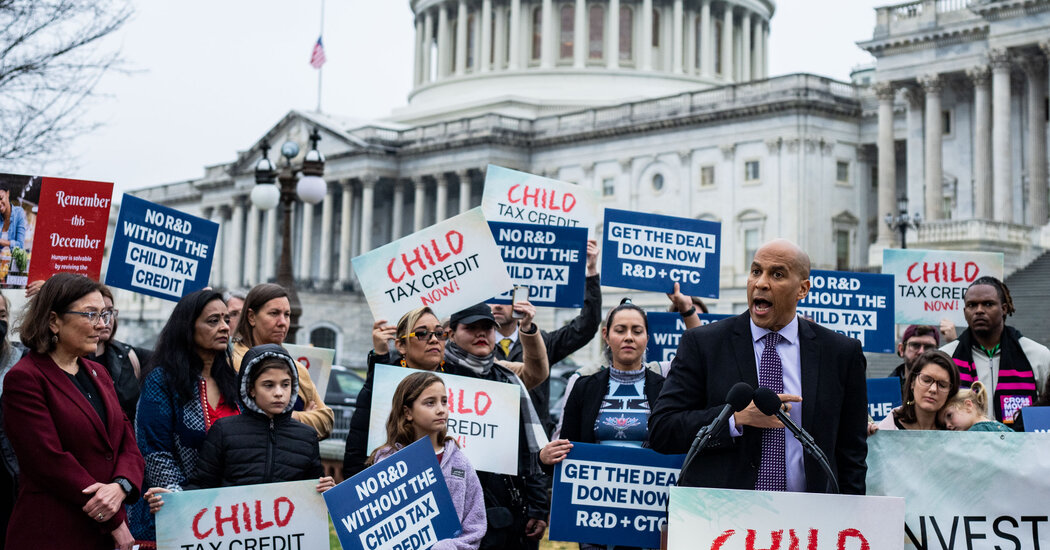
While the federal government's expanded child tax credit program ended last year, a growing number of states are adopting similar programs, often with bipartisan support. Colorado recently became the ninth state to guarantee some form of cash income to its poorest parents, with a law that will provide parents making less than $35,000 per year with up to $1,200 annually for each child under 6. Supporters of the programs say they will create an important precedent and test the theory that government can expand cash support to families without discouraging parents from working outside the home, a longtime political and economic concern.
A recent survey by Allianz Life revealed that 74% of Americans no longer consider Social Security a reliable source of income in retirement, and 88% believe it is critical to have another source of guaranteed income beyond these benefits to have a comfortable retirement. The survey also found that inflation and rising costs are causing concern for Americans, with 78% citing this as a concern, and 66% worried that it will be too late to have a comfortable retirement if they don't increase their retirement savings soon. Gen Xers were found to be the most worried about their long-term financial stability and retirement.
The Philadelphia Department of Public Health has launched a program called Philly Joy Bank, which aims to provide $1,000 monthly cash payments to 250 pregnant residents in the Cobbs Creek, Strawberry Mansion, or Nicetown-Tioga neighborhoods. The program, which is part of a guaranteed income pilot, hopes to improve birth outcomes and reduce racial disparities in infant mortality rates. The payments will extend over a total of 18 months, including a year postpartum, and participants will also receive financial counseling, home visiting, lactation support, and doulas. The department hopes to eventually reach a fundraising goal of $6 million.