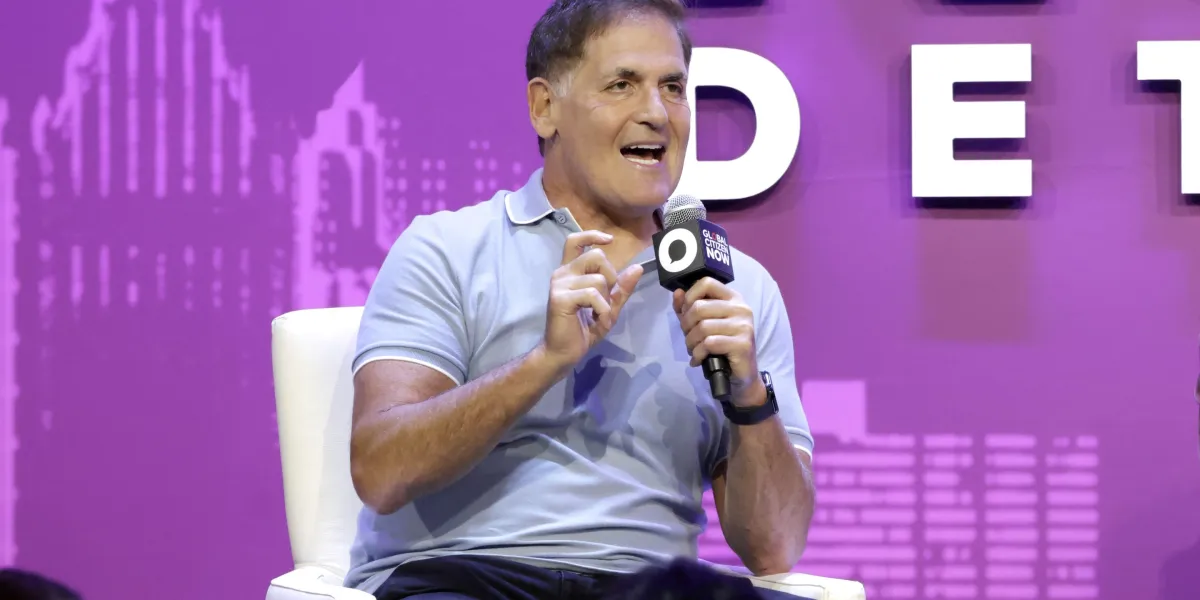
Mark Cuban proposed a hypothetical scenario where healthcare costs only $10 a year with doctors earning double their current pay to spark debate on whether people would support universal healthcare if financial and incentive issues were addressed, highlighting systemic inefficiencies and the need for reform.
Mark Cuban proposed a hypothetical scenario where healthcare costs are drastically reduced to $10 a year with doubled doctor salaries to spark debate on whether cost and compensation are the main barriers to universal healthcare, prompting mixed reactions about the feasibility and implications of such a system.
Mark Cuban prefers email over phone calls for communication because it allows for more thoughtful responses and easier reference, highlighting a broader trend of younger generations experiencing telephobia and favoring digital communication methods over traditional calls.
Mark Cuban suggests that the Trump administration may have indirectly implemented a form of universal basic income through tax-advantaged health savings account (HSA) contributions, which provide eligible individuals with roughly $200 per month in accessible funds, sparking debate about whether this constitutes a hidden UBI. Critics argue the structure benefits the more comfortable and has limitations, while Cuban sees it as a soft safety net for lower-income Americans.
Billionaire Mark Cuban advocates for naming and shaming large employers like Walmart, McDonald's, and Amazon that pay low wages causing their full-time workers to rely on Medicaid, arguing that taxpayers are subsidizing corporate profits and emphasizing accountability over policy reform.
A new report reveals that former Mavericks owner Mark Cuban influenced the firing of GM Nico Harrison, amid frustrations over team decisions and management disagreements, especially related to the Luka Dončić trade and team direction.
Indiana University alum Mark Cuban donated $250,000 to the student newspaper, the Indiana Daily Student, months before the university ordered a cease to print production citing financial challenges, sparking concerns over censorship and the newspaper's future.
Mark Cuban expressed his disapproval of Indiana University's decision to cease print publication of the Indiana Daily Student and to fire its adviser, criticizing it as censorship and emphasizing his support for the importance of the student newspaper.
Mark Cuban criticizes OpenAI's plan to introduce adult content to ChatGPT, warning it could backfire by undermining trust and potentially harming young users, as the company aims to treat adult users as responsible adults. Cuban expresses concerns about the effectiveness of age gating and the risks of AI-induced unhealthy habits among children, highlighting ongoing debates about AI safety and content regulation.
Mark Cuban comments on President Trump's new drug platform, TrumpRx.gov, which aims to sell discounted prescription drugs directly to consumers. Cuban sees potential if it can challenge existing pharmacy benefit managers (PBMs), though current market reactions suggest skepticism. The platform partners with Pfizer and could influence drug pricing, but experts doubt it will significantly lower costs for most Americans due to systemic issues with PBMs and insurance-based purchasing.
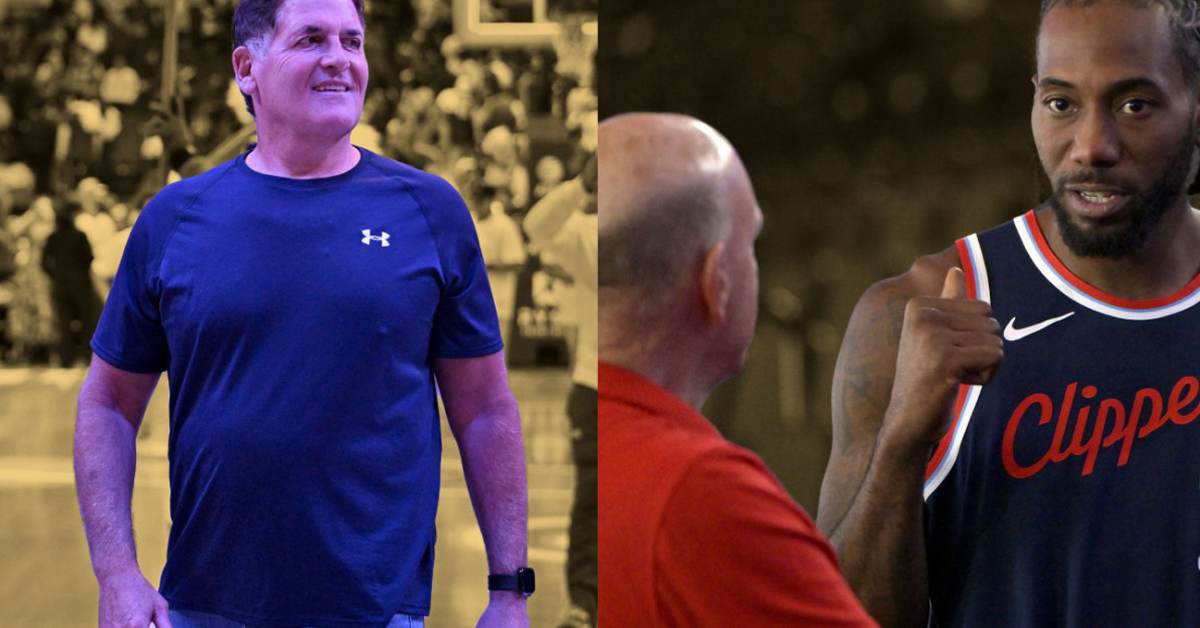
Mark Cuban warns that if the allegations against the LA Clippers regarding Kawhi Leonard's endorsement contract are proven true, the team could face severe penalties similar to the Timberwolves' 2000 punishment, potentially ending the Clippers' leadership if found guilty. Cuban supports Steve Ballmer amidst the controversy, though he acknowledges the investigation's outcome remains uncertain.
Former NBA owner Mark Cuban publicly supports LA Clippers owner Steve Ballmer amid allegations that the team circumvented the salary cap through a controversial deal with Kawhi Leonard and Aspiration, a bankrupt startup. Cuban dismisses the accusations, suggesting the Clippers were scammed and defending Ballmer's integrity, while the NBA investigates the matter.
Billionaire Mark Cuban prefers managing around 700 emails daily over meetings, using organized strategies like AI auto-replies and folder systems to stay efficient, and aims to keep his inbox under 20 messages while rarely disconnecting from email.
Mark Cuban spends most of his day reading and responding to around 700 emails, preferring email for its flexibility, searchability, and asynchronous nature over meetings or other communication channels. He manages his inbox with folders, aims to keep unread emails under 20, and has never hired help for email management, emphasizing that email is central to his productivity and communication style.
Mark Cuban predicts AI will become a baseline skill for entrepreneurs within five years, essential for efficiency and competitiveness. He highlights AI's role in empowering small businesses through platforms like ZenBusiness's Velo, which automates operations and acts as a versatile team member. Cuban emphasizes that AI is a tool for leverage and success, not a replacement, urging entrepreneurs to embrace it to stay ahead in the evolving business landscape.