Looming federal budget cuts threaten to worsen Alaska's opioid crisis by reducing funding for law enforcement and public health programs like HIDTA, which are crucial for combating drug trafficking and overdose deaths, especially in remote areas. Proposed Medicaid reductions could also limit access to addiction treatment, further exacerbating the crisis. Local officials and advocates are urging Congress to preserve funding to prevent a devastating impact on Alaska's efforts to fight overdose fatalities.

A new report highlights that family health insurance premiums through employers have risen 6% in 2025 to nearly $27,000 annually, with costs increasing faster than wages and inflation, amid ongoing political and economic challenges affecting healthcare affordability for millions.
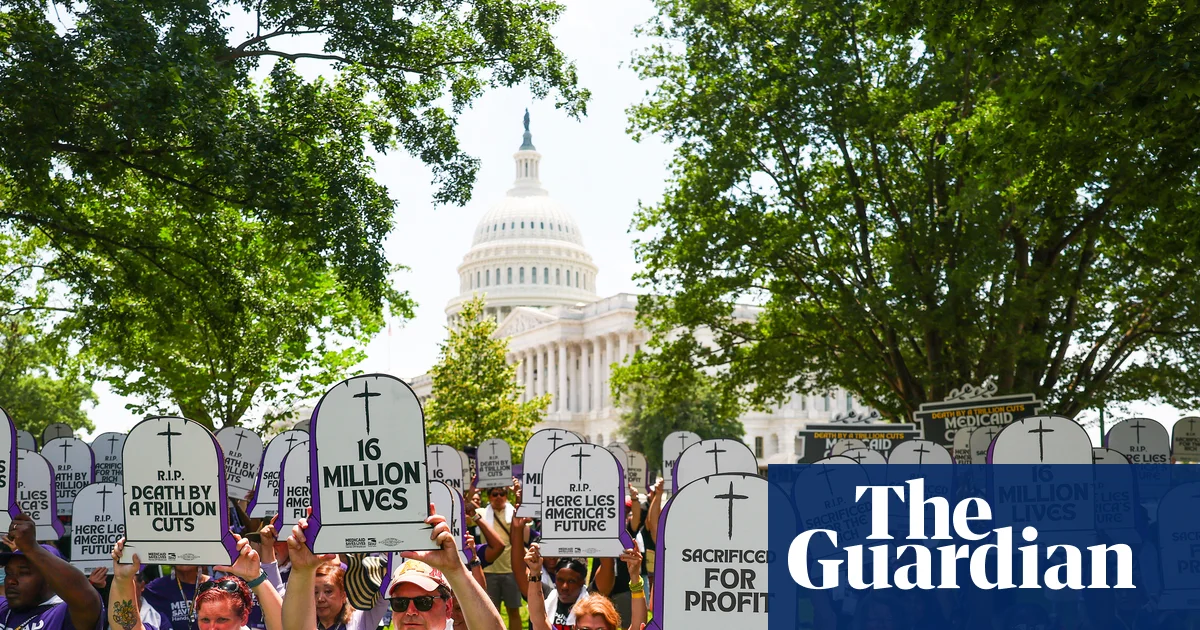
Major US labor unions are organizing nationwide protests called 'No Kings' to oppose policies they see as unjust, including Medicaid cuts and immigration raids, emphasizing the importance of a voice in democracy and labor rights, with historical parallels to civil rights struggles.
Psychiatrists and mental health organizations are calling for the removal of Robert F. Kennedy Jr. as U.S. Health Secretary, criticizing his leadership for increasing stigma, reducing access to mental health and addiction services, and misrepresenting data on psychiatric medications, amid concerns over cuts to mental health funding and agencies.
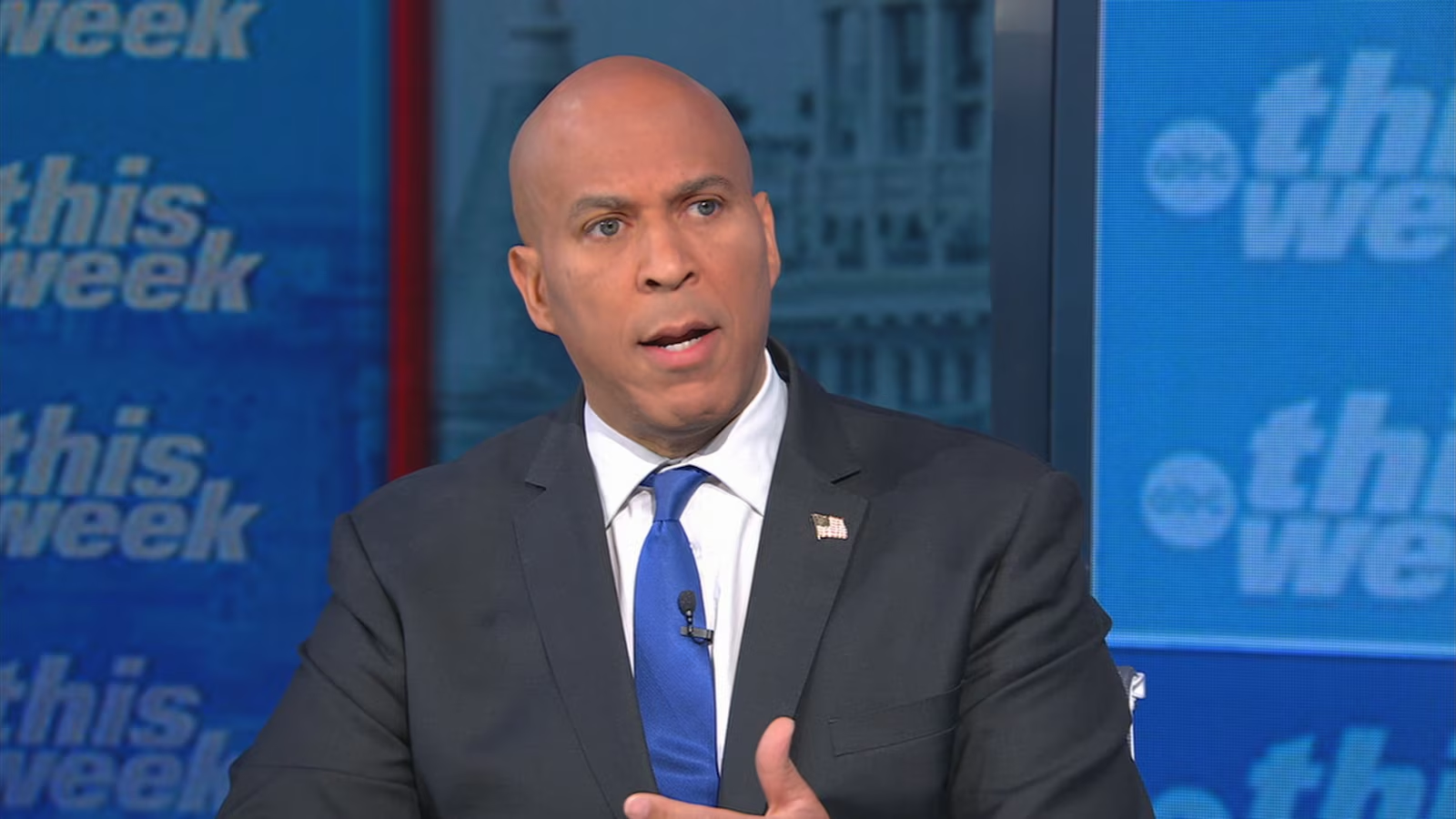
Senator Cory Booker criticizes the ongoing government shutdown, blaming it on Donald Trump's policies and emphasizing the resulting healthcare crisis, including threats to Medicaid and Obamacare, which endangers Americans' health and finances.
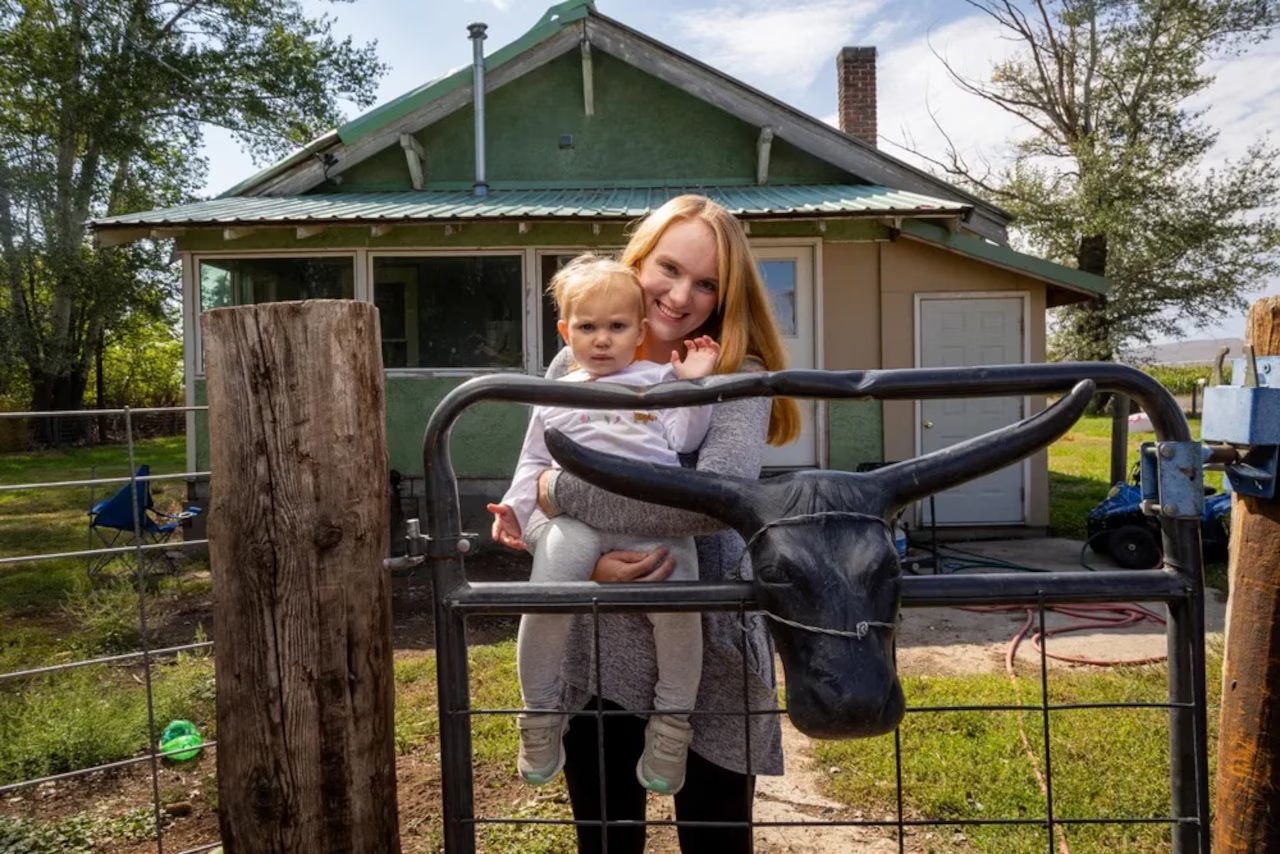
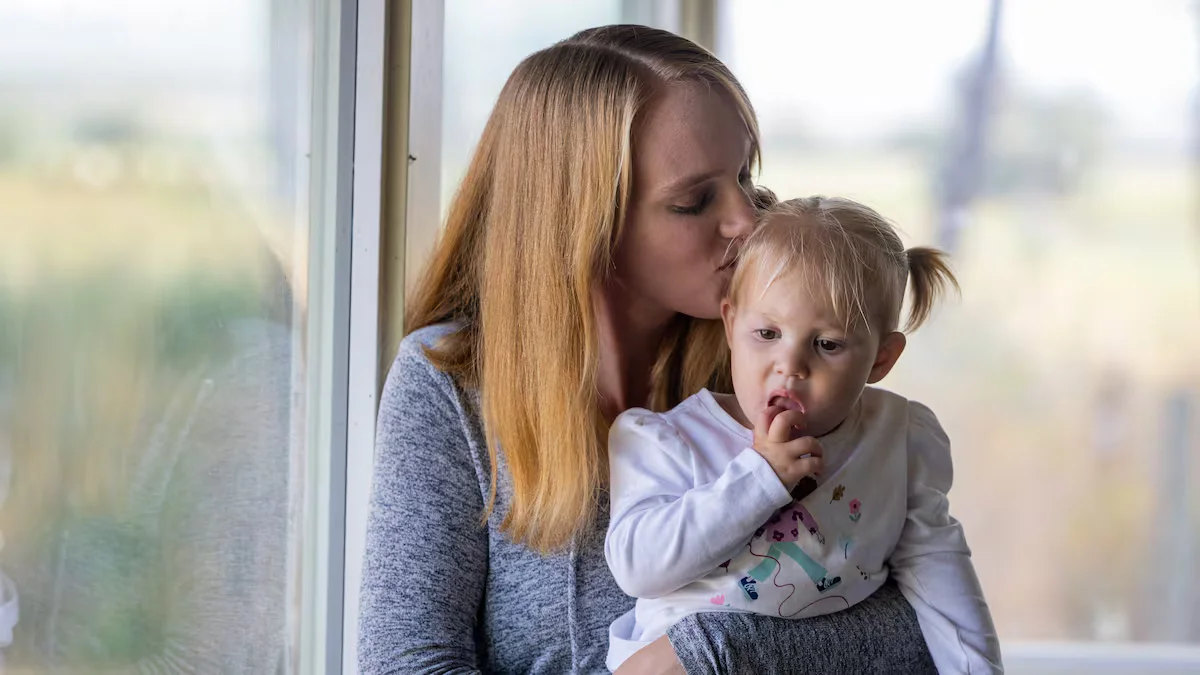
The closure of a maternity ward in Baker City, Oregon, highlights the broader threat to rural healthcare services due to financial struggles, staffing shortages, and potential Medicaid cuts, risking increased maternal and infant mortality and forcing families to travel long distances for care.
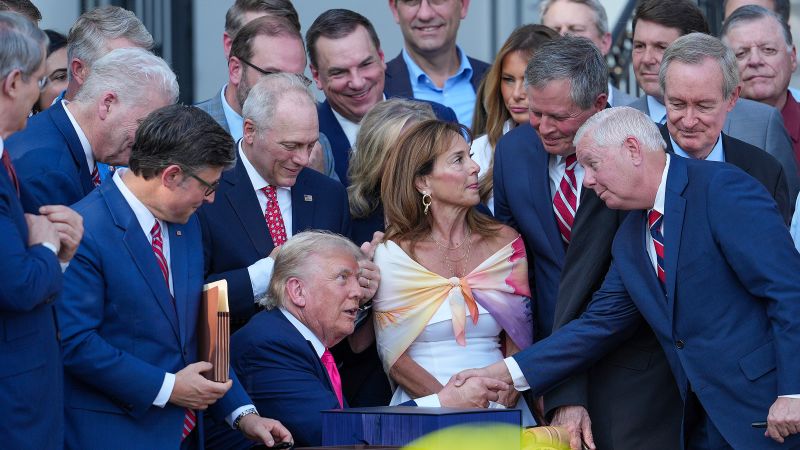
The article discusses the closure of rural health clinics in Virginia attributed to the effects of the legislation signed by President Trump, which significantly cuts Medicaid funding and introduces work requirements, disproportionately impacting rural communities. Politicians from both parties are responding to these closures, with Democrats criticizing the bill's impact on healthcare access and Republicans highlighting a new rural health fund as a solution. The closures exemplify the broader political and healthcare challenges faced by rural America amid ongoing legislative changes.
The closure of Baker City's maternity ward due to financial and staffing issues, compounded by looming Medicaid cuts from federal policy, has led to increased travel for childbirth, risking higher maternal and infant mortality rates and highlighting the fragile state of rural healthcare services in Oregon.
The article discusses the allocation of $50 billion aimed at transforming rural healthcare, highlighting concerns about the potential for misuse due to vague criteria and the significant financial losses rural hospitals face from Medicaid reductions, which could undermine the intended benefits of the funding.
Trump aides are planning a major marketing effort to rebrand and clarify the messaging around a large legislative bill, focusing on highlighting its benefits for working families and countering Democratic attacks, with the aim of improving Republican image ahead of the midterm elections.
The article discusses the potential consequences of recent Medicaid cuts, highlighting how reduced coverage could increase financial strain on hospitals, clinics, and patients, ultimately leading to higher uncompensated care costs, medical debt, and negative health and economic outcomes for society.
The article discusses the political implications of Donald Trump's recent sweeping bill, which includes tax cuts, healthcare reforms, and immigration enforcement, highlighting the contrasting reactions from Democrats and Republicans as they campaign for the upcoming elections, with Democrats criticizing the bill's impact on healthcare and safety net programs, and Republicans emphasizing its benefits for working-class Americans.
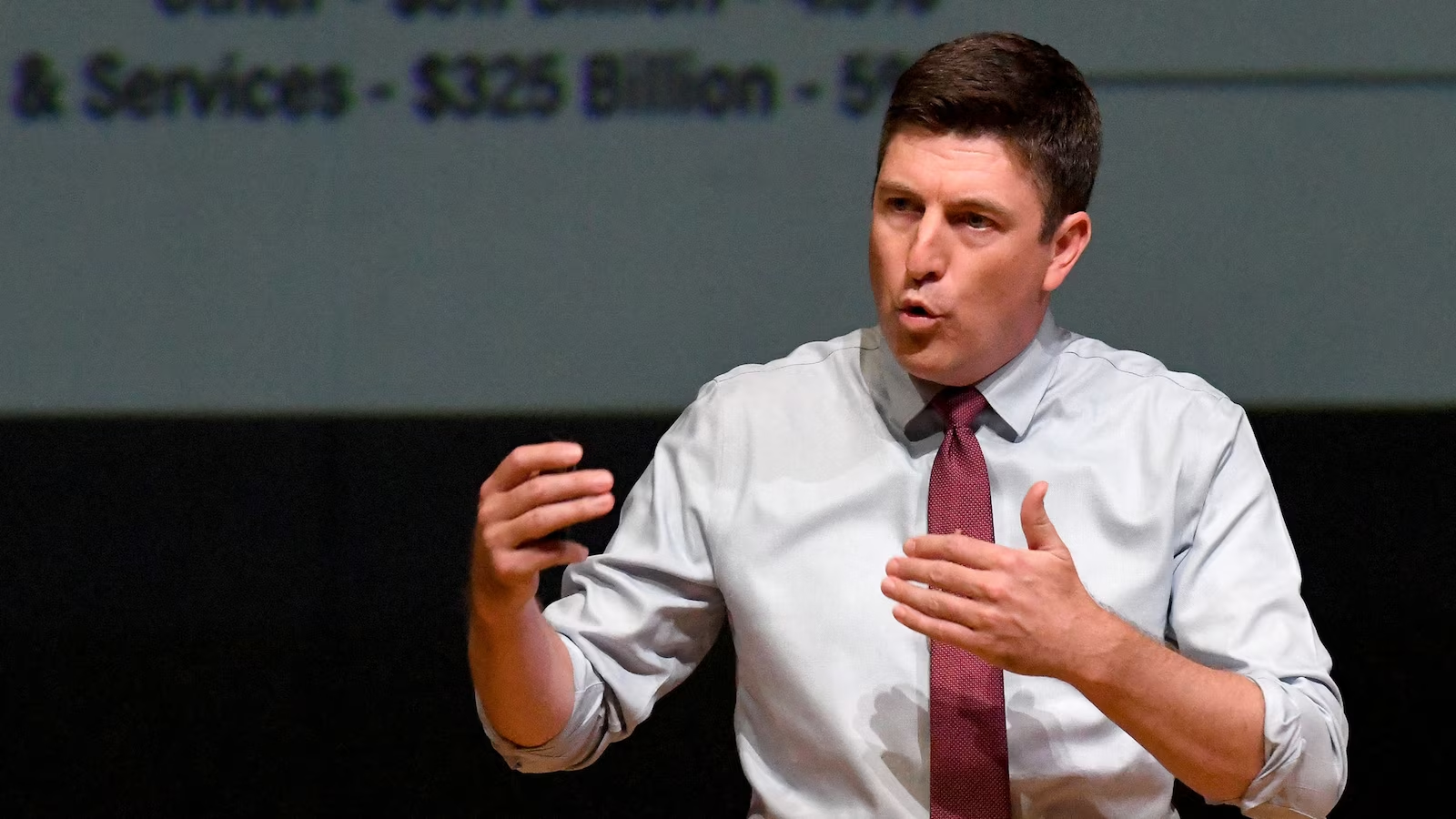
During a heated town hall in Wisconsin, Rep. Bryan Steil was booed for supporting Trump's trade policies and faced criticism over Medicaid cuts, reflecting widespread constituent dissatisfaction with these issues.
The article discusses how immigration enforcement and funding cuts are severely impacting healthcare access for undocumented immigrants in California, leading to increased fear, canceled appointments, and financial strain on clinics, with state and federal budget cuts threatening to worsen the situation.
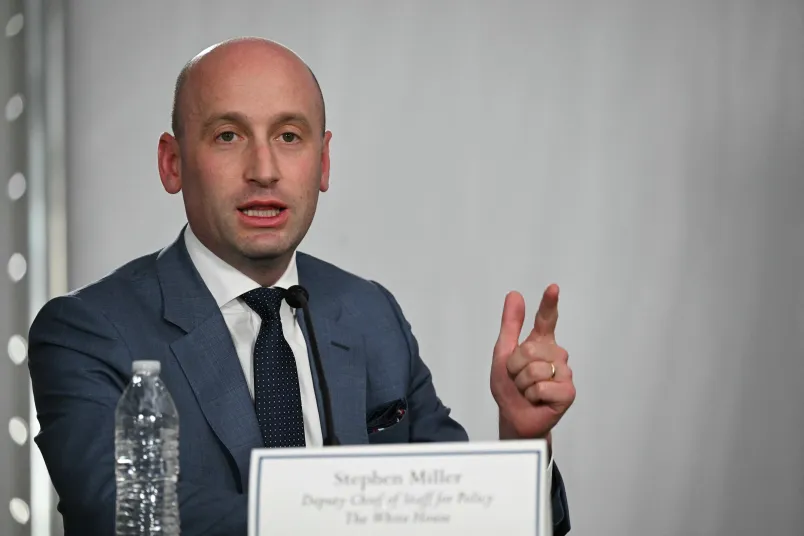
The article discusses various political and legal issues, including the rarity and nuances of third country deportations, procedural challenges in Senate nominations, limited effectiveness of bar complaints against lawyers, influence of Stephen Miller in the White House, and the impact of Medicaid funding cuts on families with disabled children, emphasizing the importance of ongoing political engagement and institutional preservation.