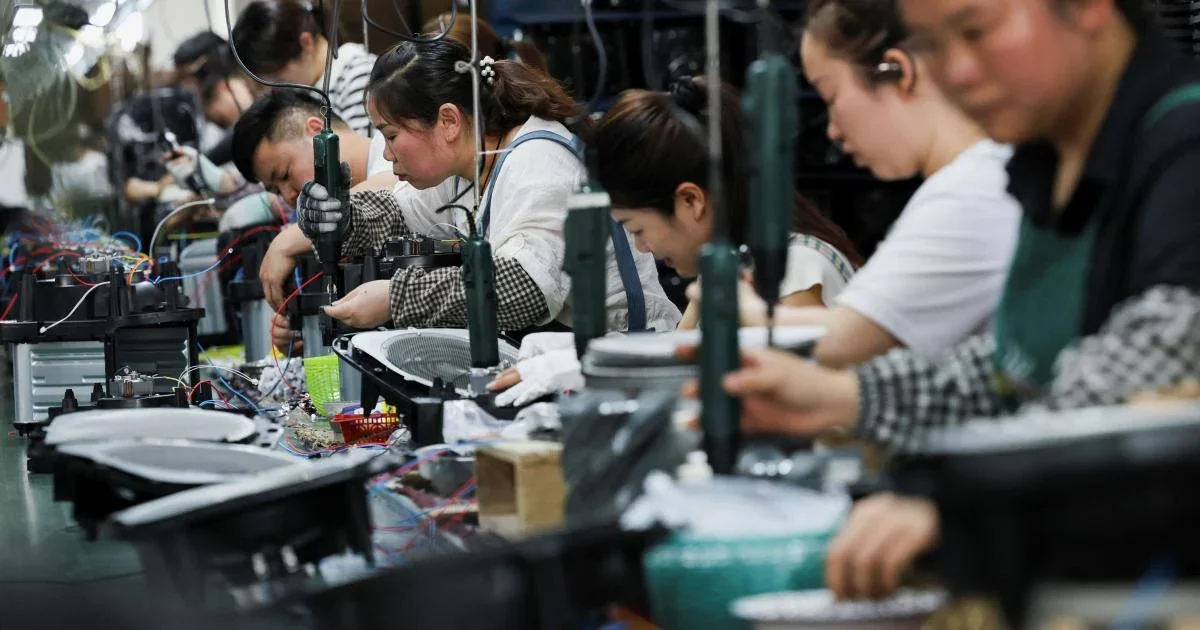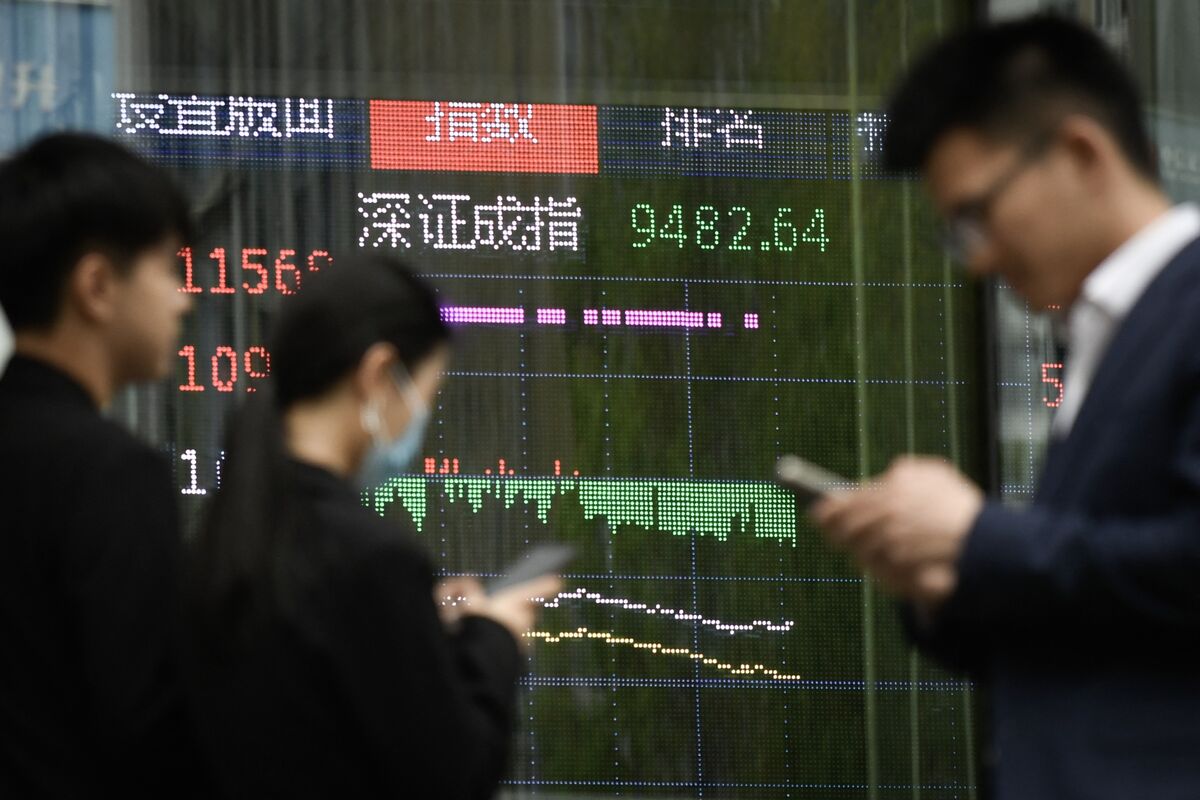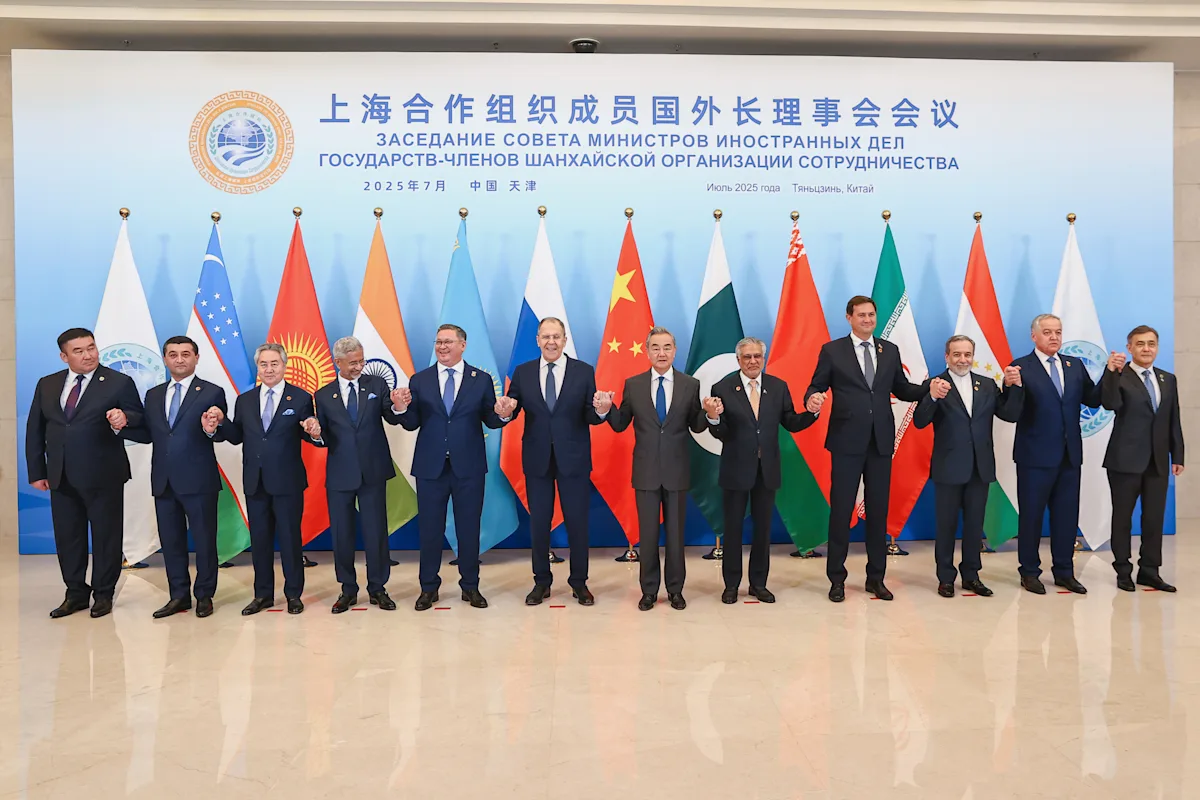
The global economy is expected to grow steadily by 2.8% in 2026, with strong early-year growth driven by various factors, despite labor market weaknesses and China's high current account surplus. The euro area will see modest growth, inflation is forecasted to moderate, and central banks are likely to cut rates in several developed countries.
U.S. stock futures are higher amid hopes for easing trade tensions between the U.S. and China. Apple’s iPhone 17 outperformed its predecessor by 14% in the first 10 days, driven by strong sales in China and the U.S. The luxury brands Kering and L’Oreal announced a 4-billion euro deal, with L’Oreal acquiring parts of Kering’s beauty business. China’s economy grew 4.8% in Q3, the slowest in a year, while gold prices steadied near recent highs as markets responded to trade optimism.
Global stocks continued their rally driven by AI-related optimism, with Asian markets led by tech firms and US benchmarks reaching new highs, while investors focus on earnings amid geopolitical developments and economic data. Gold retreated slightly from record highs, and currency markets saw the dollar and yen fluctuate amid speculation of intervention. China’s reopening after Golden Week showed cautious consumer spending, contrasting with enthusiasm for AI tech stocks. Major geopolitical news includes a potential breakthrough in Israel-Hamas negotiations and US export approvals for Nvidia chips, amidst ongoing tensions over rare earths.
Gold reached a new high amid US government shutdown fears, while Treasuries held gains. Asian markets rose, Chinese stocks had their best monthly gains in years, and concerns about economic data delays persisted. The US faces a potential shutdown, impacting market sentiment and economic outlooks.
Chinese households, holding $23 trillion in savings, are increasingly turning to equities due to unattractive returns in other asset classes like bonds, property, and wealth management products, with analysts predicting significant future inflows into stocks as alternatives remain unappealing.
US stock futures declined after Nvidia's sales outlook missed expectations, raising concerns about slowing AI investment growth, while Chinese companies like Meituan faced losses amid fierce competition. Global markets showed mixed signals with declines in tech and Chinese stocks, a slight drop in the dollar, and bond yields fluctuating, reflecting cautious investor sentiment amid geopolitical and economic uncertainties.
US companies in China are reporting record-low new investment plans and declining confidence due to geopolitical tensions, trade war uncertainties, China's slowing economy, and US export controls, leading to increased risks and reduced profitability for American businesses in China.
Stock markets rose amid Nvidia's chip sales restart to China and anticipation of US inflation data, with cautious optimism due to ongoing trade tensions and mixed economic signals from China, while investors await key earnings reports and inflation figures to gauge future economic impact.
Asian stocks mostly rose following Wall Street's gains, driven by strong tech earnings and optimism over US-Europe trade relations, with focus on Nvidia's upcoming earnings and its impact on AI demand, while Chinese markets showed mixed signals amid deflation concerns and weak consumer spending.
Asian stocks fell sharply, with Chinese shares particularly hit after the Central Economic Work Conference (CEWC) failed to announce significant new economic stimulus measures. Investors were disappointed by the lack of aggressive policies to counteract China's deflationary pressures. Meanwhile, global markets are cautious ahead of the Federal Reserve meeting, where a 25 basis point rate cut is expected. Japan's and other Asian markets also saw declines, while South Korea's index rose slightly amid political tensions.
Alibaba's shares rose 3% in premarket trading after the company reported a 58% increase in net income for the September quarter, driven by equity investments and operational income, despite missing sales forecasts. Revenue grew 5% year-on-year to 236.5 billion yuan, slightly below expectations. The company's cloud business saw a 7% increase in sales, with significant growth in AI-related products. Alibaba's performance is closely tied to China's economic conditions, with recent government stimulus measures potentially boosting consumer spending.
Asian markets showed mixed results as investors reacted to economic data from China and Japan, alongside comments from U.S. Federal Reserve Chair Jerome Powell indicating no rush to cut interest rates. China's retail sales exceeded expectations, but industrial production and investment data fell short, while Japan's GDP grew 0.3% year-on-year, ending two quarters of decline. The Hang Seng index rose, but the CSI 300 fell, and Japan's Nikkei 225 increased following the GDP announcement. Meanwhile, U.S. markets declined, with the Dow, S&P 500, and Nasdaq all falling.
Asian equities rose as positive economic indicators from China, including the highest retail sales growth in eight months and a slower decline in property prices, boosted markets in Hong Kong and Australia. Japanese stocks also gained due to a weaker yen, while US stock futures saw a slight decline.
Oil prices fell as the U.S. dollar strengthened following Donald Trump's election victory, which is expected to lead to higher interest rates and potential tariffs affecting China's economy. This has raised concerns about weakened oil demand from China, the world's largest crude importer. The dollar's rise makes oil more expensive for other currency holders. Analysts suggest Trump's policies could pressure oil demand but also potentially reduce supply by renewing sanctions on Iran and Venezuela. Additionally, U.S. crude inventories rose more than expected, further impacting prices.
US stock futures rose slightly as traders prepared for the presidential election between Donald Trump and Kamala Harris, with the potential for a disputed result increasing market volatility. Chinese stocks led gains in Asia, buoyed by strong service activity data and policy comments. The US dollar remained steady, with market focus also on the Federal Reserve's upcoming decision and corporate earnings reports. Analysts suggest a Trump victory might boost the dollar, while a Harris win with a split Congress could weaken it.