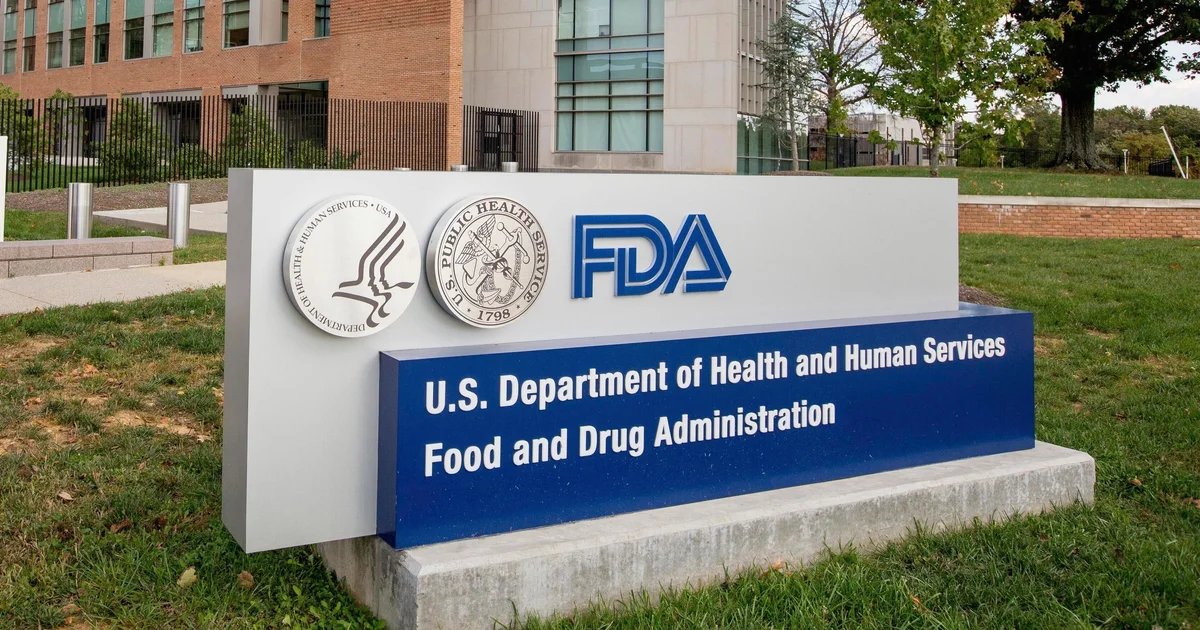
The article discusses internal conflicts within the FDA over COVID vaccine safety claims, particularly a memo by Dr. Vinay Prasad proposing major reforms to vaccine approval processes, which has alarmed former agency leaders and experts. Critics argue that Prasad's claims are misleading and could undermine public trust, slow vaccine development, and weaken the entire vaccine system, with potential long-term consequences for public health and vaccine innovation.
The article highlights systemic issues and fraud within the U.S. H-1B visa program, emphasizing its impact on American jobs, security, and economic welfare, and calls for policy reforms to prioritize American workers and enforce stricter vetting and penalties.
The collective wealth of the top 10 US billionaires increased by $698 billion in the past year, highlighting the growing wealth gap in the US, which is exacerbated by policies that favor the wealthy and dismantle social safety nets. The report from Oxfam America calls for reforms in tax policy, campaign finance, and labor protections to address inequality, emphasizing that such disparities are a result of policy choices supported by both political parties.
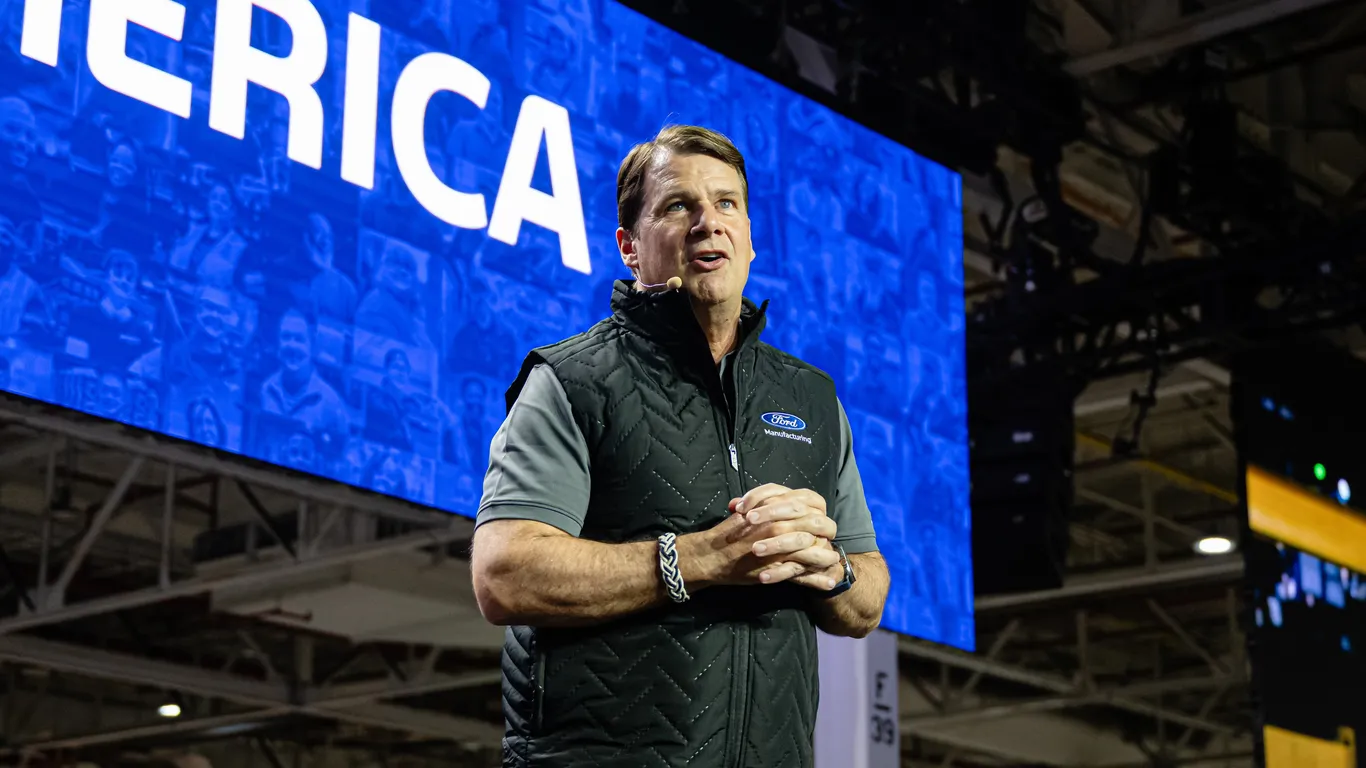
Ford CEO Jim Farley emphasizes the importance of investing in blue-collar industries like construction, maintenance, and skilled trades to support AI-driven economic growth, highlighting workforce shortages and calling for policy reforms and societal shifts to address these foundational sectors.
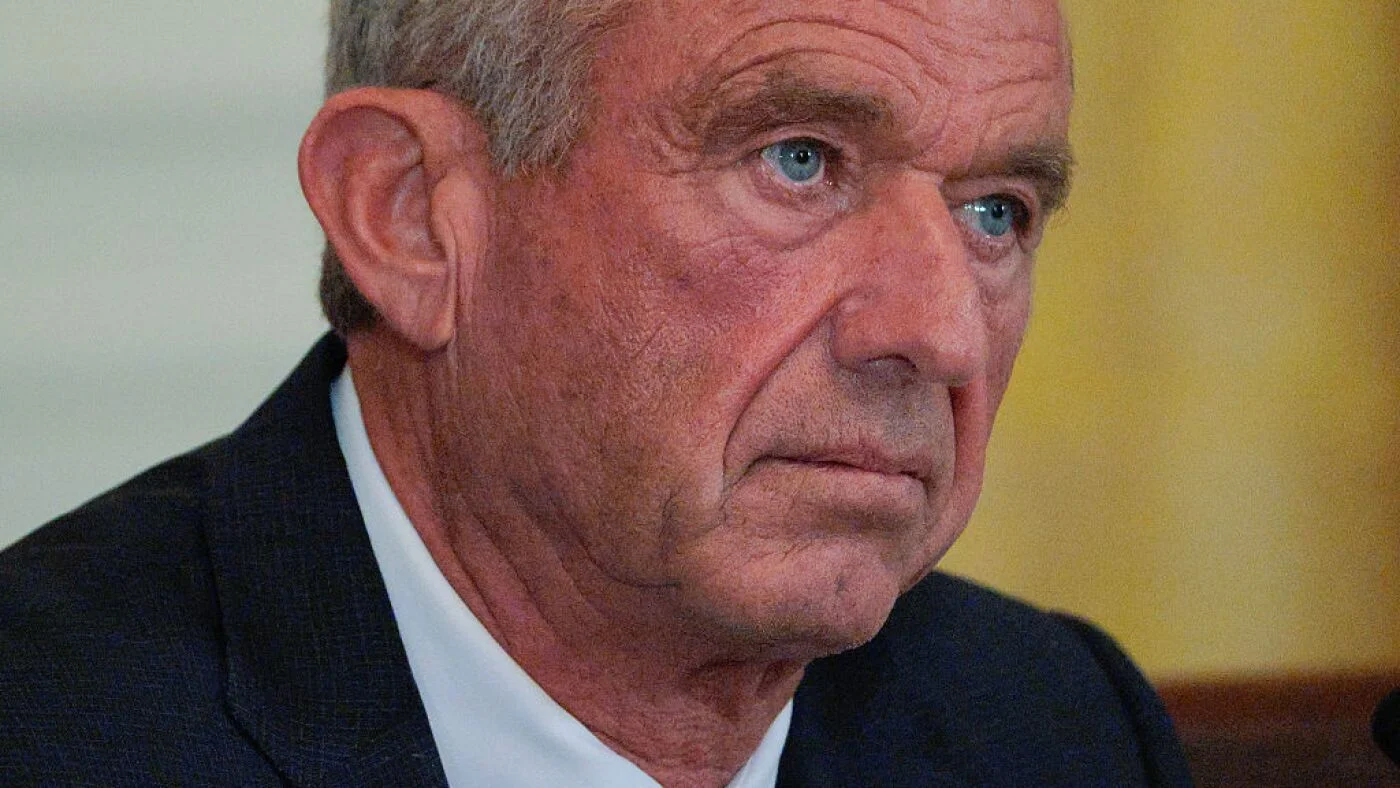
The US government, led by Health Secretary Robert F. Kennedy Jr., released a broad strategy with 128 recommendations to combat childhood chronic diseases, focusing on diet, physical activity, chemical exposure, and vaccine policies, but faces criticism for lacking concrete action plans and conflicting with other administration policies that may undermine public health efforts.
The Make America Healthy Again Commission has released a comprehensive strategy with over 120 initiatives aimed at reversing childhood chronic diseases through science-based policies, regulatory reforms, public awareness campaigns, and private sector collaboration, led by HHS Secretary Robert F. Kennedy Jr. and supported by multiple federal agencies, focusing on improving nutrition, reducing harmful chemicals, and promoting healthier lifestyles for children.
A study published in JAMA Network Open found that out-of-pocket costs for cancer patients increase by an average of $592.53 per month in the six months following diagnosis, with costs rising more for advanced stages, highlighting the need for policy changes to support patients financially.
Georgetown University faced backlash after initially denying a pregnant law student, Brittany Lovely, accommodations for her exam schedule. Following public outcry and a petition, the university reversed its decision, allowing Lovely to take her exam early or defer it. However, Lovely and fellow students argue that Georgetown's policies on accommodations remain inadequate and call for broader reforms to ensure fair treatment for all students needing academic adjustments. The incident highlights ongoing concerns about the university's approach to disability and pregnancy-related accommodations.
Marie Gluesenkamp Perez, a Democratic Congresswoman, urges her party to engage in self-reflection and reassess their strategies and policies. She believes that Democrats need to better understand and address the concerns of their constituents to remain effective and relevant in the political landscape.
The Social Security Administration is reforming its policies for recovering overpaid benefits, capping the clawback at 10% of a monthly check and extending repayment plans to 60 months. This comes after previous practices led to financial distress and homelessness for some recipients. The agency will no longer require beneficiaries to prove they aren't at fault for overpayments and will make it easier for them to request a waiver of repayment.
Leading economist Amy Finkelstein proposes a simple solution to fix America's health insurance woes: offering universal basic health care coverage. Finkelstein argues that taxpayers already bear the cost of medical treatment for the uninsured, so it makes sense to formalize and fund universal coverage upfront. The proposed system would provide automatic coverage to all Americans without raising taxes and eliminate copays and deductibles. The focus would be on essential services, with the option for individuals to purchase supplemental insurance for non-basic services. While the plan is straightforward, political will is needed for implementation. Finkelstein remains hopeful that her vision can gain momentum in the future.
Experts from Charles Darwin University (CDU) have called for a radical shift in our relationship with the environment to address the extinction crisis. A review led by CDU found negative trends in Australian biodiversity loss, driven by invasive species, disrupted land and sea management, altered fire regimes, and changed water flows. The study highlights the urgent need for increased investment, policy reform, and expanded conservation management. The researchers emphasize the inadequacies in current legislation, policy, and management and stress the importance of strategic expansion in conservation efforts. They also note the compounding effect of climate change on existing threats and new environmental stresses.
China is planning to gradually raise its retirement age to address the challenges posed by its rapidly aging population. The retirement age will be delayed initially by a few months and then increased. The reform will allow people to choose when to retire according to their circumstances and conditions. China's National Health Commission expects the number of people aged 60 and over to rise from 280 million to more than 400 million by 2035. The current pension system, which relies on a shrinking active workforce to pay the pensions of a growing number of retirees, is unsustainable and needs to be reformed.