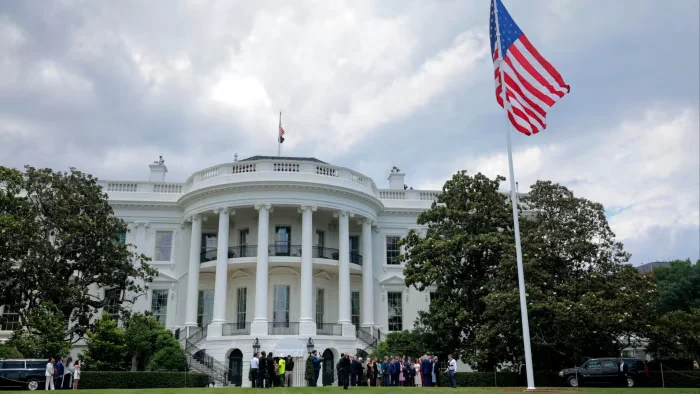
The US Conference of Catholic Bishops expressed concern over the final passage of the 'One Big Beautiful Bill Act,' criticizing its cuts to healthcare, food assistance, and programs protecting the environment, which they believe will harm the poor and vulnerable, despite some initial provisions aimed at supporting families and restricting funding for abortion and gender-transition procedures. Archbishop Broglio called for increased efforts to aid those at risk and advocated for future legislative improvements.
The article criticizes Donald Trump's support for a Republican budget bill that significantly cuts social programs like Medicaid, Obamacare, and food assistance, primarily harming low- and middle-income Americans while providing substantial tax cuts to the wealthy, contradicting his promises to support working-class citizens.
House Republicans are on track to pass a comprehensive budget bill by July 4, which includes extending Trump's 2017 tax cuts, increasing defense and immigration spending, lifting the debt limit by $5 trillion, and making significant cuts to programs like Medicaid, sparking contentious debates and opposition from Democrats.
US lawmakers are debating and preparing to vote on Trump's expansive budget bill, known as the 'Big Beautiful Bill,' which includes significant spending cuts, healthcare restrictions, and tax provisions, with the aim of passing it before July 4th despite opposition from Democrats and some Republicans.
Alaska Senator Lisa Murkowski played a crucial role in passing a major Senate budget reconciliation bill that aligns with President Trump's domestic policies, securing key concessions for Alaska and rural health care, despite concerns over the bill's cost and impact on the deficit. The bill now moves to the House, with potential for further modifications before becoming law.
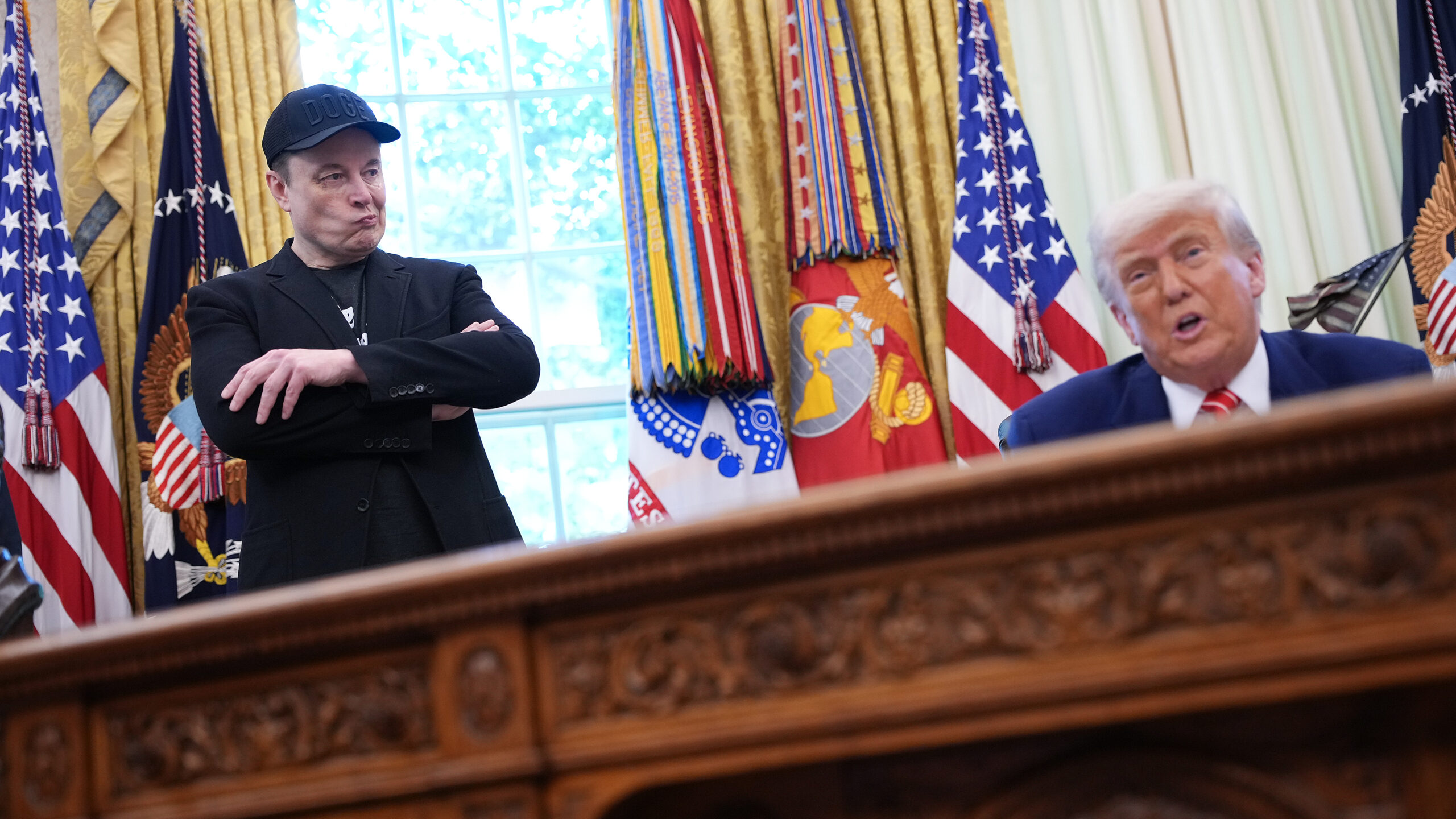
The Republican Party is pushing to eliminate the US electric vehicle tax credit faster, which could significantly increase the cost of Tesla's vehicles in the US and strain its sales, while also causing political tensions with Elon Musk.
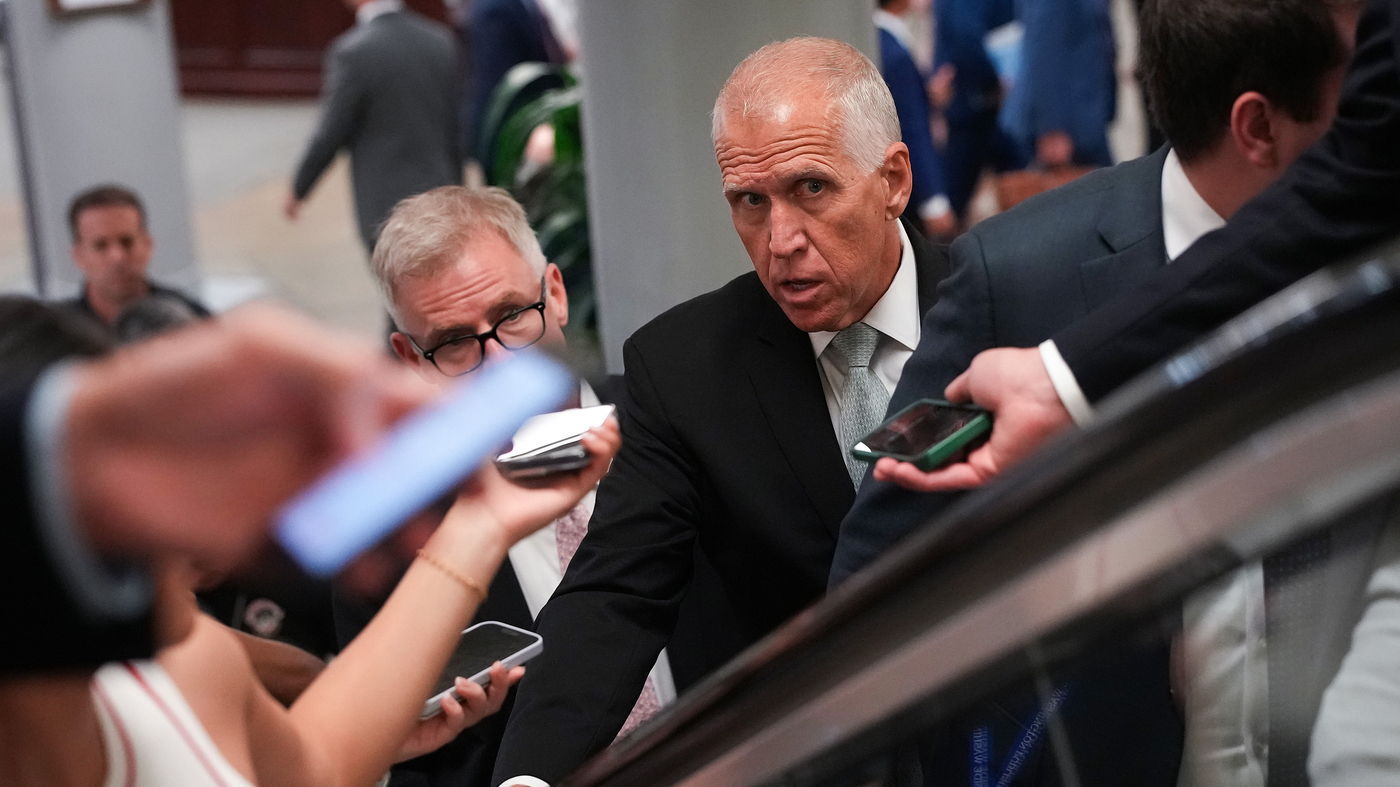
US Senate Republicans are struggling to pass a nearly 1,000-page tax and spending bill, facing opposition from four GOP senators and ongoing disagreements over spending cuts, with the bill's passage uncertain and the original July 4 deadline now unlikely.
A GOP senator criticizes a Senate budget bill for breaking President Trump's promise by proposing Medicaid cuts that could result in nearly 12 million people losing health insurance, raising concerns among Democrats and rural communities about the impact on healthcare access.
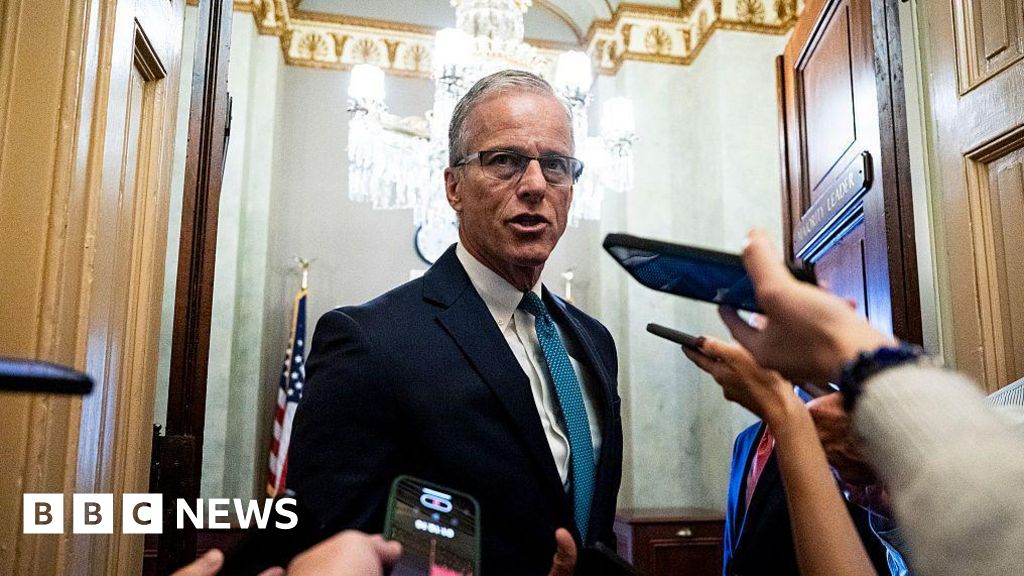
Senate Republicans are urgently working to pass the 'Big Beautiful Bill,' a comprehensive budget measure crucial for President Trump's agenda, amid internal divisions over welfare cuts and modifications to tax and healthcare policies, with a deadline of July 4th.
Donald Trump canceled a trip to focus on lobbying the Senate to pass his key tax and spending bill by July 4, facing opposition from fiscal hawks and legislative hurdles, with concerns over increased debt and healthcare funding cuts.
Proposed budget cuts in the US could threaten nearly 500,000 healthcare jobs over the next decade by reducing Medicaid funding and health insurance subsidies, which currently support a strong and steady healthcare job market that has offset stagnation in other sectors.
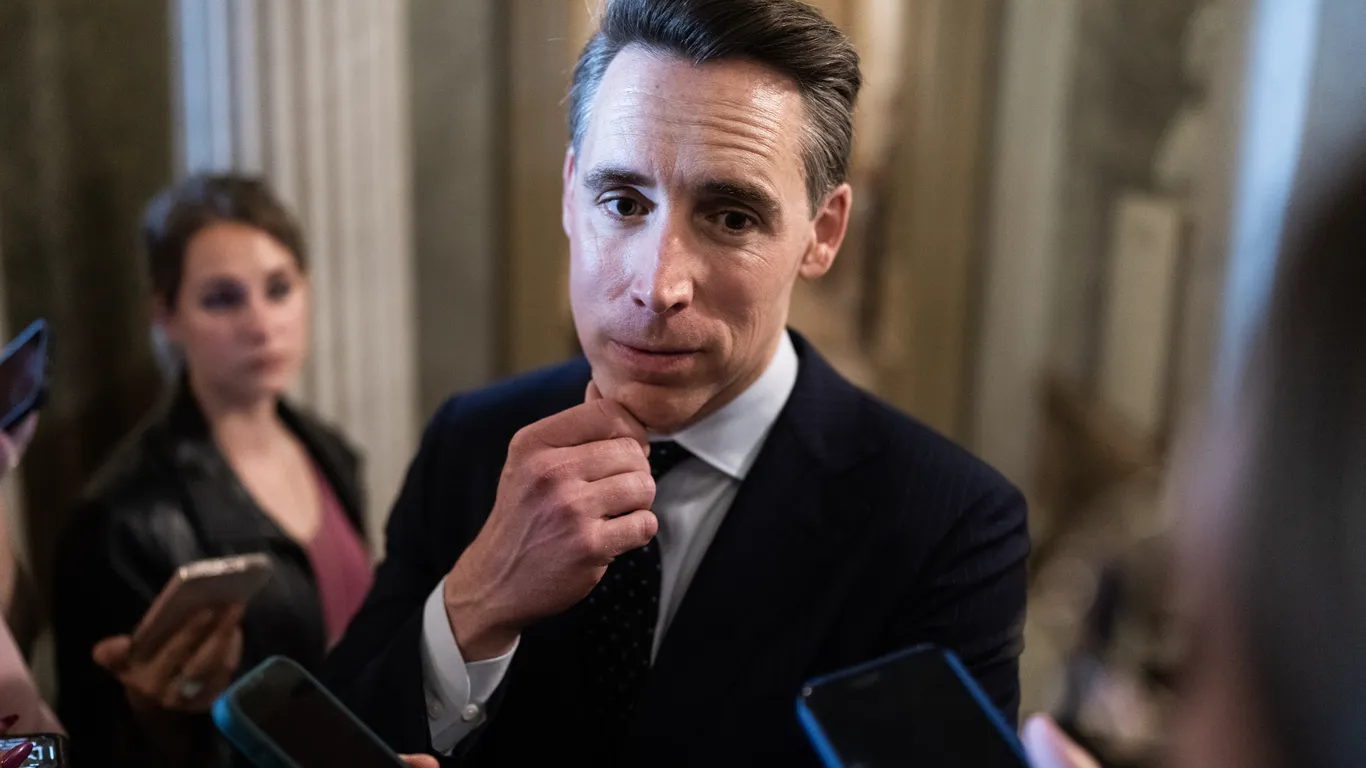
Senator Hawley warns that the Senate's version of the budget bill, especially its Medicaid provisions, may not pass the House, risking a delay in President Trump's goal to sign the bill by July 4. He advocates for modifications to align with the House framework, emphasizing concerns over Medicaid cuts and rural hospital funding. Hawley supports the Senate majority leader's efforts but insists significant changes are necessary for the bill to proceed.
A Washington Post-Ipsos poll shows that nearly twice as many Americans oppose Senate Republicans' budget bill, with concerns about its impact on the national debt and Medicaid, and mixed opinions on its provisions.
A US Senate panel proposed phasing out solar and wind energy tax credits by 2028, while extending incentives for hydropower, nuclear, and geothermal energy until 2036, sparking concerns among clean energy advocates and industry stakeholders.
Treasury Secretary Scott Bessent announced that despite cost-cutting at the IRS, tax revenues in April and May exceeded last year's figures, easing concerns about the debt ceiling and potentially delaying the need for urgent congressional action. The government’s financial outlook has improved, with the estimated X-date pushed back to late summer, and discussions ongoing about budget legislation and negotiations involving foreign countries and the debt ceiling.