Tag

Sleep Disruption

All articles tagged with #sleep disruption

Disrupted Body Clocks May Increase Dementia and Alzheimer’s Risk

Originally Published 3 days ago — by Women's Health

Featured image for Disrupted Body Clocks May Increase Dementia and Alzheimer’s Risk
Source: Women's Health

A recent study in Neurology identified two new early warning signs of dementia related to circadian rhythm disruptions and activity timing, suggesting that irregular body clocks and late-day activity peaks may be associated with higher dementia risk. Maintaining regular routines, good sleep hygiene, and a healthy lifestyle may help lower the risk, but more research is needed to understand causality.

Nighttime Light Exposure and Circadian Disruption Increase Heart Disease Risk

Originally Published 2 months ago — by Medscape

Featured image for Nighttime Light Exposure and Circadian Disruption Increase Heart Disease Risk
Source: Medscape

A large international study found that exposure to bright light at night significantly increases the risk of cardiovascular diseases in adults over 50, independent of other risk factors, suggesting that reducing night-time light exposure could be a beneficial preventive strategy.

Potential Brain Cells Linked to Schizophrenia Prevention

Originally Published 2 months ago — by Neuroscience News

Featured image for Potential Brain Cells Linked to Schizophrenia Prevention
Source: Neuroscience News

Researchers at the University of Copenhagen identified a rare brain cell type whose overactivity may contribute to schizophrenia symptoms. Reducing the activity of these cells in mice normalized sleep and behavior, suggesting a potential early intervention target before symptoms fully develop. This discovery offers hope for developing precise treatments to prevent cognitive deficits associated with schizophrenia.

AWS Outage Disrupts Smart Devices and Internet Services

Originally Published 2 months ago — by Mashable

Featured image for AWS Outage Disrupts Smart Devices and Internet Services
Source: Mashable

The AWS outage on October 21 caused widespread internet disruptions, including the failure of the WiFi-dependent Eight Sleep Pod smart bed system, leading to sleep issues for users. Eight Sleep has announced a Backup Mode to mitigate future outages, but the incident highlights the risks of relying heavily on cloud connectivity for smart home devices.

Daylight Saving Time: Impact on Health, Productivity, and Sleep Cycles

Originally Published 2 months ago — by BBC

Featured image for Daylight Saving Time: Impact on Health, Productivity, and Sleep Cycles
Source: BBC

Changing clocks for daylight saving time can negatively affect health, increasing risks of heart attacks, strokes, mood disorders, and traffic accidents, especially when clocks are moved forward in spring, due to disruption of circadian rhythms and sleep patterns. The autumn shift appears less harmful, but still has some risks. Overall, the health benefits of DST are questionable, and some experts suggest eliminating it altogether.

Mother Warns of Nighttime Phone Use After Daughter's Suicide

Originally Published 2 months ago — by Times of India

Featured image for Mother Warns of Nighttime Phone Use After Daughter's Suicide
Source: Times of India

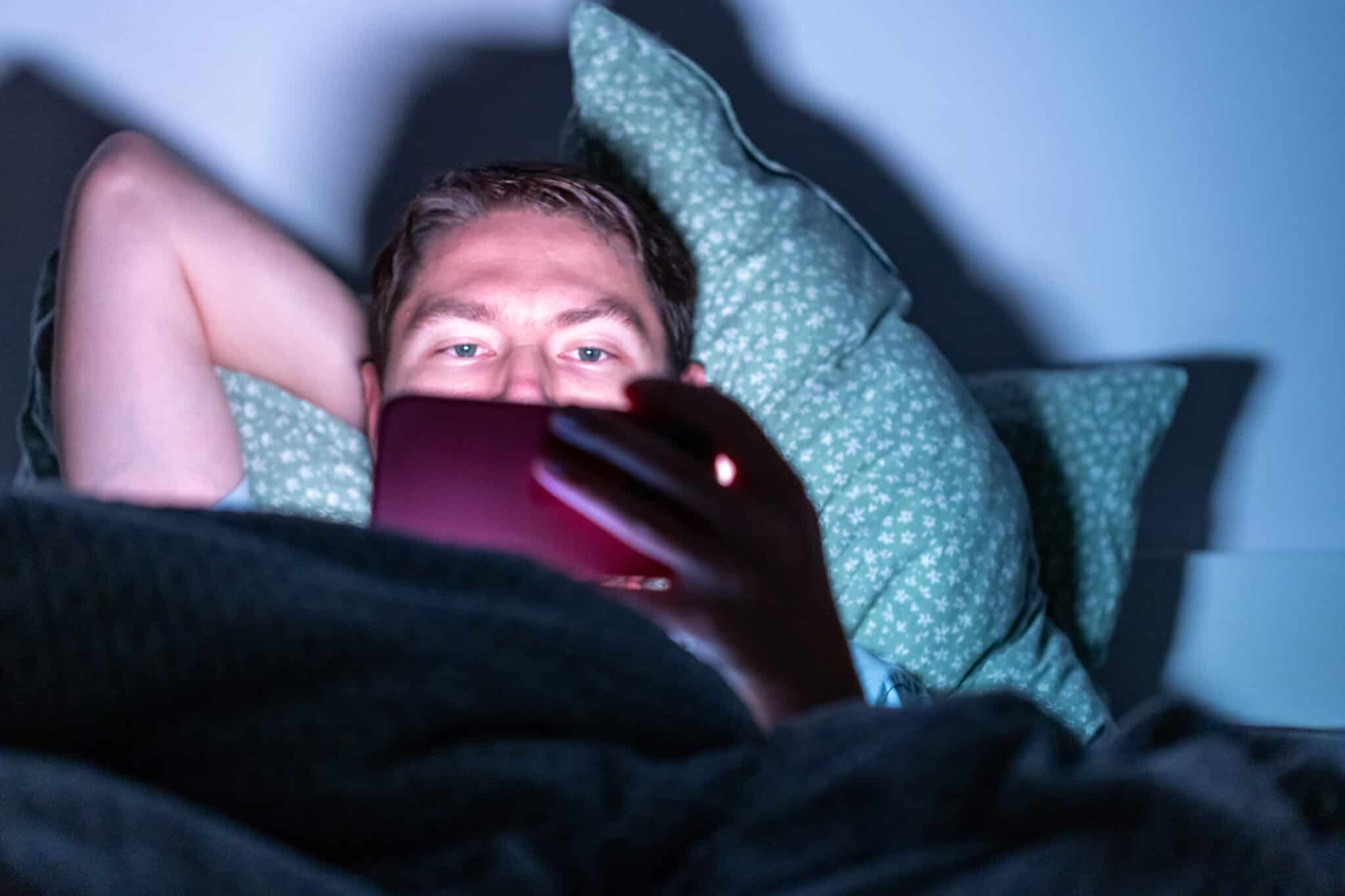
A Virginia mother is warning parents about the dangers of children using smartphones at night after her 10-year-old daughter's suicide, which she attributes to cyberbullying and sleep disruption caused by phone use. She advocates for removing phones from children's bedrooms to prevent similar tragedies and highlights the link between late-night screen time, mental health issues, and increased suicide risk among youth.

Half of Adults Disrupt Sleep with Common Evening Supplement

Originally Published 4 months ago — by Tom's Guide

Featured image for Half of Adults Disrupt Sleep with Common Evening Supplement
Source: Tom's Guide

Taking multivitamins, especially those containing B vitamins like B12 and B6, in the evening can disrupt sleep by increasing light sensitivity and causing vivid dreams or insomnia. The best time to take multivitamins is in the morning with food. For better sleep, supplements like magnesium, melatonin, and calcium are recommended in the evening, as they can promote relaxation and support healthy sleep cycles.

Extreme Heat's Impact on Brain Health and Behavior

Originally Published 5 months ago — by Ynetnews

Featured image for Extreme Heat's Impact on Brain Health and Behavior
Source: Ynetnews

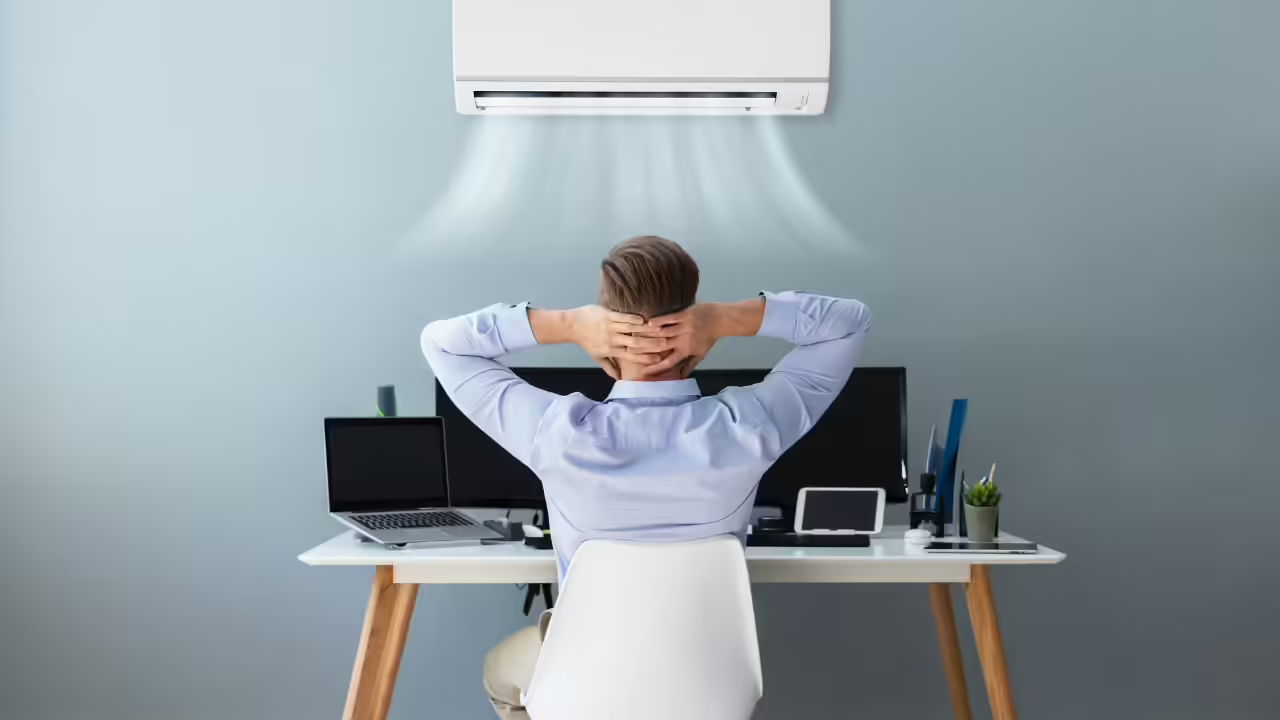
Extreme heat negatively impacts brain function, decision-making, and emotional regulation by impairing the blood-brain barrier, increasing oxidative stress, disrupting sleep, and elevating stress levels, especially affecting vulnerable groups. To mitigate these effects, experts recommend hydration, shade, air conditioning, and mental strategies like maintaining calm and self-control.

Hidden Risks of Coffee and Caffeine: What You Need to Know

Originally Published 5 months ago — by Times of India

Featured image for Hidden Risks of Coffee and Caffeine: What You Need to Know
Source: Times of India

Consuming coffee with poor habits such as late in the day, unfiltered brewing, excessive sugar, immediately after waking, or as a meal replacement can harm health by disrupting sleep, increasing cholesterol, adding empty calories, and causing nutritional deficiencies. Experts recommend timing caffeine consumption, choosing filtered brewing methods, limiting sugar, delaying coffee intake, and pairing it with balanced meals to maximize benefits and minimize risks.

The Impact of Artificial Night Light on Brain and Heart Health

Originally Published 6 months ago — by Study Finds

Featured image for The Impact of Artificial Night Light on Brain and Heart Health
Source: Study Finds

Artificial light at night disrupts circadian rhythms, affecting immune function, mood, metabolism, and sleep, especially in shift workers and hospitalized patients. Research by Dr. Randy Nelson highlights potential solutions like light management and policy changes to mitigate these effects and improve health outcomes.

Nightmares May Accelerate Aging and Increase Mortality Risk

Originally Published 6 months ago — by Gizmodo

Featured image for Nightmares May Accelerate Aging and Increase Mortality Risk
Source: Gizmodo

Research presented at the European Academy of Neurology Congress 2025 links frequent nightmares to accelerated biological aging and a higher risk of premature death, with nightmares causing stress and sleep disruption that contribute to faster cellular aging, as evidenced by shorter telomeres. Adults experiencing weekly nightmares are over three times more likely to die before 70, highlighting the importance of addressing nightmare frequency for health.

"Screen Time's Influence on Well-Being and Language Development"

Originally Published 1 year ago — by KOAT New Mexico

Featured image for "Screen Time's Influence on Well-Being and Language Development"
Source: KOAT New Mexico

Dr. Abinash Achrekar emphasizes the importance of limiting screen time for both children and adults, as excessive screen time is linked to health risks such as weight gain, heart disease, and type 2 diabetes. Disconnecting from devices can help reduce chronic stress and anxiety, while avoiding screen time before bed can improve sleep quality and overall health. Simple changes, such as using a real alarm clock and keeping devices in another room, can make a significant difference in reducing screen time and its associated health risks.