Tag

Artificial Light

All articles tagged with #artificial light

The Impact of Artificial Night Light on Brain and Heart Health

Originally Published 6 months ago — by Study Finds

Featured image for The Impact of Artificial Night Light on Brain and Heart Health
Source: Study Finds

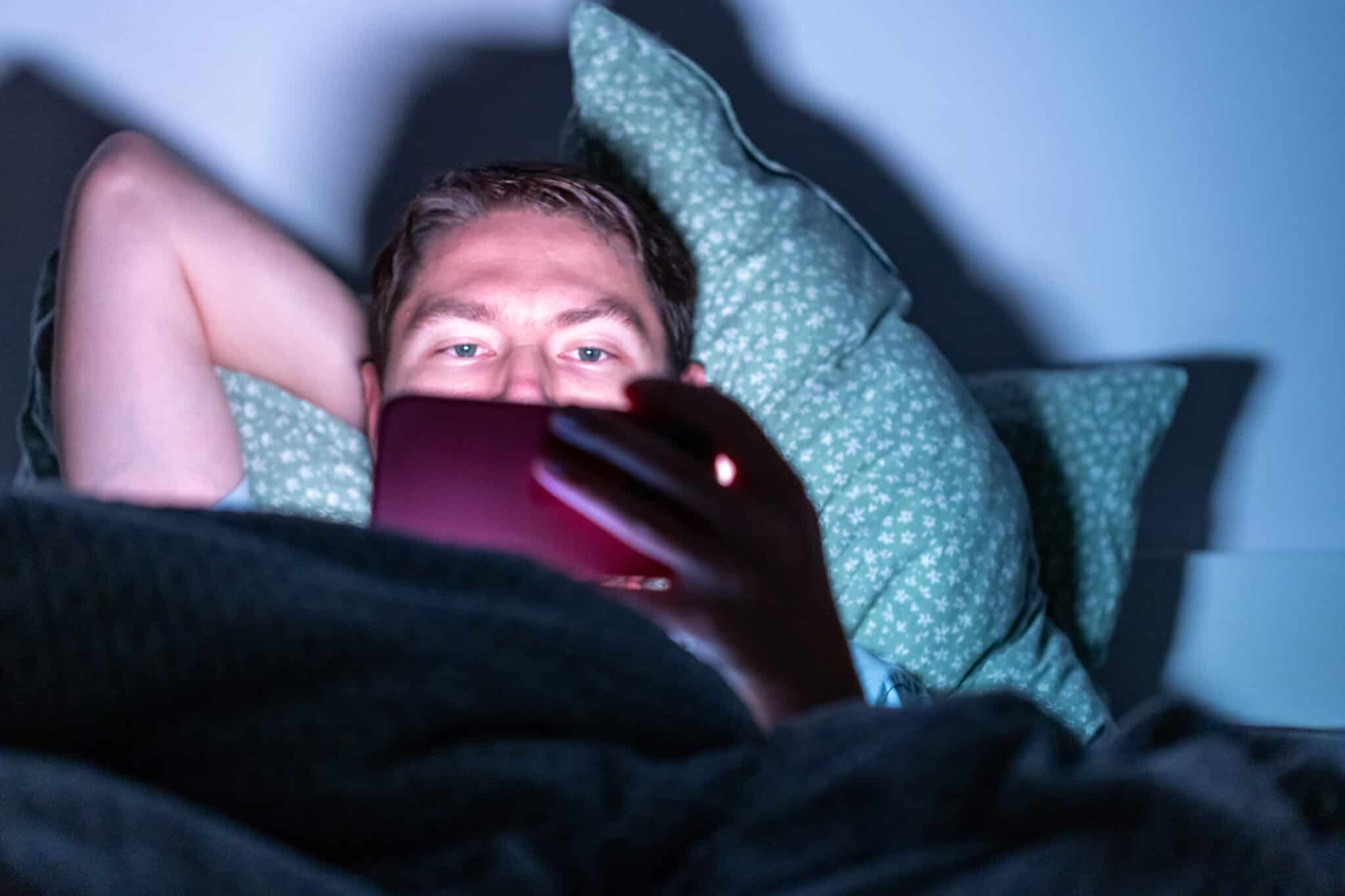
Artificial light at night disrupts circadian rhythms, affecting immune function, mood, metabolism, and sleep, especially in shift workers and hospitalized patients. Research by Dr. Randy Nelson highlights potential solutions like light management and policy changes to mitigate these effects and improve health outcomes.
"The Fascinating Attraction of Insects to Artificial Night Lights"

Originally Published 1 year ago — by BBC.com

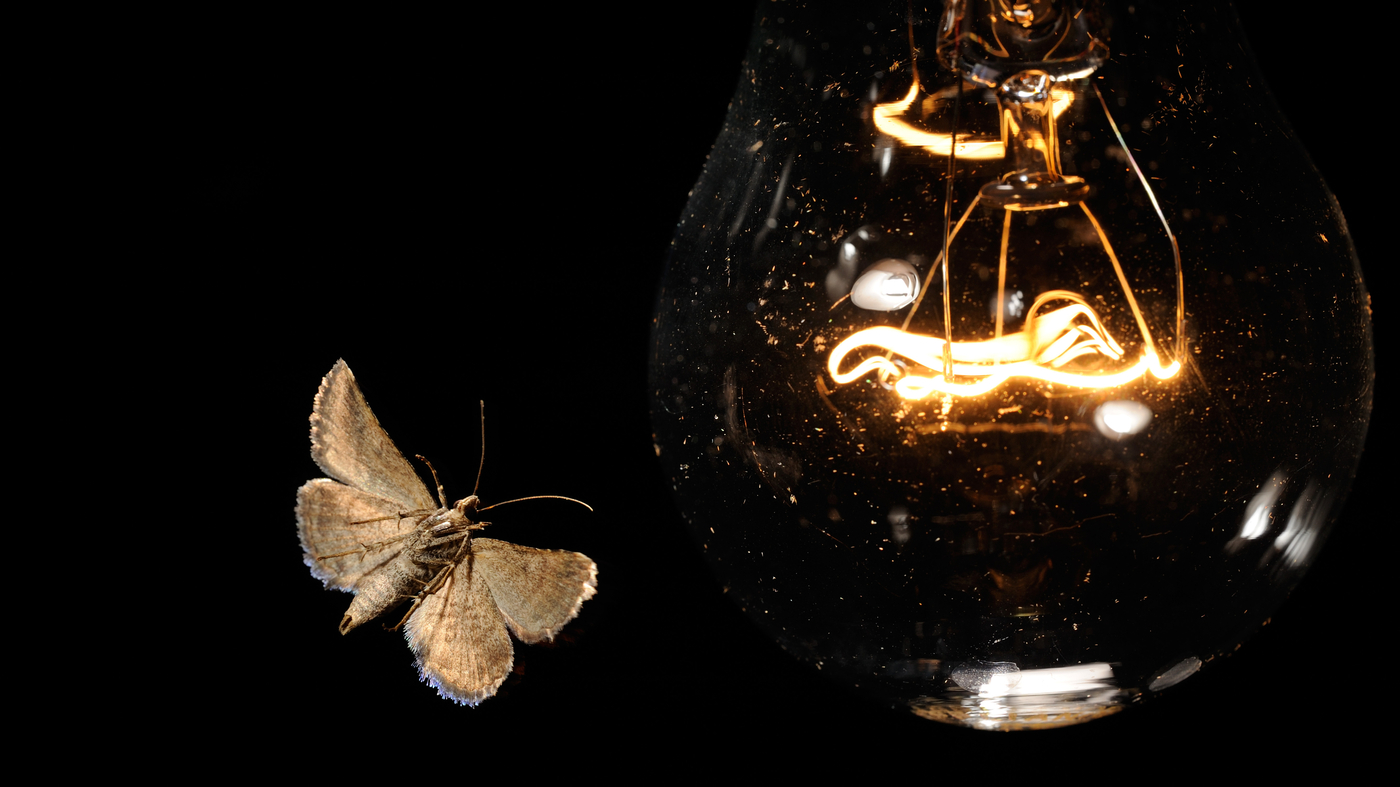
Featured image for "The Fascinating Attraction of Insects to Artificial Night Lights"
Source: BBC.com

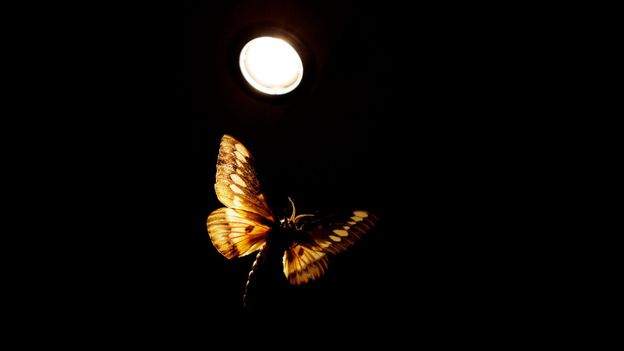
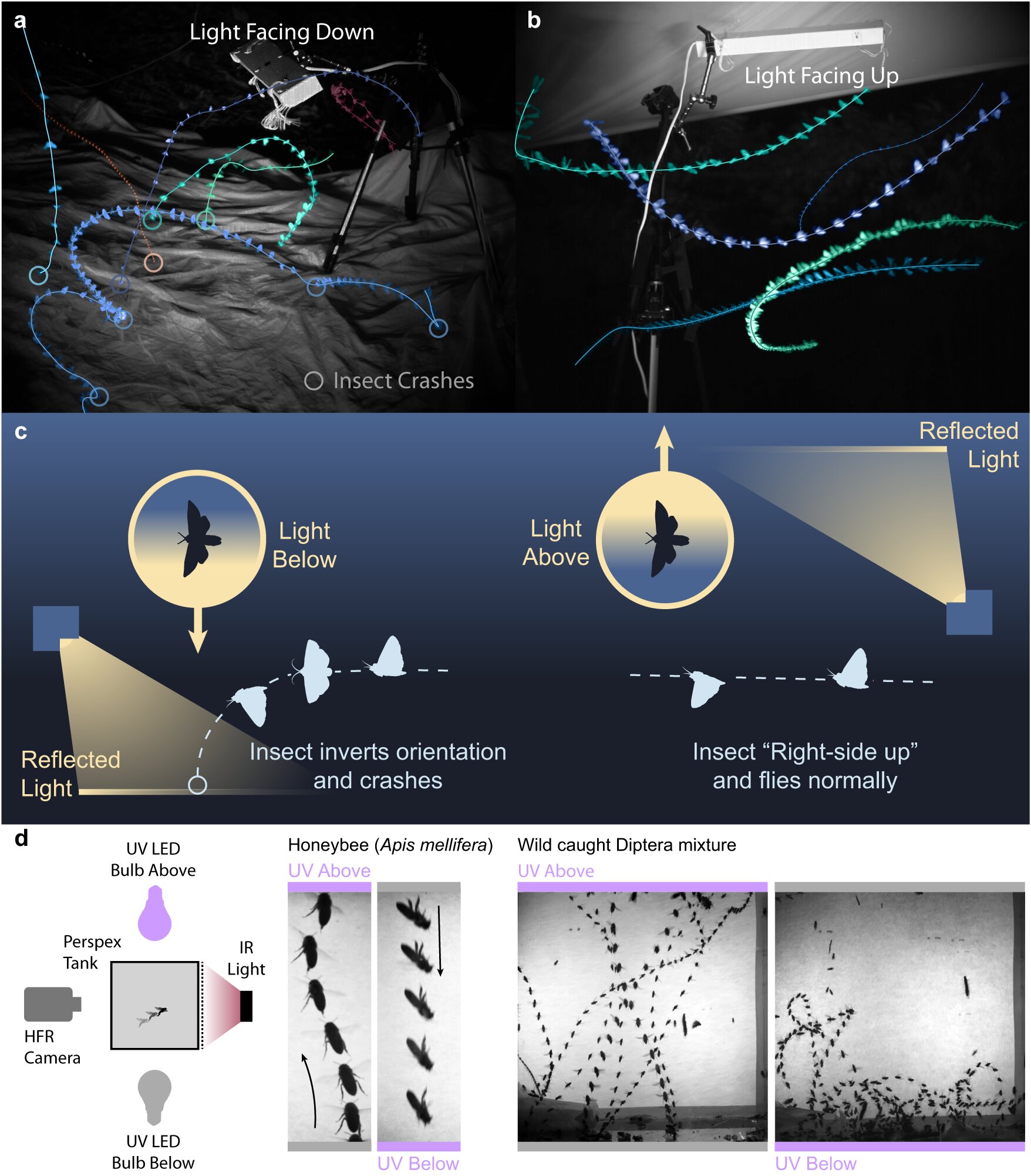
New research suggests that insects are drawn to artificial light at night because they mistake it for the sky, which they use to navigate. The light confuses them, causing them to orbit around it with their backs facing it. This behavior disrupts their natural activities such as pollination, mating, and evading predators, leading to potential population loss. The study highlights the negative impact of light pollution on insect populations and suggests using less artificial light, avoiding flood lights, using warmer LED settings, and implementing shielding or shrouding lights to minimize glare.

"The Sky's the Limit: Unraveling the Mystery of Insects' Attraction to Light at Night"

Originally Published 1 year ago — by Phys.org

Featured image for "The Sky's the Limit: Unraveling the Mystery of Insects' Attraction to Light at Night"
Source: Phys.org

Researchers have discovered that insects circle artificial lights at night because they lose track of the sky due to the way their flight patterns are disrupted by the lights. The insects' behavior is a result of a known response called the dorsal light response, where they point their backs toward the lights, altering their flight paths. This behavior leaves them vulnerable and prone to exhaustion, making them easy targets for predators and disrupting nocturnal ecosystems. The study highlights the harmful effects of light pollution on insects and emphasizes the need to minimize artificial light at night to protect nocturnal wildlife and restore views of the night sky.

The Confusing Attraction: How Artificial Light Affects Insects

Originally Published 1 year ago — by NPR

Featured image for The Confusing Attraction: How Artificial Light Affects Insects
Source: NPR

Scientists have discovered that moths and other insects are drawn to artificial light because it interferes with their natural ability to determine "up" while flying. Motion-capture videos show that insects instinctively turn their backs to the light source, a behavior that helps them orient themselves in a natural setting. However, when the brightest light comes from an artificial source, insects become disoriented and exhibit erratic flight patterns. Researchers have also found that creating a light that mimics the sky can prevent insects from becoming trapped, shedding light on the impact of artificial light on insect behavior and conservation efforts.

Embracing the Winter Solstice: Celebrating the Shortest Day with Artificial Light

Originally Published 2 years ago — by Anchorage Daily News

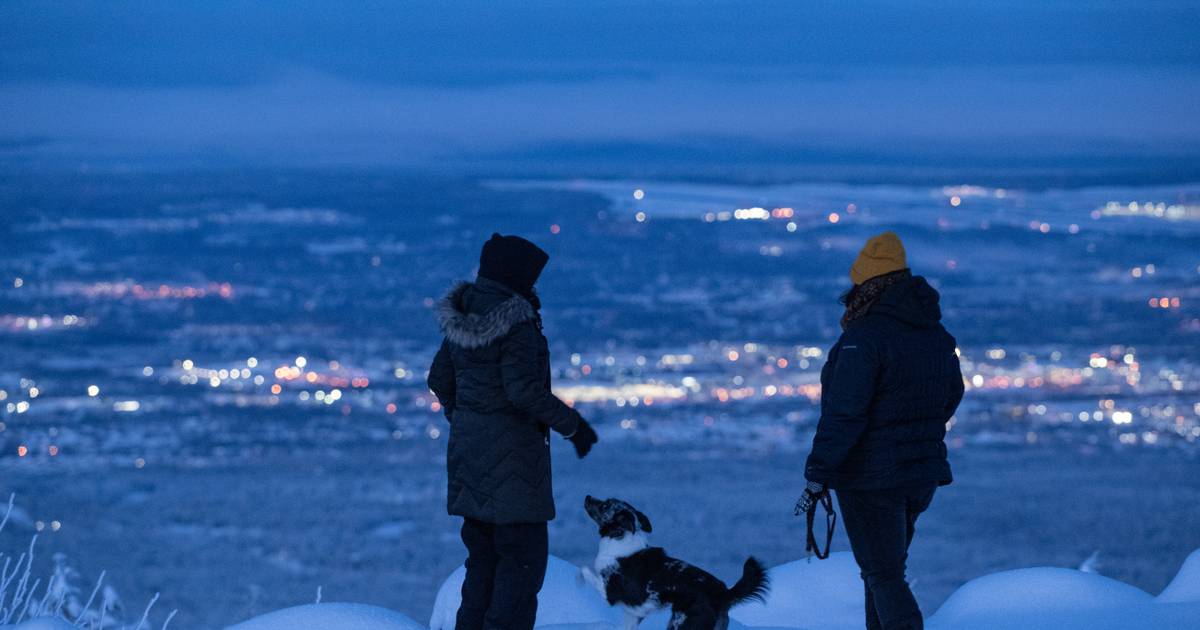
Featured image for Embracing the Winter Solstice: Celebrating the Shortest Day with Artificial Light
Source: Anchorage Daily News

As the winter solstice brings the shortest daylight day of the year, residents of Anchorage, Alaska, are dealing with just over 5 hours of sunlight. The dark and gloomy winter season can have a significant impact on people's moods, with the lack of natural light causing feelings of gloom and haze. However, the city's artificial lights, including neon signs, holiday displays, and illuminated roadways, provide a contrast to the darkness. Despite the challenges, Anchorage residents are looking forward to gaining a few seconds of daylight and anticipating a brighter future.

"Saving Birds: Architectural Solutions and City Initiatives to Reduce Collisions and Light Attraction"

Originally Published 2 years ago — by CNN

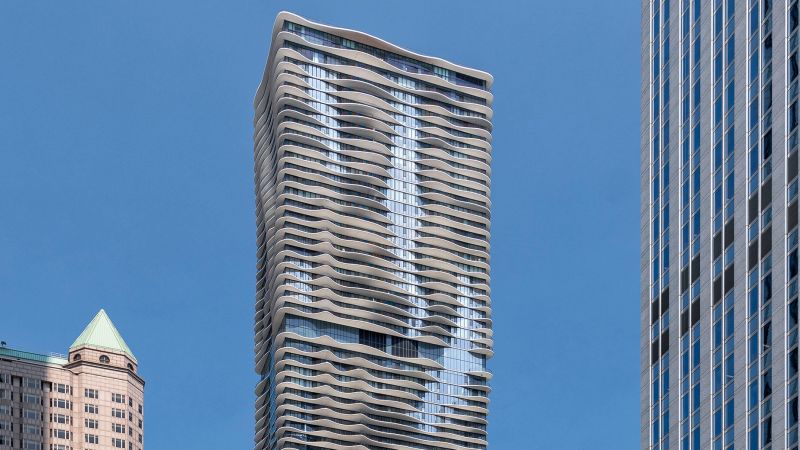
Featured image for "Saving Birds: Architectural Solutions and City Initiatives to Reduce Collisions and Light Attraction"
Source: CNN

The collision of birds with glass buildings is a significant problem, with up to a billion birds suffering the same fate every year. Architects are exploring design solutions to prevent bird strikes, such as using fritted glass, curved balconies, and graphic ornamentation. Bird-friendly film and reducing artificial light at night have also proven effective. However, the challenge lies in changing attitudes towards artificial light in cities, as it is deeply ingrained in the 24/7 culture. Taking steps to make cities more bird-friendly could also lead to a greater appreciation of dark skies and reconnect humans with the beauty of nature.

"Lighting Tips for Improved Mental Health and Well-being"

Originally Published 2 years ago — by The Washington Post

Featured image for "Lighting Tips for Improved Mental Health and Well-being"
Source: The Washington Post

The right kind of lighting is essential to human well-being, impacting our state of mind, productivity, and emotional well-being. Exposure to natural light and certain types of artificial light helps maintain our circadian rhythm, regulating key functions such as sleep-wake patterns, hormone release, blood pressure, and body temperature fluctuations. Strategies to consider when devising a lighting plan for your own space include capitalizing on natural light, using different types of light in different rooms, and using full-spectrum lightbulbs to replicate natural sunlight.