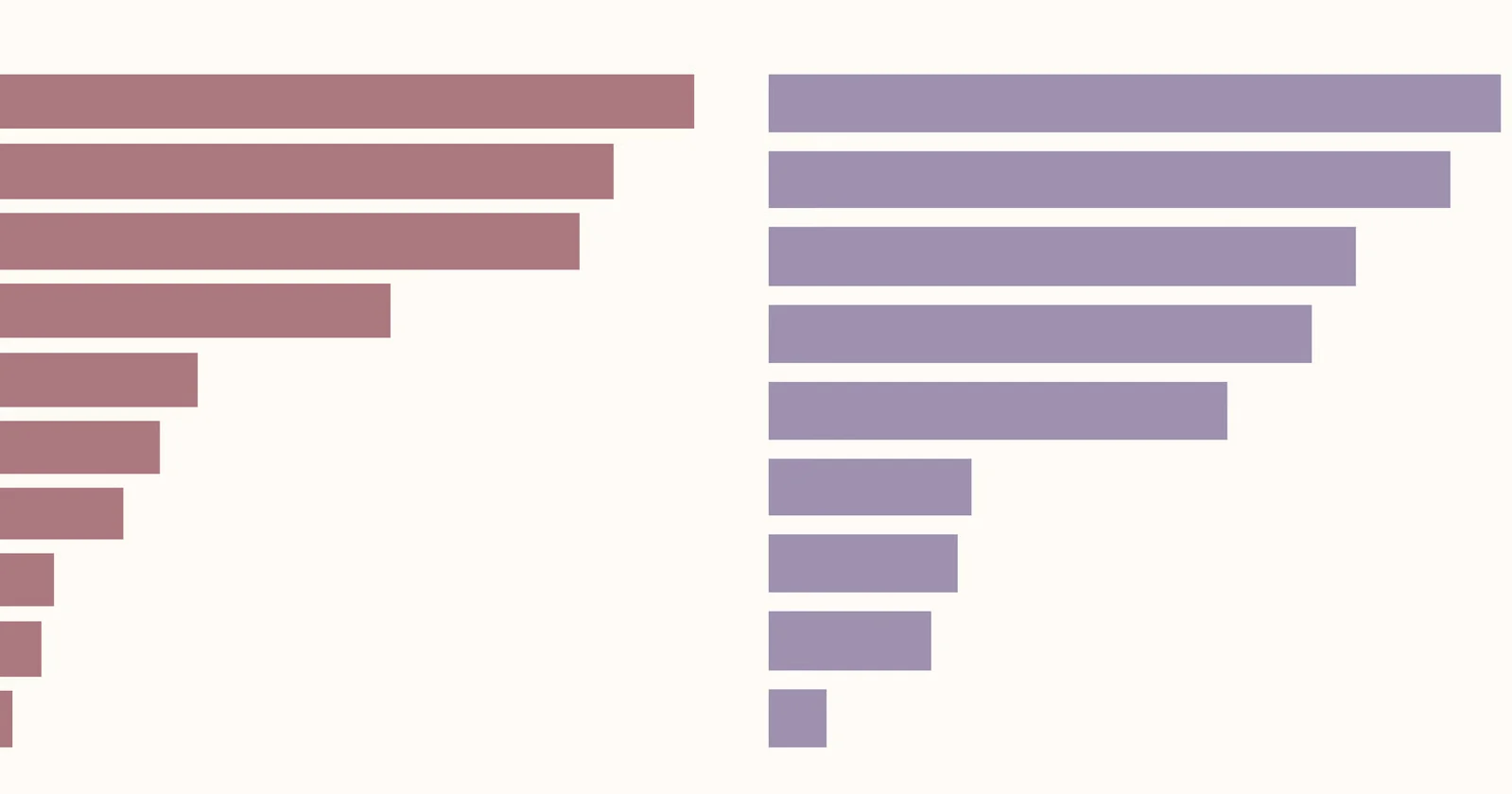
Research in Los Angeles shows that park use declines during extreme heat, but behavioral patterns like time of day and day of week have a greater influence on visitation than heat or amenities. High social sensitivity residents are more willing to travel to less sensitive parks, highlighting disparities. The study suggests focusing on increasing tree cover and green spaces in marginalized communities to improve heat relief and equity, emphasizing the importance of urban planning solutions like cool roofs and reflective pavements to combat climate change effects.
Due to forecasted extreme heat, Missouri's football game against Louisiana has been moved to a noon kickoff at Memorial Stadium, with gates opening at 10 a.m. Fans are advised to monitor official channels for updates and follow safety guidelines.
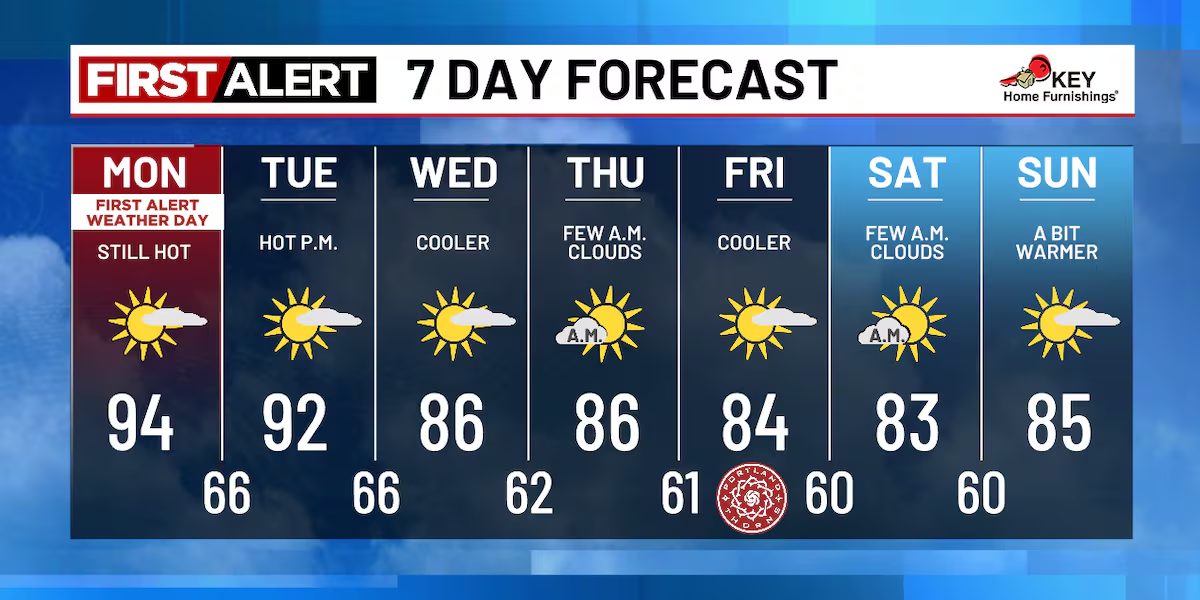
The Northwest is experiencing its fourth consecutive day of extreme heat, with high temperatures in the 90s and 100s, but relief is expected later in the week as a low-pressure system from the Gulf of Alaska brings cooler temperatures and increased humidity.
Extreme heat negatively impacts brain function, decision-making, and emotional regulation by impairing the blood-brain barrier, increasing oxidative stress, disrupting sleep, and elevating stress levels, especially affecting vulnerable groups. To mitigate these effects, experts recommend hydration, shade, air conditioning, and mental strategies like maintaining calm and self-control.
As Europe faces increasingly frequent and severe heatwaves, air conditioning use is rapidly rising, transforming from a luxury to a necessity, which strains power grids and raises environmental concerns. Countries are adapting infrastructure and policies to manage the surge in cooling demand while balancing sustainability and energy security.
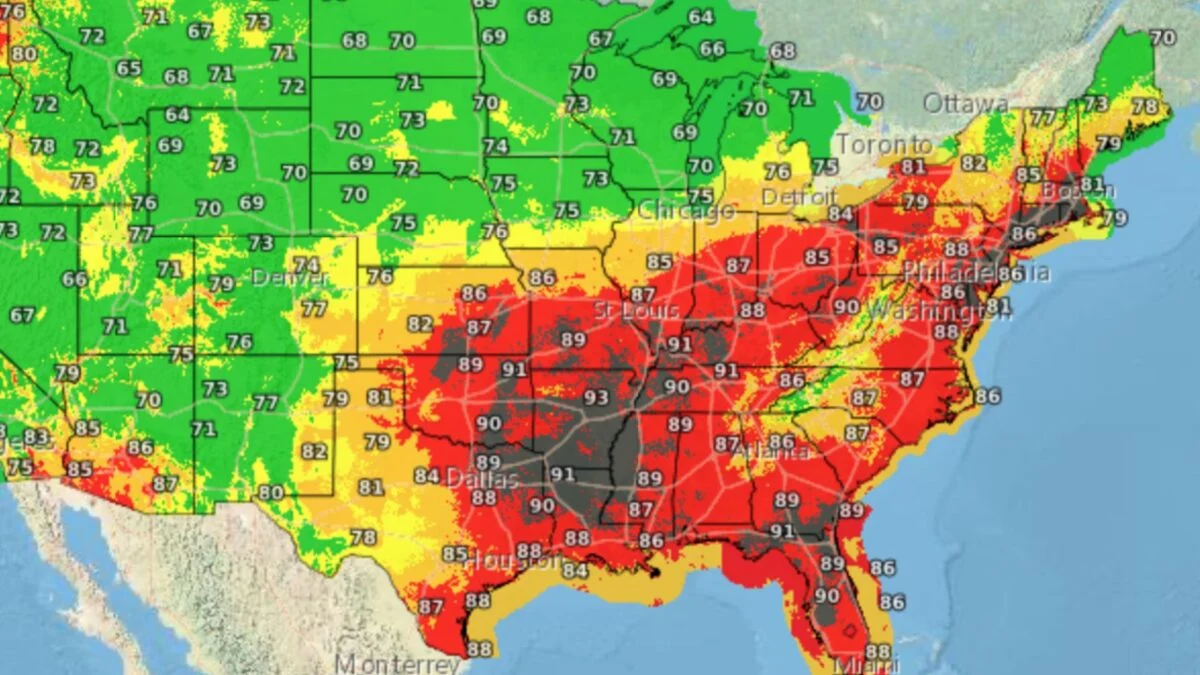
Over 120 million Americans are experiencing a prolonged heatwave with dangerously high temperatures and humidity, but relief is expected starting Thursday in the Northeast, while the South continues to face extreme heat conditions.
An intense heat dome and high humidity in the eastern U.S. are causing dangerous wet-bulb temperatures, nearing levels that threaten human survival, with climate change likely to make such conditions more common and severe in the future.
Nearly half of the U.S. population is under heat alerts due to a heat dome causing extreme temperatures across many major cities, including Orlando, New Orleans, and St. Louis, with others under lower-tier advisories.
New Orleans is experiencing a severe heatwave with temperatures feeling like 114°F, prompting an extreme heat warning from the National Weather Service during the peak of summer.
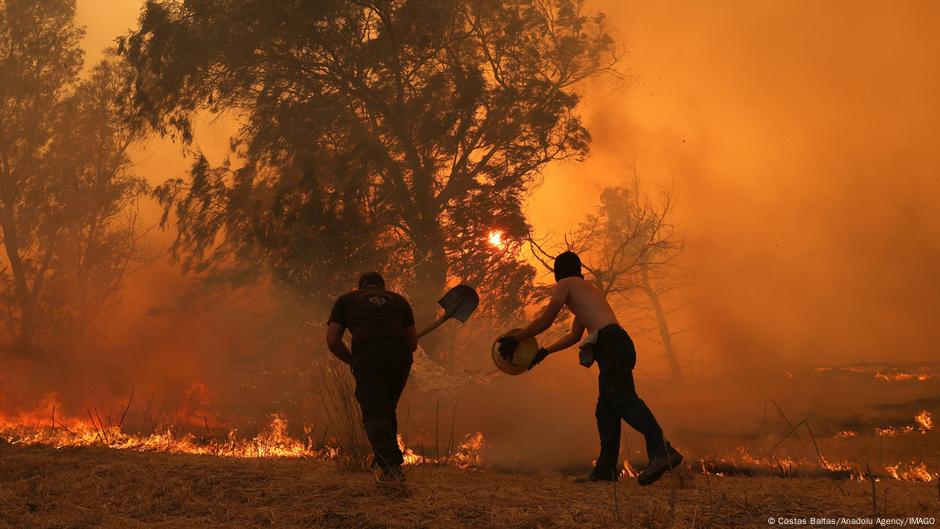
Greece is battling ongoing wildfires across multiple regions, including the Peloponnese, Evia, and Kythera, with evacuations and significant destruction, exacerbated by extreme heat and strong winds, though conditions are gradually improving.
A severe heat wave is affecting the Southeast and Midwest regions of the US, with heat advisories and warnings issued due to temperatures soaring into the upper 90s and 100s Fahrenheit, leading to dangerous conditions and over 30 million people at risk, while storms and flooding also impact parts of the Midwest.
A severe heatwave is affecting over 80 million Americans, with dangerous, life-threatening temperatures reaching into the 90s and 100s across the Midwest and Southeast, prompting extreme heat warnings and fire alerts, and expected to persist into next week.
The top observation deck of the Eiffel Tower has been closed due to extreme heat conditions, reflecting the impact of a heatwave in Europe, which has also caused other landmarks like Brussels' Atomium to close early.
A heat dome, caused by a high-pressure system trapping warm air, is causing extreme temperatures across the eastern U.S., with warnings for health risks and record-breaking heat linked to climate change. The phenomenon acts like a lid on a pot, leading to prolonged heat and dry conditions, and is influenced by jet stream patterns. Similar events have occurred across the U.S. in recent years, with increasing severity due to global warming.
A severe heat wave is impacting much of the US, with temperatures soaring into triple digits, posing health risks including heat stroke and brain fog. Experts advise on safety measures to stay protected during extreme heat conditions.