Tag

Light Exposure

All articles tagged with #light exposure

health7 days ago

Neuroscientist Andrew Huberman's Morning Habit for a Productive Day

Stanford neuroscientist Andrew Huberman emphasizes the importance of getting bright light in the morning to spike cortisol levels, which helps set a healthy circadian rhythm and optimize physical and mental health. He recommends exposure to natural sunlight or artificial light soon after waking and suggests incorporating movement to further support cortisol production, while dimming lights and avoiding caffeine at night to promote better sleep.

health6 months ago

Night Light Exposure and Its Impact on Heart Health

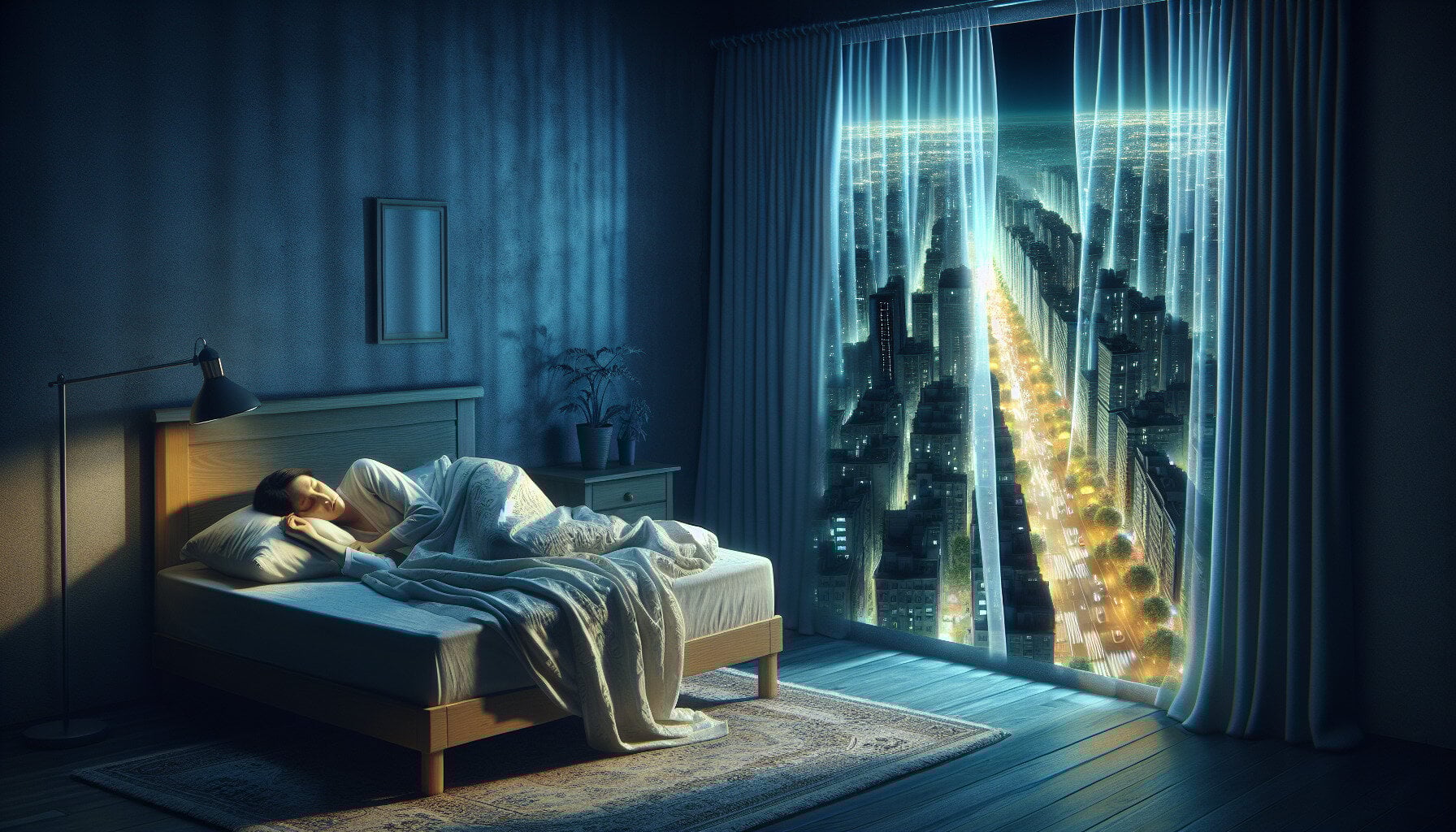
A large study found that brighter night-time light exposure is associated with increased risks of five major cardiovascular diseases, suggesting that circadian disruption from artificial light may contribute to heart health issues. The research emphasizes the importance of managing night light exposure to reduce cardiovascular risk, especially during sleep.

health1 year ago

Balancing Daylight Exposure: A Key to Better Health

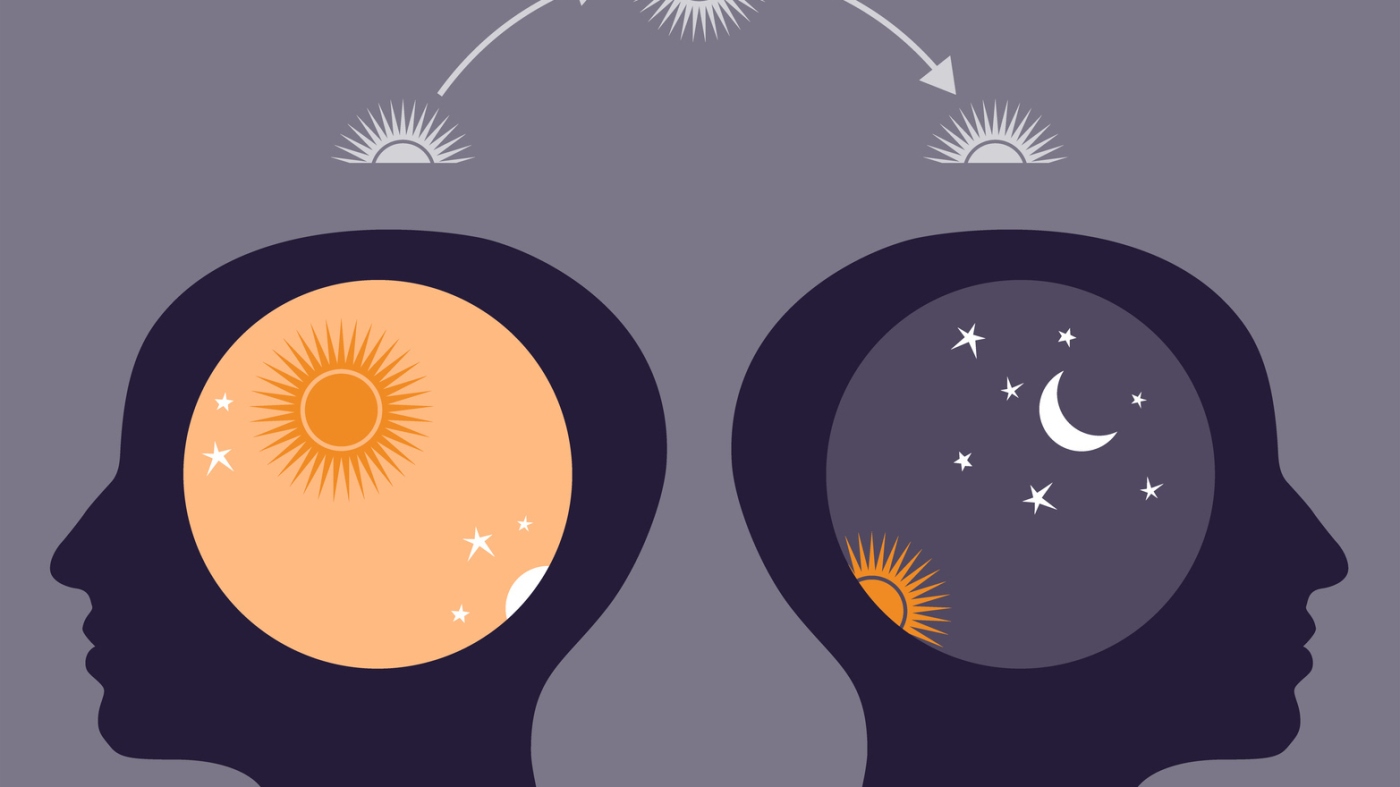
A new study involving nearly 90,000 participants in the UK suggests that exposure to bright light during the day and darkness at night is linked to lower mortality risk. Participants with bright nights had a 21% to 34% higher risk of premature death, while those with bright days had a 17% to 34% lower risk. The study highlights the importance of maintaining a strong contrast between day and night light exposure to support healthy circadian rhythms, which influence various physiological functions. The findings suggest that light exposure is an emerging risk factor for health and longevity.

health1 year ago

"Optimizing Melatonin Production for Improved Sleep Quality"

Melatonin is a hormone naturally produced by the body to regulate sleep, and understanding how light affects its production can help improve sleep quality. Exposure to natural and artificial light at specific times can support melatonin production, while using melatonin supplements should be done thoughtfully and under medical guidance. Misusing melatonin as a sleep aid or taking high doses at the wrong time can lead to unintended consequences. Consulting a physician is important when considering melatonin supplementation, especially for older adults or those with certain medical conditions.

health-and-wellness1 year ago

"Smooth Transition: Tips for Adjusting to Daylight Saving Time in 2024"

To ease the transition to Daylight Saving Time for both you and your children, experts recommend gradually adjusting bedtime and wake-up times, as well as meal, exercise, and medication schedules. Good quality sleep is crucial for overall health, and prepping in advance is especially beneficial for teenagers and night owls. Avoiding naps, increasing morning light exposure, and minimizing evening light exposure are also suggested. Creating a bedtime routine, keeping electronic devices out of the bedroom, and promoting a sleep-friendly environment are additional tips to help improve sleep quality and ease the transition to the time change.

health-and-wellness2 years ago

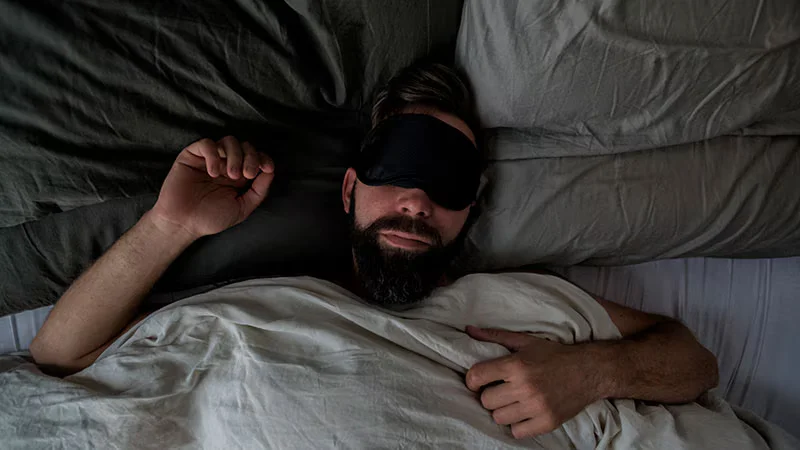
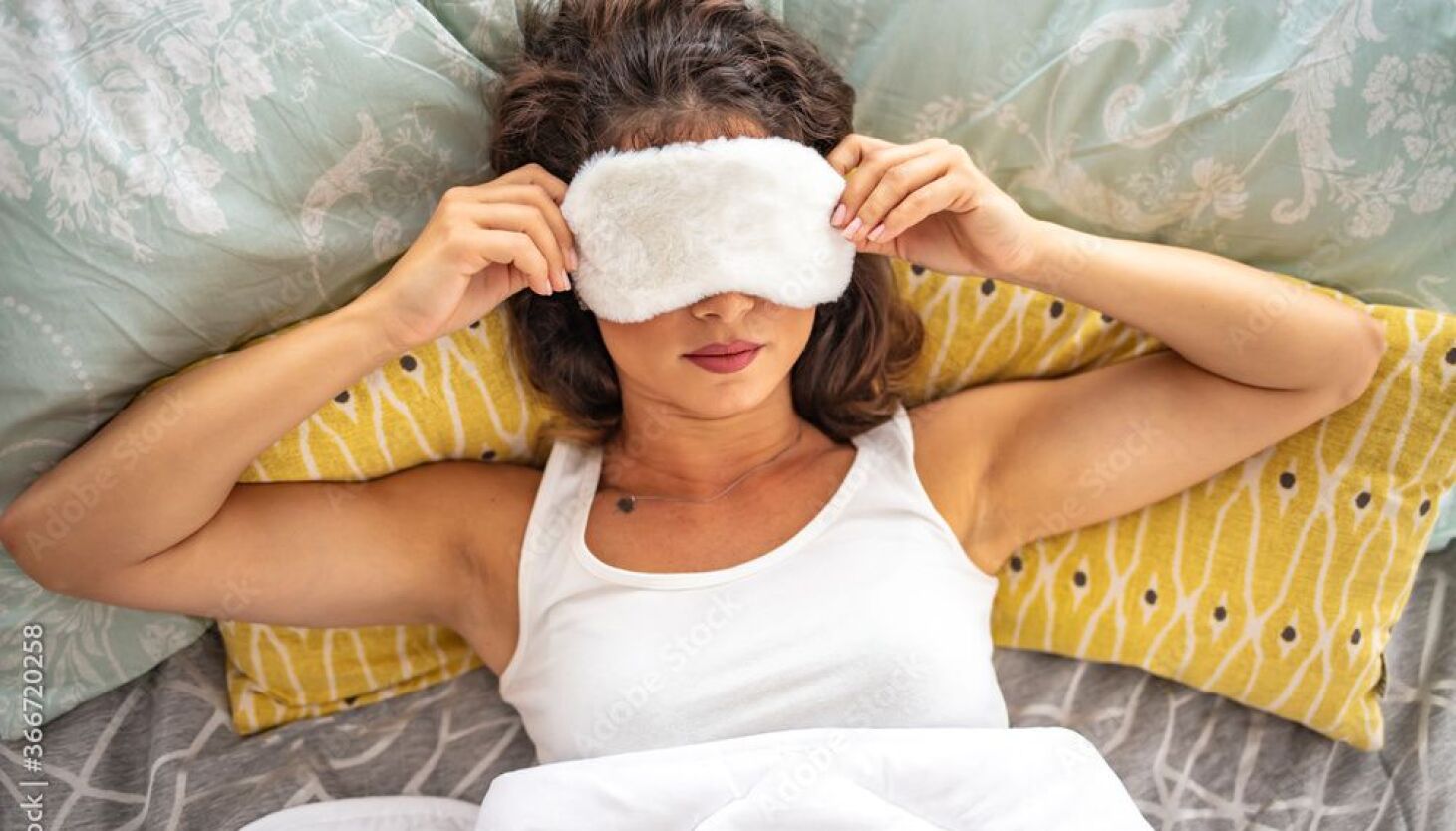
"Research Confirms: Eye Masks Enhance Sleep Quality and Cognitive Function"

Research suggests that exposure to even dim light at night can have harmful physiological effects, impacting sleep quality and cognitive function. Wearing an eye mask to bed can significantly improve sleep quality, memory, and alertness, as well as mitigate the negative effects of light exposure. Tips for managing light at night include using an eye mask, making the bedroom darker, avoiding electronic devices, and seeking more light during the day to improve sleep.

health-and-wellness2 years ago

"The Benefits of Slowing Down for a Winter Reset"

Experts emphasize the importance of slowing down and prioritizing rest and reflection during the winter months, aligning with the body's natural rhythm and conserving energy. With seasonal changes impacting mood and energy, understanding nature's cycles can lead to a deeper respect for oneself and the environment. Prioritizing sleep and light exposure during the winter can lead to improved well-being and productivity, while strategies such as social interactions and self-care should be considered throughout the year.

health2 years ago

The Impact of Daylight on Mental Health: A Comprehensive Study

Individuals who spend more time in daylight have a lower risk of mental health disorders such as major depressive disorder, post-traumatic stress disorder (PTSD), psychosis, and self-harm behavior, according to an analysis of UK Biobank data. Conversely, greater light exposure during nighttime is associated with increased risks of major depressive disorder, generalized anxiety disorder, PTSD, psychosis, bipolar disorder, and self-harm behavior. The study highlights the importance of circadian rhythms and suggests that interventions to enhance mental health could involve optimizing light exposure patterns. However, the study's design does not establish causation, leaving open the possibility that mental health conditions may influence behavior and light exposure patterns.

science-and-health2 years ago

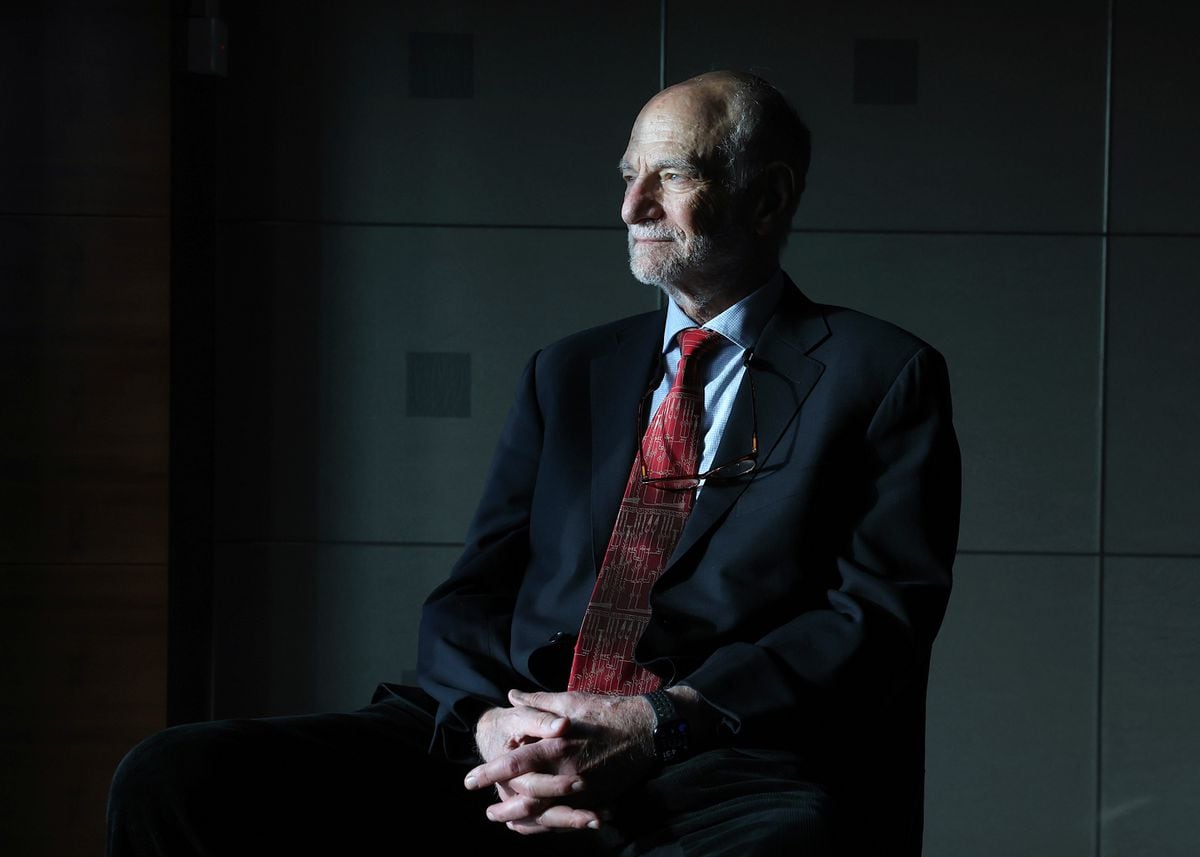
The Impact of Sunlight Deprivation on Health: Insights from Nobel Laureate Michael Rosbash

Michael Rosbash, Nobel Laureate in Medicine and chronobiologist, discusses the importance of circadian rhythms and the impact of light exposure on our health. He highlights that 70% of our genes are regulated by circadian rhythms, and lack of sunlight during the day is more detrimental than exposure to electric lighting at night. Rosbash emphasizes the need for public funding agencies to support basic research, as it forms the foundation for applied research. He also suggests that manipulating the molecular clock with drugs could potentially address chronodisruption associated with aging.

health2 years ago

"Mastering the 'Fall Back': Expert Tips to Beat Seasonal Affective Disorder during Daylight Saving Time"

As daylight saving time ends and we "fall back," experts warn that the change in light exposure can disrupt our health and potentially lead to seasonal affective disorder (SAD). To cope with these changes, experts recommend using light to your advantage by incorporating natural or artificial light into your daily routine, considering light-box therapy or special lamps that mimic sunlight, and potentially changing your surroundings temporarily to a sunnier climate. Additionally, exercise and reframing the meaning of reduced daylight can help boost mood. It's important to be aware of warning signs of seasonal depression and seek professional help if necessary. Treatment options include therapy and antidepressant medications.

health2 years ago

The Impact of Daytime Light Exposure on Depression Risk: New Study Reveals Insights

A large-scale study on light exposure and mental health has found that exposure to high amounts of light at night is associated with a 30% increased risk of developing depression, as well as higher risks of psychosis, bipolar disorder, generalized anxiety disorder, PTSD, and self-harm. Conversely, individuals exposed to higher amounts of light during the day had a 20% lower risk of depression and reduced odds of developing other mental health disorders. While the study did not establish causation, experts suggest that avoiding light at night and seeking light during the day can be a simple and effective way to improve mental health. Exposure to light at night can disrupt circadian rhythms and sleep, which are linked to mental health issues, while sunlight exposure increases serotonin levels and helps regulate sleep and circadian rhythm. Experts recommend increasing natural light exposure during the day and reducing blue light exposure at night through various strategies.