Schools are increasingly facing issues with students using AI to create deepfake images, leading to legal actions and calls for updated policies. The rise of accessible AI tools has made it easier to produce realistic but fabricated images, causing emotional trauma for victims and prompting legislative responses across multiple states. Experts suggest schools and parents need to be more proactive in addressing and educating about deepfake dangers.
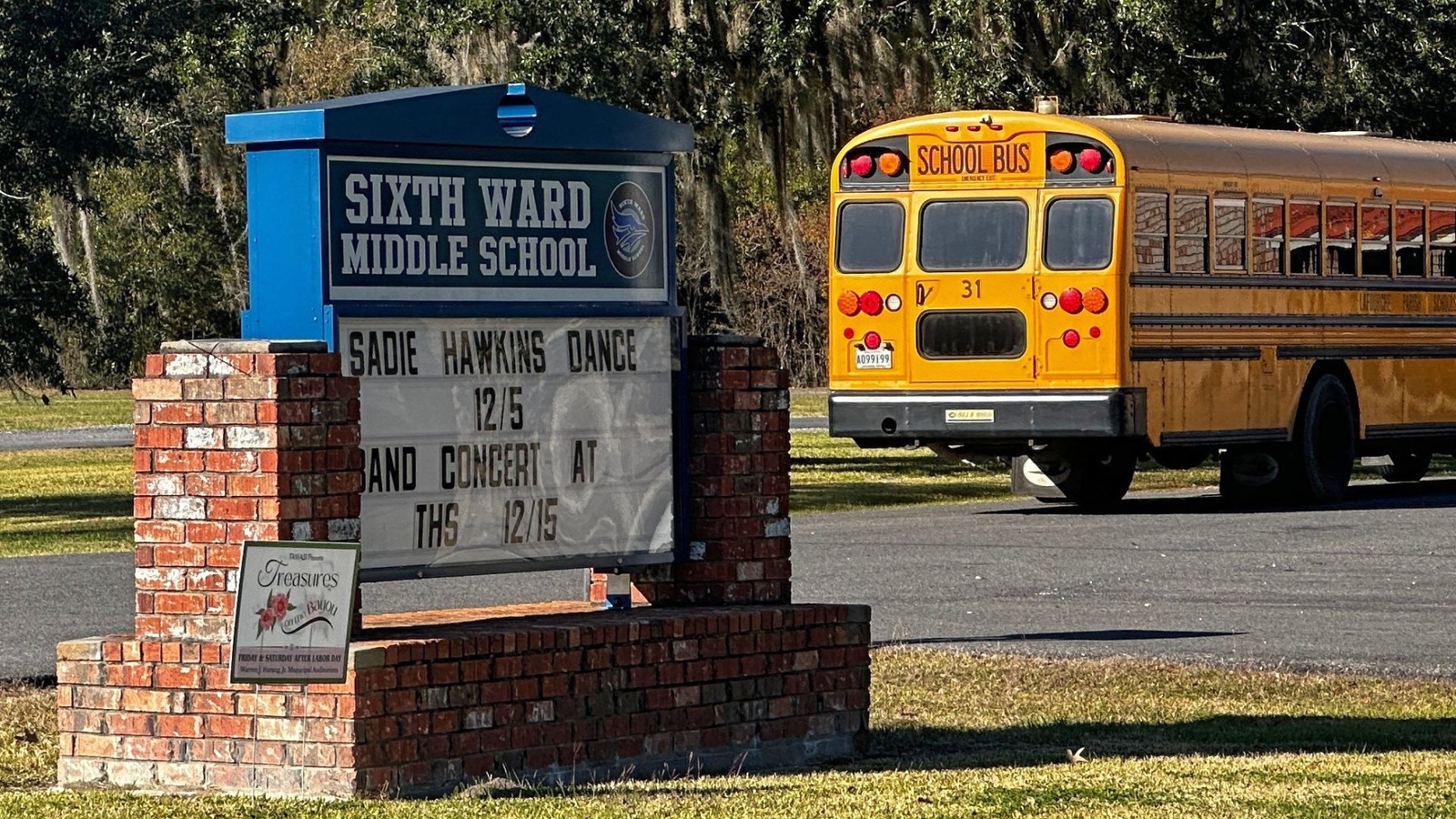
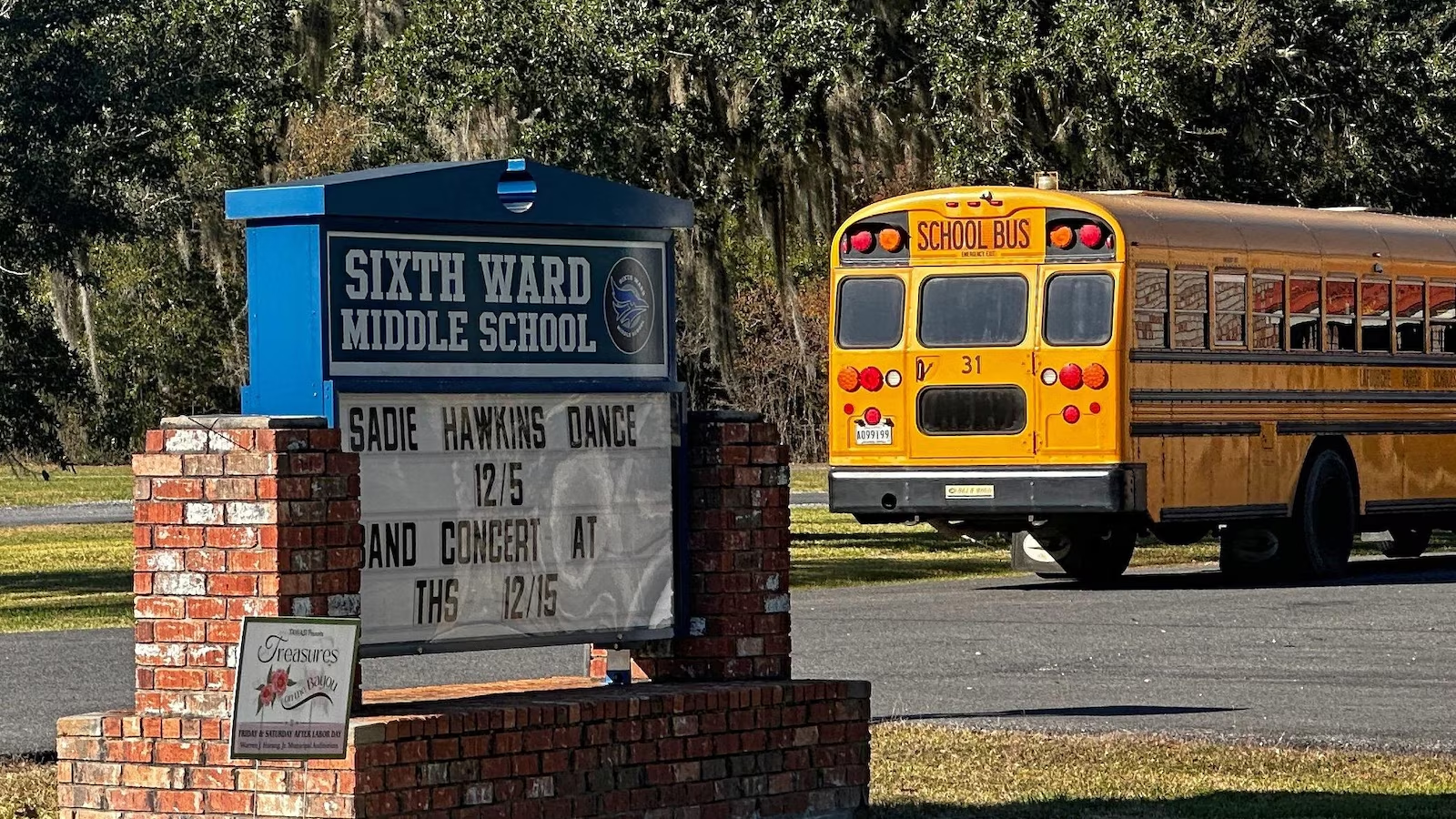
A 13-year-old girl in Louisiana was expelled after she attacked a boy who was showing AI-generated nude images of her on a school bus, amid circulating deepfake images of her and other students. The case highlights the challenges schools face in addressing AI-driven cyberbullying and harassment, with authorities charging boys involved but not the girl, who suffered emotional and educational setbacks. The incident underscores the need for better policies and awareness around AI and digital safety for children.
A 13-year-old girl in Louisiana was expelled after AI-generated nude images of her circulated among students, highlighting the dangers of deepfake technology and the lack of school preparedness for AI-related cyberbullying. Despite her efforts to seek help, she was disciplined and expelled, while the boys accused of sharing the images faced criminal charges, illustrating the complex challenges AI poses in school environments.
A 13-year-old girl in Louisiana was expelled after AI-generated nude images of her circulated among students, highlighting the dangers of deepfake technology and the lack of school preparedness for AI-related cyberbullying. Despite her efforts to report the images, she was disciplined and expelled, while the boys accused of sharing the images faced charges, illustrating the complex challenges schools face with emerging AI threats.
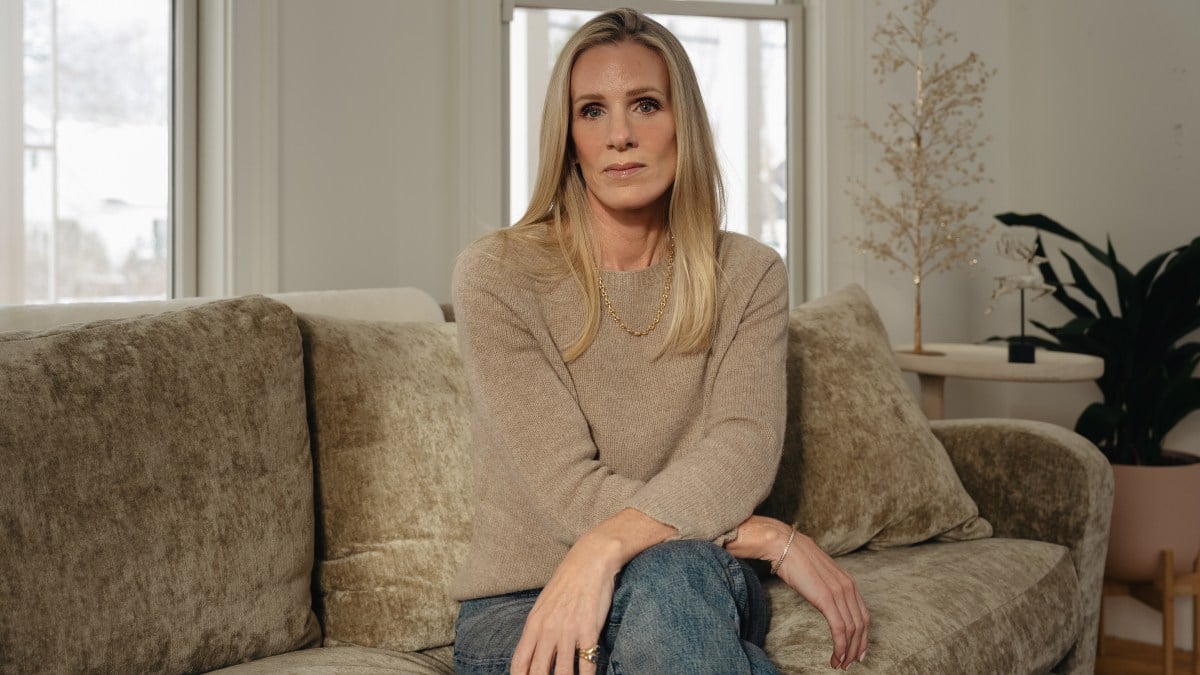
Kristin Cabot's life was dramatically impacted after a 16-second kisscam clip at a Coldplay concert went viral, leading to public shaming, personal and professional consequences, and a public discussion on online harassment and its effects.
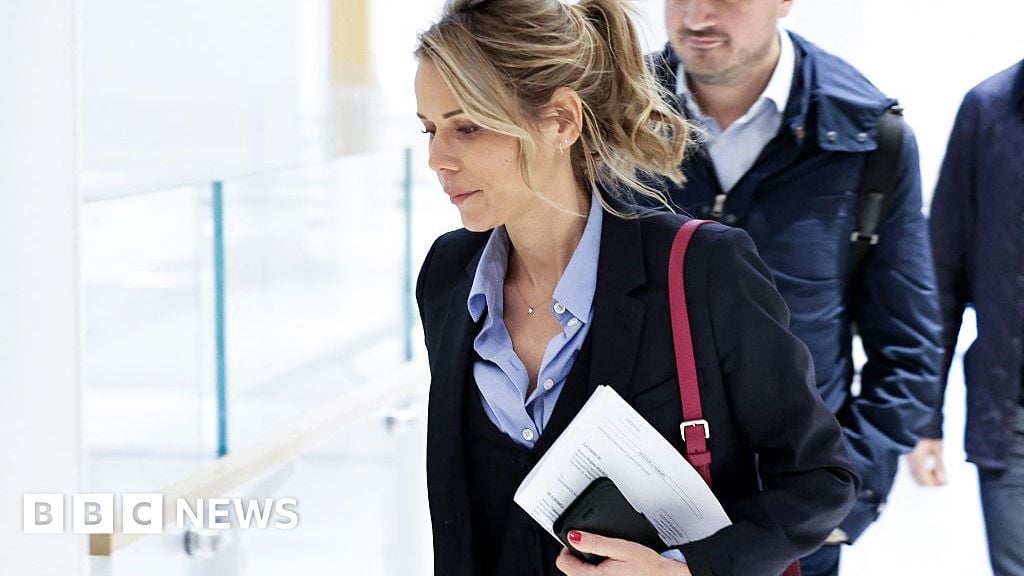
Brigitte Macron's daughter testified in a Paris court that sexist cyberbullying and conspiracy theories about her mother's gender and sexuality have negatively impacted her health and family life, amid ongoing legal proceedings against individuals spreading unsubstantiated claims.
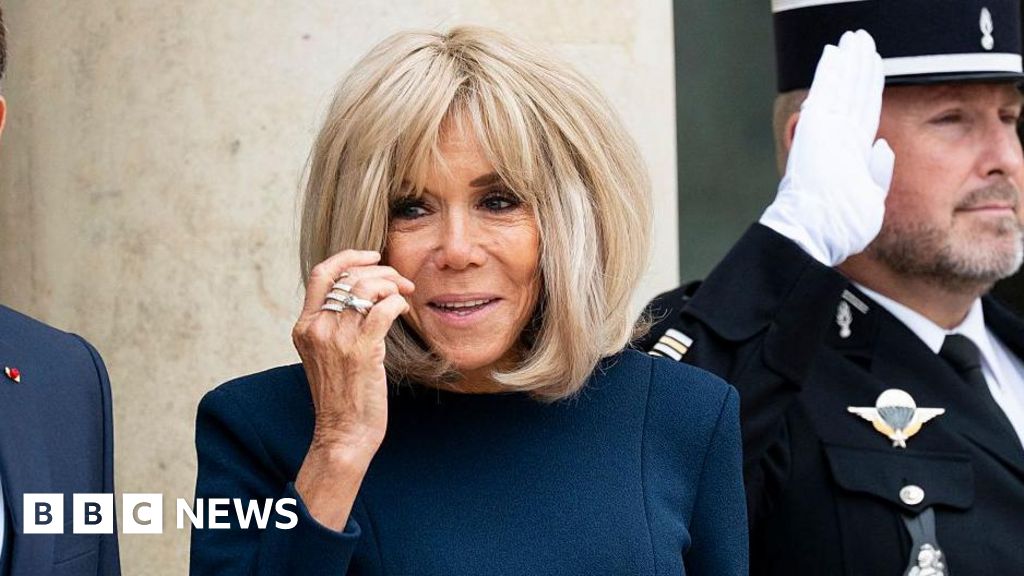
Ten social media users in Paris are on trial for cyberbullying Brigitte Macron, accused of spreading malicious comments about her gender, sexuality, and age gap with Emmanuel Macron, which allegedly affected her health. The case follows previous defamation suits related to conspiracy theories about her gender.
Ten individuals in Paris are going on trial for sexist cyberbullying and spreading false claims about Brigitte Macron, including conspiracy theories about her gender, with some defendants previously convicted of slander. The case highlights ongoing online harassment and misinformation targeting the French first lady, amid broader political and social debates.
Ten individuals in France are set to face trial for allegedly cyberbullying Brigitte Macron by spreading malicious comments online, including false claims about her gender and sexuality, amid ongoing conspiracy theories and legal actions related to defamation.
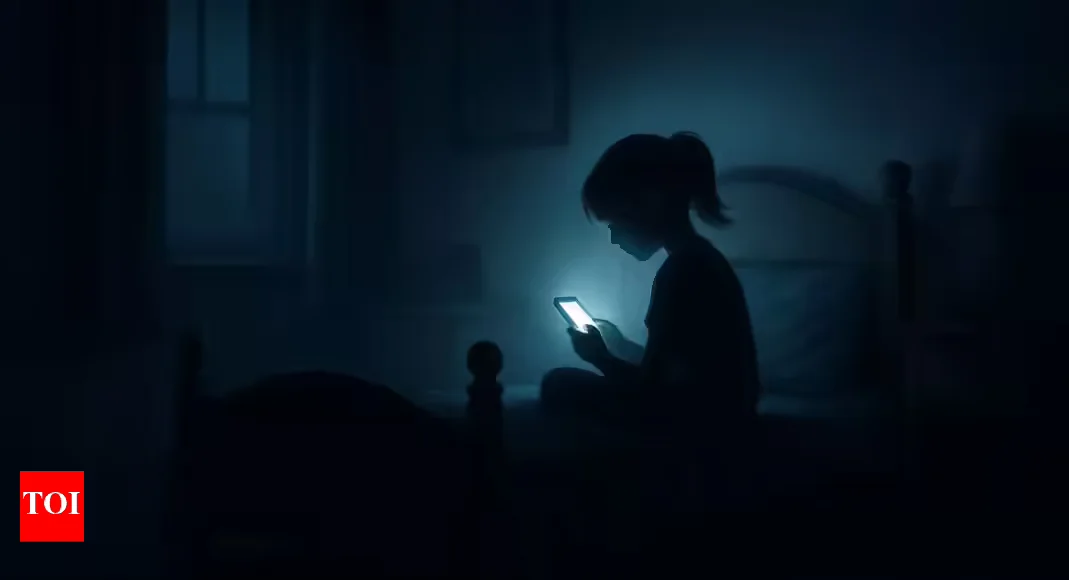
A Virginia mother is warning parents about the dangers of children using smartphones at night after her 10-year-old daughter's suicide, which she attributes to cyberbullying and sleep disruption caused by phone use. She advocates for removing phones from children's bedrooms to prevent similar tragedies and highlights the link between late-night screen time, mental health issues, and increased suicide risk among youth.
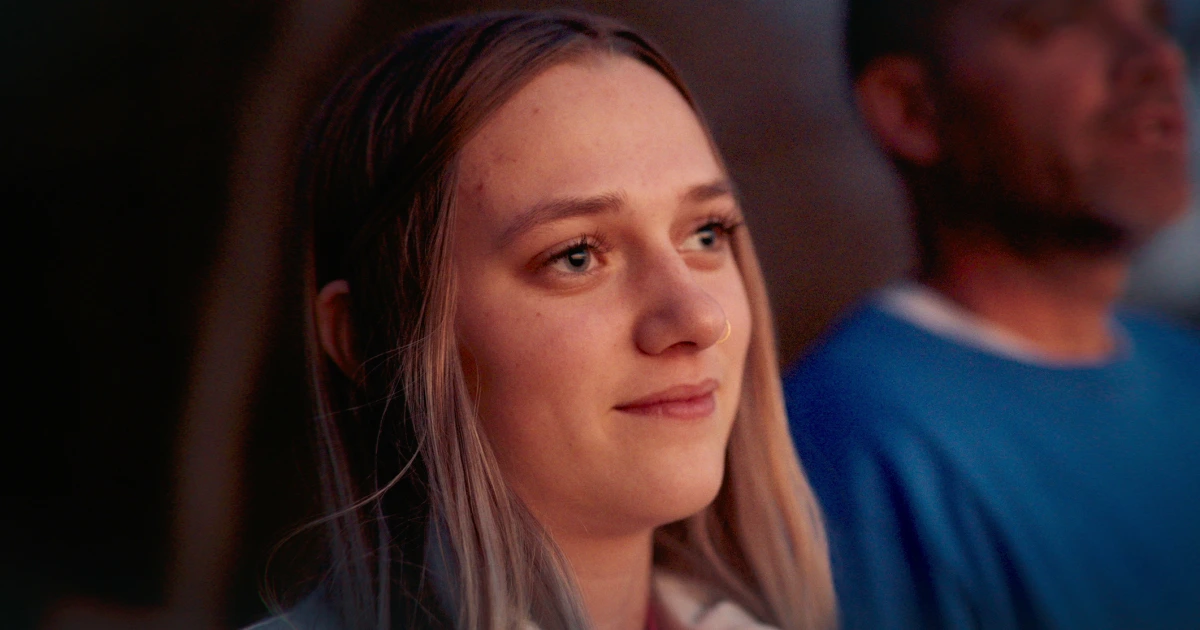
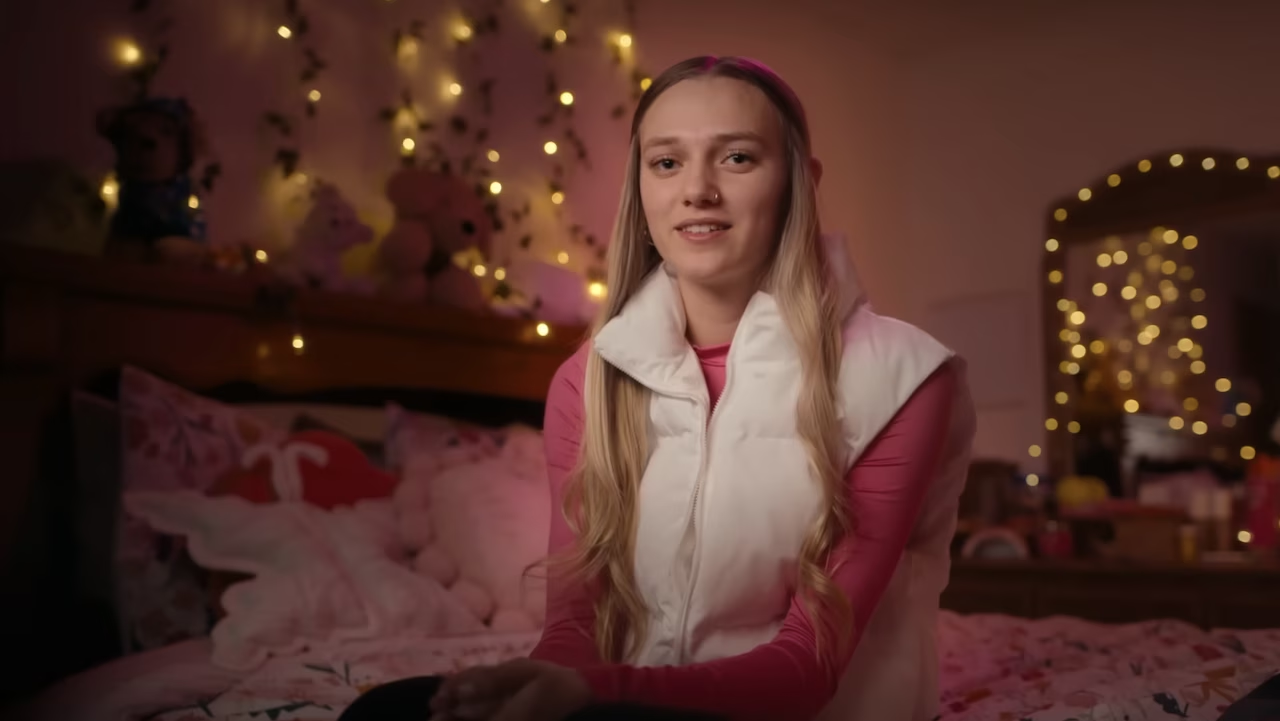
The Netflix documentary 'Unknown Number' explores the case of Kendra Licari, who was convicted of cyberbullying her daughter Lauryn Licari through anonymous texts, leading to her imprisonment. Lauryn, now an adult, has graduated high school and is working on rebuilding her relationship with her mother, who was released on parole in 2024. The documentary highlights the emotional and legal aftermath of the case.
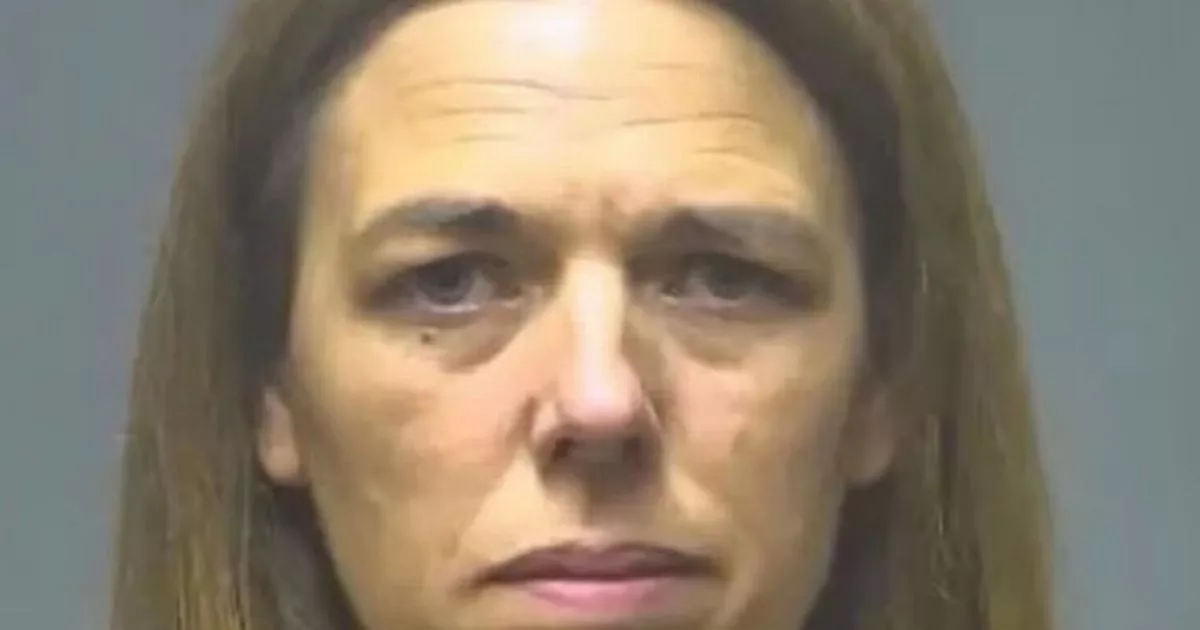
Kendra Licari agreed to appear in a Netflix documentary about her own cyberbullying crimes, motivated by remorse and a desire to explain her actions, which involved harassing her daughter anonymously for years using a phone app that generated new numbers, leading to her arrest and ongoing legal restrictions.
The Netflix documentary 'Unknown Number: The High School Catfish' reveals that Lauryn Licari was secretly cyberbullied by her mother, Kendra Licari, for over a year, leading to legal consequences for Kendra and a complex path toward potential reconciliation.
Netflix's docuseries 'Unknown Number: The High School Catfish' reveals how Kendra Licari, a mother, harassed her daughter Lauryn and her boyfriend through anonymous texts, leading to her arrest and imprisonment for stalking a minor. The case highlights issues of cyberbullying, parental influence, and family reconciliation.
Owen McKenny, featured in Netflix's 'Unknown Number,' is now attending Hope College in Michigan after graduating high school in 2025; he and Lauryn Licari, who was involved in a cyberbullying case, have no contact following their breakup.