
Daylight Saving Time: Impact on Health, Productivity, and Sleep Cycles
TL;DR Summary
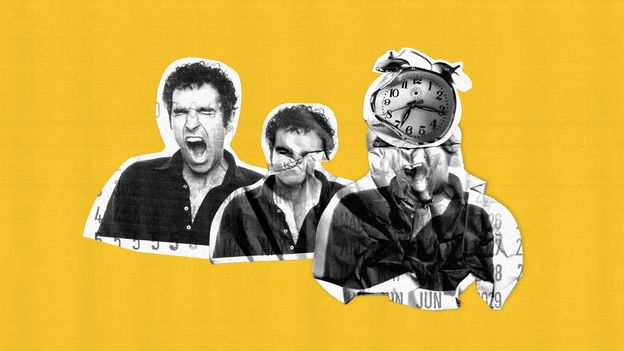
Changing clocks for daylight saving time can negatively affect health, increasing risks of heart attacks, strokes, mood disorders, and traffic accidents, especially when clocks are moved forward in spring, due to disruption of circadian rhythms and sleep patterns. The autumn shift appears less harmful, but still has some risks. Overall, the health benefits of DST are questionable, and some experts suggest eliminating it altogether.
Topics:world#daylight-saving-time#health#health-impacts#heart-attacks#mood-disorders#sleep-disruption
- How daylight saving time affects our health BBC
- Looking forward to an extra hour in bed on Sunday? Time to thank a farsighted builder from Kent The Guardian
- The clock-keepers preparing to turn back time as clocks go back BBC
- Daylight saving time is about to end—and so is your team’s focus. The extra hour of ‘sleep’ actually tanks productivity, energy levels, and motivation Fortune
- The one group whose sleep cycle could benefit from putting clocks back an hour The Independent
Reading Insights
Total Reads
0
Unique Readers
6
Time Saved
8 min
vs 9 min read
Condensed
96%
1,689 → 64 words
Want the full story? Read the original article
Read on BBC