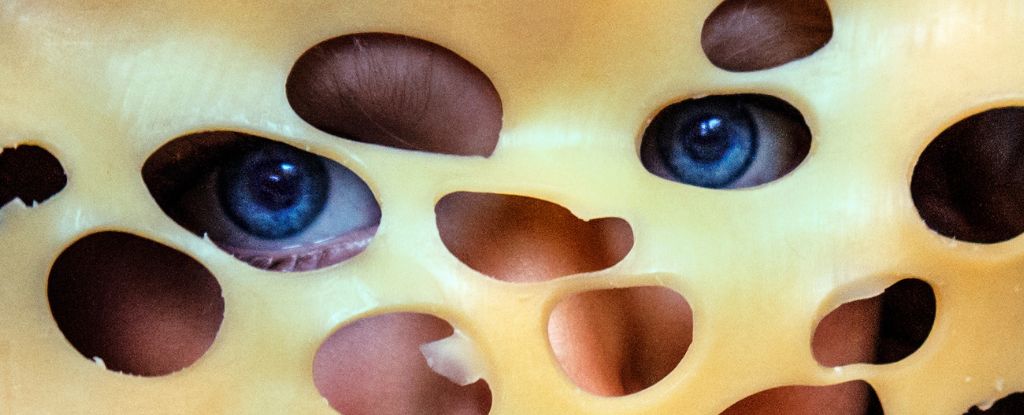
A 2022 study suggests that frequent nightmares in middle and older age may be early signs of dementia, especially in men, and treating nightmares could potentially slow cognitive decline. The research highlights the importance of sleep quality and dream analysis in assessing brain health and dementia risk.

A 2022 study suggests that frequent nightmares in middle and older age may be early indicators of dementia risk, especially in men, and treating nightmares could potentially slow cognitive decline. The research highlights the importance of sleep and dreaming patterns in brain health and opens avenues for early diagnosis and intervention in dementia.
High doses of melatonin supplements, often used to improve sleep, may increase the likelihood of nightmares and vivid dreams due to deeper REM sleep and elevated vasotocin levels. Additionally, supplement dosages often vary from what is advertised, and prolonged use may have unknown risks. Consulting a healthcare provider before use is recommended.
A study suggests that consuming cheese and sweets before bed may increase the likelihood of nightmares, especially in individuals with food intolerances like lactose intolerance or gluten sensitivity, due to gastrointestinal discomfort. Foods such as fruits, vegetables, and herbal teas are linked to better sleep, and those experiencing frequent nightmares might consider adjusting their diet to improve sleep quality.
Common bedtime habits such as late eating, consuming dairy, certain medications, warm room temperatures, sleeping positions, alcohol intake, screen time, stressful thoughts, irregular sleep schedules, and untreated sleep apnea can trigger nightmares. Making simple adjustments like timing meals, controlling room temperature, reducing screen exposure, and managing stress can help reduce nightmare frequency and improve sleep quality.
A study published in Frontiers in Psychology confirms that consuming cheese and other dairy products before sleep can increase the likelihood of nightmares, especially in individuals with food sensitivities or intolerances, and that late-night eating and poor diet choices can disrupt sleep quality and dream content.
A study suggests that consuming cheese and other foods before bed may influence dreams and nightmares, especially in individuals with food sensitivities or intolerances, and healthier eating habits are associated with better dream recall and fewer nightmares.
A study suggests that consuming dairy, especially for those with lactose intolerance, may increase the likelihood of nightmares due to gastrointestinal discomfort disrupting sleep, highlighting a potential link between diet and dream quality.
A study suggests that adults experiencing weekly nightmares are nearly three times more likely to die before age 75, potentially due to stress-induced accelerated aging and disrupted sleep, highlighting nightmares as a possible early indicator of health risks and a target for intervention.
A study of over 1,000 college students suggests a link between dairy consumption, especially in those with lactose intolerance, and increased nightmares, indicating that dietary choices may influence sleep quality and dream experiences.
A Canadian study found that consuming dairy, especially among those with lactose intolerance, may increase the likelihood of nightmares and poor sleep quality, with unhealthy eating habits also contributing to negative dreams.
Research suggests that consuming too much dairy, especially for those who are lactose intolerant, may contribute to nightmares and sleep disturbances. A study involving over 1,000 students found a link between food sensitivities, gastrointestinal symptoms, and poor sleep quality, highlighting the potential impact of diet on sleep health. Experts recommend managing food intolerances and maintaining healthy eating habits to improve sleep and dream quality.
Research suggests that dairy consumption, especially in individuals with lactose intolerance, may be linked to more intense nightmares, possibly due to gastrointestinal discomfort affecting sleep quality and causing micro-arousals, though further studies are needed to confirm this connection.
A Canadian study suggests that consuming dairy before bed, especially for those with lactose intolerance, may increase the likelihood of nightmares and disturbed sleep, possibly due to gastrointestinal discomfort affecting sleep quality and dreams.
Scientists found a strong link between lactose intolerance and nightmares, suggesting that gastrointestinal discomfort from dairy consumption may disrupt sleep and influence dreams. Adjusting eating habits could potentially improve sleep quality for those with food sensitivities.