Tag

Skin

All articles tagged with #skin

health1 year ago

"Decoding Hidden Health Issues Through Your Skin: What Your Dermatologist Can Uncover"

The skin, being the largest and most visible organ, can offer insight into our overall health. Various rashes and skin changes can indicate underlying illnesses such as Lyme disease, blood vessel issues, metabolic disorders, and heart conditions. Recognizing these skin signs and seeking medical attention when necessary can help in early diagnosis and treatment of potentially serious health issues.

paleontology2 years ago

"Discovery of 290-Million-Year-Old Reptile Skin Fossil in Oklahoma Cave"

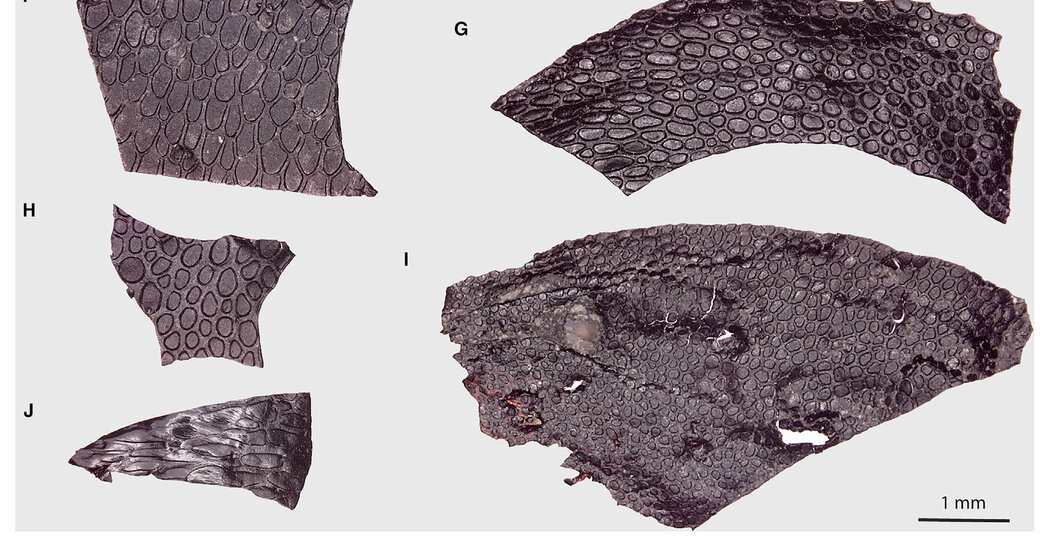
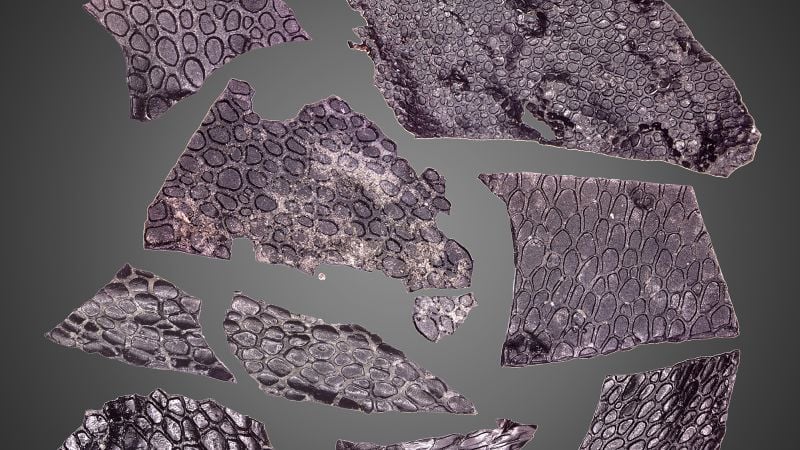
Paleontologists have discovered a 290 million-year-old skin fossil in an Oklahoma cave, making it the earliest known example of a fossil from an amniote. The fossil is believed to have come from a reptile with a rough skin surface similar to that of a crocodilian animal. The discovery is significant for understanding the evolutionary history of animals, as skin fossils are rare due to their fragility. The cave's unique conditions, including soft sediment and a lack of oxygen, contributed to the preservation of the skin fossil. Although no nearby skeleton was found, the discovery provides valuable insights into prehistoric life.

science2 years ago

"Oldest Fossilized Skin Unearthed: 289-Million-Year-Old Discovery"

Scientists have discovered the oldest-known piece of fossilized skin, a pebbly scrap from a 289 million-year-old reptile, offering rare insight into the evolution of skin. The specimen was found in the Richards Spur limestone cave system in Oklahoma, preserved by ideal conditions including rapid burial, low oxygen levels, and hydrocarbons from an oil seep. The texture of the skin resembles that of a crocodile, providing valuable clues to how skin evolved in ancient reptiles.

paleontology2 years ago

"300-Million-Year-Old Fossilized Skin Unearthed in Oklahoma Quarry"

Researchers have discovered the world's oldest known fossilized skin, dating back around 289 million years, from a species of reptile that predates dinosaurs. The skin fragment, found in an Oklahoma limestone cave, is at least 130 million years older than the previous oldest known skin fossil. The sample, resembling crocodile skin with hinged regions similar to snakes and worm lizards, provides insight into the evolution of terrestrial animals and the importance of the epidermis as a barrier between internal body processes and the external environment. The study was published in the journal Current Biology.

science2 years ago

"Scientists Uncover World's Oldest Fossilized Reptile Skin, Dating Back 300 Million Years"

Scientists have discovered the oldest known piece of preserved skin, dating back about 289 million years to the early days of the Permian period, in a cave in Oklahoma. The fossilized skin, resembling that of early reptiles, provides valuable insights into the adaptation of terrestrial animals to life on land and sheds light on the later development of feathers and hair. The rare find offers crucial information about the evolutionary history of life on Earth and the dynamics of ancient ecosystems during a pivotal time in Earth’s history.

health2 years ago

Unraveling the Origins of Itch: Harvard Study Reveals New Culprit

New research suggests that a common microbe, Staphylococcus aureus, may directly cause itchiness on the skin it colonizes by releasing an enzyme that activates nerve cells and generates an itch sensation. The study found that an FDA-approved anti-clotting medication can block this itch response, potentially offering a new treatment for itchy skin conditions like eczema. The findings open up a new understanding of the role of bacteria in causing itching and may lead to more targeted treatments that do not harm beneficial bacteria on the body.

science2 years ago

The Science Behind Unstoppable Itch Scratching

The cycle of itching and scratching can be difficult to break due to the evolutionary reflex developed to expel unwanted visitors on the skin. Scratching provides temporary relief by inflicting a little pain, which inhibits the sensation of itching. However, scratching further damages the skin and activates nerve fibers, intensifying the itch-scratch cycle. The neurotransmitter serotonin plays a role in this cycle, inhibiting pain but also activating itch neurons. Scratching also activates the brain's reward system, providing pleasure. While there are treatments available, efforts are being made to develop therapeutics that target neural pathways involved in itching. In the meantime, refraining from scratching can be challenging, but alternative methods like cold compresses or intense heat can help interrupt the sensation.

health-and-science2 years ago

"Unveiling the Fascinating World of Microbes: A Fun Fact Guide"

The gut microbiome is not the only microbiome in the body. The skin has its own active microbiome that plays a crucial role in immunity, skin disorders, wound healing, and even certain types of cancer. The skin microbiome consists of different communities of microbes shaped by the skin's physiology. Skin microbes coevolved with the body to protect it and limit inflammation. Dysbiosis, an imbalance of good and bad skin microbes, can lead to various skin conditions such as acne. Factors like aging, sex, environment, and antibiotics can impact the diversity and health of the skin microbiome.

neuroscience2 years ago

"Unlocking the Secrets of Nerve Growth: How Skin Directs Sensation"

Researchers at Harvard Medical School have discovered that the skin, rather than pre-existing genetic programming, instructs nerve cells on how to mature for specific sensory tasks. The study found that skin cues determine whether nerve endings develop to detect sensations in hairy or hairless skin. This finding could potentially lead to therapies for damaged nerves and a better understanding of congenital neuropathies. The research highlights the significant role of the skin in neural development.

health-and-wellness2 years ago

The Dark Side of Biohacking: How Anti-Aging Supplements Made Me Sick

The LYMA supplement, a celebrity-favorite anti-aging supplement, has been shown to boost focus, energy, and sleep while reducing anxiety and improving the look of the skin. With a potent formula containing 10 proven ingredients, including turmeric, vitamin D, ashwagandha, and nootropics, this supplement targets various areas of concern as we age. Users have reported transformative effects on focus, sleep, and skin condition. Priced at $269 for a one-month supply, the LYMA supplement is considered a "life-changing" option in the pursuit of eternal youth.