The article discusses proven methods to boost collagen production in the skin, as recommended by dermatologists, though specific techniques are not detailed in the provided excerpt.
Collagen is a key protein for youthful skin, but its decline with age is influenced by factors like UV damage. While topical collagen products may offer temporary hydration, their ability to boost collagen production is limited. Collagen supplements show some promise in animal studies and industry-funded human trials, but high-quality evidence is lacking. Medical procedures like NeoGen and microneedling can stimulate collagen, but their long-term effectiveness varies and requires ongoing treatments. The best long-term strategy remains protecting skin from UV damage early on, as biological damage to collagen and elastin is largely irreversible.
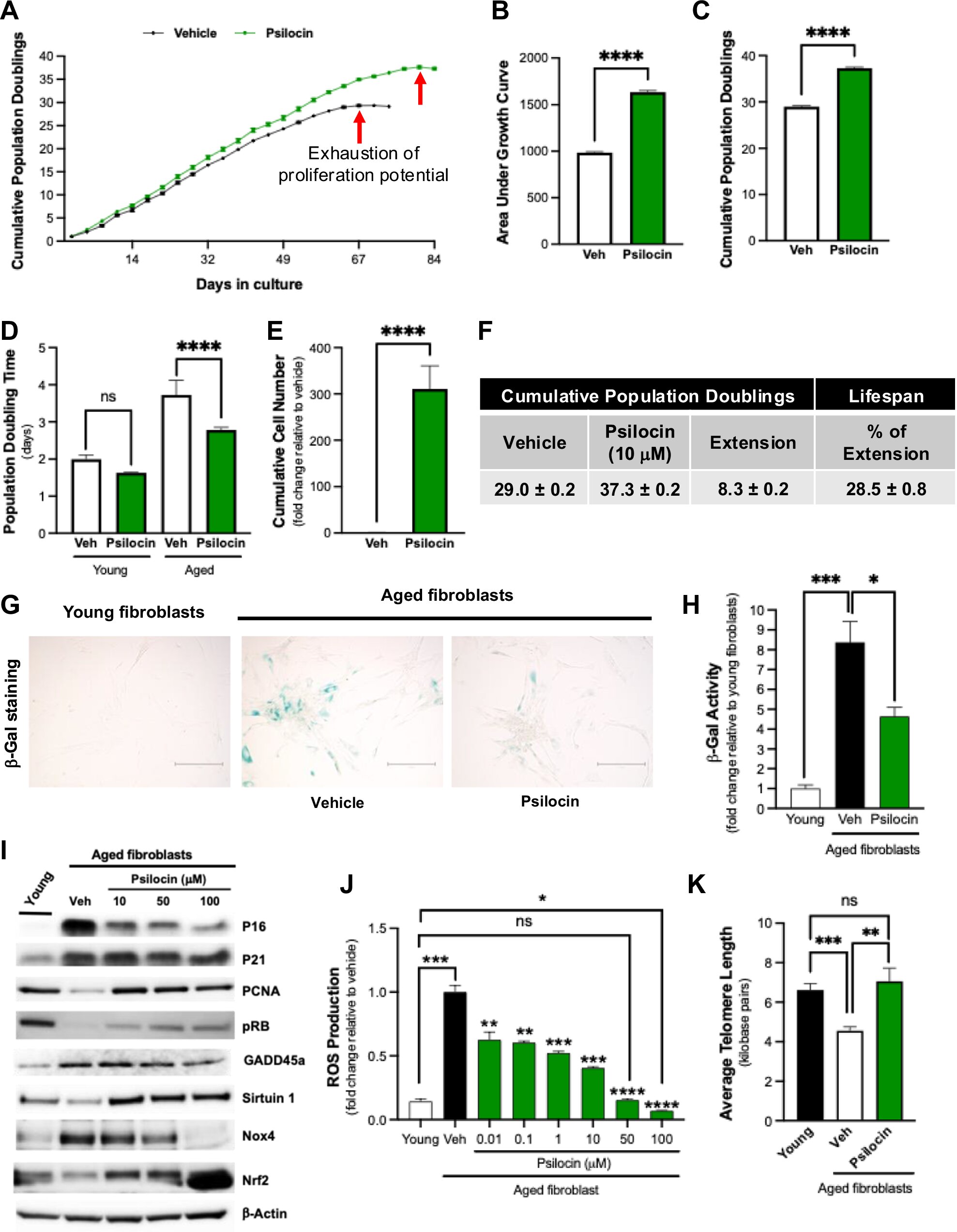
A study suggests that psilocybin, found in psychedelic mushrooms, may have antiaging effects by preserving telomere length and extending cellular and organismal lifespan, with promising results in human cells and aged mice, though further research is needed before clinical application.
The article discusses signs of collagen loss in skin and recommends products and ingredients, such as growth factors, retinol, peptides, and vitamin C, that can help slow this process and improve skin firmness and texture, emphasizing the importance of sun protection and a healthy lifestyle.
Dr. Gabrielle Lyon emphasizes the importance of a high-protein diet combined with resistance exercises to combat muscle loss and weight gain in midlife, a condition known as sarcopenia. Increasing protein intake is crucial for maintaining muscle mass, boosting metabolism, and improving overall body composition. Lyon recommends at least 1g of protein per pound of ideal body weight per day, with a focus on high-quality sources like grass-fed meat over processed plant-based alternatives. This approach not only helps with weight management but also enhances various bodily functions and may contribute to a longer, healthier life.
Scientists from the University of Cambridge suggest that anti-aging treatments could be available within the next decade, drawing inspiration from the long lifespans and cancer resistance of elephants, whales, and the 'immortal jellyfish.' These animals have unique genes that enhance DNA repair and prevent mutations, which are linked to aging and cancer. The research indicates that understanding and replicating these mechanisms in humans could lead to interventions that rejuvenate cells and delay age-related conditions. Additionally, studies on a small Pacific jellyfish that can regrow lost tentacles may offer insights into human regenerative abilities, potentially contributing to longevity and anti-aging treatments.
Anti-ageing researchers share their personal strategies for living longer, which include regular exercise, taking supplements like Ginkgo biloba and taurine, and maintaining a healthy lifestyle with adequate sleep and moderate alcohol consumption. Dr. David Clancy from Lancaster University emphasizes exercise for its role in clearing 'zombie cells' and boosting heart health, while David McCarthy from the University of Georgia takes taurine supplements, known for their anti-ageing potential. Professor Joao Pedro de Magalhaes from the University of Birmingham focuses on dietary choices, avoiding meat and alcohol, and following a healthy lifestyle. Despite these efforts, experts acknowledge that genetics and luck play significant roles in longevity.
Holistic plastic surgeon Anthony Youn, M.D., shares three nutrition tips for younger-looking skin: limit refined sugar to reduce chronic inflammation and the formation of AGEs that damage skin, try time-restricted eating like intermittent fasting to promote autophagy and cellular efficiency, and assess gluten sensitivities as they can cause skin inflammation. While individual results may vary, a diet rich in whole, balanced, antioxidant-rich foods is universally beneficial for skin health and anti-aging.
A 50-year-old individual shares their journey of 'becoming 20 years younger' through exercise, emphasizing the importance of pushing beyond comfort zones, building muscle strength, and maintaining mobility and flexibility. Key health indicators such as HRV score, blood pressure, cholesterol, and blood glucose levels are highlighted as crucial metrics to monitor. The individual boasts a biological age of 32 at 48, achieved by rigorous attention to fitness and health metrics, and plans to share their detailed approach to help others live longer, stronger, and healthier lives. However, readers are cautioned to consult health professionals before undertaking any new exercise or lifestyle regimen.
Nosheen Choudhry, founder of Nosheen Hair Oil, recommends using natural products, avoiding heat styling, and adopting a nutritious diet rich in protein, vitamins, and Omega-3 fatty acids to combat age-related hair loss and thinning, especially during menopause. She emphasizes the benefits of natural oils, particularly her own blend containing rosemary oil, and advocates for regular scalp massages and using thickening shampoos to promote hair health and growth.
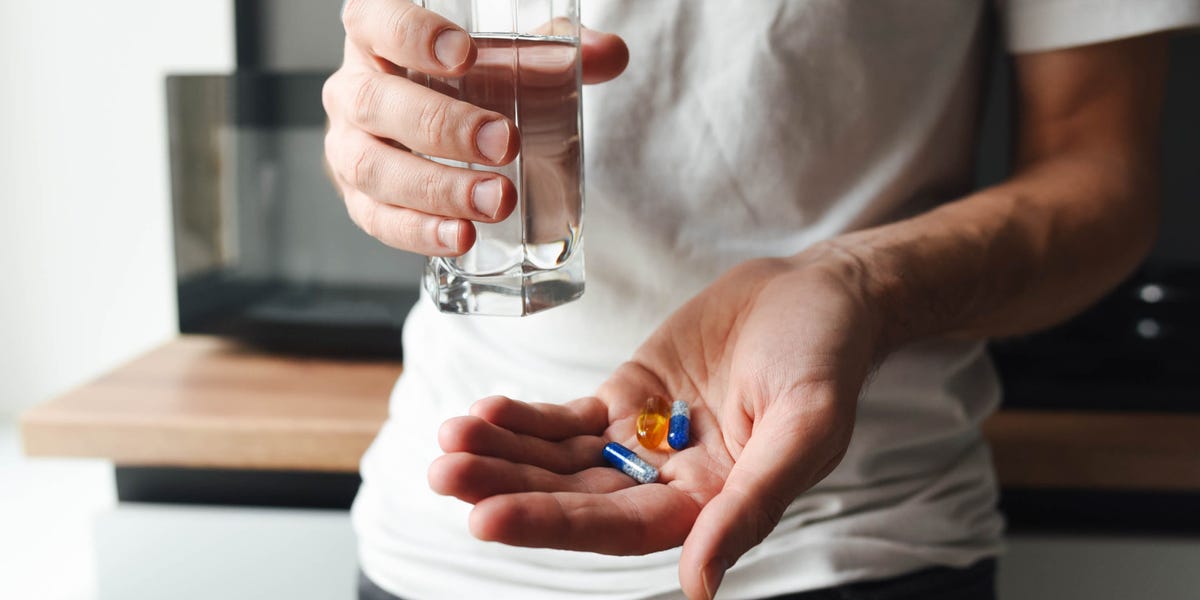
While supplements for longevity and antiaging have gained popularity, there are several risks to consider. Firstly, supplements can interact with other medications, potentially leading to adverse effects. Secondly, supplements are not as strictly regulated as prescription medications, increasing the risk of contamination and inaccurate labeling. Thirdly, accidental overdose is a concern, as excessive intake of certain supplements can be toxic. Lastly, some medications, like metformin, may have side effects that outweigh the potential benefits, particularly for younger individuals. It is important to be cautious and consult with a healthcare professional before starting any new supplement or medication.
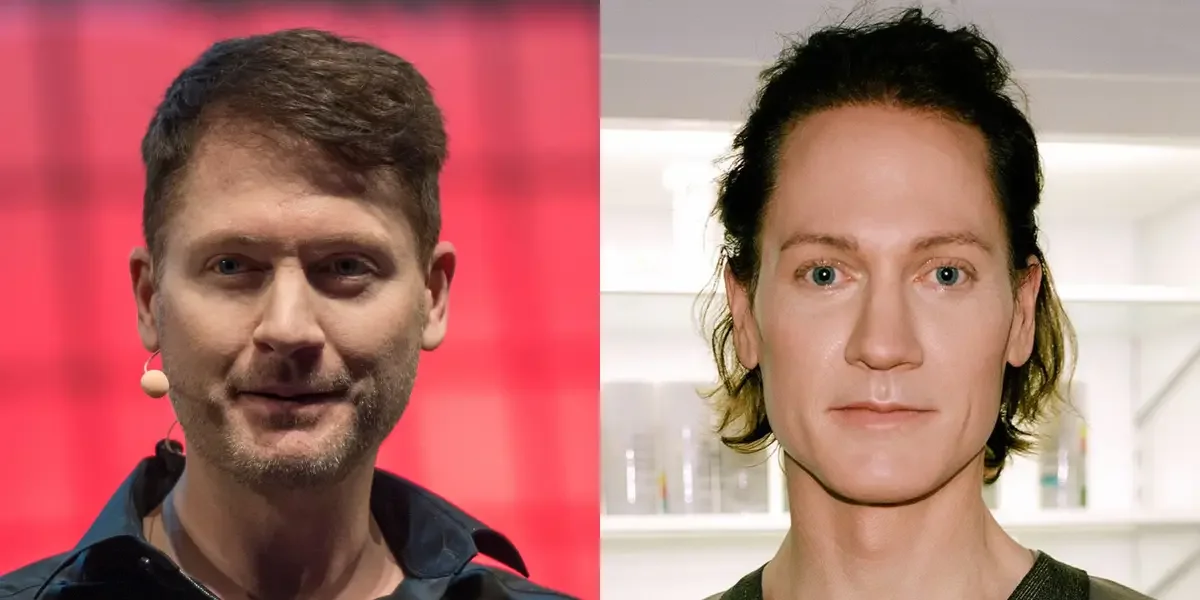
Bryan Johnson, a tech executive, has become obsessed with antiaging and spends $2 million a year on his "biological age" reduction program. After experiencing weight gain and poor health, Johnson transformed his lifestyle, adopting a strict regimen that includes waking up at 5 a.m., taking 111 supplements a day, eating all his food by 11 a.m., and going to bed at 8:30 p.m. He also practices intermittent fasting, exercises regularly, meditates, and follows a specific diet plan. Johnson's efforts have reportedly reversed his "biological age" and improved his overall health.