Tag

Sensory Perception

All articles tagged with #sensory perception

science7 months ago

The enduring mystery of why we can't tickle ourselves

Despite over a century of research, scientists still don't fully understand why certain body parts are more ticklish, why we can't tickle ourselves, or the purpose of tickling, highlighting gaps in knowledge about sensory processing, self-awareness, and human behavior. The review emphasizes the need for standardized methods and advanced technology to explore this universal yet mysterious sensation.


science-and-health1 year ago

"Inner Voice Crucial for Verbal Memory, Study Finds"

A recent study has explored the experiences of people who cannot imagine hearing their own internal monologue, a condition suggested to be called "anendophasia." Researchers found that these individuals may struggle with certain word processing tasks but perform similarly to others when allowed to speak words aloud. The study validates the experiences of those with aphantasia and highlights the importance of consistent terminology in scientific research.

science-and-technology1 year ago

Mapping the Complex Topography of Odours with AI

Recent advancements in neuroscience and artificial intelligence have led to the creation of an unprecedentedly comprehensive and accurate 'odour map', which provides a set of derived rules for calculating the placement of different odours. This map offers a new paradigm for understanding the geometry of smell, enlisting neuroscientists, theorists, and AI experts. The map not only catalogs relative locations and perceptual similarities of odours but also raises philosophical questions about how our noses perceive chemicals. Machine learning models are being used to train and develop dense code repositories to understand the complex nature of odour perception, leading to the creation of a graphical 'deep net' that mimics human judgments and provides insights into the space that chemicals occupy in our olfactory system.

science1 year ago

"Study: Female Olfactory Cues Accelerate Mortality and Reproductive Aging in Mice"

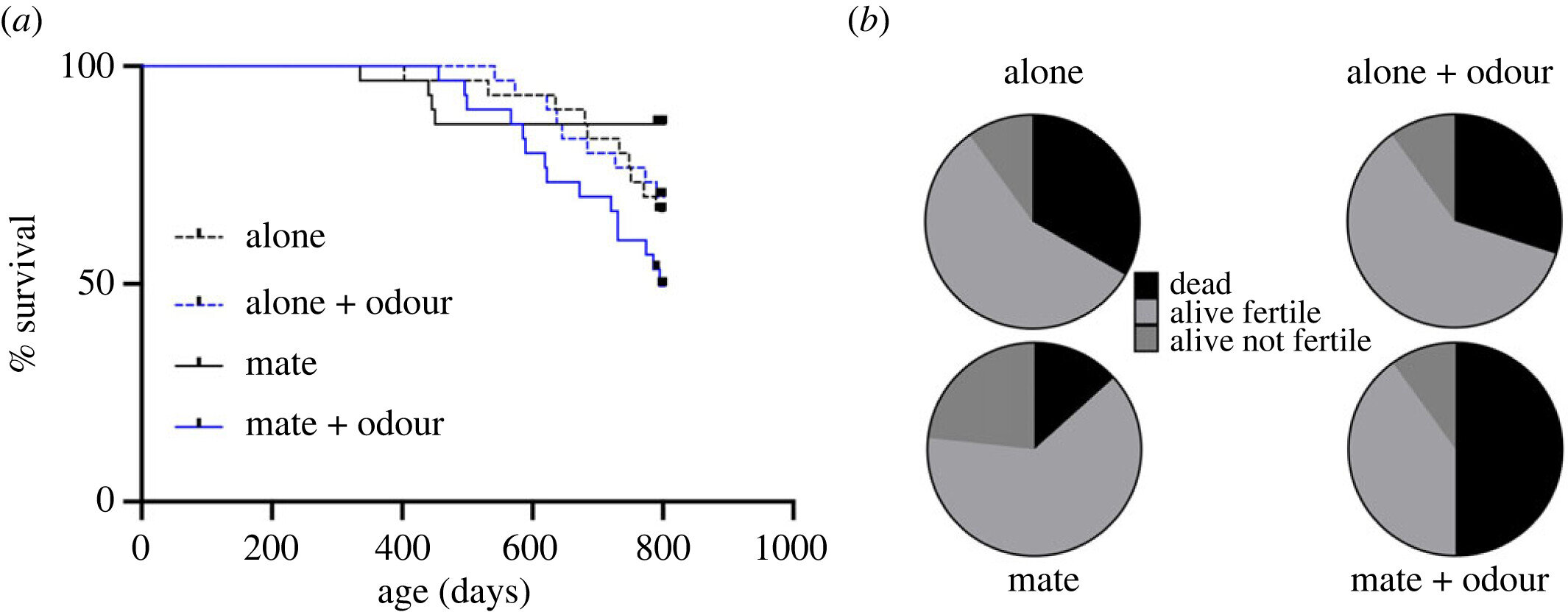
A study led by the University of Otago suggests that exposure to female olfactory cues can hasten mortality and reproductive aging in male mice. The research found that sensory cues alone can drive these effects, influencing fertility and increasing mortality rates in male mice. Lead author Associate Professor Mike Garratt highlights the potential long-term consequences of sensory perception on health and aging, emphasizing the importance of considering environmental influences and their impact on physiological effects in both animals and humans.

neuroscience1 year ago

"Uncovering the Role of Schwann Cells in Sensation"

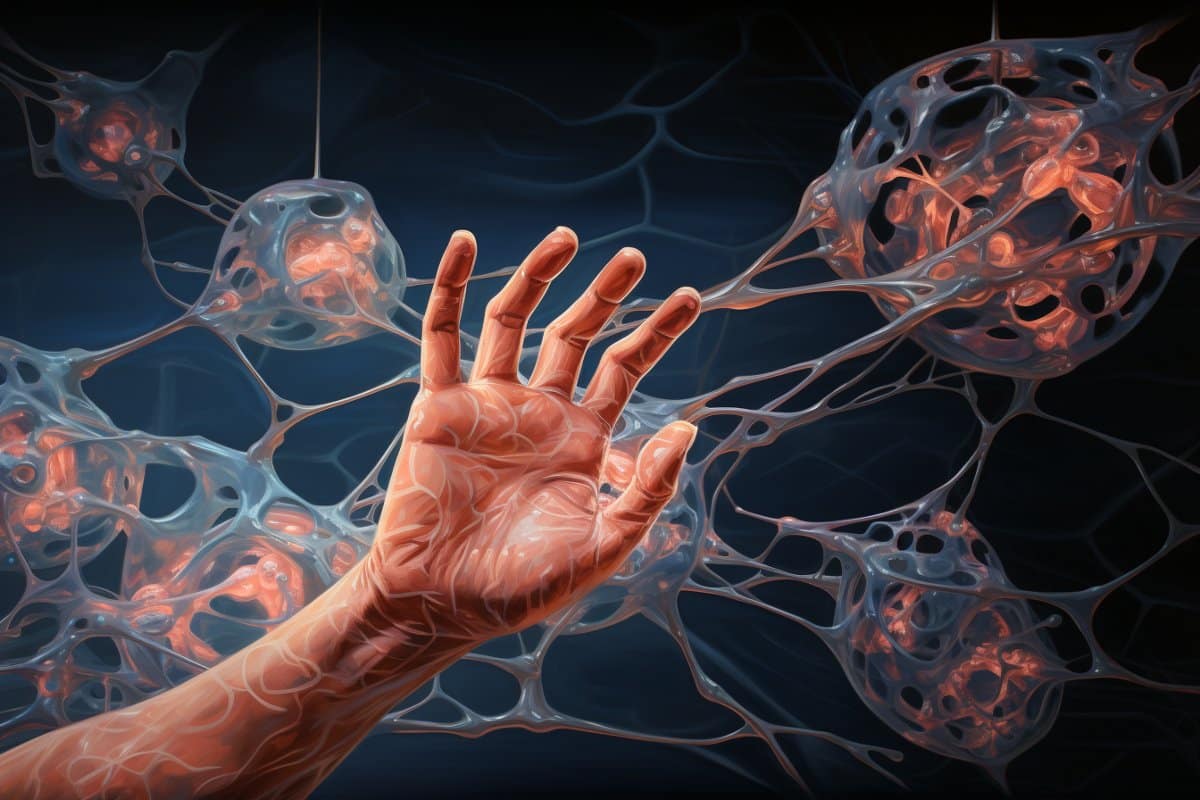
Schwann cells, traditionally known for insulating nerve fibers, have been discovered to play a crucial role in detecting sensory stimuli such as touch and pain. This groundbreaking study utilized optogenetics to manipulate these cells in mice, demonstrating their significant role in transmitting pain sensations and potential as a novel target for pain therapy. The findings challenge the existing understanding of sensory perception and offer promising new directions for treating pain and tactile impairments.

science2 years ago

Dolphins' Electrifying Superpower Unveiled

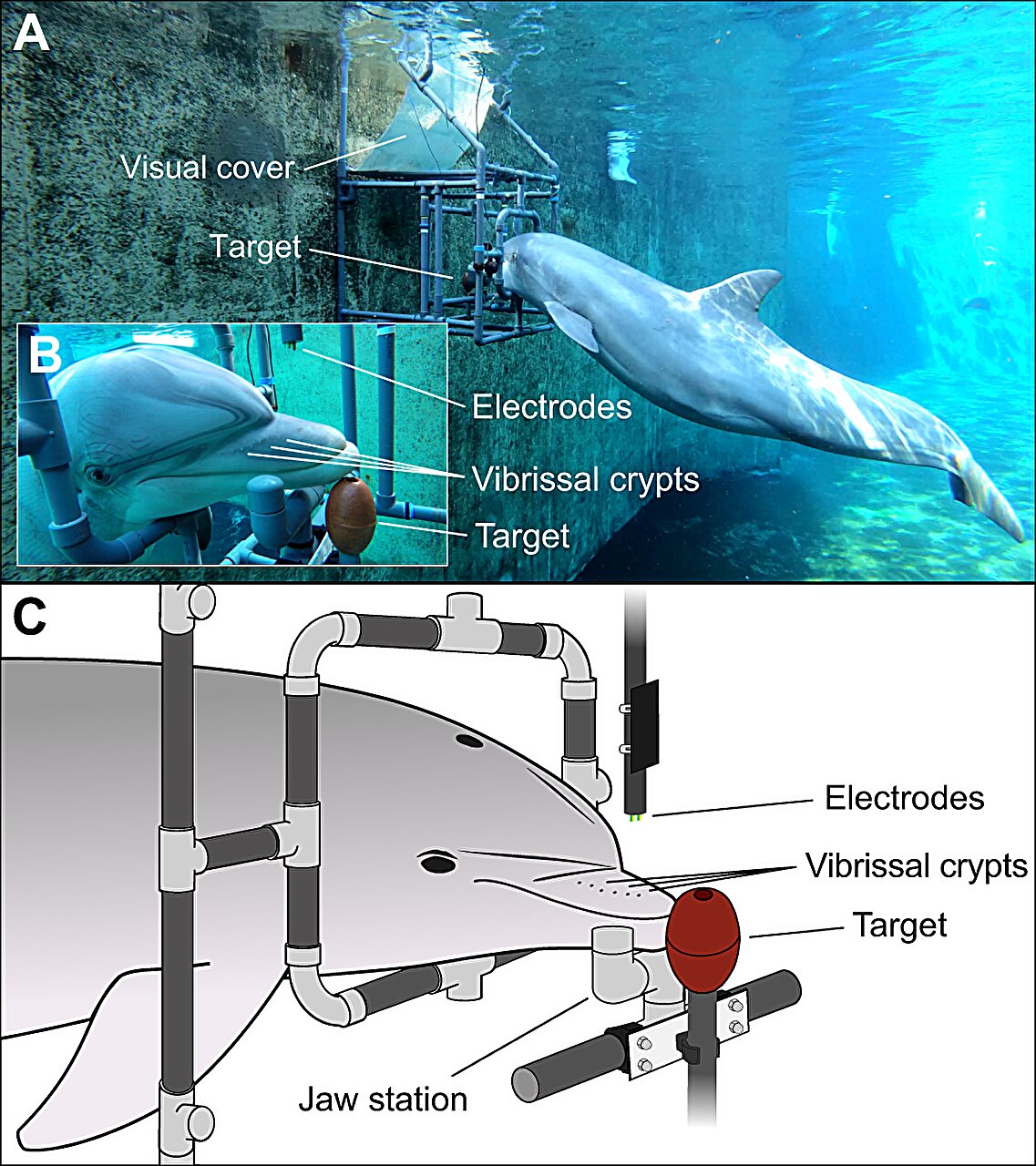
Bottlenose dolphins have been found to possess the ability to detect electric fields underwater, a skill known as electroreception. Researchers in Germany trained dolphins to swim away from a small underwater apparatus when they sensed a weak electric field, rewarding them with treats when they were correct. While not as sensitive as sharks, dolphins can use this skill to hunt prey, particularly in murky ocean environments. The dolphins in the study showed a detection threshold similar to other species like the platypus and Guiana dolphin. This ability may also enable dolphins to perceive the Earth's magnetic field through induction-based magnetoreception, aiding in large-scale orientation.

science2 years ago

Dolphins' Electrosensitivity Unveiled: A Shocking Superpower

A study conducted by bio-scientists from the University of Rostock and Nuremberg Zoo has found evidence that bottlenose dolphins can sense electric fields. The researchers tested the ability of two captive bottlenose dolphins to detect a small electric field and found that both dolphins were able to sense DC fields with 90% accuracy. This ability likely helps dolphins detect and capture prey, as well as navigate using the Earth's electric field.

science2 years ago

Dolphins' Electrosensitivity Unveiled

Scientists have discovered that dolphins have the ability to sense electric fields, which may assist them in hunting and navigating the ocean. The researchers found that the pits left by whiskers on dolphins' jaws contain nerve endings that can perceive electricity with enough sensitivity to help the dolphins detect prey or hidden fish. This ability, similar to that of sharks, could aid in close-range hunting. Additionally, dolphins may use their electrosensitivity to navigate and potentially detect changes in the Earth's magnetic field. Understanding dolphin senses better could help protect these animals in the future.

technology2 years ago

"Unveiling the Unique Perspective of Deep Neural Networks: A Departure from Human Perception"

MIT neuroscientists have discovered that deep neural networks, while proficient at recognizing various images and sounds, often misidentify nonsensical stimuli as familiar objects or words, indicating that these models develop unique and idiosyncratic "invariances" unlike human perception. The study also found that adversarial training could slightly improve the models' recognition patterns, suggesting a new approach to evaluating and enhancing computational models of sensory perception. These findings provide insights into the differences between human and computational sensory systems and offer a new tool for evaluating the accuracy of computational models in mimicking human perception.

health2 years ago

"Surprising Body Phenomena: 71 Things People Didn't Realize Were Unusual"

Reddit users shared 21 uncommon things their bodies do that they thought were normal until someone pointed out otherwise. These include tasting words, having a double uvula, experiencing cataplexy, thinking bananas were sour and grapes were carbonated due to intolerance, having dermatographia, discovering asthma, having unique blood vessels, feeling ears attempt to move towards sounds, having eight wisdom teeth, realizing vision defect, having two uteruses, experiencing hyperactivity, having a stuffy nose affecting sense of smell, having exceptional lung capacity, hearing spinal fluid movement, growing a third set of teeth, having perfect pitch, having a third nipple, being very buoyant, having alternating exo vision, and having aphantasia.

artificial-intelligence2 years ago

Unveiling the Disparity in Perception: Neural Networks vs. Human Sensory Recognition

A study conducted by MIT neuroscientists has found that deep neural networks, while capable of identifying objects similar to human sensory systems, often produce unrecognizable or distorted images and sounds when prompted to generate stimuli similar to a given input. This suggests that neural networks develop their own unique invariances, diverging from human perceptual patterns. The researchers propose using adversarial training to make the models' generated stimuli more recognizable to humans, providing insights into evaluating models that mimic human sensory perceptions.

neuroscience2 years ago

Silent Sounds: Study Reveals Our Ability to Perceive Absence

A study conducted by philosophers and psychologists at Johns Hopkins University suggests that silence can be "heard" and that the brain perceives and processes silence in a similar way to sounds. Using auditory illusions, the researchers demonstrated that moments of silence can distort our perception of time, much like sounds do. The findings challenge the notion that silence is merely the absence of sound and open up new avenues for studying the perception of absence in sensory perception. The researchers plan to further investigate the extent to which people hear silence and explore other examples of perceived absence, such as visual disappearances.

neuroscience2 years ago

The Deadly Impact of Witnessing Death on Fruit Flies

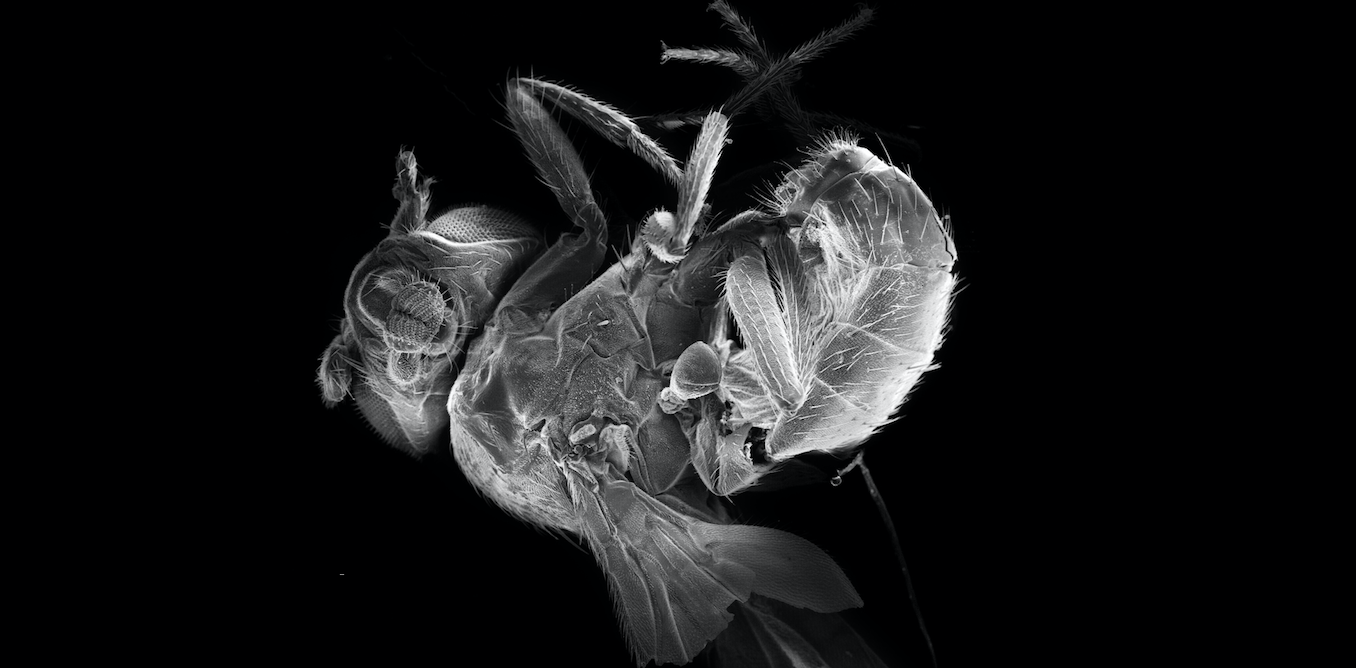
Neuroscientists have identified the neural circuits and signaling processes behind the physiological effects, including rapid aging, that occur when fruit flies encounter their dead. They found that a handful of neurons in the Drosophila brain called R2/R4 neurons act as a rheostat for aging. Inhibiting or activating them changed the aging rate of the flies, suggesting that these neurons alter fly life span in response to perceiving dead flies. The study provides insight into the neural underpinnings of how the senses affect aging and could help researchers better understand the physiological and psychological effects of people who routinely witness death.

technology2 years ago

The Science Behind VR Sickness: Exploring Individual Differences.

The severity of cybersickness experienced while playing virtual reality (VR) games is affected by how our senses adjust to the conflict between reality and virtual reality. Researchers found that the subjective visual vertical (SVV) shifts considerably after playing high-intensity VR games, and this adjustment affects the severity of cybersickness. Those who experienced less sickness were more likely to have the largest change in the SVV following exposure to high-intensity VR. Understanding the relationship between sensory reweighting and cybersickness susceptibility can lead to the development of personalized cybersickness mitigation strategies and VR experiences.