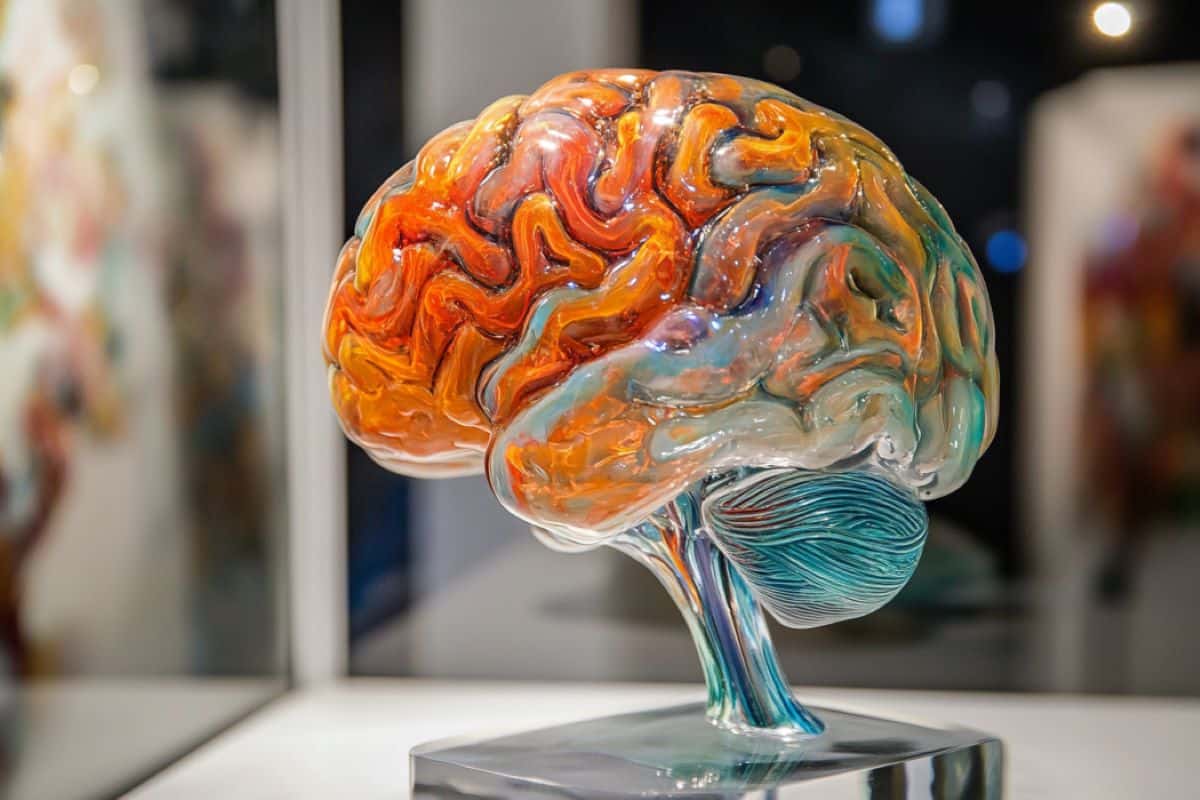
Researchers at Duke University have discovered a link between the immune gene regulator STAT1 and hyperactive behaviors in mice, which may provide insights into neurodevelopmental disorders like autism and ADHD. Prolonged STAT1 signaling in dopamine neurons led to hyperactivity and reduced neural activity in brain regions associated with learning and reward. This study suggests that targeting STAT1 could be a potential therapeutic approach for neurobehavioral disorders.

Scientists debunk the myth that sugar causes hyperactivity in children, attributing the behavior to dopamine release from the brain's reward system. Studies show no direct link between sugar and hyperactivity, with the misconception stemming from outdated research and parental expectations.
Contrary to popular belief, the hyperactive behavior in children after consuming candy is not caused by sugar itself, according to experts. Multiple studies in the 1990s found no influence of sugar on children's behavior, suggesting that the expectation of hyperactivity triggered a self-fulfilling prophecy. Some studies even suggest that eating sugar makes people more focused and in control. The most likely explanations for the perceived link between candy and hyperactivity are social factors and confirmation bias. Children themselves perpetuate the myth, believing that consuming candy will prevent them from sleeping.
Reddit users shared 21 uncommon things their bodies do that they thought were normal until someone pointed out otherwise. These include tasting words, having a double uvula, experiencing cataplexy, thinking bananas were sour and grapes were carbonated due to intolerance, having dermatographia, discovering asthma, having unique blood vessels, feeling ears attempt to move towards sounds, having eight wisdom teeth, realizing vision defect, having two uteruses, experiencing hyperactivity, having a stuffy nose affecting sense of smell, having exceptional lung capacity, hearing spinal fluid movement, growing a third set of teeth, having perfect pitch, having a third nipple, being very buoyant, having alternating exo vision, and having aphantasia.
The belief that sugar causes hyperactivity in kids emerged in the 1970s, but evidence shows that eating too much sugar does not lead to hyperactivity. While consuming too much sugar can lead to health problems, hyperactivity is not one of them.