artificial-intelligence15.745 min read
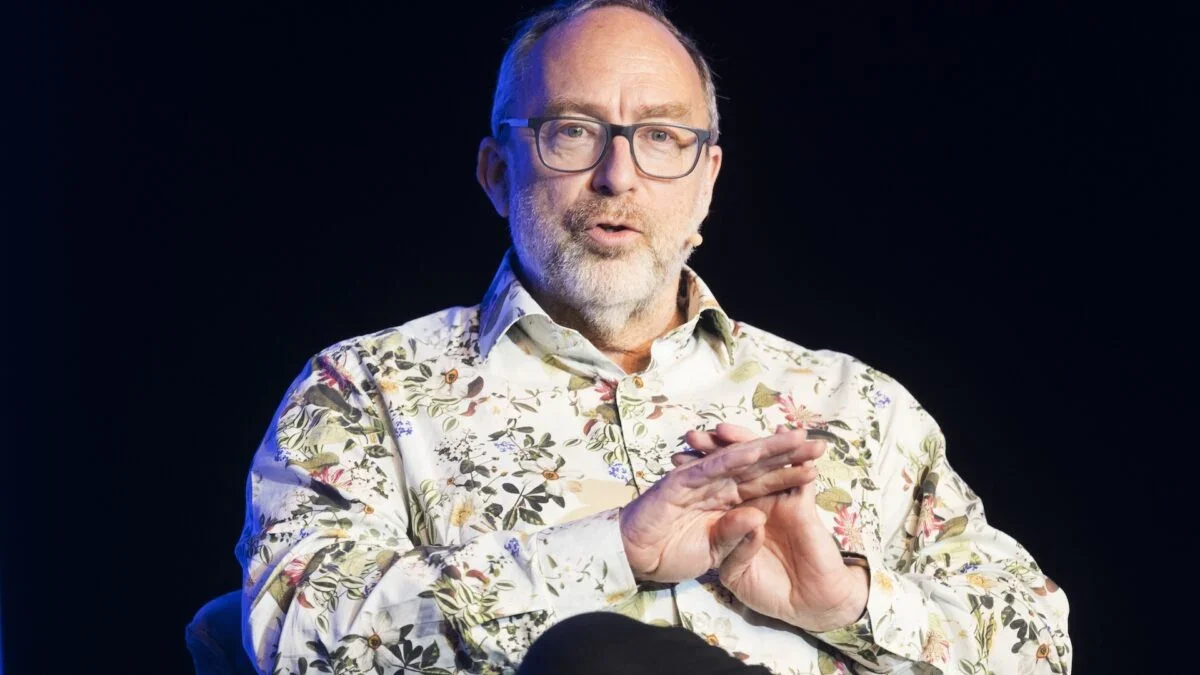
Wales dismisses Grokipedia as cartoon imitation of Wikipedia
2 days ago•Source: Gizmodo

The latest artificial intelligence stories, summarized by AI
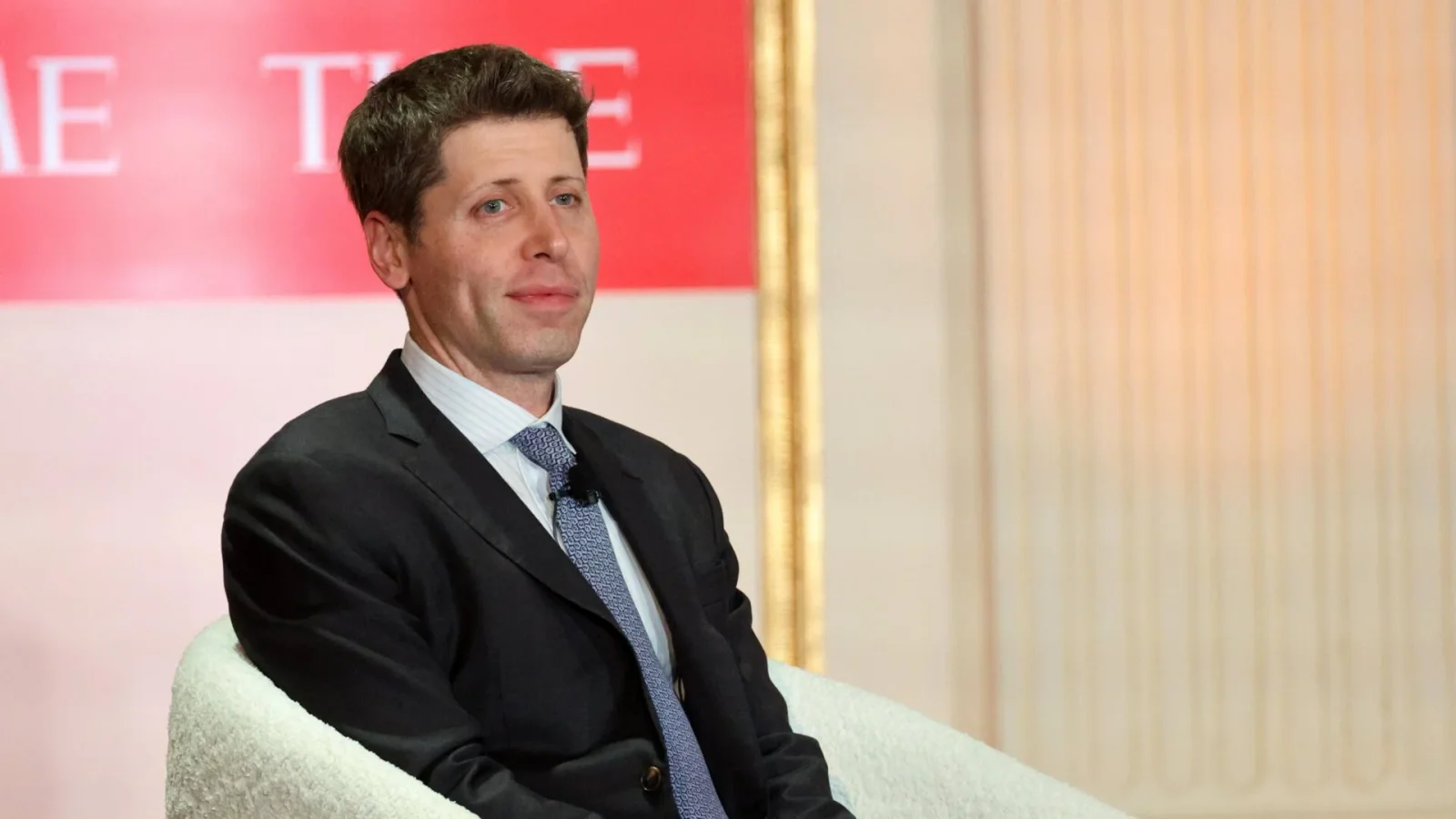
At the India AI Impact Summit, OpenAI CEO Sam Altman dismissed sensational claims about AI’s vast energy use, arguing that data centers do consume energy but that the sector should shift to nuclear and renewables. He contends that training and sustaining human civilization itself required far more energy, food, and evolutionary time, prompting a backlash online and highlighting the industry’s transparency gaps in reporting energy and water usage.

Google's Lyria 3 music-generation model arrives in the Gemini app, letting users 18+ generate 30-second AI tracks in multiple languages with lyrics, style, tempo, and vocals customizable; free tier caps output at 30 seconds while higher limits apply to AI Plus/Pro/Ultra; outputs include AI-generated album art and are watermarked with SnythID, serving as a basic AI-songs tool rather than a serious musical masterpiece.
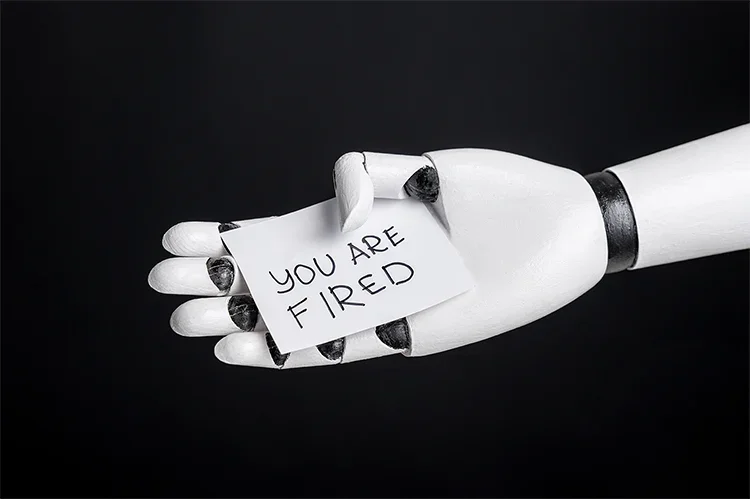
Researchers propose 'AI replacement dysfunction' (AIRD) as a new clinical construct describing distress tied to the threat or reality of AI-driven job displacement. AIRD includes symptoms such as anxiety, insomnia, depression, and identity confusion, with potential links to broader psychiatric issues; polls show broad concern about AI’s impact on employment, especially for early-career workers, even though direct AI-caused layoffs are not yet widespread. The piece notes a screening framework and suggests cognitive behavioral therapy as a potential treatment, but AIRD is not an official diagnosis yet.

David Greene, a former NPR Morning Edition co-host, filed a California lawsuit accusing Google of using his distinctive voice to train one of NotebookLM's AI co-hosts without permission, tied to the platform's Audio Overviews that convert notes into podcast-style segments. Google says the voice comes from a paid actor. The case highlights ongoing tensions over consent, compensation, and data used to train AI-generated media.

ByteDance’s Seedance 2.0 AI model reportedly uses Disney IP to generate short videos, prompting Disney to issue a cease-and-desist accusing ByteDance of hijacking Disney’s characters; the move comes amid Disney’s OpenAI deal for Sora and signals a broader push by rights holders to licensing agreements as AI content expands.
Anthropic released Claude Opus 4.6, boosting coding capability, task planning, and reliability for large codebases, and it reportedly identified more than 500 undisclosed zero-day vulnerabilities in open-source libraries without prompting. The update also emphasizes tools for creating presentations and navigating Excel under Claude Code and could aid financial analysis. Wall Street reacted with volatility, but analysts note Anthropic still leads in enterprise AI amid OpenAI’s Frontier launch, underscoring how AI developments are reshaping the economy.

A wave of ‘right-to-compute’ laws is spreading through U.S. state legislatures to limit government regulation of computational resources, with Montana first to pass such a measure and others like New Hampshire, Ohio, and South Dakota considering similar bills; Idaho’s effort stalled. Proponents say the laws protect property rights and free expression, while critics warn they mainly benefit large tech firms by curbing local AI and data-center regulation, even as AI infrastructure expands and electricity costs and grid strain rise.

Apple is acquiring Israeli AI startup Q.ai for about $2 billion, a move that could bring facial-movement analysis tech to AirPods, FaceTime, and future wearables; Q.ai’s co-founder Aviad Maizels previously founded PrimeSense, the team behind Face ID, and the deal comes amid discussions about Israel-related workforce and ethical concerns.

Anthropic CEO Dario Amodei warns that as AI advances toward superintelligence, humanity may lack the maturity to manage the power, outlining existential and national-security risks in a lengthy essay and urging stronger safeguards and policy oversight even as Anthropic continues to develop Claude; he frames the risk with a 'country of geniuses' thought experiment to illustrate time-advantage dynamics and notes AI-enabled authoritarianism as a central concern.

Saudi Arabia’s Neom megacity project, including The Line, is being downsized and could pivot from housing millions to becoming a data-center hub to boost AI capabilities, as delays, budget overruns, and leadership changes mount, while evictions and migrant-worker abuses highlight the human cost behind the plan.
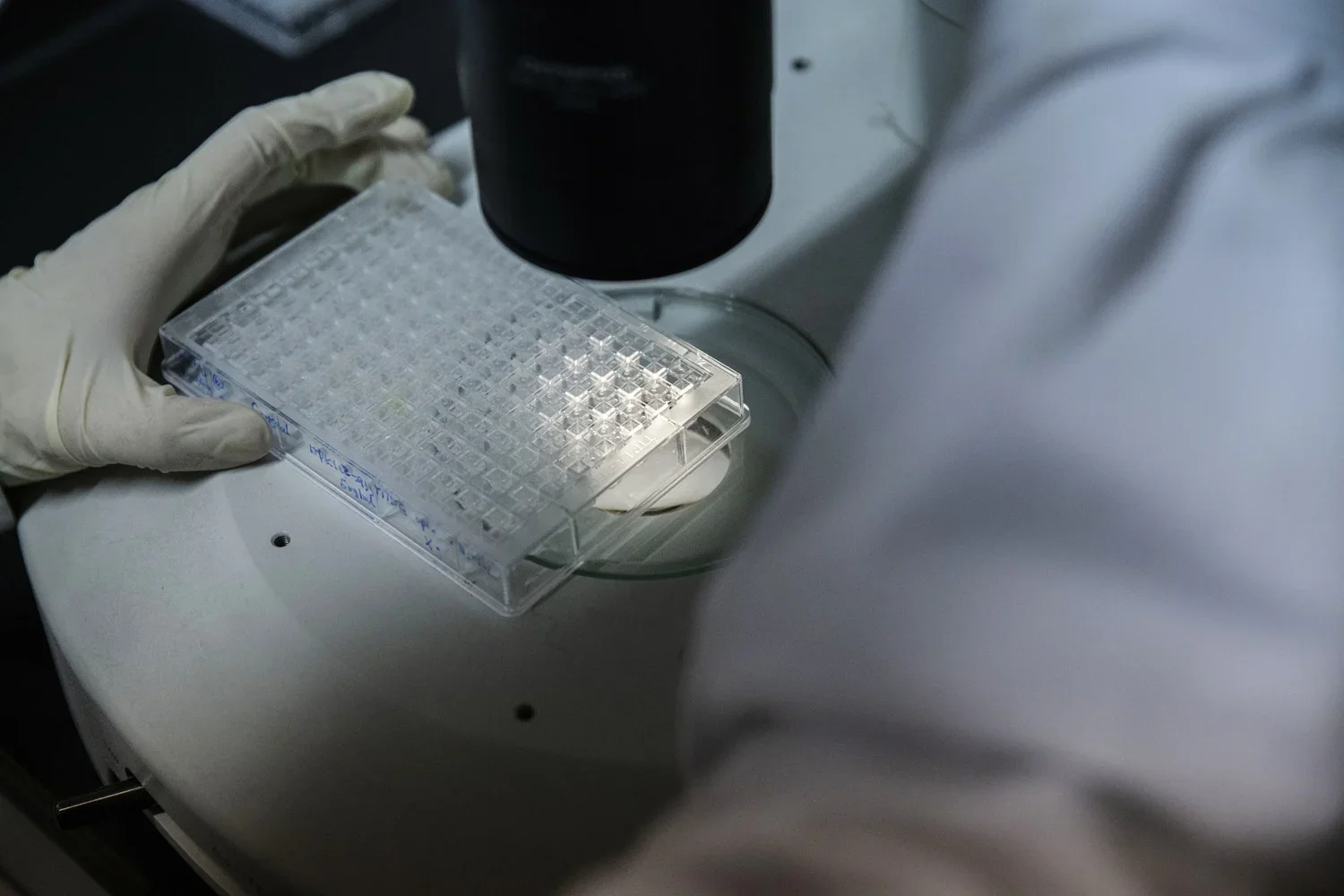
A Gizmodo.io9 piece argues that AI-generated or AI-augmented papers are flooding arXiv, undermining traditional signals of quality and risking the reliability of scientific publishing. While AI can help with language barriers, analyses show AI-authored submissions are more prolific and standard quality indicators are becoming less reliable as publication volume rises; incidents like a Nature report about a German researcher misusing ChatGPT and AI-generated data in cancer research illustrate the potential for fraud. The article warns this could overwhelm scholarly communication unless reviewers and repositories tighten safeguards.