Yann LeCun, a pioneering AI researcher and Turing Award winner, plans to leave Meta to start his own AI company focused on developing 'world models' that understand environments through video and spatial data, signaling a shift in his career and highlighting disagreements over AI research directions at Meta.
Researchers have modeled how deep neural networks learn features using a physics-inspired spring-block system, revealing insights into data separation and generalization, which could improve training efficiency and understanding of AI models.
Researchers at La Sapienza University have developed WhoFi, a system that can identify individuals based on how they disrupt Wi-Fi signals, achieving 95.5% accuracy, raising privacy concerns despite its potential for discreet surveillance and its non-reliance on visual data.
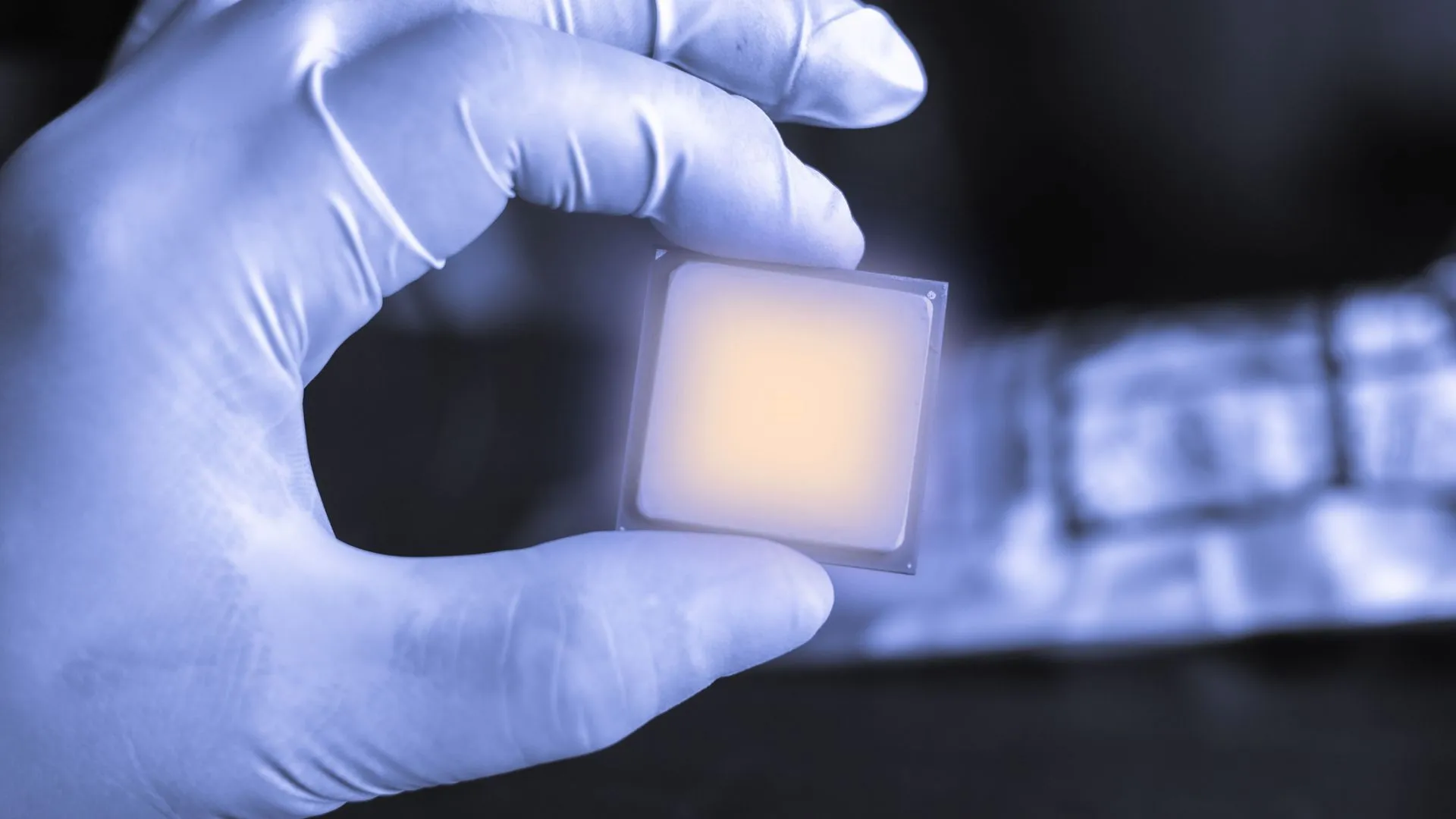
MIT researchers have developed a photonic chip capable of performing deep neural network computations with high energy efficiency and speed, achieving 96% accuracy in training and 92% in inference. This chip, which integrates nonlinear optical function units, represents a significant advancement in AI hardware by maintaining operations in the optical domain, thus reducing energy consumption and latency. The technology, still in its early stages, promises scalable solutions for energy-efficient AI applications.
Researchers at the University of Tsukuba and IBM Research have used deep neural networks to identify disease-specific reductions in emotional vocalization in Lewy body dementia, distinguishing it from Alzheimer's disease. This reduction in vocal emotional expressivity is linked to cognitive impairment and brain region atrophy, suggesting that vocal emotion analysis could aid in early detection and proper care for Lewy body dementia patients.
Artificial intelligence systems are more vulnerable to adversarial attacks than previously believed, according to a study. Adversarial attacks involve manipulating data to confuse AI systems, potentially leading to incorrect decisions. Researchers developed QuadAttacK, a software that can test deep neural networks for susceptibility to these attacks, and found widespread vulnerabilities in widely-used networks. The findings highlight the need to enhance AI robustness against adversarial attacks, particularly in critical applications with potential human life implications.
MIT neuroscientists have discovered that deep neural networks, while proficient at recognizing various images and sounds, often misidentify nonsensical stimuli as familiar objects or words, indicating that these models develop unique and idiosyncratic "invariances" unlike human perception. The study also found that adversarial training could slightly improve the models' recognition patterns, suggesting a new approach to evaluating and enhancing computational models of sensory perception. These findings provide insights into the differences between human and computational sensory systems and offer a new tool for evaluating the accuracy of computational models in mimicking human perception.
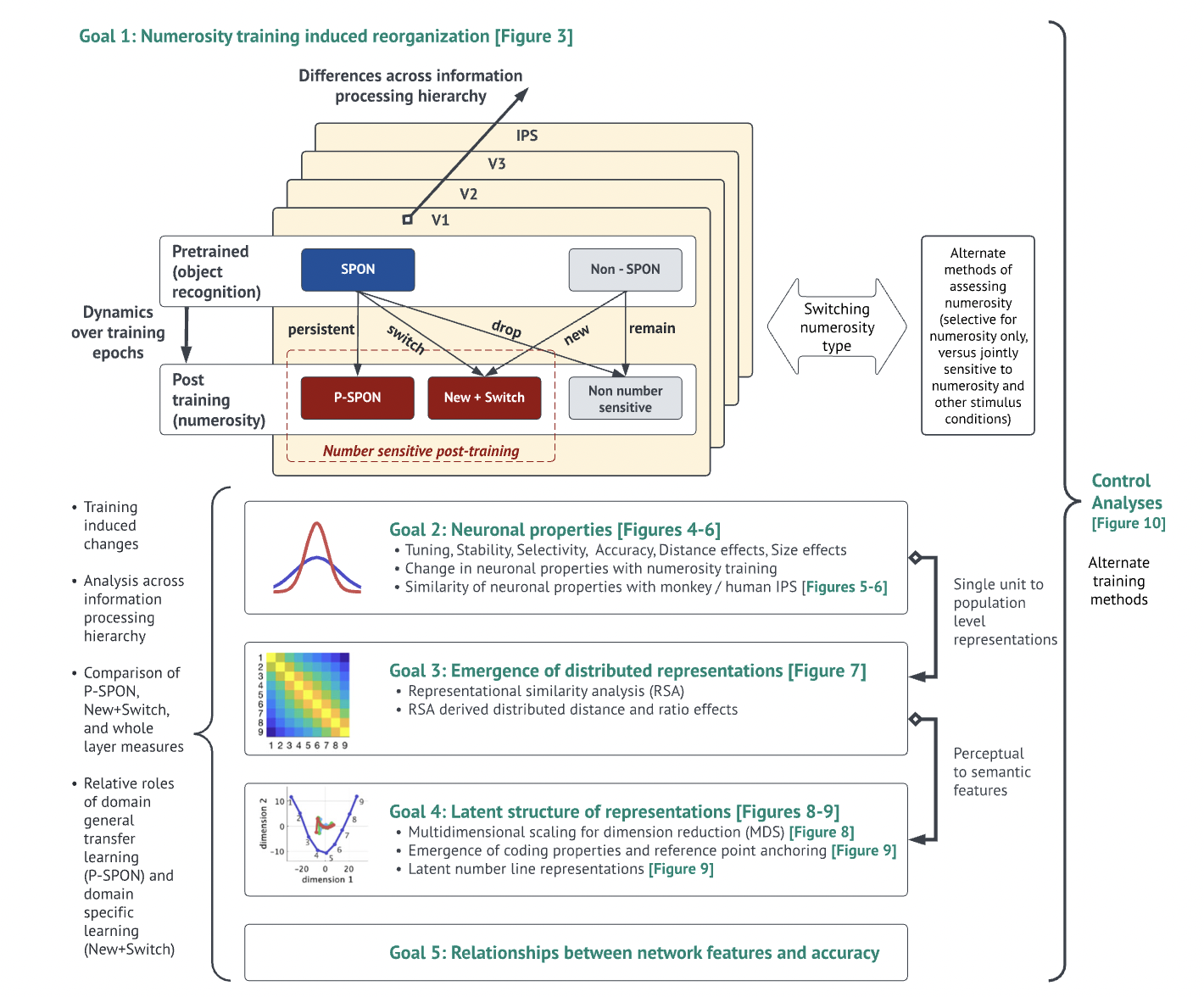
Stanford researchers at the Human-Centered Artificial Intelligence (HAI) are using biologically inspired neural architecture to understand the emergence of number sense in the human brain. By studying the neural representations in cortical layers V1, V2, V3, and the intraparietal sulcus (IPS), they found that visual numerosity and quantity-sensitive neurons can spontaneously emerge in deep neural networks. The researchers also investigated how numerical representations develop in children, finding that small numbers are learned through non-symbolic representations, while large numbers are learned through counting and arithmetic principles. This research has important implications for understanding the development of number sense and learning in children.
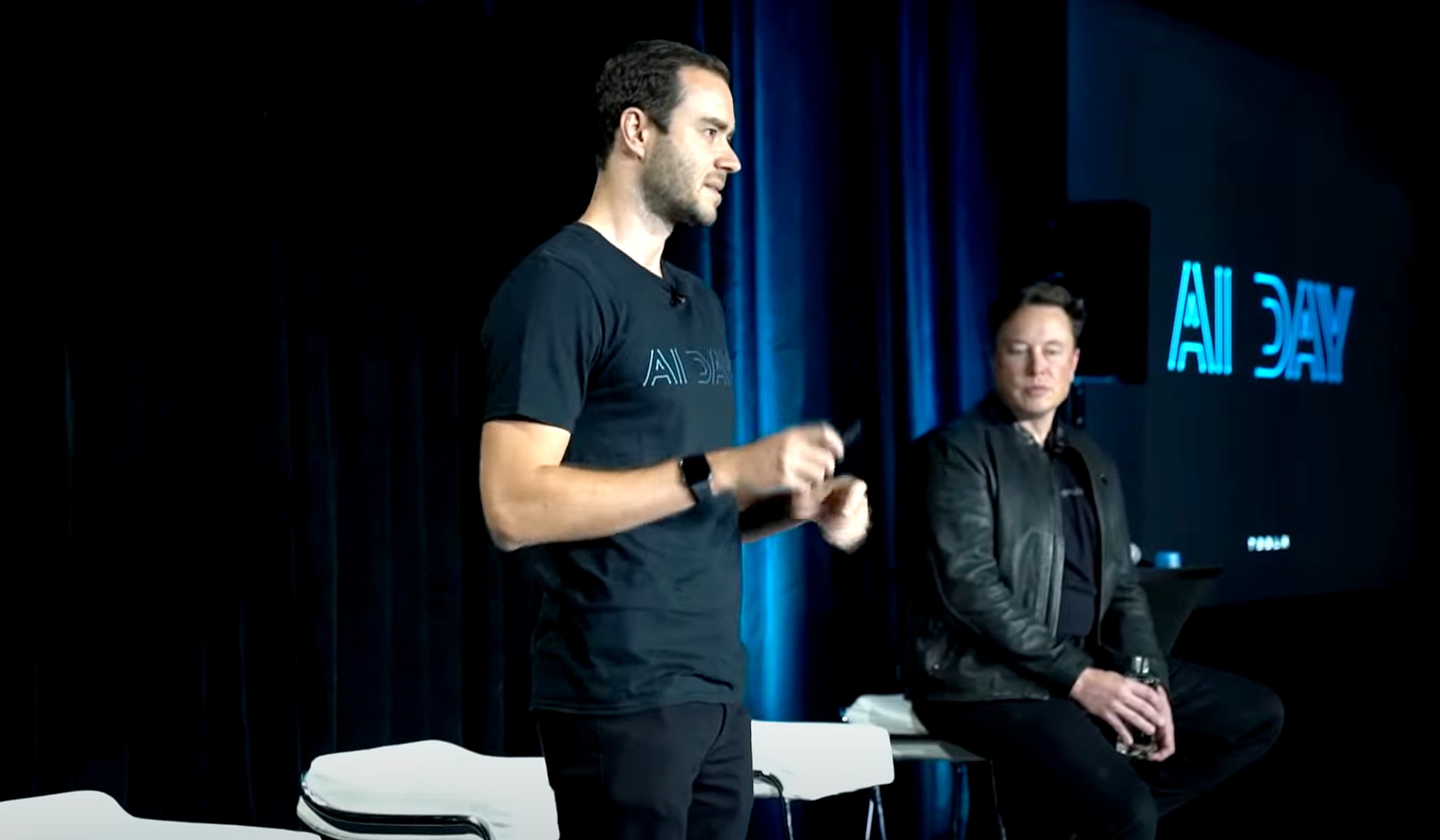
Former Tesla AI Director Andrej Karpathy has been honored with the WTF Innovators Award for his contributions to deep neural networks and computer vision. Karpathy, known for his work on Tesla's autonomous driving efforts, was recognized for his research and dedication to advancing AI for the benefit of humanity. The award's inaugural class focuses on AI innovators, with Karpathy joining other notable figures in the field.
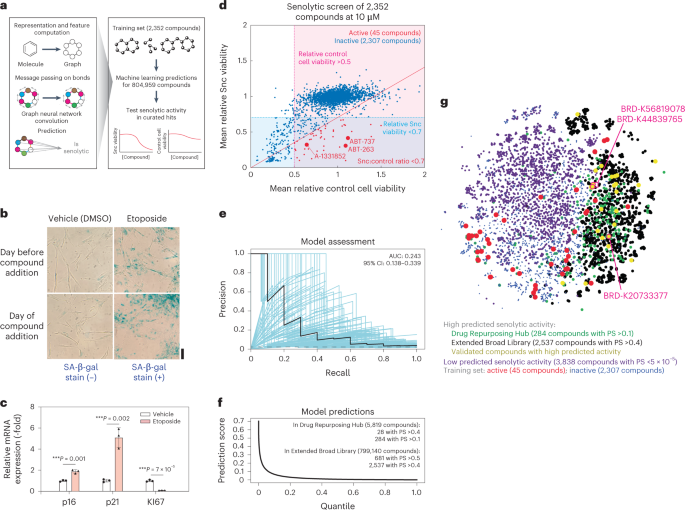
Researchers have developed a deep neural network-based approach to identify small-molecule senolytics, drugs that selectively eliminate senescent cells, which contribute to aging and age-related diseases. The approach was able to identify several new senolytic compounds, which were validated in vitro and in vivo. The study demonstrates the potential of machine learning in drug discovery for aging and age-related diseases.
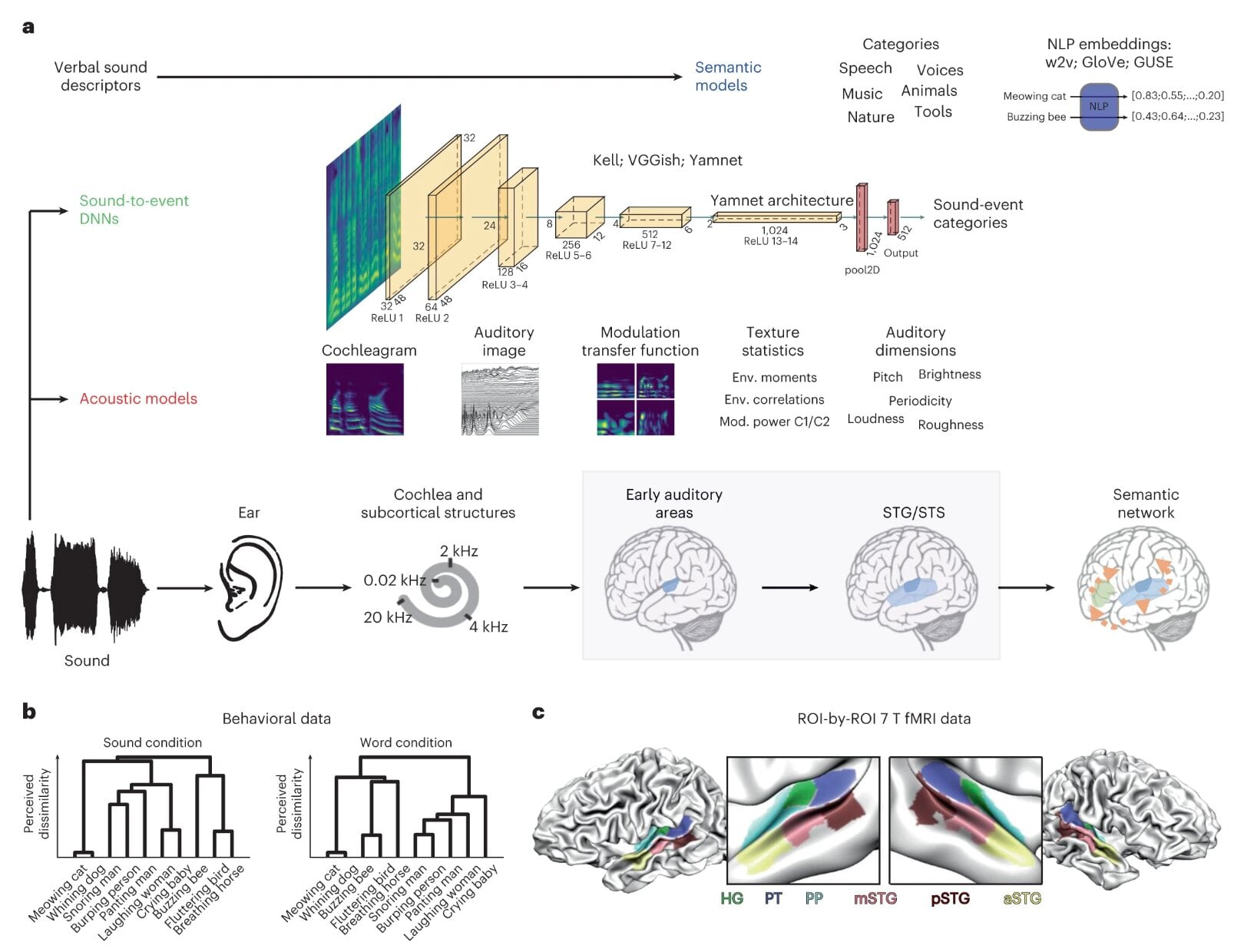
Researchers at CNRS and Université Aix-Marseille and Maastricht University have used computational models to predict how the human brain transforms sounds into semantic representations of what is happening in the surrounding environment. The team assessed three classes of computational models, namely acoustic, semantic and sound-to-event DNNs, and found that DNN-based models greatly surpassed both computational approaches based on acoustics and techniques that characterize cerebral responses to sounds by placing them in different categories. The researchers also hypothesized that the human brain makes sense of natural sounds similarly to how it processes words.
Researchers at Rice University have found that Fourier analysis, a mathematical technique that has been around for 200 years, can be used to reveal important information about how deep neural networks learn to perform complex physics tasks, such as climate and turbulence modeling. This research highlights the potential of Fourier analysis as a tool for gaining insights into the inner workings of artificial intelligence and could have significant implications for the development of more effective machine learning algorithms.