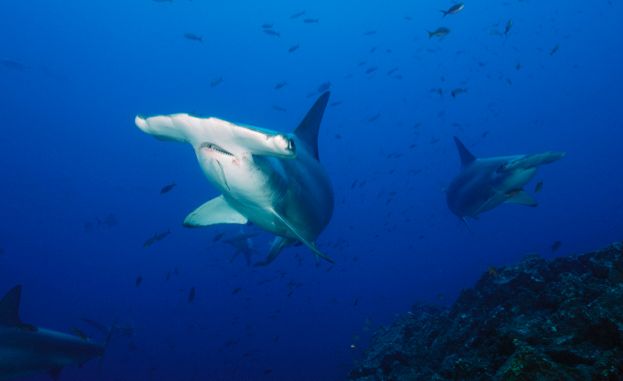
Sharks possess a deadly secret sixth sense called electroreception, enabled by special pores on their snouts that detect electrical signals and vibrations in water, helping them hunt and navigate their environment more effectively than humans realize.
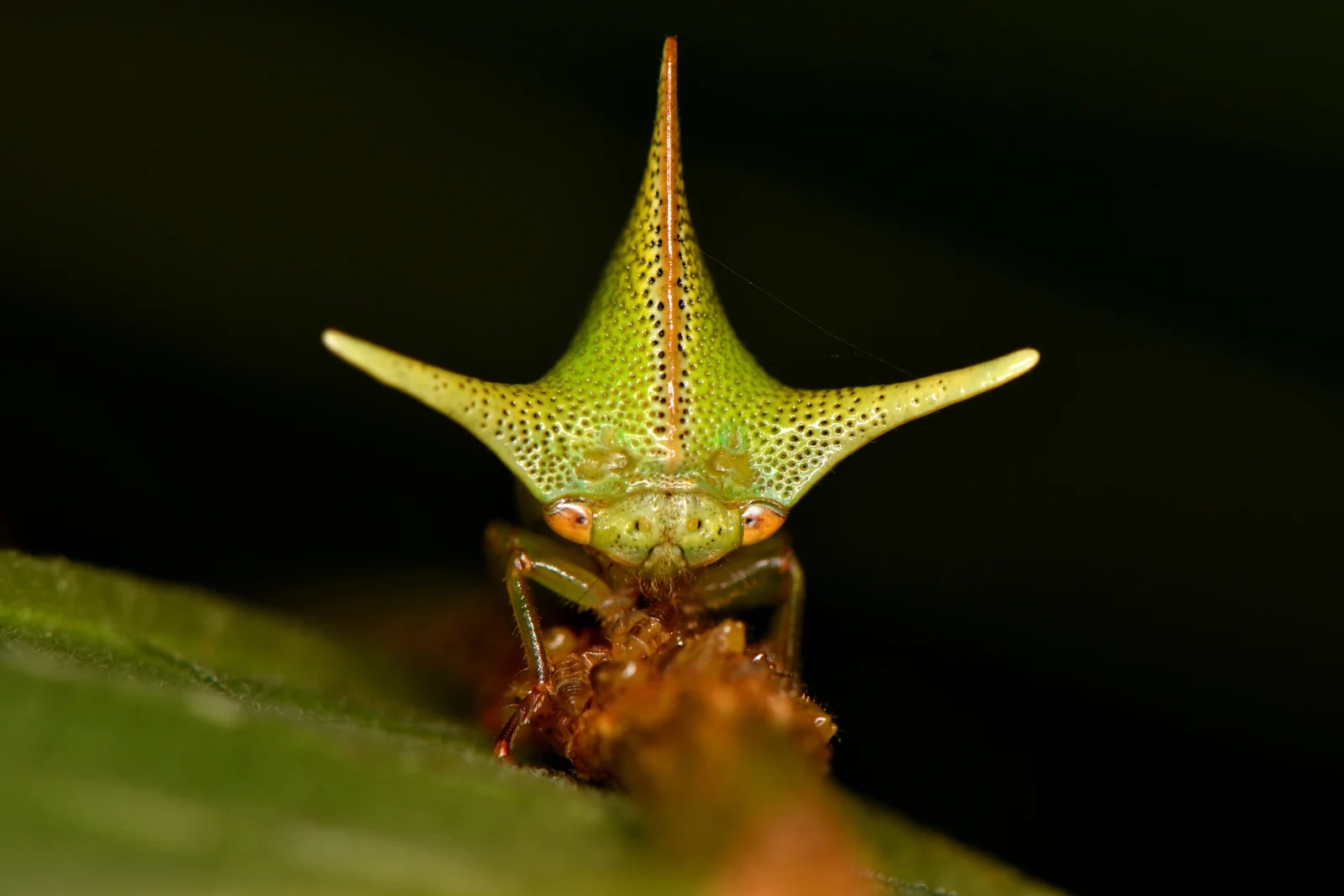
A new study suggests that static electricity detection may have influenced the evolution of the bizarre shapes of treehopper insects, with their extreme morphologies potentially enhancing their sensitivity to electric fields, aiding in predator detection and communication.
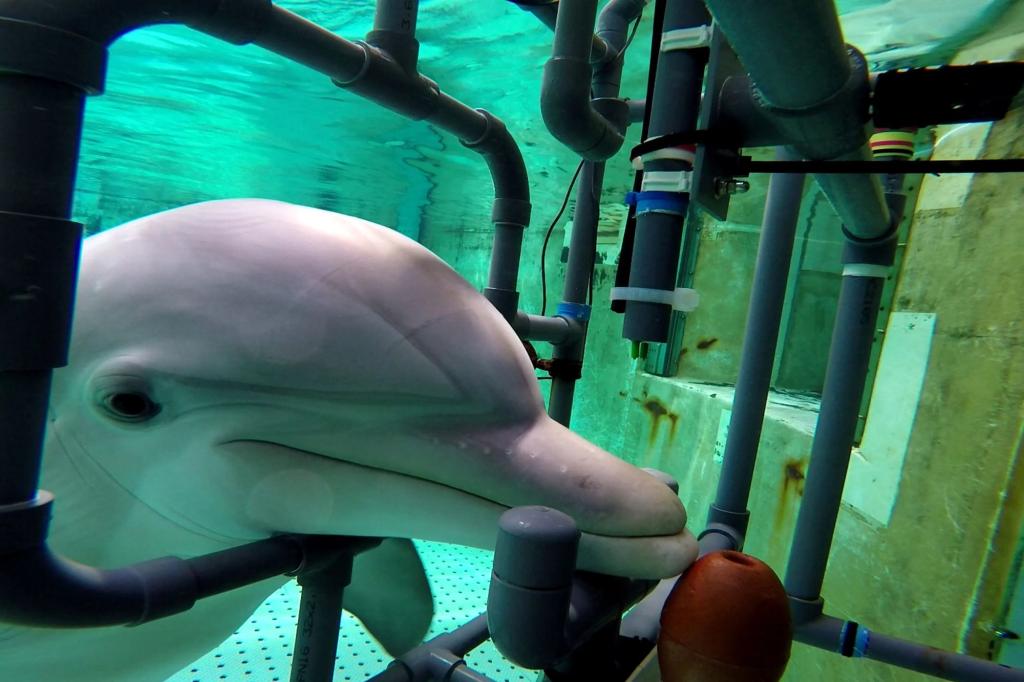
Bottlenose dolphins have been found to possess the ability to detect electric fields underwater, a skill known as electroreception. Researchers in Germany trained dolphins to swim away from a small underwater apparatus when they sensed a weak electric field, rewarding them with treats when they were correct. While not as sensitive as sharks, dolphins can use this skill to hunt prey, particularly in murky ocean environments. The dolphins in the study showed a detection threshold similar to other species like the platypus and Guiana dolphin. This ability may also enable dolphins to perceive the Earth's magnetic field through induction-based magnetoreception, aiding in large-scale orientation.