Iran Crisis in a Renewables World: Fewer Oil Shocks, New Mineral Chokepoints
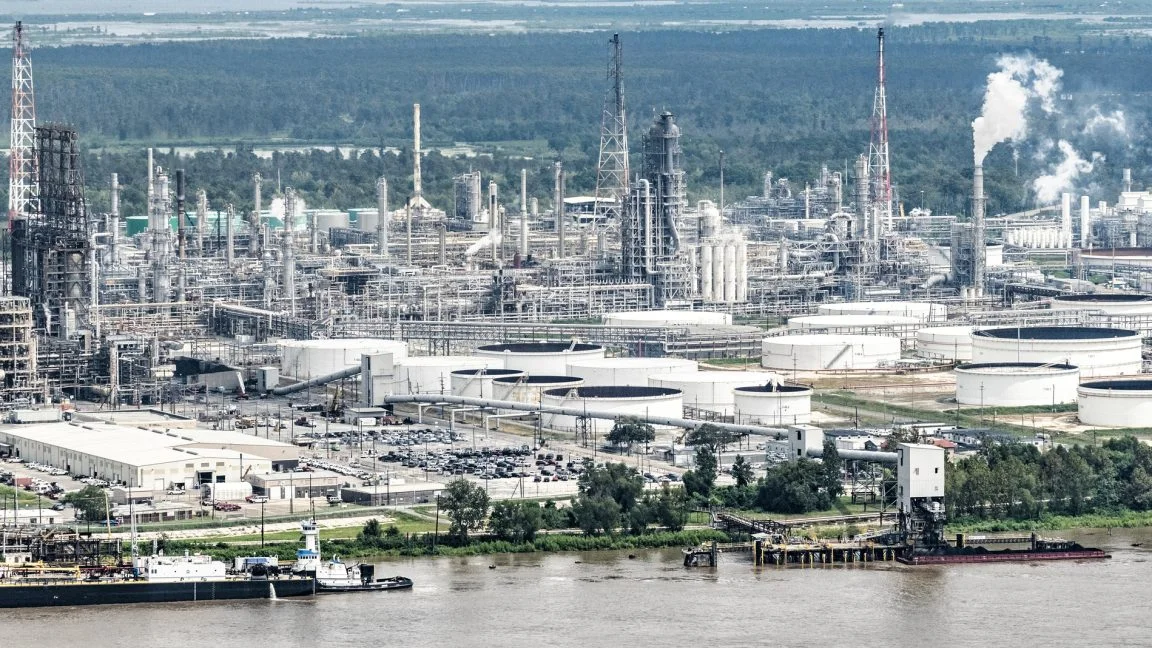
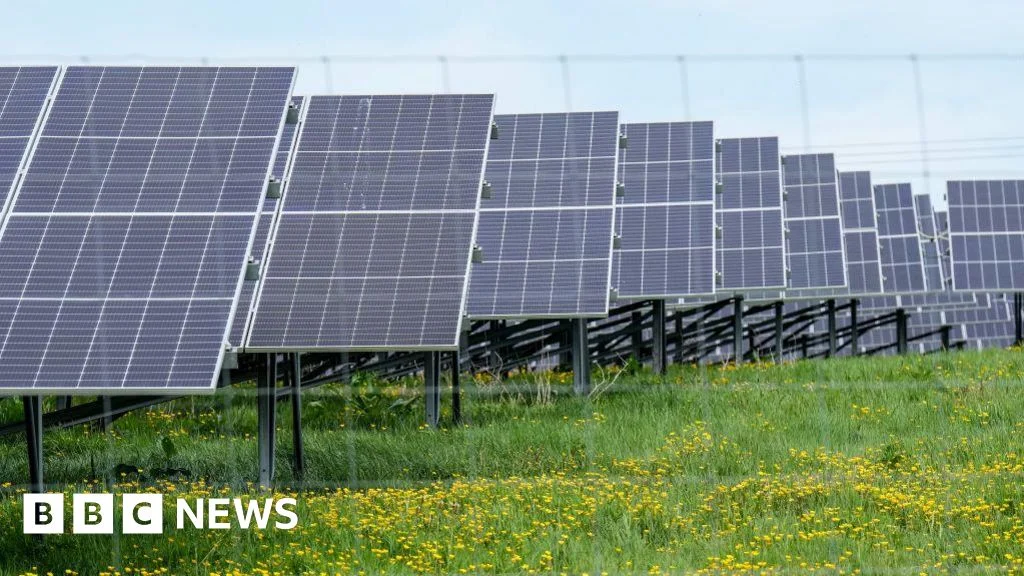
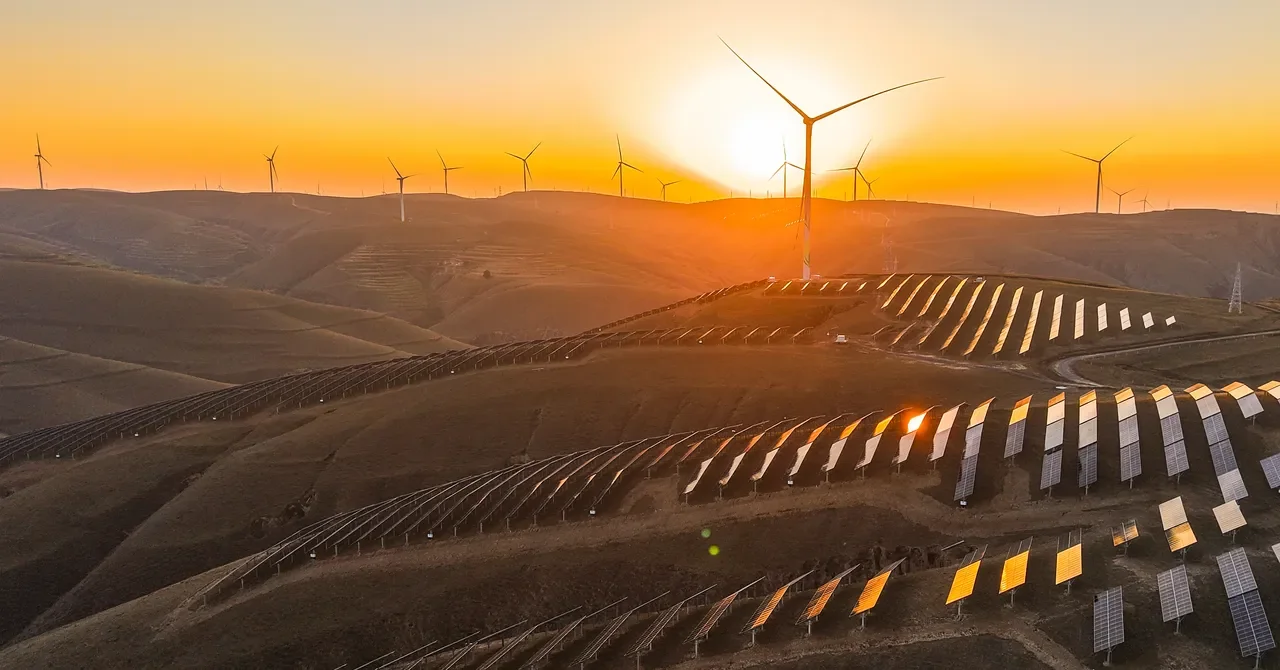
A thought experiment imagines the US–Israel–Iran crisis unfolding in a world powered largely by wind, solar and batteries. In this renewables-dominated system, energy is more domestically produced, transportation is electric, and heating relies on local renewables, muting the oil-price spike and inflation seen today. The immediate macro shock would be weaker, with oil still traded but less central to daily energy use; electricity would largely continue, and household bills would be more stable. Geopolitics would shift from controlling oil chokepoints to managing diversified, distributed grids and supply chains for minerals like lithium, cobalt and rare earths, which could create new chokepoints in processing hubs and semiconductor plants. Community consent and stronger environmental standards would give local actors greater leverage over projects. Overall, decarbonisation could yield greater energy resilience and geopolitical stability, but energy security would still be contested, now around minerals and domestic grid resilience rather than a single strait like Hormuz.