A Washington state report claiming significant CO2 reductions from $1.5 billion in climate investments is largely inaccurate, with about 86% of the claimed reductions likely false due to data errors and overly optimistic estimates, raising concerns about the credibility of the state's climate spending and reporting.
The European Union plans to implement a carbon border tax to reduce emissions and promote climate goals, despite facing opposition from some trade partners who are concerned about potential trade disruptions and economic impacts.
Toyota is using retro-style video games on an internal platform called Toyota Policy Drivers to encourage its US employees to lobby politicians on issues like environmental regulations, despite its public commitments to sustainability and reducing emissions. Critics argue this gamified approach to political advocacy is dystopian and undermines genuine climate action, highlighting a complex contrast between Toyota's environmental branding and its lobbying activities.
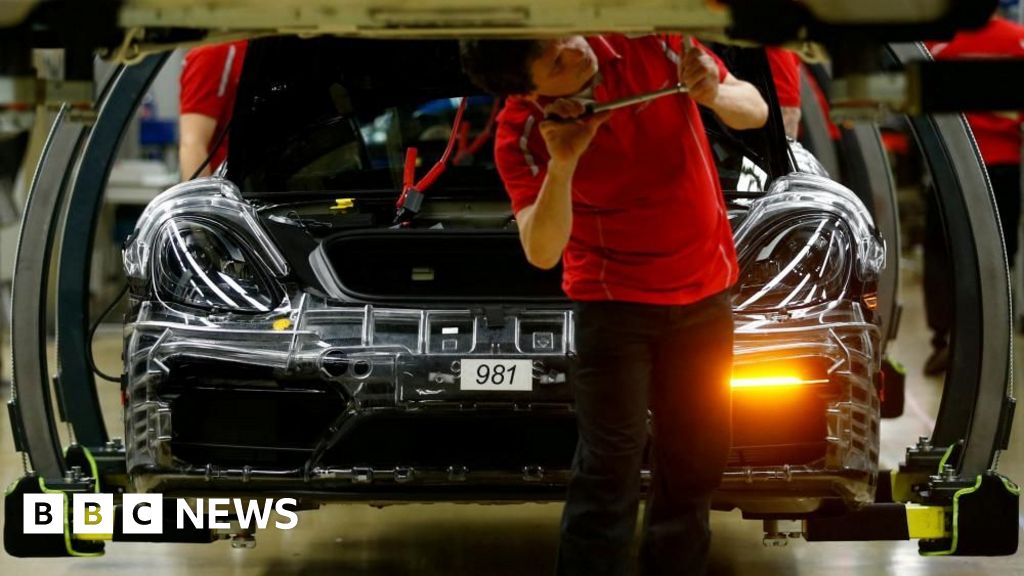
Germany's opposition led by Merz influenced the EU to reverse its ban on new internal combustion engines from 2035, favoring flexibility and technological diversity to support the struggling automotive sector, amid ongoing debates on climate targets and industry competitiveness.
The European Commission has relaxed its plans to phase out new petrol and diesel cars by 2035, allowing 10% of sales to be non-zero emission vehicles, amid lobbying from carmakers and concerns over market demand, while opponents warn this could hinder the transition to electric vehicles and competitiveness.
Brussels is considering plans to cancel or delay the 2035 ban on combustion engines, signaling a potential shift in European climate and transportation policies.
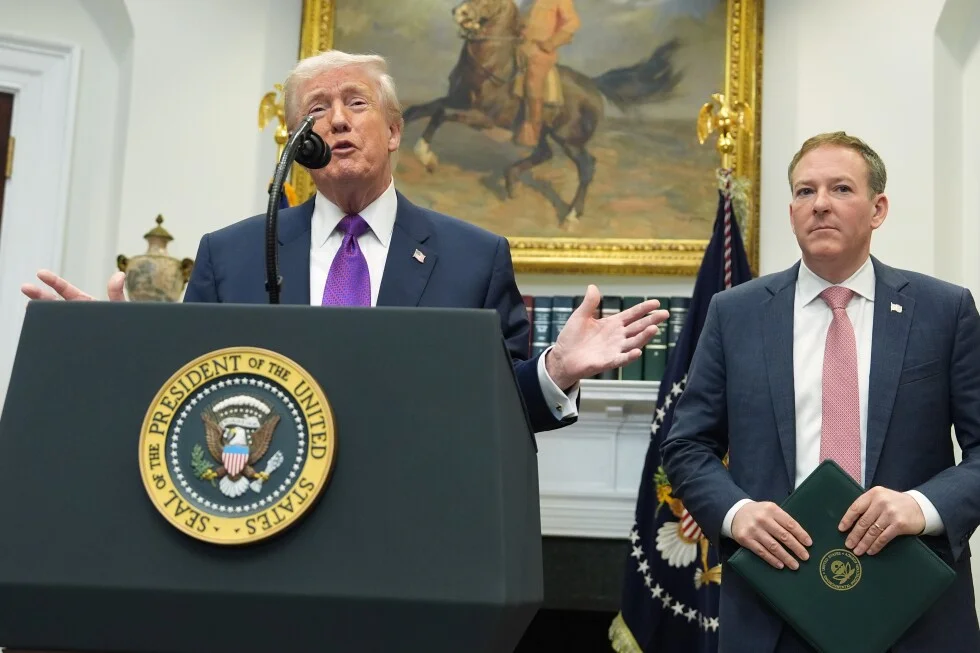
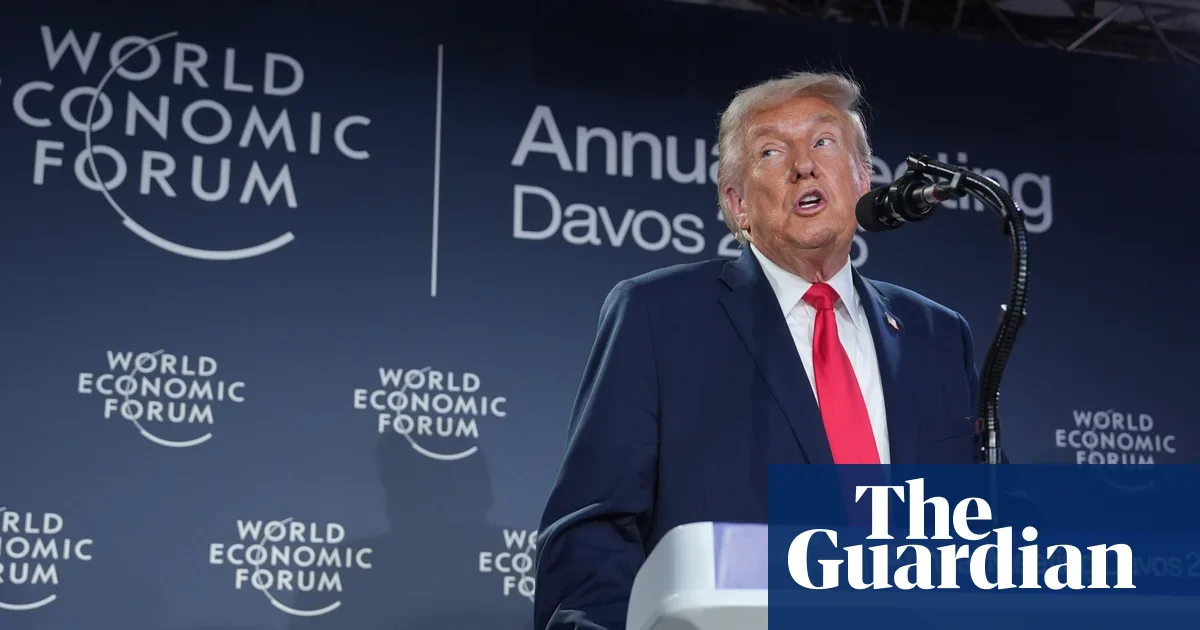
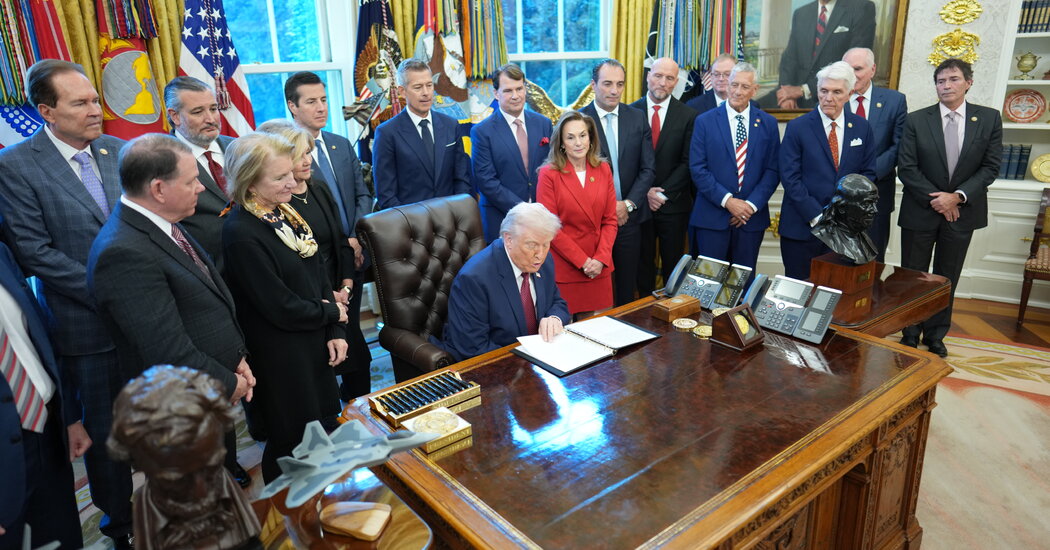
President Trump has reversed Biden's push for electric vehicles by weakening fuel efficiency standards and promoting gasoline-powered cars, citing cost and performance concerns, thereby undermining efforts to combat climate change.
Brad Lander's upcoming departure as NYC comptroller is seen as positive for the city's $300 billion pension fund, as his push to exclude BlackRock over green energy policies is viewed as misguided and potentially harmful to retirees' investments. His focus on climate activism over sound investment strategies and the influence of political agendas are criticized, emphasizing the need for a more pragmatic approach to managing the city's retirement funds.
Global temperatures are rising faster than before, with significant impacts including coral die-offs, accelerated sea level rise, and risks to ecosystems like the Amazon and Greenland ice sheets. The world is on track to surpass the 1.5°C warming threshold around 2030, triggering irreversible environmental tipping points. Wildfires, heat-related health issues, and policy challenges, especially in the US, further complicate climate mitigation efforts.
The article argues that the current global climate policy framework, centered around the UNFCCC and the Paris Agreement, is ineffective in achieving meaningful decarbonization. It highlights the failures of market-based solutions like carbon offsets and pricing, the broken promises of climate finance, and the influence of fossil fuel interests through investment protections. The author advocates for a shift away from the UNFCCC towards direct economic reforms, such as taxation and reducing fossil fuel subsidies, to accelerate the transition to green energy and address the climate crisis more effectively.
Leaked documents suggest the Trump administration is considering over $15 billion in cuts to clean energy projects, including hydrogen hubs and carbon capture initiatives, raising concerns about setbacks in U.S. energy innovation and climate goals, with potential political implications across states.
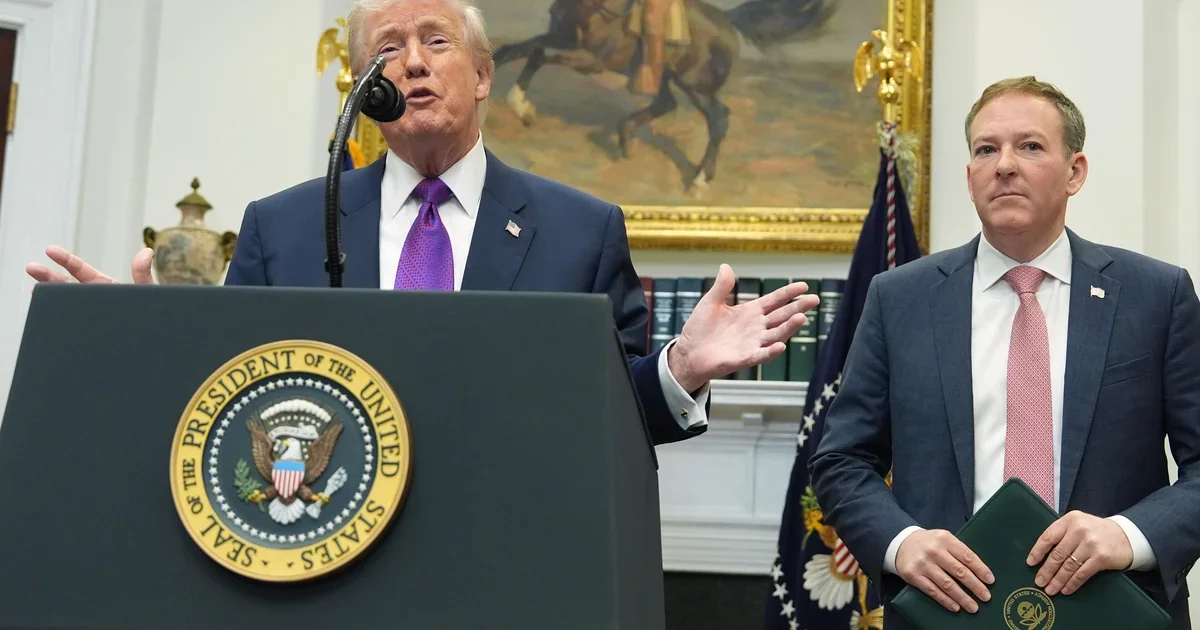
The Trump administration canceled $7.56 billion in energy project funding across 16 states, including California's ambitious hydrogen project ARCHES, citing economic viability concerns. The cuts affect projects in both Democratic and Republican districts, sparking criticism from California officials and environmental advocates who argue these cuts hinder the US's clean energy future. Meanwhile, the administration is easing restrictions on fossil fuel production, signaling a shift in energy policy priorities.
California's hydrogen industry faces a setback as the Biden administration cancels a $1.2 billion federal grant for a key hydrogen project, but state leaders and industry stakeholders remain optimistic about alternative funding and continued development, emphasizing California's commitment to clean energy despite federal setbacks.
The Energy Department has canceled $7.56 billion in clean-energy projects, mainly in Democratic-leaning states, citing concerns over project viability and economic return, sparking political controversy and accusations of political bias and setbacks for climate efforts.
The article argues that the recent removal of the $7,500 federal EV tax credit by Republicans is unjustified, given that fossil fuel vehicles have historically received over $20,000 in subsidies per vehicle over their lifetime, including implicit costs like environmental and health damages. It advocates for pollution pricing as a fairer solution and criticizes current political actions that favor oil industries over cleaner transportation options.